Volume vs. Intensity: What's Best for Your Cardiometabolic Health?
Improving your cardiovascular health is easier than you think.
- Published
Your Lifestyle Defines the Best Cardio for You
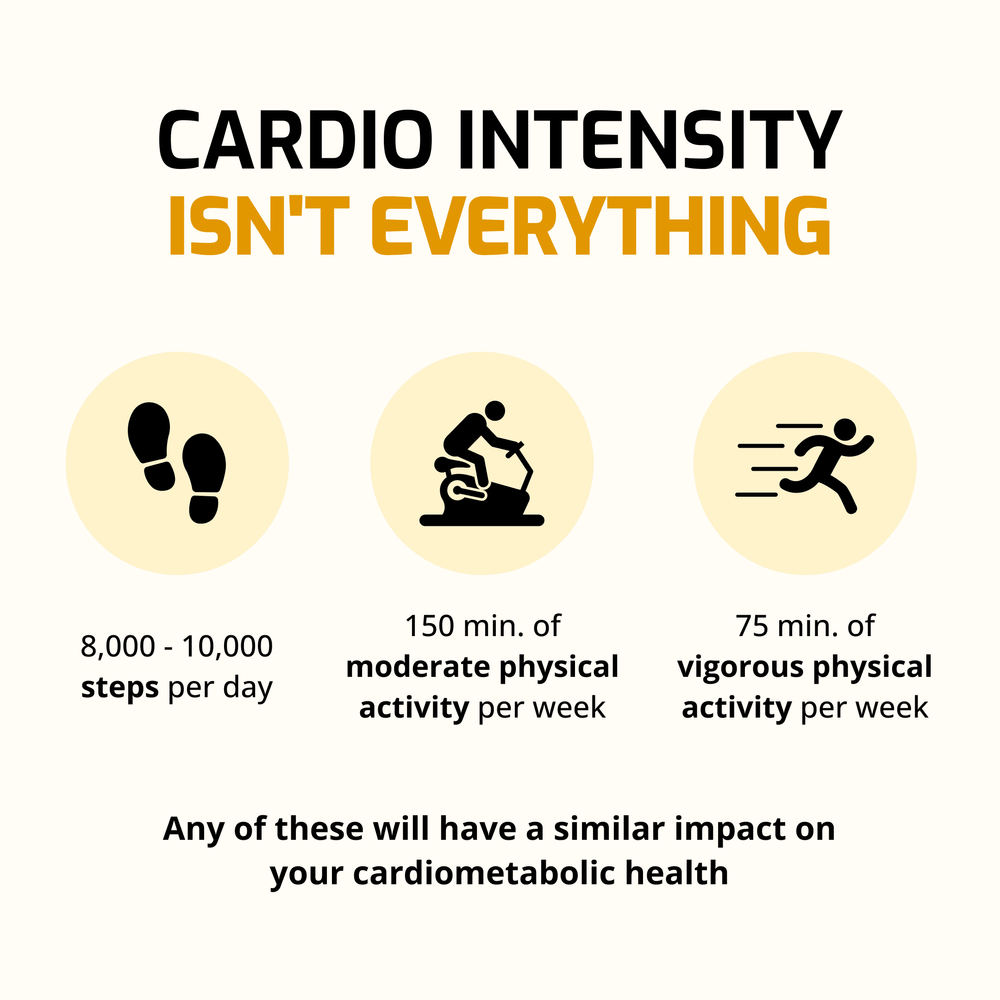
Intense exercise isn’t always the best option. Accessible activities like walking or using a stationary bike at a moderate pace can also benefit your heart. 🚶♂️🚴♀️
In fact, scientific evidence shows that the key to better cardiometabolic health (reduced risk of cardiovascular and metabolic diseases) lies not in the intensity of the exercise, but in the total amount of physical activity accumulated (Trexler, 2024). ❤️
So, you can improve your health by minimizing sedentary periods and choosing the activity you enjoy the most. For example, you can aim to walk between 8,000 and 10,000 steps a day, accumulate 150 minutes of moderate physical activity per week, or do 75 minutes of vigorous physical activity weekly. 🚶♂️🏃♀️ Recent studies have observed a 16% reduction in the risk of hypertension and a 27% lower risk of obesity in participants who meet any of these physical activity markers compared to physically inactive individuals (Mielke et al., 2024).
Remember, if you're looking to improve body composition, focus on total calorie intake, strength training, and protein consumption rather than the intensity of your cardio workouts. Their effects on muscle mass and fat are similar, regardless of intensity (Steele et al., 2021). 💪
With Fitia, you can easily calculate your calorie and macronutrient needs to achieve your goals. 📲 Download it for free here.
References
Trexler, E. When Cardio Intensity Matters (and When It Doesn’t). MASS. 2024, 8(7).
Steele et al. Slow and Steady, or Hard and Fast? A Systematic Review and Meta-Analysis of Studies Comparing Body Composition Changes between Interval Training and Moderate Intensity Continuous Training. Sports (Basel). 2021, 9(11):155. PMID: 34822354.
Mielke GI, et al. Physical activity volume, frequency, and intensity: Associations with hypertension and obesity over 21 years in Australian women. J Sport Health Sci. 2024 Sep;13(5):631-641. doi: 10.1016/j.jshs.2024.05.004. Epub 2024 May 10. PMID: 38735532; PMCID: PMC11282338.
More posts
 Training
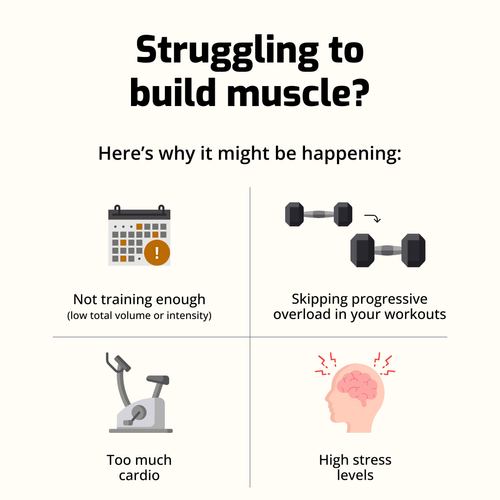
Struggling to Build Muscle? Here’s What Might Be Holding You Back
Struggling to build muscle? Learn how lack of protein, poor training volume, or insufficient sleep could be stopping your progress
Read post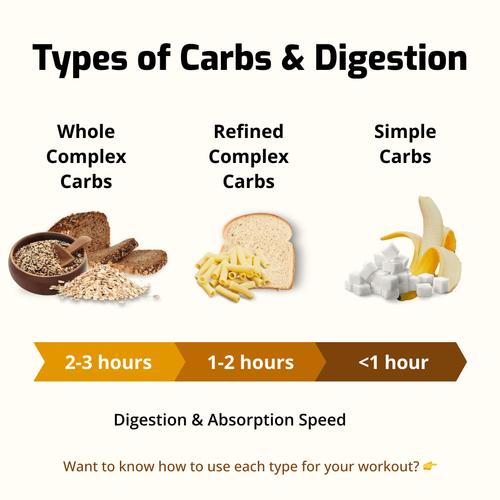 Training
What Carbohydrates to Eat According to Your Time Before Training?
Best Carbohydrates for Training: Whole, Refined, or Simple?
Read post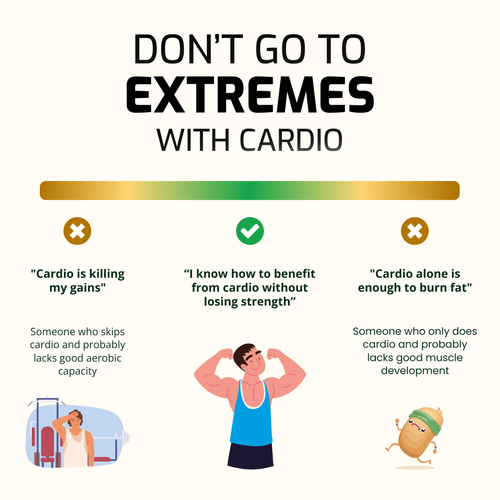 Training
Don’t Go to Extremes with Cardio
Balance cardio and strength to maximize results without going to extremes
Read post