Are Fat Burners Really Effective?
The truth about fat burners: effectiveness and risks
- Published
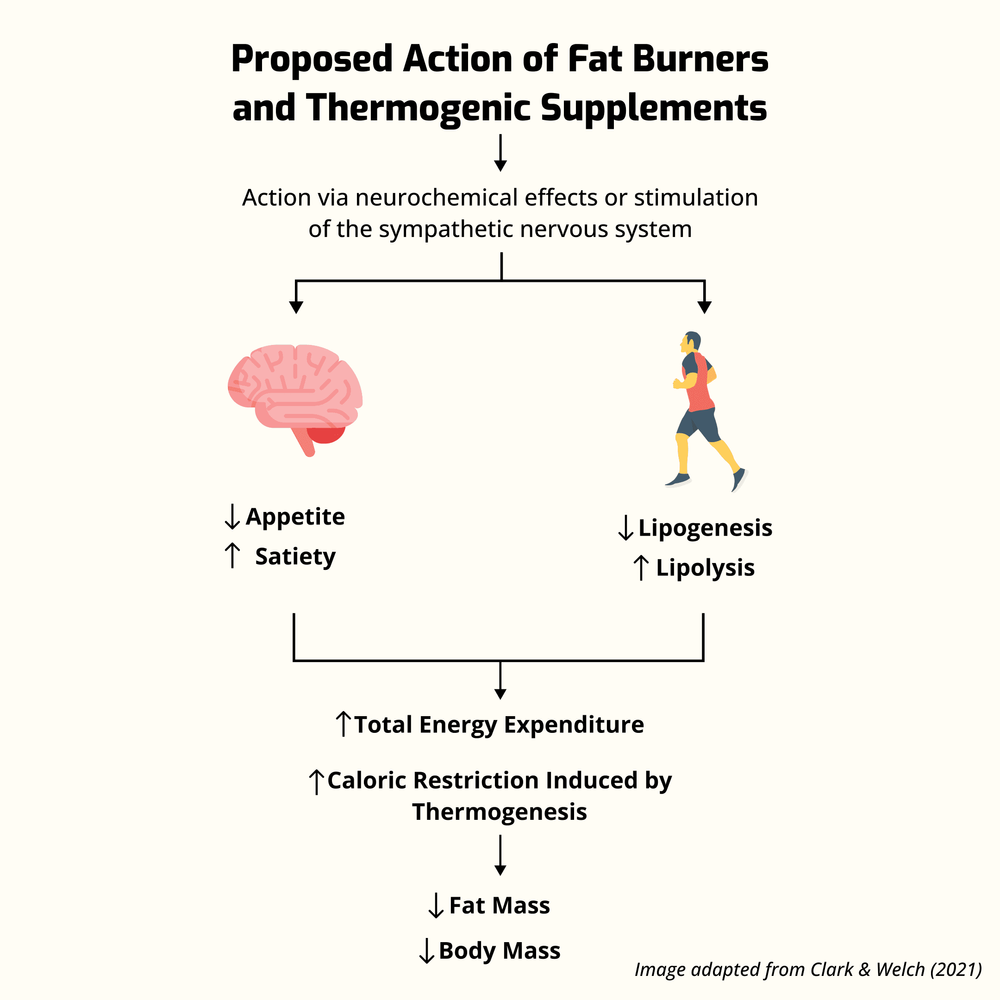
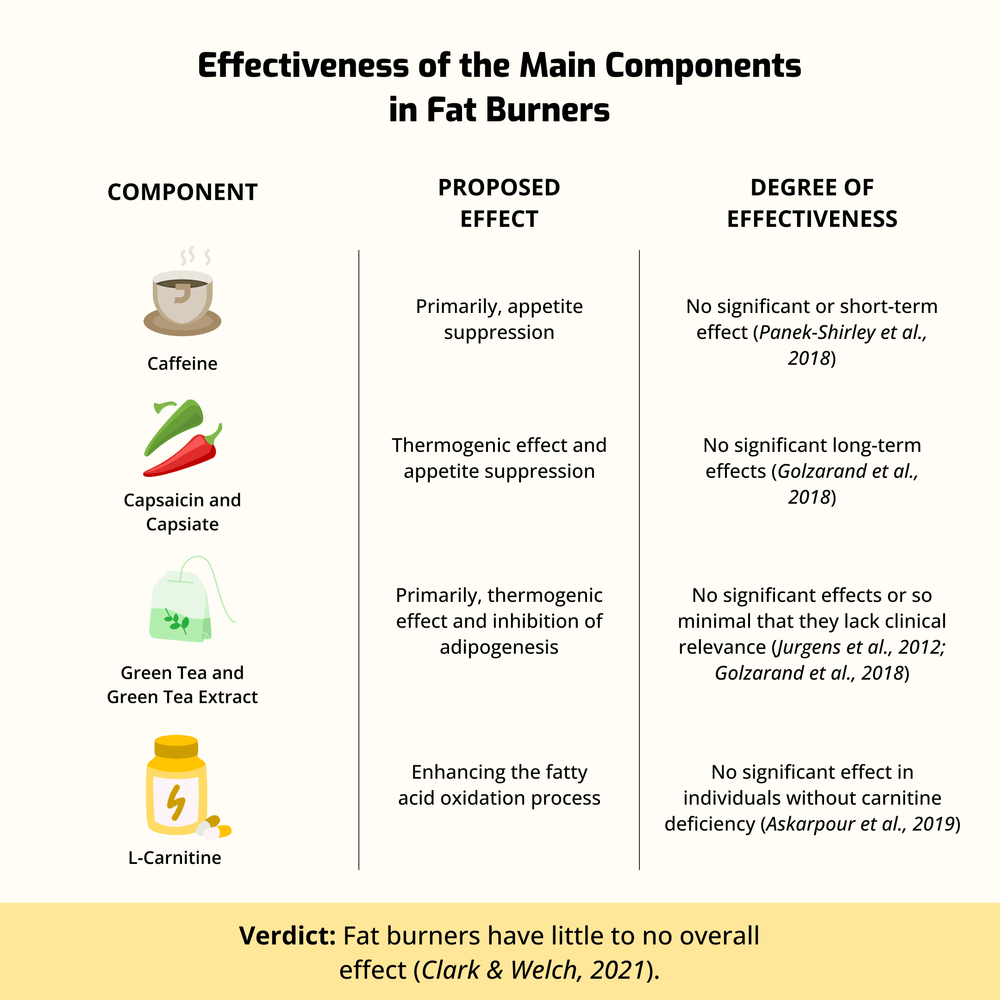
🔥 Are Fat Burners Really Effective? 🔥
Fat burners, or thermogenics, are promoted as supplements that increase calorie expenditure and reduce appetite, supposedly aiding in weight loss. These products usually contain ingredients like caffeine, capsaicin, and green tea extract.
💡 Do They Work?
The truth is, the most solid scientific evidence shows that their effects on fat loss and body weight are minimal or clinically insignificant. Even popular compounds like L-carnitine have proven ineffective, except in very specific cases, such as people with certain medical conditions.
⚠️ Risks to Consider
In addition to their limited results, some fat burners come with risks. There have been reports of products containing either inadequate amounts of their active ingredients or even banned substances. If you decide to try them, make sure the supplement comes from a reputable brand and has been third-party tested to ensure its quality and safety.
🔑 Conclusion
Given the limited impact of these supplements, it’s best to save your money on fat burners. Instead, focus on more effective methods like a balanced diet and regular exercise. These are the real keys to achieving your goals safely and sustainably! 💪🥗
References:
- Clark JE, Welch S. Comparing effectiveness of fat burners and thermogenic supplements to diet and exercise for weight loss and cardiometabolic health: Systematic review and meta-analysis. Nutr Health. 2021 Dec;27(4):445-459. doi: 10.1177/0260106020982362. Epub 2021 Jan 11. PMID: 33427571.
- Askarpour M, Hadi A, Miraghajani M, Symonds ME, Sheikhi A, Ghaedi E. Beneficial effects of l-carnitine supplementation for weight management in overweight and obese adults: An updated systematic review and dose-response meta-analysis of randomized controlled trials. Pharmacol Res. 2020 Jan;151:104554. doi: 10.1016/j.phrs.2019.104554. Epub 2019 Nov 17. PMID: 31743774.
- Golzarand, M., Toolabi, K., & Aghasi, M. (2018). Effect of green tea, caffeine and capsaicin supplements on the anthropometric indices: A meta-analysis of randomized clinical trials. Journal of Functional Foods, 46, 320-328.
- Panek-Shirley LM, DeNysschen C, O'Brien E, Temple JL. Caffeine Transiently Affects Food Intake at Breakfast. J Acad Nutr Diet. 2018 Oct;118(10):1832-1843. doi: 10.1016/j.jand.2018.05.015. Epub 2018 Jul 19. PMID: 30033159.
- Jurgens TM, Whelan AM, Killian L, Doucette S, Kirk S, Foy E. Green tea for weight loss and weight maintenance in overweight or obese adults. Cochrane Database Syst Rev. 2012 Dec 12;12(12):CD008650. doi: 10.1002/14651858.CD008650.pub2. PMID: 23235664; PMCID: PMC8406948.
- Cohen PA, Avula B, Katragunta K, Travis JC, Khan I. Presence and Quantity of Botanical Ingredients With Purported Performance-Enhancing Properties in Sports Supplements. JAMA Netw Open. 2023 Jul 3;6(7):e2323879. doi: 10.1001/jamanetworkopen.2023.23879. PMID: 37459101; PMCID: PMC10352857.
More posts
 Supplements
Whey Protein: Concentrate or Isolate?
Discover the differences between whey concentrate and isolate. Choose the best option for your goals based on purity, absorption, calories, and cost.
Read post Supplements
Magnesium For Muscle Pain
Magnesium is a great ally for muscle recovery. Check out the best natural sources!
Read post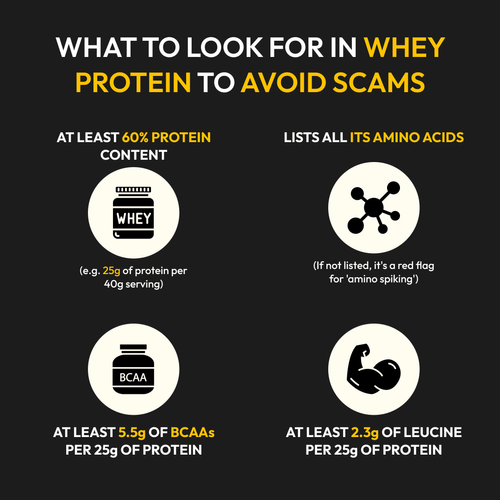 Supplements
What to Look for in Whey Protein to Avoid Scams
4 Essential Features Your Whey Protein Must Have to Ensure High Quality
Read post