Boiled, Fried, or Crispy Chicken: Which Fits Your Macros?
Boiled, fried, or crispy chicken? Discover how each preparation affects calories, protein, fat, and carbs, and choose the best option for your goals.
- Published
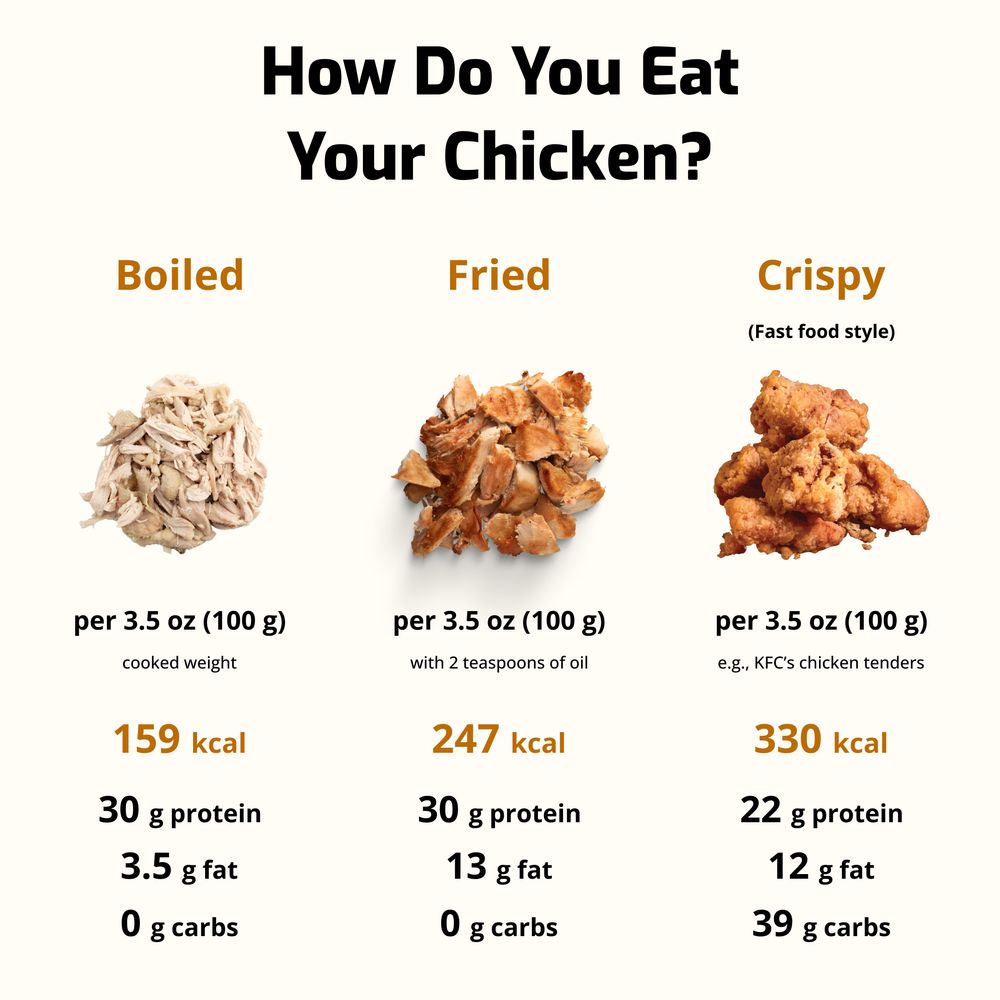
Which one are you choosing? 🤨
How you prepare your food and what you add to it makes a big difference in the calories and macros of the final product. So choose wisely!
👉 For example, 100 grams of raw chicken cooked in water will keep its original nutritional value. The weight will drop a bit (you’ll end up with roughly 75 g cooked), but the protein stays the same.
However, if you fry those 100 grams of chicken with oil, the oil’s calories and fats get added to the total.
And if you go for crispy fried chicken from a fast-food place, things change even more. The breading and frying process skyrocket the calories, fats, and carbs. Why? Because the coating takes up part of the weight that was previously just chicken—meaning less protein per serving.
✔️ At the end of the day, what truly matters is your total calorie and nutrient intake. Take a step back and evaluate your options to make choices that align with your goals and improve your health.
💡 Need help tracking? Find nutrition info for thousands of foods on Fitia. Log your meals and see if you’re hitting your daily targets. 📲 Download it for free here.
More posts
 Foods
FoodsQuick Hangover Fixes That Actually Work
Learn simple tips to ease hangover symptoms, stay hydrated, and feel better fast with natural remedies and nutrient-packed foods.
Read post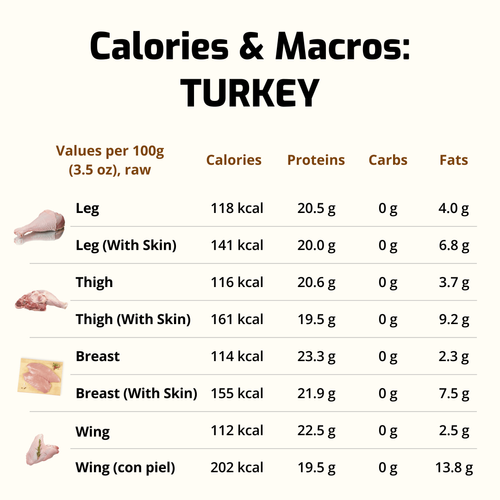 Foods
FoodsCalories and Macros in Turkey Cuts: Which One Fits Your Goals?
Discover the calories and macros in turkey cuts to choose the best option for your fitness goals and meal plans.
Read post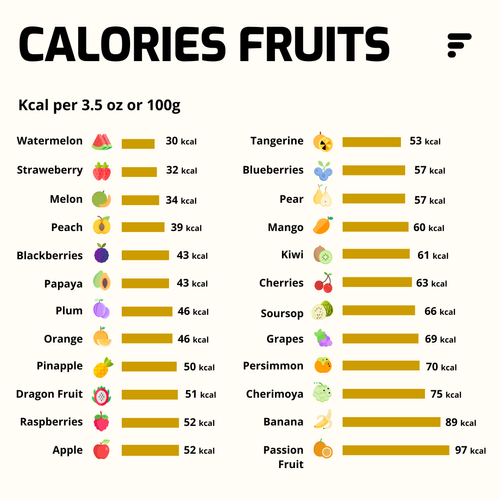 Foods
FoodsCalories in Fruits
Discover the calorie content of your favorite fruits, from low-calorie choices like watermelon to higher-calorie options like bananas.
Read post