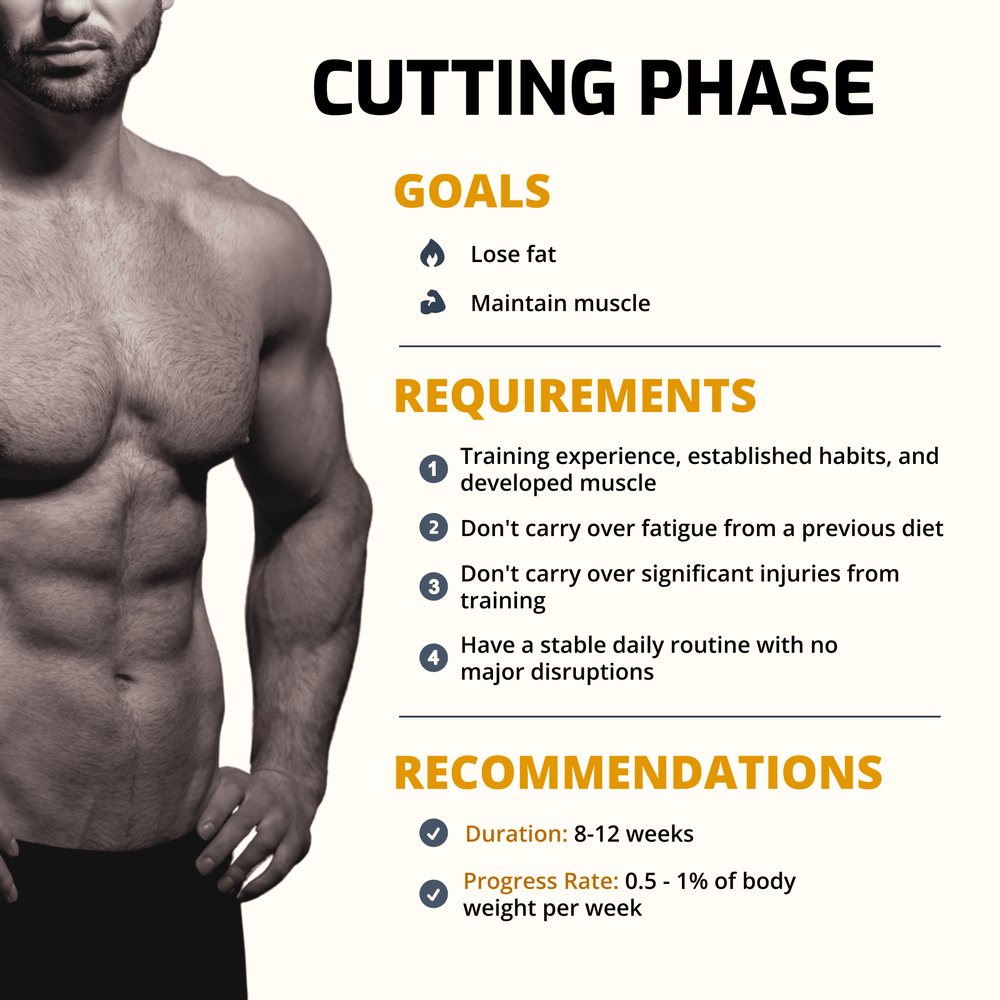
When to Cut? 🤔
More than your body fat percentage, your training experience is key. If you're a beginner, focus on building solid training and nutrition habits before thinking about cutting. Stay at maintenance or a slight surplus for now, and you'll notice significant changes in your physique.
For those with more experience and developed muscle, it’s important to meet certain criteria before starting a successful cutting phase:
1️⃣ Don’t carry over fatigue from a previous diet: Cutting for 2-3 months isn’t easy. Dealing with increased hunger can be tough for many. If you still feel the effects of your last diet, it’s probably not the best time to start another cutting phase.
2️⃣ Don’t carry over significant injuries from training: A cutting phase isn’t the ideal time to focus on gaining more mass or optimizing recovery. If you're dealing with injuries or significant pain, make sure you fully recover before starting a cut.
3️⃣ Have a stable daily routine without major disruptions: Starting a cutting phase typically requires consistent training and nutrition routines, along with minimizing external stress. If you have long trips or big events coming up, it could affect your ability to stick to the diet. While things don’t have to be perfect, if you’re in a high-stress period or facing a lot of life changes, it may not be the best time to add a strict diet into the mix.
If you meet these criteria, you’re ready for a successful cut. ⏳ Ideally, it should last between 8 and 12 weeks. Finally, aim to lose between 0.5% and 1% of your body weight per week to preserve as much strength and muscle as possible. 💪
More posts
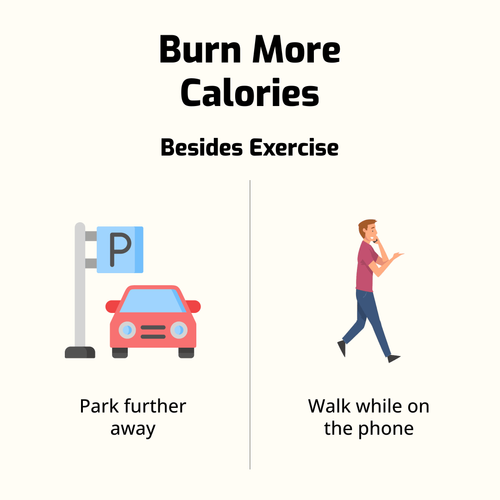 Fat Loss
Boost Fat Loss: Simple Ways to Burn More Calories Beyond the Gym
Boost your calorie burn with simple daily habits like walking more, taking the stairs, and increasing NEAT to support fat loss and improve health
Read post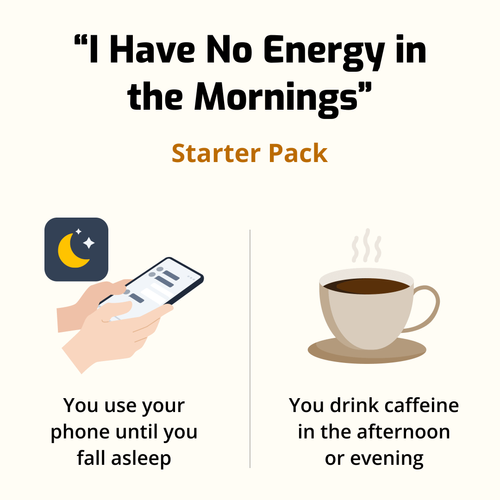 Fat Loss
Habits That Drain Your Morning Energy
Discover habits that affect your morning energy and sleep quality, and how to improve them for a more energized start to your day.
Read post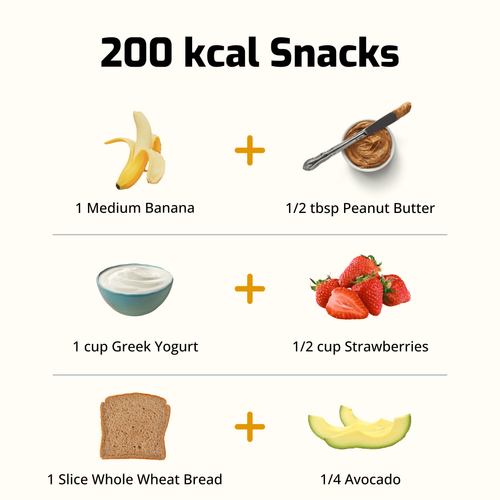 Foods
Foods6 Easy 200-Calorie Snacks
Explore 6 simple 200-calorie snack ideas. Adjust by nutrients and calories to fit your goals
Read post