Didn't Train In A Week?
¿What Happens if you stop training for 1 o 2 weeks? 😱 Relax, there's likely nothing to worry about.
- Published
- Updated
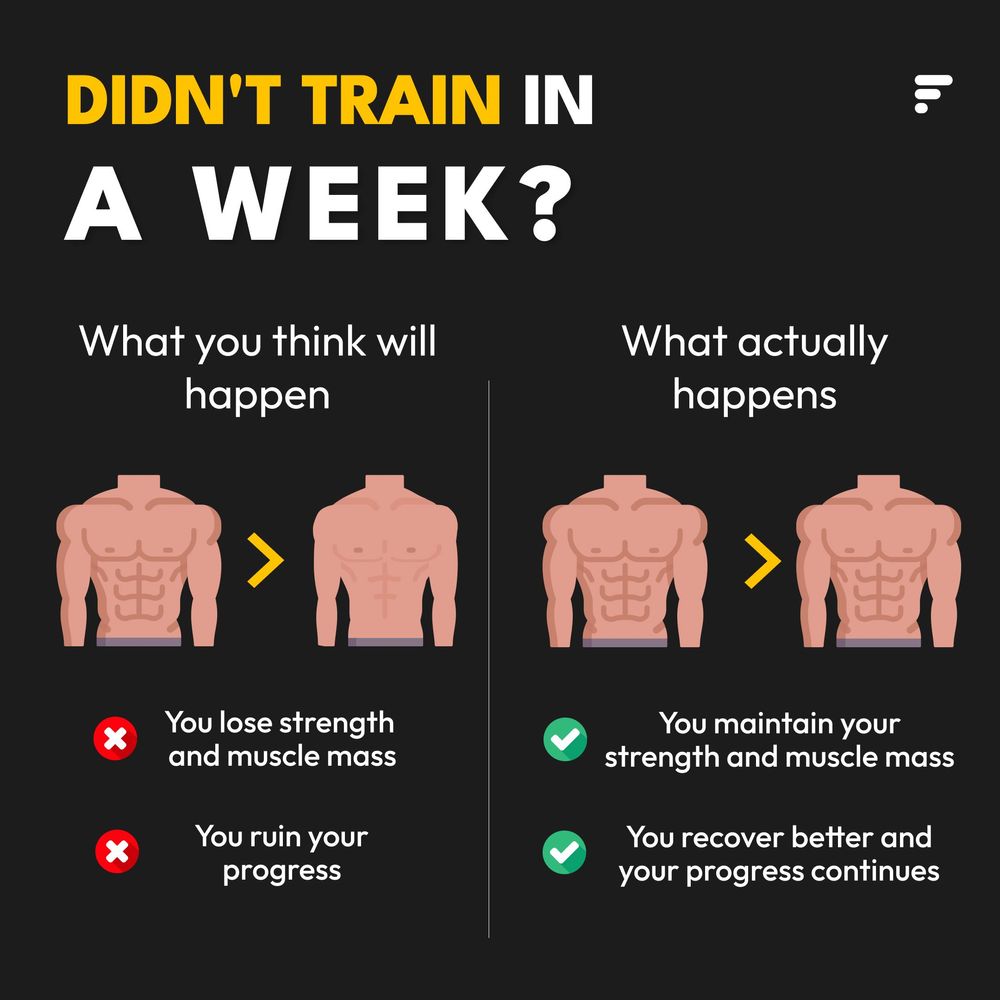
What Happens if you stop training for 1 o 2 weeks? 😱 Relax, there's likely nothing to worry about.
Life happens—due to time constraints, injuries, or other unforeseen circumstances, there might be weeks when we can't train as much as we'd like. But don't let that stress you out too much. Why? Let's delve into what research has to say:
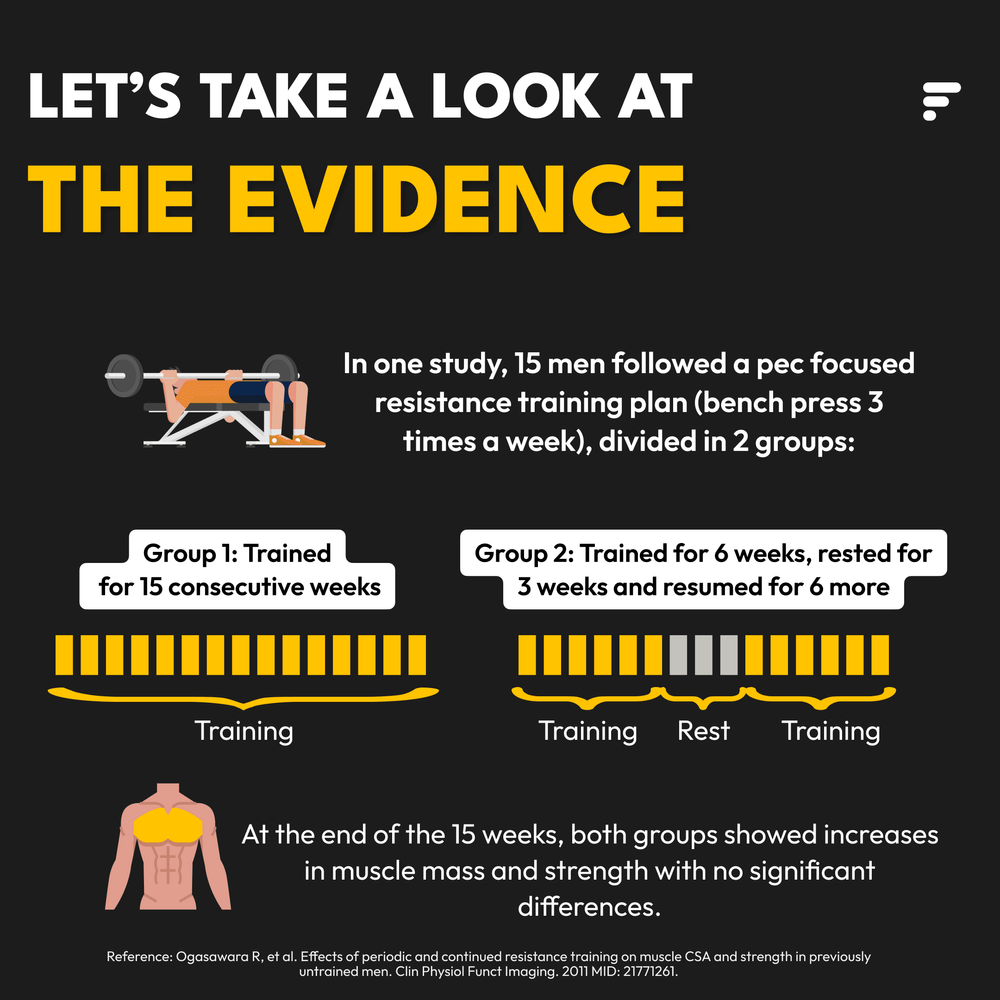
🔍 A study divided 15 men into two groups for high-intensity bench press training three times a week. One group trained non-stop for 15 weeks, while the other followed a 6-week training period, took a 3-week break
The first group trained continuously for 15 weeks, while the second group trained for 6 weeks, took a 3-week break, and then resumed training for another 6 weeks.
Interestingly, the group that took a break showed no loss in muscle or strength. By the 15 week mark, both groups had similar gains in muscle mass and strength.
📝 Another review, examining 27 studies on rugby players,found that strength and muscle mass can be maintained for up to three weeks without activity. It was only after five weeks of no training that muscle atrophy and decreases in 1RM (one-repetition maximum) started to become noticeable.
💪 Moreover, if your "break" extend beyond 3-4 weeks, you likely find regaining lost strength and muscle faster than starting from zero. This is thanks to myonuclei, critical for muscle and strength development, which remain in your muscle fibers even after periods of inactivity.
👉You might find this interesting: Cardio vs Weights in Fat Loss
🏃♂️ As for cardiovascular fitness in endurance sports, evidence suggests a decline can begin after just 1-2 weeks of no training.
Remember, with Fitia, you can get personalized nutrition plans for cutting or bulking 📲 Download it for free here.
More posts
 Training
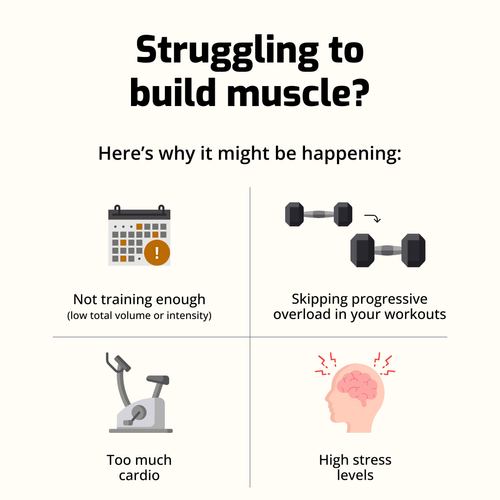
Struggling to Build Muscle? Here’s What Might Be Holding You Back
Struggling to build muscle? Learn how lack of protein, poor training volume, or insufficient sleep could be stopping your progress
Read post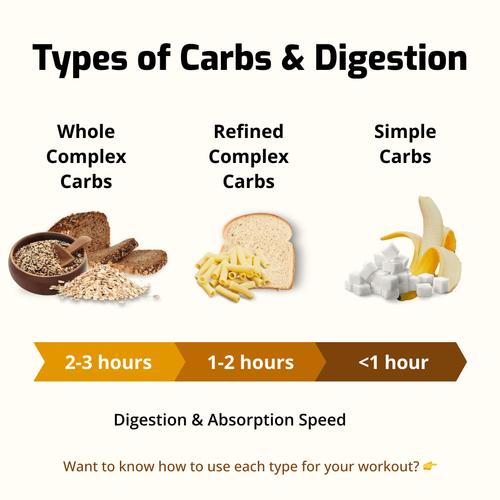 Training
What Carbohydrates to Eat According to Your Time Before Training?
Best Carbohydrates for Training: Whole, Refined, or Simple?
Read post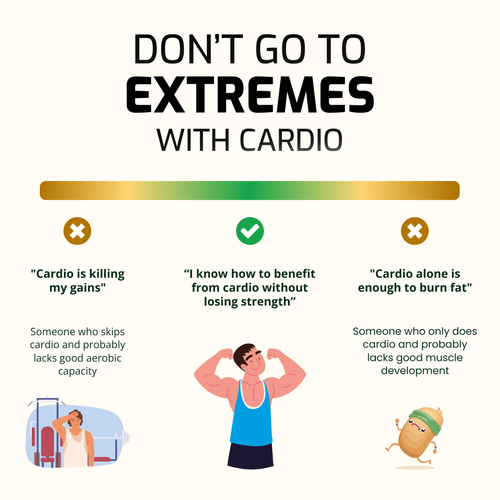 Training
Don’t Go to Extremes with Cardio
Balance cardio and strength to maximize results without going to extremes
Read post