What 100 Calories Look Like: A Visual Guide
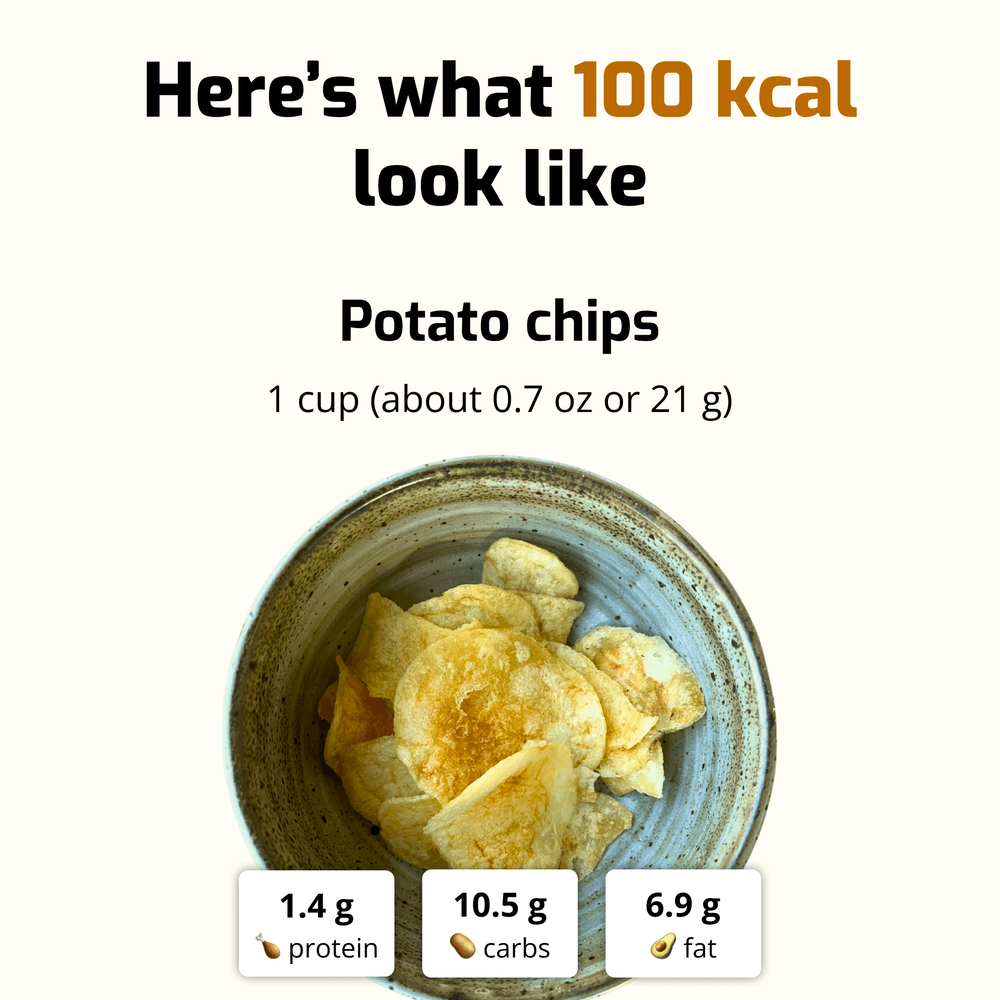
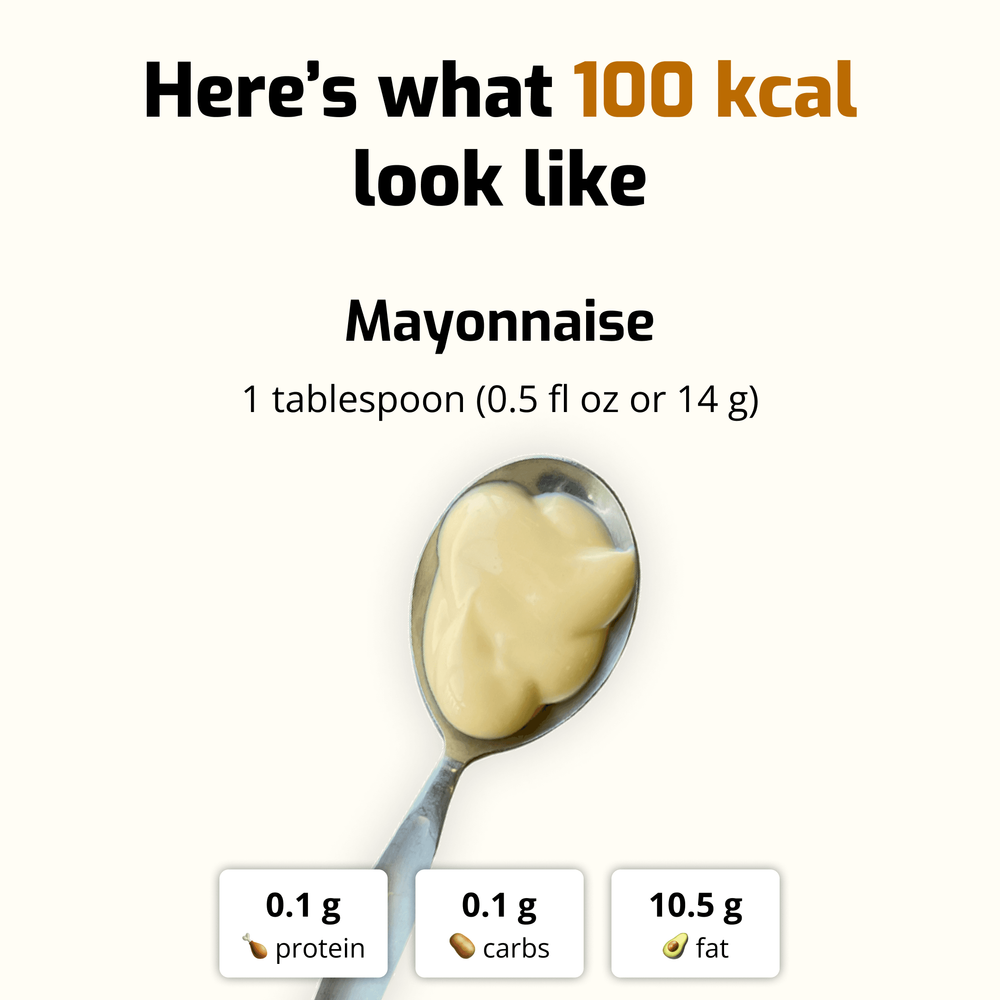
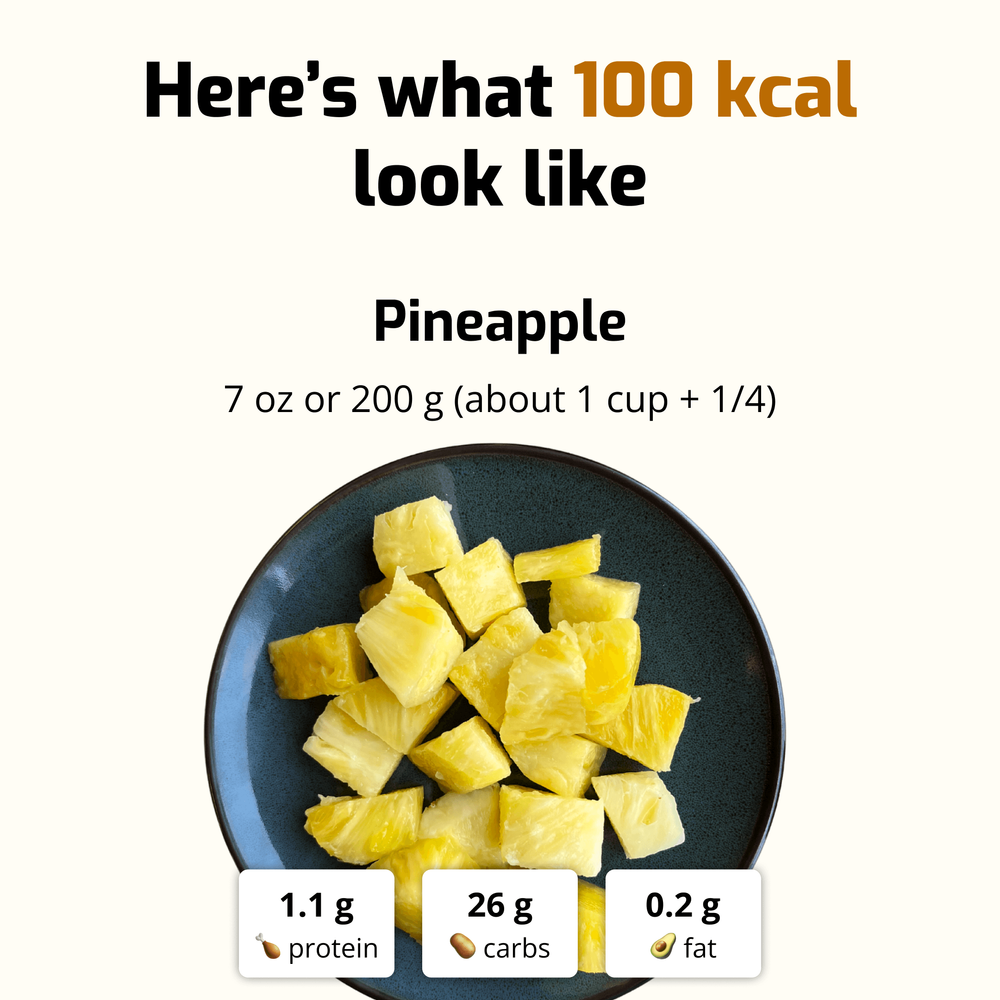
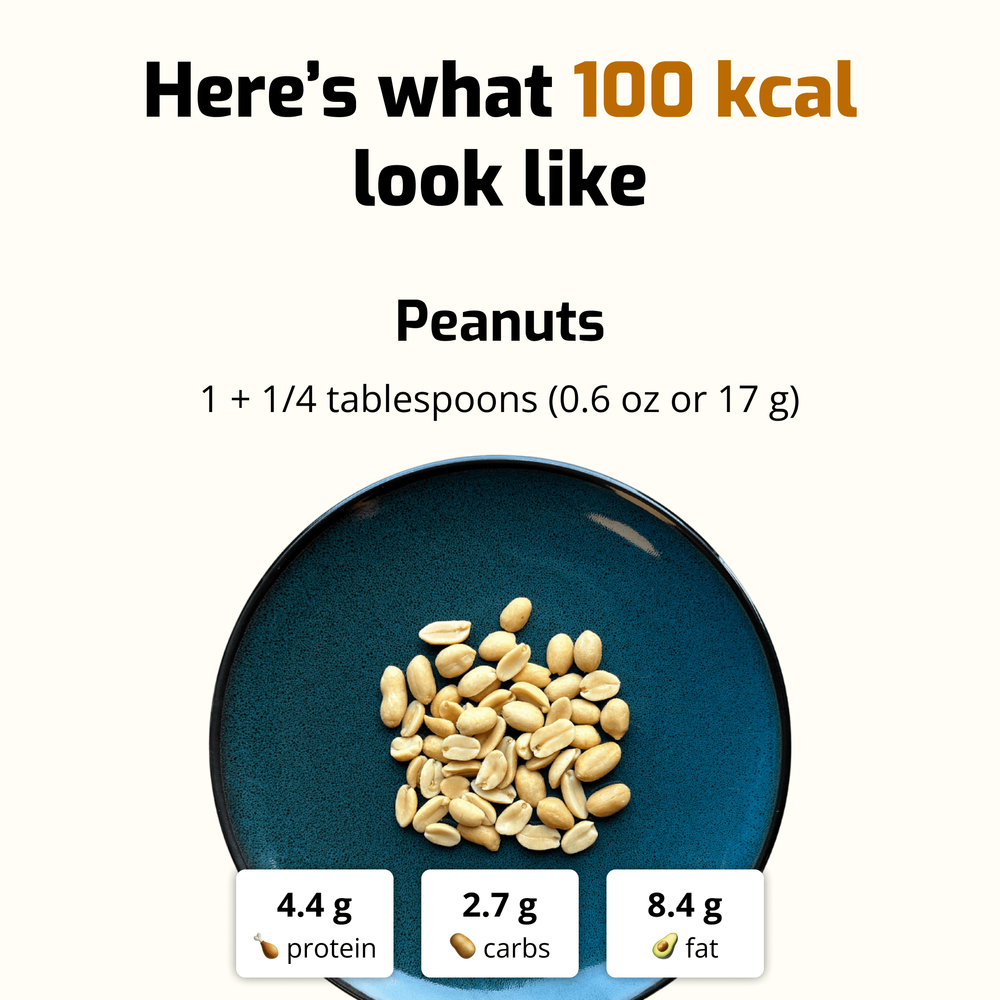
Discover what 100 calories look like in different foods and how calorie density impacts portion size.
- Published
- Updated
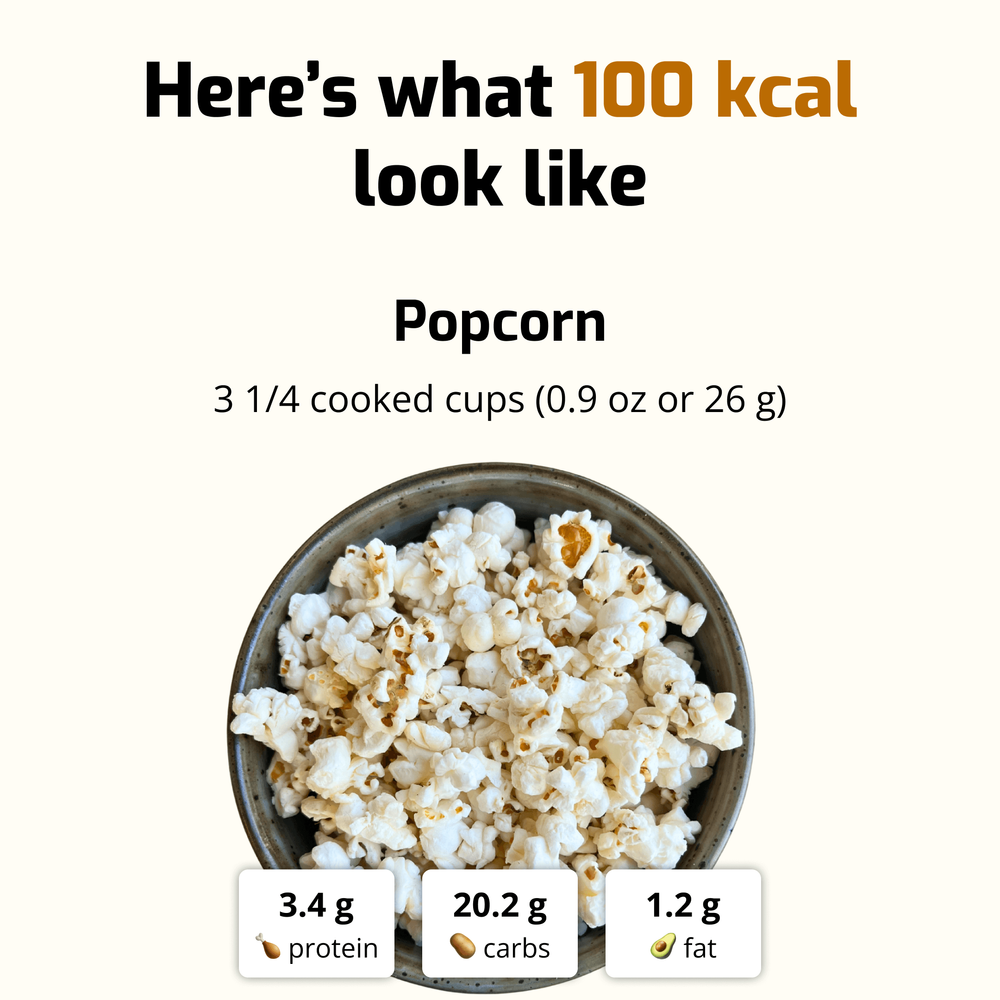
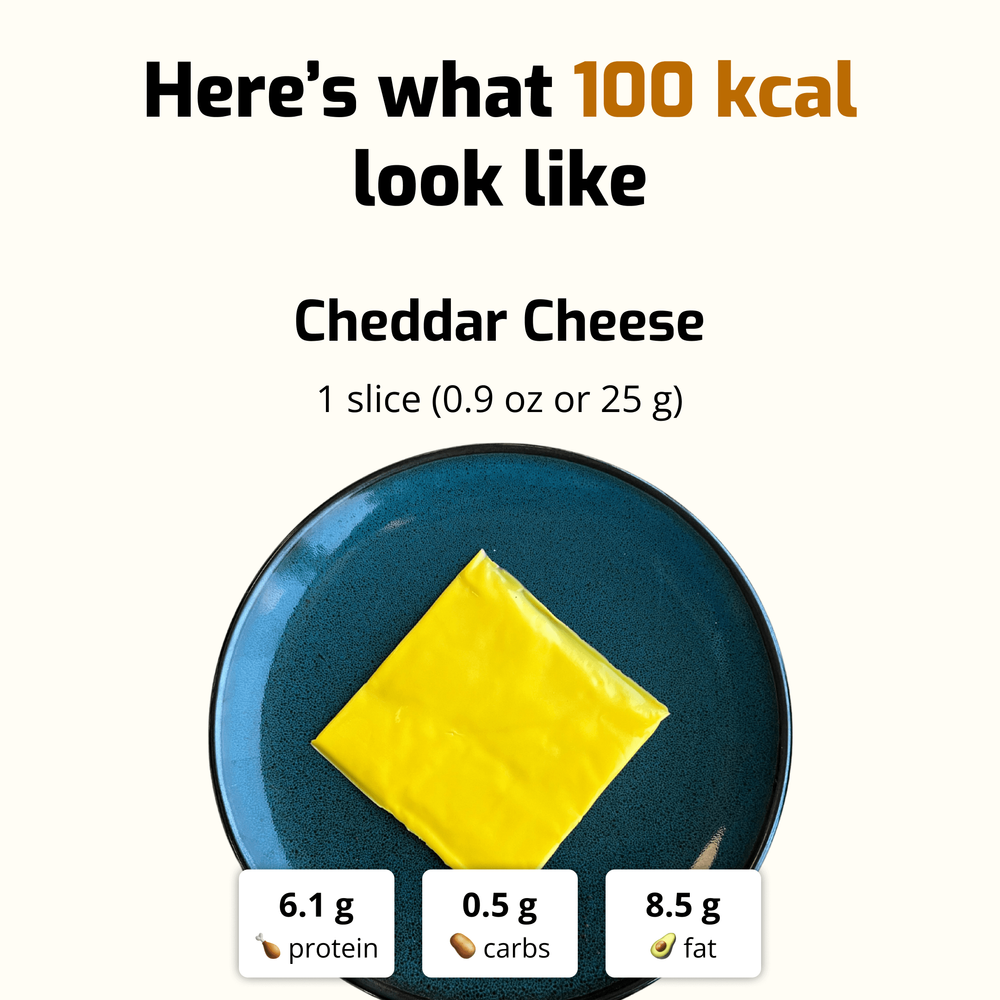
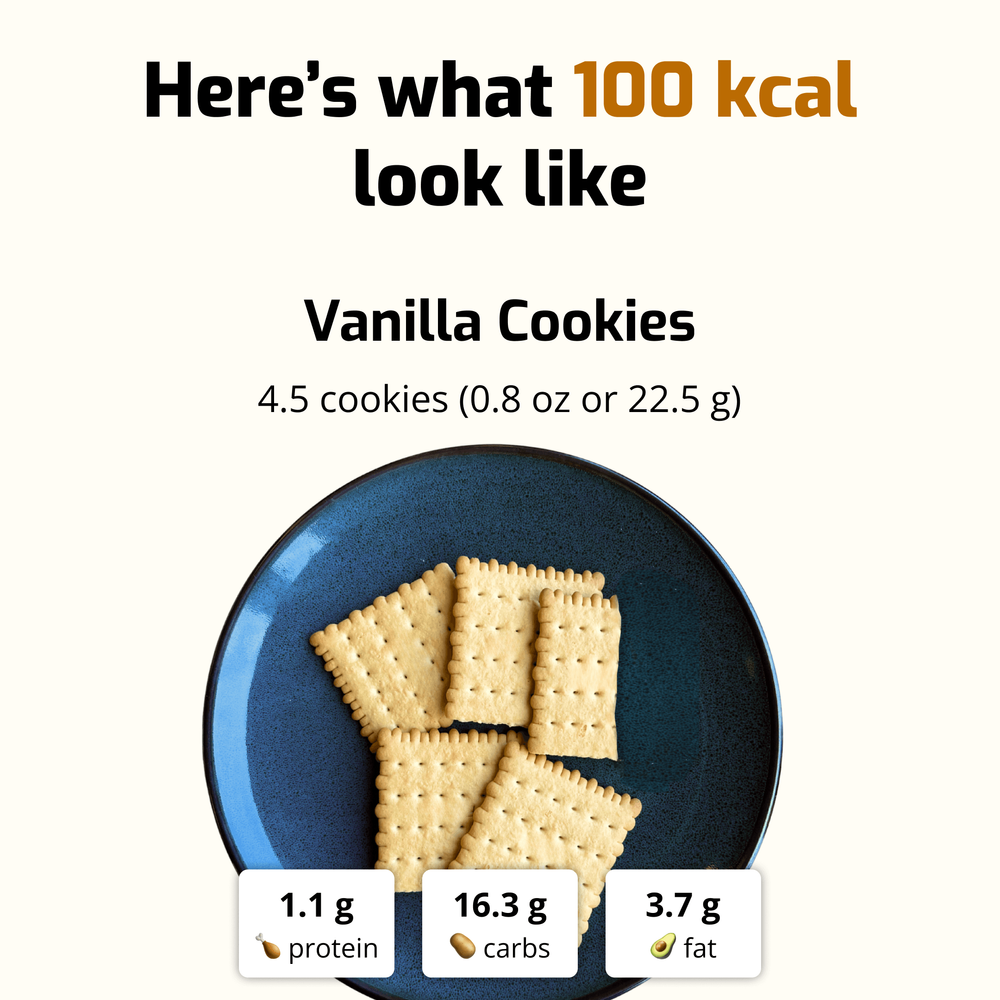
👉 Here’s something to think about:
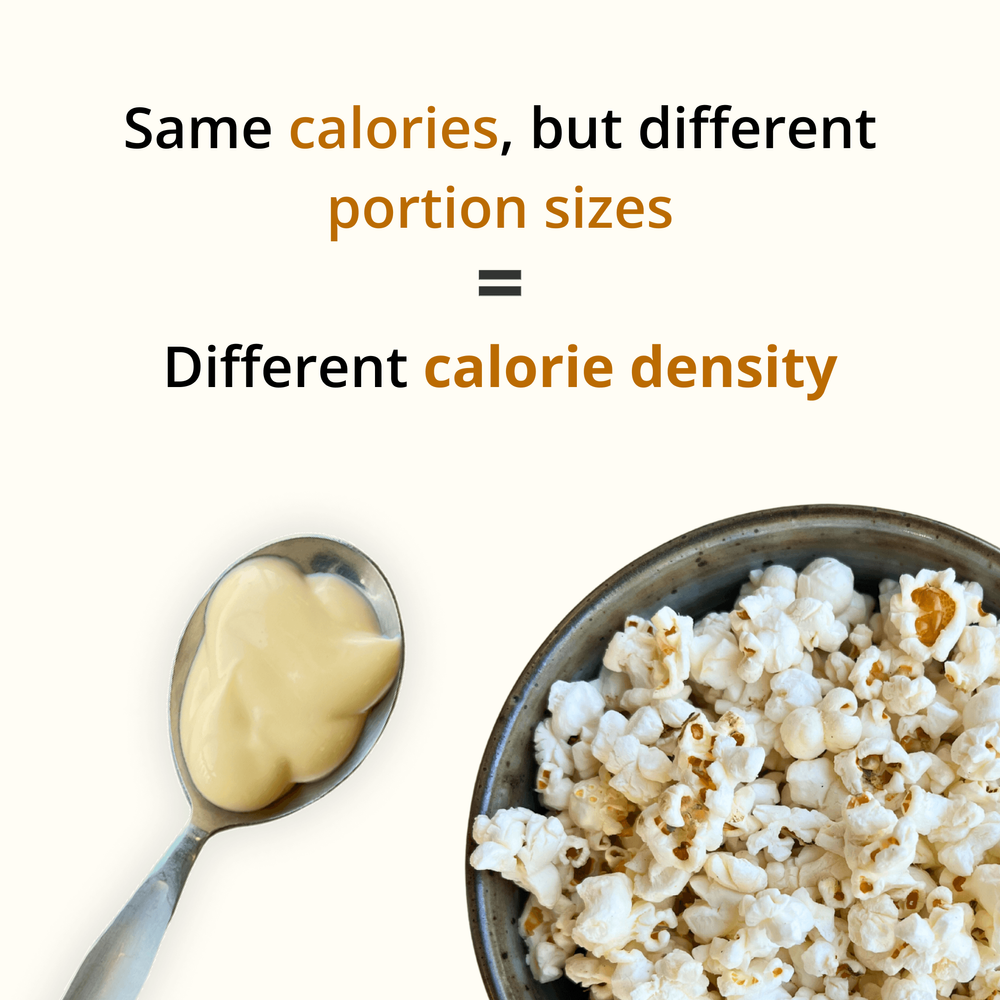
Calorie density is all about how many calories a food packs into its weight or volume 🍟.
Higher calorie density means smaller portions for those same 100 calories 🤯.
Knowing this can make portion control and healthy eating so much easier ⚖️!
More posts
 Foods
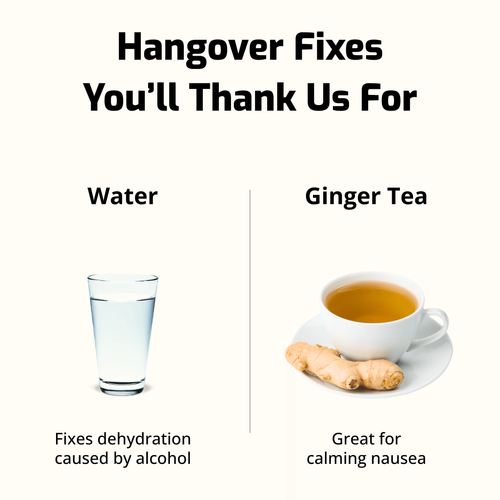
FoodsQuick Hangover Fixes That Actually Work
Learn simple tips to ease hangover symptoms, stay hydrated, and feel better fast with natural remedies and nutrient-packed foods.
Read post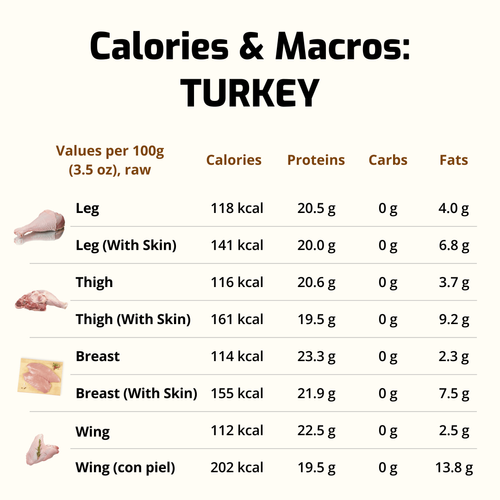 Foods
FoodsCalories and Macros in Turkey Cuts: Which One Fits Your Goals?
Discover the calories and macros in turkey cuts to choose the best option for your fitness goals and meal plans.
Read post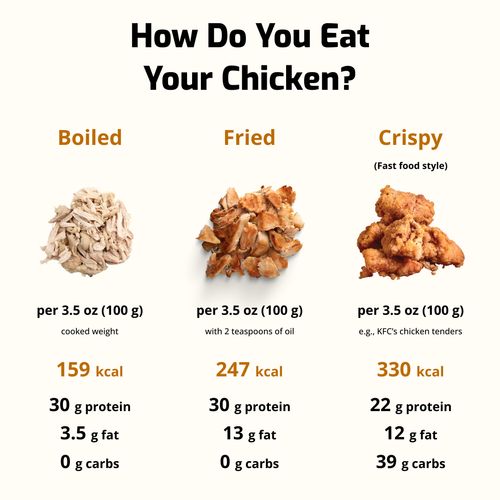 Foods
FoodsBoiled, Fried, or Crispy Chicken: Which Fits Your Macros?
Boiled, fried, or crispy chicken? Discover how each preparation affects calories, protein, fat, and carbs, and choose the best option for your goals.
Read post