Are AI Meal Planning Apps Worth It in 2026? How They Work + What U.S. Shoppers Should Look For
AI meal planning apps promise less stress, lower food costs, and smarter nutrition. Here’s how they work in 2026 and who benefits most.
- Published
- Updated
- 3 min read
- 3 min read
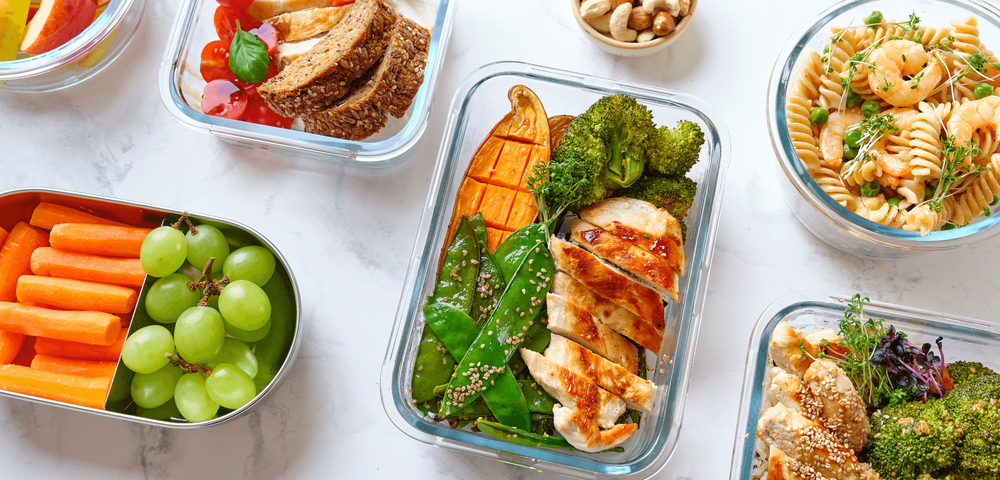
You're standing in the grocery store at 6 PM, phone in hand, trying to remember what you planned to cook while calculating if you have enough chicken for three meals. Your nutrition app reminds you about protein goals, your budget app warns about overspending and that spinach in your fridge is definitely past its prime.
This plays out millions of times weekly across America, explaining why AI meal planning apps have exploded from niche to mainstream. The question isn't whether these apps exist, it's whether they're worth adding to your subscription stack.
In this blog, we’ll explore whether AI-powered meal planning apps are worth using in 2026 and how they work.
Are They Worth It? A Practical Cost-Benefit Breakdown
If you’re spending $200 or more each month on takeout because of poor planning, a $10–15 monthly app that cuts that expense in half more than pays for itself up to ten times over.
The value of these tools increases as life gets more complex. A family juggling different dietary needs, schedules, and budgets can see dramatic benefits. On the other hand, a single person with flexible preferences may notice far less impact.
The quick math makes it clear:
You save about 2.3 hours per week on planning, list-making and tracking. Monthly savings average around $190 thanks to reduced food waste, fewer impulse purchases, and less takeout. The investment is minimal: $10–15 per month plus roughly 15 minutes of weekly interaction. The net result is compelling over $175 in monthly savings and more than 8 hours of time reclaimed.
Fitia's family plan costs $89.99 USD per year in the U.S. and includes up to 6 users, which comes out to just $14.99 per user per year.
What U.S. Shoppers Should Look For: The 2026 Checklist
1. Smart Grocery List
Shopping lists should consolidate ingredients based on your specific diet, calorie goals and macro requirements.
2. Personalization That Matters
The AI dynamically adjusts your meal plan based on your logged progress. If it detects a plateau, it adapts your nutrition strategy to ensure continued results. At the same time, family profiles preserve individual needs while generating unified meal plans.
3. Nutrition Data Trust
Nutrition data comes from expert-verified sources based on USDA standards and the app dynamically adjusts recommendations based on the user’s logged progress.
4. Platform Integrations
Integrations with Apple Health and Google's Health Connect allow you to link your workouts seamlessly with your favorite nutrition app.
5. Pricing Transparency
Clear tier explanations, no payment required for trials, understandable family plan economics, no essential features hidden behind paywalls.
Your Best Starting Point: Fitia's Practical Approach
Fitia stands out as the best meal planning app for personalized nutrition with real-world flexibility. While other apps focus on isolated features, Fitia delivers a fully integrated experience that brings everything together seamlessly.
Fitia helps you hit your calorie and macro targets without rigid rules, keeping meal planning flexible and sustainable. Its AI adapts to your personal preferences, lifestyle, and progress over time. What truly sets Fitia apart is its “consistency over perfection” philosophy designed to help you build habits that last, not short-term fixes.
Start your free 3-day trial and experience a smarter, more flexible way to plan meals and stay on track.
The Bottom Line: Who Should Use AI Meal Planning?
You're an Ideal Candidate If:
- Spend 3+ hours weekly on meal planning/tracking
- Food spending feels uncontrolled
- Managing specific health goals requiring precision
- Family meal planning feels like a part-time job
- Regular expensive takeout from decision fatigue
Next Steps:
- Pick one primary goal (weight loss, budget, time)
- Test 2-3 apps during free trials
- Track concrete metrics for 2 weeks
- Decide by week 3, you'll know if it's helping
The transformation from scattered meal planning to AI assistance isn't just efficiency, it's reclaiming mental energy for things that matter more than figuring out dinner.
However, we recommend trying Fitia, as it stands out as the best meal planning app for personalized nutrition.
Related articles
 Fat Loss
Weight Loss Calorie Chart (2026): How Many Calories to Eat by Body Weight, Sex, and Activity
See how many calories to eat to lose weight, with simple charts by body weight and activity, plus why your target changes as you go.
Read article
Best Calorie Counter App for Muscle Gain in the US (2026): 4 Apps Compared for Lifters
The 4 best calorie counter apps for US lifters in 2026, compared on macros, database, adaptation, and meal planning.
Read article
Best Online Nutrition Coach in the US (2026): What to Look For Before You Pay
Online nutrition coaching in the US 2026: three tiers, what the research says, and the red flags to spot before you pay for an app or coach.
Read article