How Do AI Meal Planning Apps Set Calorie Targets and Track Macros?
Learn how AI meal planning apps set calorie goals and track macros in real time using your workouts, data, and habits for a personalized plan.
- Published
- Updated
- 3 min read
- 3 min read
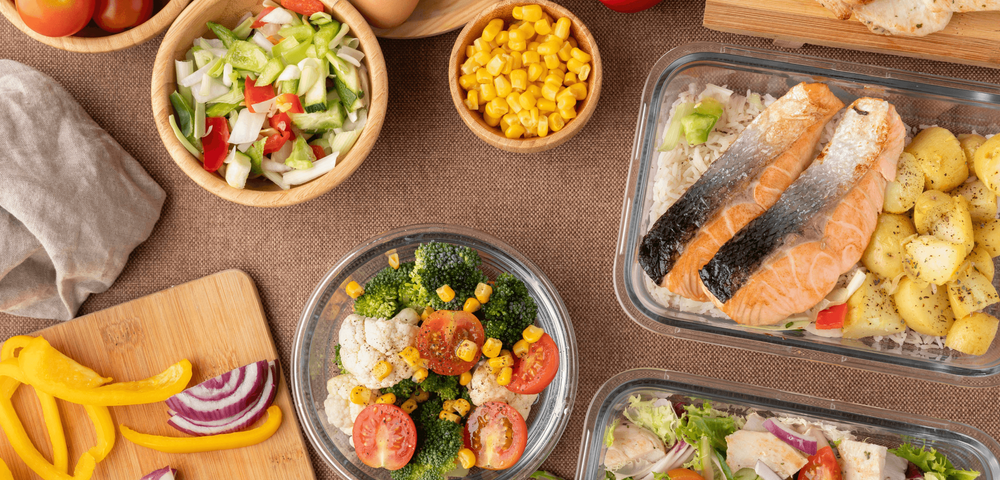
AI meal planning apps are changing the way people approach nutrition. Instead of guessing how many calories you should eat, these tools calculate targets and adjust your meals in real time. They don’t just count calories, they use smart algorithms to track your macros and tailor your plan to your workouts and lifestyle.
How Do AI Meal Planning Apps Calculate Your Calorie Needs?
The first step is figuring out your Basal Metabolic Rate (BMR). It’s the energy your body burns simply to keep you alive, from breathing to pumping blood. AI apps calculate your BMR using basic information such as your age, sex, height, weight, and activity level.
From there, they estimate your Total Daily Energy Expenditure (TDEE), which is the sum of your BMR plus all the activity you do throughout the day. This gives the app a starting point for setting your calorie goal.
How Do AI Apps Use Workout Data to Adjust Targets?
This is where AI really shines. Instead of sticking with a fixed “active” multiplier, AI-driven apps sync with your smartwatch or fitness tracker to get real-time workout data.
For example, they can pull:
- Heart rate and heart rate variability from wearables.
- Exercise type, duration, and intensity, whether logged manually or automatically.
This data allows the app to see how much energy you truly burned, not just what a generic formula would predict.
How Do AI Models Estimate Calorie Burn?
AI apps rely on machine learning models trained on huge datasets. These models consider:
- Physiological signals like heart rate, body temperature, and recovery markers.
- Workout details such as length, distance, and elevation gain.
- Personal stats like weight and age.
By analyzing these inputs, the app produces a much more accurate estimate of calories burned. For instance, if your heart rate shows you pushed harder than usual, the system can recommend extra fuel for recovery.
How Do AI Apps Adapt Your Nutrition in Real Time?
Once your calorie burn is estimated, the app adds it to your baseline BMR. That total becomes your updated calorie target for the day.
If you had a tough workout, your meal plan might automatically add a snack or a larger dinner. If it was a light day, the app may keep things leaner. Over time, the AI learns your habits, preferences, and results, so recommendations become more personalized the longer you use it.
This feedback loop makes meal planning dynamic instead of static.
What Are Macros, and Why Do People Track Them?
Macros are short for macronutrients: carbs, protein, and fats. Each plays a different role:
- Carbohydrates (4 calories per gram): your body’s main energy source.
- Protein (4 calories per gram): essential for building and repairing tissues, especially muscles.
- Fats (9 calories per gram): key for hormones, vitamin absorption, and energy storage.
Tracking macros goes beyond calorie counting. It ensures you’re not only eating the right amount of food, but also the right balance of nutrients.
Why Do People Track Macros Instead of Just Calories?
People track macros for many reasons, such as:
- Fitness goals: More protein for muscle growth, more carbs for endurance, or a balance for fat loss.
- Awareness: Understanding if your diet is skewed too heavily toward one nutrient.
- Satiety: Balanced meals help you feel fuller for longer.
- Flexibility: The “If It Fits Your Macros” approach allows variety while staying on track.
- Health management: Some people with conditions like diabetes monitor macros closely.
In short, macros give you a clearer picture of what you’re eating and how it affects your body.
Should You Use an AI Meal Planning App?
If you want more than just a calorie counter, the answer is yes. AI meal planning apps act like a digital coach. They adjust your targets in real time, build meal plans that fit your lifestyle, and help you stay consistent without doing the math yourself.
One example is Fitia, which combines scientific formulas with AI adjustments to set accurate calorie and macro targets. It also creates smart meal plans, generates shopping lists, and tracks your progress over time. This makes it easier to stay focused on your goals, whether that’s building muscle, losing fat, or maintaining balance.
Related articles
 Fat Loss
Weight Loss Calorie Chart (2026): How Many Calories to Eat by Body Weight, Sex, and Activity
See how many calories to eat to lose weight, with simple charts by body weight and activity, plus why your target changes as you go.
Read article
Best Calorie Counter App for Muscle Gain in the US (2026): 4 Apps Compared for Lifters
The 4 best calorie counter apps for US lifters in 2026, compared on macros, database, adaptation, and meal planning.
Read article
Best Online Nutrition Coach in the US (2026): What to Look For Before You Pay
Online nutrition coaching in the US 2026: three tiers, what the research says, and the red flags to spot before you pay for an app or coach.
Read article