Expert Reviewed: The Best Meal Planner Apps of 2025
Explore the top meal planning apps of 2025 and see how their tools simplify your nutrition, grocery planning and daily meals.
- Published
- 9 min read
- 9 min read
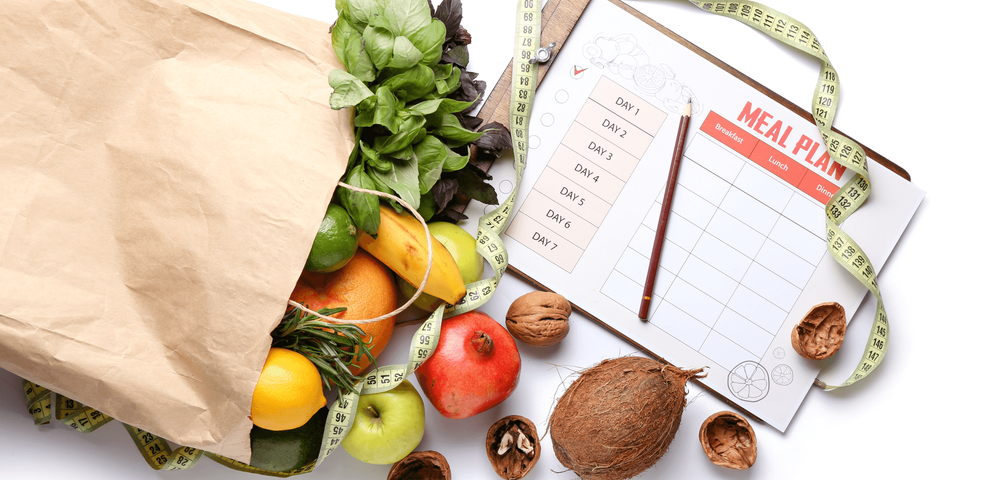
In the world of modern meal planning, what started as simple recipe databases has evolved into sophisticated platforms that understand your metabolism, adapt to your preferences, and even predict which meals you'll actually stick with. The leaders in this space aren't just digitizing cookbooks, they're building intelligent systems that learn from millions of data points to deliver genuinely personalized nutrition guidance.
This transformation creates unprecedented opportunities for anyone serious about their health. Whether you're managing a specific condition, optimizing athletic performance, or simply trying to eat better while juggling a busy schedule, the right meal planning app turns overwhelming nutrition science into actionable daily choices.
What Is Meal Planning?
Meal planning apps are digital platforms that create customized meal schedules, generate shopping lists, and provide nutritional guidance based on your personal health goals and dietary preferences. At their best, they're AI-powered nutrition coaches that adapt recommendations based on your progress, preferences, and real-world adherence patterns.
When meal planning graduates from a simple feature to a category-defining tool depends on sophistication. Basic apps offer recipe collections and generic meal suggestions. True meal planning platforms leverage behavioral data, nutritional science, and machine learning to deliver personalized recommendations that evolve with your journey. The difference lies in whether the app simply shows you meals or actively helps you succeed with intelligent, adaptive guidance.
Key trends reshaping the meal planning space:
- Metabolic Personalization: Apps now use biomarker data and response patterns to customize macronutrient ratios and meal timing for individual metabolisms
- Behavioral Intelligence: Machine learning algorithms identify which meal types users actually prepare and enjoy
- Integration Ecosystems: Leading platforms sync with fitness trackers and smart scales to create seamless nutrition workflows
How We Chose the Best Meal Planning Apps
Our evaluation prioritized platforms that demonstrate measurable impact on user outcomes, not just feature lists. Here's what separated the leaders from the pack:
Personalization Depth: We looked for apps using actual user data and nutritional science, not just basic preference questionnaires. True personalization means the app learns from your choices and adapts recommendations accordingly.
Scientific Validity: Platforms needed evidence-based approaches backed by registered dietitians or nutritionists. We eliminated apps making unrealistic claims or promoting fad diets.
Practical Integration: The best tools fit seamlessly into real life. We prioritized apps with smart grocery lists and that support connectivity across multiple fitness trackers to pull as much data as possible.
Progress Tracking: Beyond basic weight logging, we looked for comprehensive progress monitoring including energy levels, satisfaction scores, and biomarker integration where available.
Value Proposition: We considered not just subscription costs but total impact on grocery spending, health outcomes, and time saved.
The 6 Best Meal Planning Apps in 2025
1. Fitia
Quick Overview
Fitia stands apart as one of the few platforms that successfully integrate meal planning with full nutrition tracking. Unlike generic meal planners that serve the same recipes to everyone, Fitia’s recommendation engine analyzes your lifestyle patterns, food preferences and progress to create truly individualized nutrition plans. Its standout feature is Fitia Coach, a 24/7 in app AI coach that acts as your pocket nutritionist while guiding you through any app or fitness related question.
Best For
People seeking personalized nutrition guidance who want detailed calorie and macro tracking to reach a specific fitness goal.
Pros
- Adaptive meal suggestions that evolve based on your progress and preferences
- Comprehensive progress tracking including weight, body fat percentage, sleep, steps, measurements and more
- Seamless grocery list generation with smart substitution options for dietary needs or preferences
- Integration with 15+ fitness trackers through Health Connect and Apple Health
Cons
- Premium subscription required for full meal planning capabilities
Pricing
$19.99 per month or $59.99 per year (Family Plan also available at $89.99)
2. Eat This Much
Quick Overview
Eat This Much automates meal planning entirely, generating complete meal plans that hit your exact calorie and macro targets. The app's strength lies in removing decision fatigue from nutrition planning.
Best For
People who want completely automated meal planning without daily decisions
Pros
- Fully automated meal generation based on nutritional targets
- Adjustable portion sizes to meet exact macro requirements
- Multiple diet-type support, including vegetarian, vegan, and paleo
- Offers meal planning services for professionals
Cons
- Automated suggestions sometimes create odd meal combinations
Pricing
$14.99/month or $84.99/year
3. Mealime
Quick Overview
Mealime focuses on simplicity with quick, healthy recipes that typically require 30 minutes or less. The app excels at making meal planning approachable for cooking beginners.
Best For
Busy individuals new to meal planning who need simple, quick recipes
Pros
- Recipes designed to be cooked in about 30 minutes or less
- Clean, easy to use interface that feels beginner friendly
- Step by step cooking instructions with a focused “cooking mode”
- Grocery lists auto organized by aisle / store sections
Cons
- Limited tools for setting and tracking precise daily macro targets compared to dedicated macro tracking apps
- Smaller recipe library than some competitors that focus on huge databases
Pricing
Mealime Pro at $2.99/month
4. Yummly
Quick Overview
Yummly combines recipe discovery with meal planning, using taste preferences to recommend meals you'll actually enjoy. The platform's video recipes and technique guides make it excellent for improving cooking skills.
Best For
Home cooks who want to expand their culinary repertoire while meal planning
Pros
- Sophisticated taste preference algorithm for recipe recommendations
- Extensive video content for cooking techniques
- Integration with smart kitchen appliances
Cons
- Weaker nutritional tracking compared to fitness-focused apps
- Meal planning features feel secondary to recipe discovery
Pricing
Yummly Pro is typically around $4.99 per month and roughly $25–40 per year
5. BigOven
Quick Overview
BigOven combines meal planning with recipe organization, allowing users to save and organize recipes from anywhere on the web. Its strength lies in helping you actually use the recipes you've been collecting.
Best For
Recipe collectors who want to organize and plan with their saved recipes
Pros
- Excellent recipe clipper for saving from any website
- Use Up Leftovers feature reduces food waste
- Recipe scaling for different serving sizes
Cons
- Dated interface compared to newer apps
- Advanced nutrition insights are paywalled behind the Pro subscription and are less comprehensive than dedicated nutrition tracking apps.
Pricing
Free basic version; BigOven Pro at $2.99/month or $24.99/year
6. Paprika Recipe Manager
Quick Overview
Paprika excels at recipe organization and meal planning for serious home cooks. While lacking fitness features, it's great for managing extensive recipe collections and planning elaborate meals.
Best For
Passionate home cooks who prioritize recipe organization over nutritional tracking
Pros
- Powerful meal planning calendar with scaling
- Pantry tracking prevents duplicate purchases
- Offline access to all recipes and plans
Cons
- Limited nutrition and health tracking compared to dedicated fitness or macro apps.
- One-time purchase per platform (not universal)
Pricing
One time purchase per platform, typically around $4.99 on iOS and Android and about $29.99 on macOS and Windows.
Summary Table
| Tool | Starting Price | Best For | Notable Features |
|---|---|---|---|
| Fitia | $19.99/month | Personalized meal planning with complete nutrition tracking | Adaptive meal suggestions, smart grocery lists and 24/7 AI coaching |
| Eat This Much | $14.99/month | Automated meal planning | Fully automated planning with targeted macros |
| Mealime | $2.99/month | Quick, simple recipes | 30-minute meals, beginner-friendly |
| Yummly | $4.99/month | Recipe discovery and cooking skills | Video recipes, smart appliance integration |
| BigOven | $2.99/month | Recipe organization | Web clipper, leftover management |
| Paprika | $4.99/ $29.99 one-time | Recipe management | Best organization, offline access |
Make meal planning effortless with Fitia → Start free today
Why Fitia Is Leading the Pack
The meal planning space has reached an inflection point where generic recommendations no longer work. While competitors focus on expanding recipe databases or adding more tracking tools, Fitia recognized the real challenge: creating plans people can actually follow. Its AI powered recommendation system analyzes each user’s preferences, lifestyle patterns and progress to deliver guidance that feels genuinely tailored and practical for everyday use.
What sets Fitia apart is its seamless blend of smart automation and expert backed methodology. Instead of leaving users to guess whether a plan fits their goals, Fitia provides clear nutritional structure, adaptive meal suggestions and continuous in app support through Fitia Coach. This combination of personalization, clarity and real time assistance makes advanced nutrition guidance accessible without the barriers of cost, complexity or generic advice. For anyone serious about improving their nutrition in a sustainable way, Fitia offers a modern, intelligent approach to meal planning.
FAQs
What is a meal planning app?
A meal planning app is a digital platform that creates customized meal schedules, shopping lists, and nutritional guidance based on your health goals and dietary preferences. Modern meal planning apps go beyond simple recipe collections, using data analytics and nutritional science to personalize recommendations. The best platforms learn from your food preferences, track your progress, and adapt suggestions based on what actually works for your lifestyle. They typically include features like automated grocery lists, nutritional tracking, and integration with fitness devices to provide comprehensive nutrition management.
How do I choose the right meal planning tool?
Start by identifying your primary goal: weight management, athletic performance, managing health conditions, or simply eating healthier. Consider your lifestyle factors like cooking skill level, available time, and budget for both the app and groceries. Evaluate whether you need comprehensive nutritional tracking or prefer simpler meal suggestions. Look for apps that accommodate your dietary restrictions and food preferences. Most apps offer free trials, so test 2-3 that match your criteria before committing.
If I'm successful with traditional dieting, should I invest in meal planning apps?
Even successful dieters benefit from meal planning apps by saving time, discovering variety, and optimizing results. These platforms eliminate the mental load of constantly deciding what to eat while ensuring nutritional balance. They can introduce you to new recipes that fit your dietary approach, prevent boredom that leads to diet abandonment, and provide objective tracking of your progress. Apps like Fitia can actually enhance your current success by personalizing recommendations based on what's already working while identifying optimization opportunities you might miss on your own.
How quickly can I see results?
Most users report initial changes within 2-3 weeks, including improved energy levels, better digestion, and reduced cravings. Weight changes typically become noticeable after 4-6 weeks of consistent adherence. Apps with strong personalization like Fitia often accelerate results because recommendations match your metabolism and preferences from the start. However, the most significant indicator of success is adherence rate: platforms that keep you engaged for 3+ months show dramatically better long-term outcomes. The key isn't just rapid initial results but sustainable changes that compound over time.
What's the difference between free and premium app tiers?
Free tiers typically offer basic meal suggestions, limited recipes, and simple tracking features. Premium subscriptions unlock personalization algorithms, comprehensive recipe databases, advanced nutritional analysis, and integration features. The value of premium depends on your commitment level, casual users might find free versions sufficient, while those serious about transformation benefit significantly from premium features.
Related articles
 Fat Loss
Weight Loss Calorie Chart (2026): How Many Calories to Eat by Body Weight, Sex, and Activity
See how many calories to eat to lose weight, with simple charts by body weight and activity, plus why your target changes as you go.
Read article
Best Calorie Counter App for Muscle Gain in the US (2026): 4 Apps Compared for Lifters
The 4 best calorie counter apps for US lifters in 2026, compared on macros, database, adaptation, and meal planning.
Read article
Best Online Nutrition Coach in the US (2026): What to Look For Before You Pay
Online nutrition coaching in the US 2026: three tiers, what the research says, and the red flags to spot before you pay for an app or coach.
Read article