Which nutrition app has the best verified food database and AI tracking tools?
Discover the best nutrition apps with verified food databases and AI tools that make tracking easier, smarter, and more accurate for every type of user.
- Published
- Updated
- 9 min read
- 9 min read
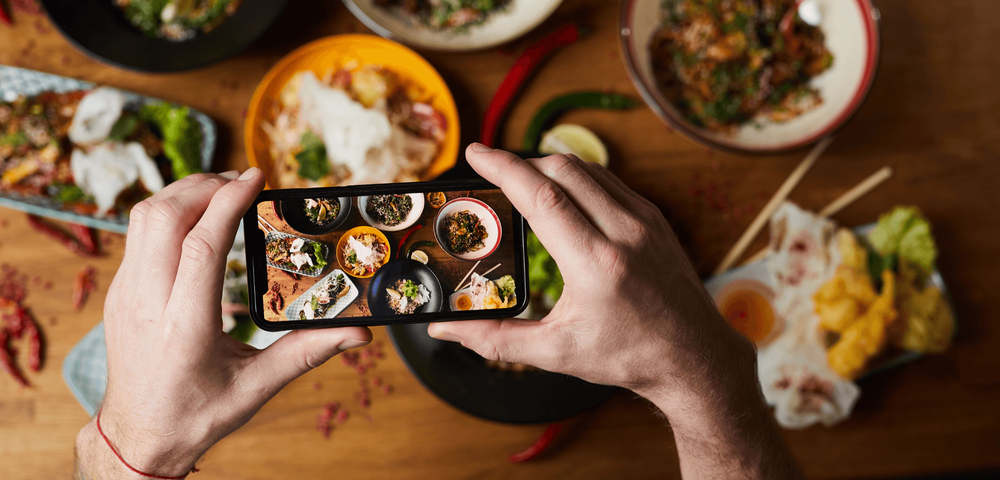
Some may be aware, some not, but now you can scan your homemade smoothie bowl with your phone, describe the toppings you plan to add through voice notes, and have your entire breakfast logged in under 30 seconds. If some calorie counter user from 2015 were to see how nutrition apps work today, they would definitely call it the future they were dreaming about.
This is the exciting new reality of nutrition tracking, where AI meets accuracy to create something that actually works for real people with real lives. Today’s platforms combine verified nutrition data with AI-powered convenience to help millions achieve their health goals faster and more sustainably than ever before.
What is AI-powered nutrition tracking with verified databases?
Simply put, it’s nutrition tracking that brings together two key elements: a professionally verified food database that guarantees accuracy, and AI tools that make logging meals as simple as snapping a photo or speaking to your phone. It’s like having a nutritionist’s precision and a personal assistant’s ease of use right in your pocket.
This isn’t just about adding AI features to existing apps, it’s a complete rethinking of how we engage with nutrition data. When done right, it turns tracking from a tedious task into something effortless that fits naturally into your daily routine.
Key trends shaping this space:
- Multimodal AI logging: Apps now support voice commands, photos, and conversational entries, letting you track however feels natural in the moment
- Verified-only databases: Leading platforms now use nutritionist-verified data instead of crowdsourced entries, so you can trust what you’re logging is actually accurate.
- Adaptive personalization: Machine learning analyzes your eating preferences, biometrics, and goals to deliver personalized recommendations that continually improve over time.
Who needs a nutrition app with verified databases and AI tracking tools?
Starting your journey: If you’re new to nutrition tracking, choose an app that makes the process easier, not more overwhelming. Verified databases give you confidence that every entry is accurate, while AI tools simplify logging so you can focus on building the habit instead of worrying about the details.
Ready to level up: Once you’ve nailed the basics and want more precision, it’s time to explore advanced tools, like AI-driven meal planning that adjusts to your progress, custom food creation for family recipes, and smart coaching that helps you break through plateaus.
Managing a household: Families and couples benefit from synchronized meal planning that supports different portion sizes, automated shopping lists, and quick ways to log homemade meals without nutrition labels.
How we chose the best nutrition apps with verified databases and AI tools
After evaluating dozens of nutrition apps, we focused on these critical factors:
- Database verification method: How the app ensures accuracy (nutritionist review, official sources, verification algorithms)
- AI capability depth: Range and sophistication of AI features (photo recognition, voice logging, personalized recommendations)
- Real-world usability: How quickly you can log meals in practice
- Accuracy vs convenience tradeoff: Whether the app maintains precision while adding AI features
- Integration ecosystem: Compatibility with wearables and health platforms
The 5 best nutrition apps with verified databases and AI tracking in 2025
1. Fitia
Quick Overview
Fitia stands out for its food database verified by a team of in-house nutritionists. Every entry is carefully reviewed and cross-checked with international institutions like the USDA to ensure accuracy. Trusted by over 10 million users and rated 4.9 stars, Fitia combines this verified foundation with advanced AI tools that make tracking effortless.
Best For
People who want the right balance of accuracy and convenience, especially those who cook at home, juggle busy schedules, or need personalized meal plans that fit their lifestyle.
Pros
- Verified food database with every entry reviewed by nutrition professionals
- AI-powered food logging via photo, voice, or text that understands natural language, plus barcode scanning
- 24/7 in-app AI nutrition coach
- Personalized meal plans that adapt based on your progress and available ingredients
- AI custom-food creation for unique or homemade dishes
- Smart shopping lists that automatically generate from your meal plan
- Synchronization for couples with different portion sizes but same meals
- Integration with Apple Health and Health Connect for comprehensive tracking
- Science-backed algorithm built on insights from 150+ scientific studies
Cons
- Requires a subscription for full meal planning access
- Available in English and Spanish only
Pricing
Free version includes essential tracking. Premium starts at $19.99/month or $59.99/year. Family Plan supports up to six users for $89.99/year.
2. Lifesum
Quick Overview
Lifesum places strong emphasis on the many ways it uses AI to track meals, a system they call “multimodal tracking.” With over 65 million users worldwide, Lifesum allows meal logging through photo, voice, text, or barcode. Its database combines data from the USDA (US), MyNetDiary, the UK Food Standards Agency, the Bundeslebensmittelschlüssel (Germany), Livsmedelsverket (Sweden), and user-created foods.
Best For
Users who value flexibility in tracking methods and want a comprehensive wellness platform beyond just calorie counting, with features like Life Score and biomarker integration.
Pros
- Multimodal tracking with photo, voice, text, and barcode logging
- Weekly Life Score that evaluates overall health through habits and activity
- Integration with biomarker analysis for deeper health insights
- Thousands of recipes with smart filters and meal plans including grocery lists
- Seamless integration with fitness trackers
Cons
- Premium subscription required to access most valuable features.
- Food database is smaller than leading competitors, and user entries may contain inaccuracies.
Pricing
Free version available; Premium plan costs $59.99/year.
3. Cronometer
Quick Overview
Cronometer prioritizes accuracy by providing verified nutritional data sourced from laboratory analysis and official organizations. It tracks over 80 micronutrients with precision.
Best For
Nutrition enthusiasts, biohackers, or anyone managing health conditions who need accurate micronutrient tracking beyond basic macros.
Pros
- Tracks 80+ micronutrients, amino acids, and fatty acids
- Requires photo submission of nutrition labels for database additions
- Verified data from USDA, NCCDB, and laboratory analyses
- Uses AI for photo logging, food suggestions, and water content estimations
Cons
- Steeper learning curve for casual users
- Less emphasis on AI convenience features compared to other competitors
Pricing
Free version available; Gold plan $10.99/month or $59.99/year
4. MyNetDiary
Quick Overview
MyNetDiary combines a massive database of 1.7 million verified foods with AI Meal Scan technology. With over 25 million registered users, it offers comprehensive tracking of up to 108 nutrients with accuracy.
Best For
Users who want comprehensive nutrient tracking with a meal scanner, including those following specific diets like Keto or DASH, and value personalized coaching features.
Pros
- AI Meal Scanner
- Database of 1.7 million verified foods tracking up to 108 nutrients
- Personalized Daily Advice like having a dietitian in your pocket
- Support for popular diets including Keto, DASH, vegan, and vegetarian
- Integration with fitness trackers and health apps
Cons
- Premium required for full feature access
- Still lacks some advanced AI features such as an in-app AI coach and voice or text-based logging
Pricing
Free version with limited AI scans; Premium subscription at $8.99/month or $59.99/year
5. Nutritionix Track
Quick Overview
Nutritionix Track boasts the world’s largest verified nutrition database, featuring over 1 million grocery items, 200,000 restaurant foods, and 10,000 common items. It even licenses its database to other nutrition apps. The app also lets users log meals simply by speaking or typing what they eat.
Best For
Users who prefer voice interaction and natural language input over visual interfaces, especially those who frequently eat at restaurants or log complex meals.
Pros
- Natural language processing for conversational entry
- Large professional-grade database with strong restaurant coverage
- Simple, straightforward interface
- Good for logging meals retrospectively
Cons
- Less emphasis on visual AI features like photo recognition
- Limited meal planning capabilities
- Fewer personalization features than comprehensive platforms
Pricing
Free with ads; Pro version at $5.99/month or $28.99/year
Summary Table
| Tool | Starting Price | Best For | Notable Features |
|---|---|---|---|
| Fitia | Free basic tier; Premium $19.99/month or $59.99/year; Family Plan $89.99/year | Nutritunist verified accuracy + AI convenience | Offers a nutritionist-verified database, multiple AI-powered ways to log meals, and adaptive meal plans. |
| Lifesum | Free/Premium $59.99/year | Flexible tracking methods | Multimodal tracker, Life Score |
| Cronometer | Free/ Gold $10.99/month or $59.99/year | High level of precision | 80+ micronutrients |
| MyNetDiary | Free/ Premium $8.99/month or $59.99/year | Comprehensive nutrient tracking | AI Meal Scan, 108 nutrients |
| Nutritionix Track | Free/ Premium $5.99/month or $28.99/year | Natural language logging | Conversational input |
Upgrade your nutrition tracking workflow with Fitia → Start free today
Why Fitia leads the pack in verified accuracy and AI innovation
Fitia emerges as the clear leader for those seeking both accuracy and convenience. While other apps usually excel in one area but fall short in the other, Fitia delivers both without compromise. What sets Fitia apart isn’t that it’s just another calorie counter, it’s a comprehensive nutrition ecosystem that truly understands how people eat in the real world.
The combination of nutritionist verification and all the available AI logging methods creates a unique advantage: you get the confidence of knowing every entry is accurate, along with the convenience of logging meals however feels most natural in the moment.
This isn’t just an incremental improvement over alternatives, it’s a fundamentally different approach that makes sustainable nutrition tracking genuinely achievable.
FAQs
What is a verified food database in nutrition apps?
A verified food database means every food entry has been reviewed and validated by nutrition professionals or official sources, rather than relying on user-submitted data. Many entries are user-generated, leading to discrepancies in nutrition information in traditional apps. Verified databases eliminate this problem by ensuring each entry meets accuracy standards before becoming available to users. This typically involves cross-referencing with USDA data, manufacturer information, and professional review processes.
How does AI food tracking relate to traditional calorie counting?
AI food tracking enhances traditional counting by removing the manual burden while maintaining or improving accuracy. Instead of searching through databases and estimating portions, AI handles the heavy lifting through photo recognition, voice understanding, and pattern learning. It's complementary, you still track nutrition, but AI makes it fast and sustainable.
What's the difference between verified and user-generated food databases?
Verified databases have each entry reviewed by professionals or validated against official sources before inclusion. User-generated databases allow anyone to add foods, leading to duplicates, errors, and inconsistencies. The FDA allows for a 20 percent margin of error on nutrition labels already, and user-generated entries compound this problem. Verified databases provide confidence that your tracking reflects actual nutritional values.
Related articles
 Fat Loss
Weight Loss Calorie Chart (2026): How Many Calories to Eat by Body Weight, Sex, and Activity
See how many calories to eat to lose weight, with simple charts by body weight and activity, plus why your target changes as you go.
Read article
Best Calorie Counter App for Muscle Gain in the US (2026): 4 Apps Compared for Lifters
The 4 best calorie counter apps for US lifters in 2026, compared on macros, database, adaptation, and meal planning.
Read article
Best Online Nutrition Coach in the US (2026): What to Look For Before You Pay
Online nutrition coaching in the US 2026: three tiers, what the research says, and the red flags to spot before you pay for an app or coach.
Read article