Top Nutrition Tracker Features for Fast Recipe Ideas That Fit Your Macros
Fitia helps you get quick recipe ideas that match your macros. Create, adjust, and log meals easily while keeping your calories and goals on track.
- Published
- Updated
- 5 min read
- 5 min read
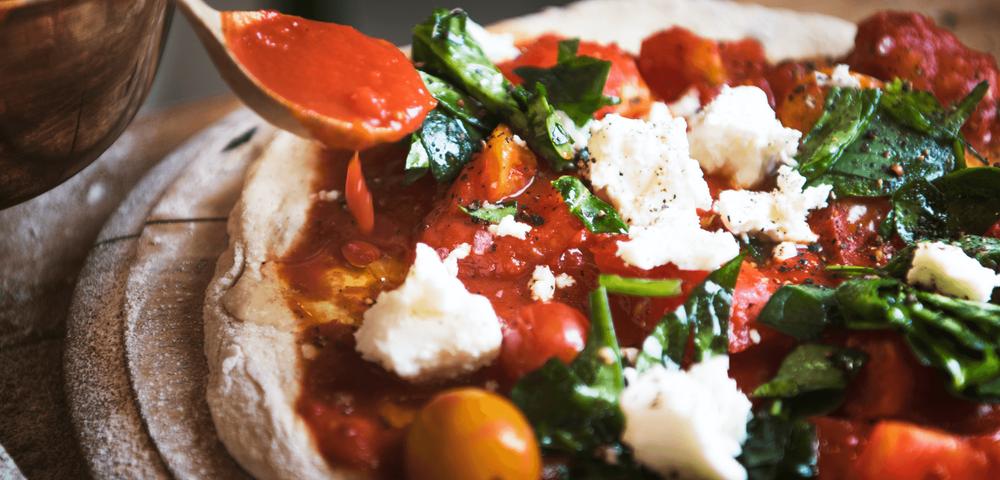
A nutrition tracker with recipe suggestions it's a comprehensive system that learns your preferences, understands your goals, and generates meal ideas that fit perfectly into your remaining macros. Modern apps use validated metabolic equations and adjust based on your activity level, body composition, and goals, with macronutrient distribution optimized for muscle retention, fat loss, or recomposition.
The main distinction lies in how these apps approach recipe generation. Some platforms offer static recipe databases where you search through thousands of options hoping to find something that fits. Others, particularly those enhanced with AI capabilities, can actually generate customized recipes based on ingredients you have on hand, dietary restrictions, and your specific macro targets for the day. Apps like Fitia let users create their own recipes while tracking calories, making it easy to swap recipes, ingredients, or foods without losing sight of their macro goals.
What makes this technology particularly exciting is the shift from reactive to proactive nutrition planning. Instead of logging meals after eating and hoping you hit your targets, you can now plan ahead with confidence, knowing exactly how each meal fits into your daily nutrition puzzle.
Essential Features for Macro-Friendly Recipe Generation
1. Verified Food Databases
The backbone of any reliable nutrition tracker is its food database. Platforms that use verified food databases, where everything is validated by internal algorithms and reviewed by nutrition professionals before being added, provide more reliable results than apps relying on user-generated content that often contains errors. This accuracy becomes crucial when you're trying to dial in specific macro ratios.
When evaluating apps, look for those that combine extensive databases with professional verification. For instance, Fitia's database contains over 1 million foods and 25,000+ recipes, all reviewed by dietitians to ensure accuracy, guaranteeing that calorie and macronutrient tracking is as precise as possible.
2. Intelligent Meal Planning
The best nutrition apps integrate AI-powered meal planning that calculates optimal calorie and macronutrient intake using scientific formulas, then generates flexible meal plans that adapt to your preferences and available ingredients. This isn't about rigid meal plans that ignore your lifestyle, it's about dynamic suggestions that work with your schedule, cooking skills, and food preferences.
3. Quick Logging Methods for Real-World Use
Time is precious, especially when you're trying to maintain consistent nutrition tracking. Modern apps offer multiple tracking methods including photo recognition, voice commands, barcode scanning, or manual entry for maximum convenience. The faster you can log your meals, the more likely you are to maintain the habit long-term.
4. Recipe Customization
Look for apps that offer multiple customization options. High-quality platforms allow you to choose from various approaches like high-protein, low-carb, keto, low-fat, or balanced distributions based on your dietary preferences. The ability to swap meals, adjust portions, and still maintain your macro targets gives you the flexibility needed for sustainable nutrition habits.
Practical Strategy for Macro-Friendly Meal Preparation
When creating easy-to-track meals, focus on piecing together separate macro components rather than complex casseroles or mixed dishes that are harder to track precisely. Think of your plate as three distinct zones: your protein source, your carbohydrate base, and your fat component for flavor and satiation.
Start your meal planning by selecting your protein first, this is typically the most challenging macro to hit and the most satiating. Grilled chicken breast, lean ground turkey, tofu, or fish provide substantial protein with minimal fat. From there, add your carbohydrate source based on your remaining macros: rice, quinoa, sweet potatoes, or pasta work well for higher carb needs, while cauliflower rice or zucchini noodles fit lower carb requirements.
Advanced Features That Make a Difference
AI-Powered Coaching and Insights
AI nutrition coaches within apps offer personalized, real-time guidance throughout your health journey, helping you make smarter food choices, overcome plateaus, fine-tune your plan, and stay consistent with your goals. These aren't simple chatbots, they're sophisticated systems that understand context, learn from your patterns, and provide actionable advice when you need it most.
Features like recipe analysis are particularly valuable, where the coach can evaluate whether a recipe will keep you satisfied and fit your targets, or generate new recipes based on ingredients you have and specific goals you need to hit. Imagine telling your app you have ground turkey, bell peppers, and 30g of carbs left for dinner, and instantly receiving a perfectly portioned recipe suggestion.
Integration with Other Health Data
Modern nutrition apps sync with platforms like Apple Health or Health Connect to automatically import workouts, activity data, and weight updates, creating a unified view of your nutrition and health data without manual input. This integration helps the app adjust your calorie and macro recommendations based on your actual activity levels, not just estimates.
Making Sustainable Nutrition Choices
The ultimate goal isn't perfect macro tracking, it's developing sustainable nutrition habits that support your long-term health and fitness goals. The right combination of technology and practical strategies makes this journey not just manageable, but enjoyable.
Focus on progress over perfection. Start by tracking protein and calories, then add carbs and fats as you become comfortable. Use recipe suggestions as inspiration rather than rigid rules. Most importantly, choose foods you actually enjoy eating, no tracking system can overcome a diet built on foods you hate.
Remember that macros are a tool for understanding nutrition, not a life sentence of obsessive tracking. Many successful fitness enthusiasts track strictly during specific training phases, then transition to intuitive eating informed by their tracking experience. The knowledge you gain about portion sizes, nutrient density, and balanced meals stays with you long after you stop logging every bite.
The transformation in nutrition technology isn't just about counting calories more efficiently, it's about making optimal nutrition accessible and achievable for everyone. With the right tools and strategies, hitting your macros while enjoying delicious, varied meals isn't just possible, it's surprisingly simple.
Let Fitia do the hard work so you can focus on enjoying your nutrition — download it now.
Related articles
 Fat Loss
Weight Loss Calorie Chart (2026): How Many Calories to Eat by Body Weight, Sex, and Activity
See how many calories to eat to lose weight, with simple charts by body weight and activity, plus why your target changes as you go.
Read article
Best Calorie Counter App for Muscle Gain in the US (2026): 4 Apps Compared for Lifters
The 4 best calorie counter apps for US lifters in 2026, compared on macros, database, adaptation, and meal planning.
Read article
Best Online Nutrition Coach in the US (2026): What to Look For Before You Pay
Online nutrition coaching in the US 2026: three tiers, what the research says, and the red flags to spot before you pay for an app or coach.
Read article