7 Benefits of Protein Backed by Science
Learn the best benefits of consuming more protein that will convince you to reach your needs of this nutrient.
- Published
- Updated
- 9 min read
- 9 min read
Health and fitness recommendations often place a lot of emphasis on meeting protein requirements , but do you really know what benefits they bring?
Today, we've compiled 7 of the best benefits of consuming more protein that have been proven by science and will convince you to meet your needs for this nutrient.
What is protein?
Proteins are one of the three macronutrients (as well as fats and carbohydrates), that our body requires daily for energy. Each gram of protein provides approximately 4 calories (kcal).
Moreover, they are molecules made up of amino acids linked by peptide bonds. When we consume them through food, our body processes and breaks them down into amino acids. Then, we begin to use these amino acids for numerous functions.
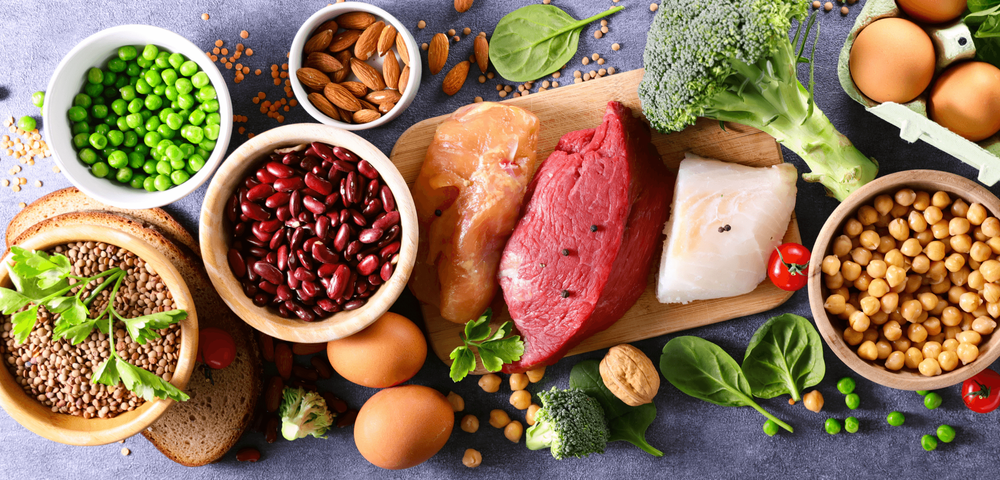
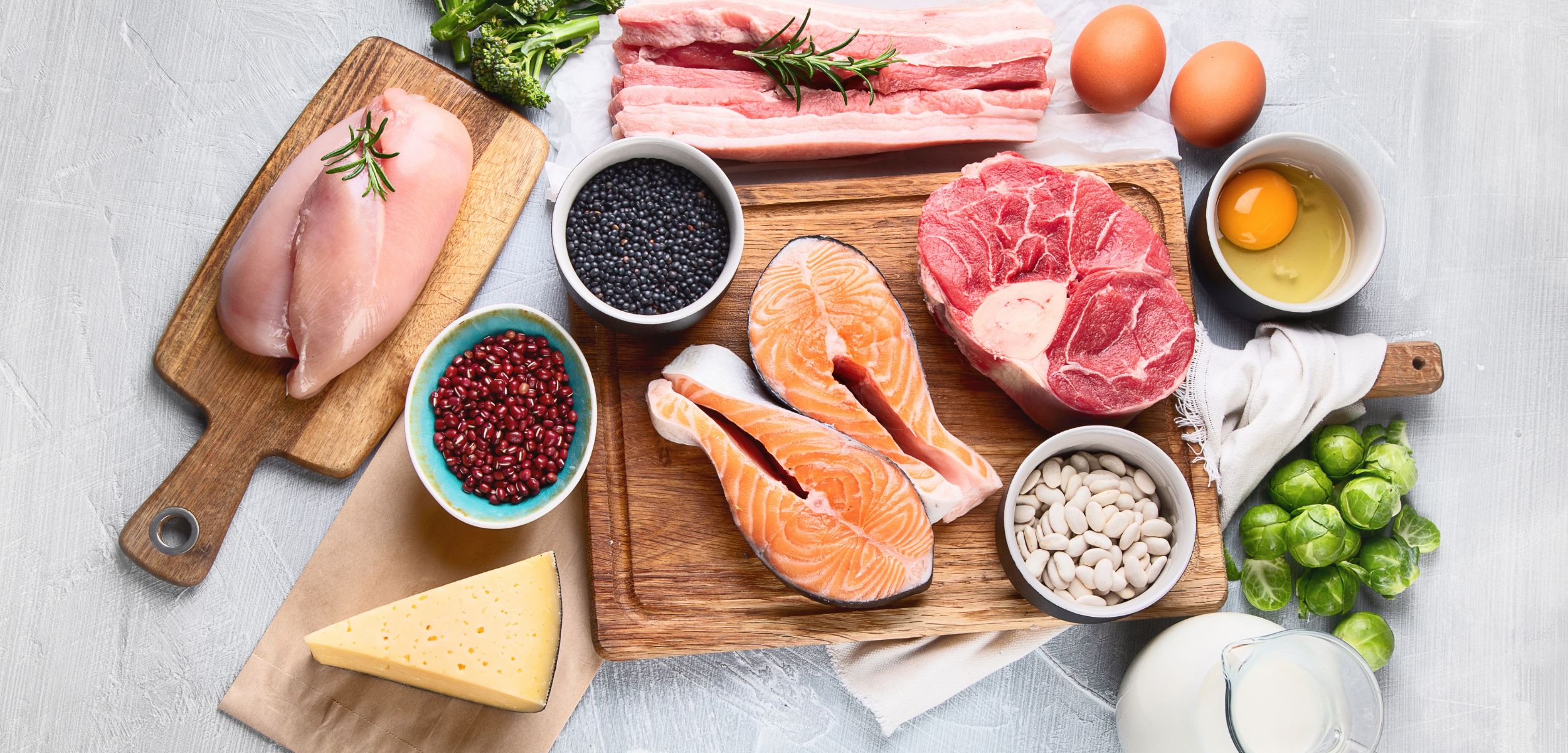
You can find proteins in foods such as meats (chicken, fish, beef, etc.), dairy products (cottage cheese, fresh cheese, milk, yogurt, etc.), legumes (lentils, chickpeas, soy, etc.) and derivatives (tofu, tempeh, textured soy), and to a lesser extent in nuts and seeds.
1. They help you build muscle mass

Muscle is mainly composed of water (75%) and then protein (20%) (1). Therefore, it is not surprising that we need proteins to build them. In fact, proteins are the main material for muscle building.
Let's start from a basic principle. For your muscles to grow, it is essential that you engade strength training, as this will serve as the stimulus to initiate the growth process (2).
However, what would happen if you stimulate growth, but do not have enough material to create more muscle mass? The process will not be effective and most likely your muscle mass will not increase.
The explanation is as follows:
- For muscle growth to occur, the synthesis (creation) of muscle proteins must be greater than their degradation (destruction) (2,3,4).
- Strength training leads to an increase in both degradation and synthesis (2,3,4).
- So, how do we ensure that synthesis exceeds degradation? By having a sufficient intake of proteins (enough availability of amino acids) throughout the day.
That is why the protein requirement in people who perform strength training is higher than in people who are sedentary or who perform other types of activities.
If you want protein to help you build muscle mass, aim to consume between 0.7 - 1 g/lb (1.6 to 2.2 g/kg) grams of protein per pound of body weight per day (we are assuming you are strength training). Evidence shows that this is the right range to maximize muscle mass gain (1,2,5). For example, an 176 Lb (80 kg) would need to consume between 95 to 176 grams of protein each day (128 to 176 g of protein each day).
Having an intake between 0.7 - 1 g/Lb (1.6 to 2.2 g/kg) of protein per pound per day (in conjunction with strength training) will help you increase muscle protein synthesis, an indispensable condition for muscle growth.
2. Controls appetite

A large number of studies have shown that protein is the macronutrient that provides greater satiety (in relation to the amount you need to eat to feel satiated) (6-12).
This is mainly due to 2 reasons:
They regulate the production of hormones that control hunger and satiety.
Proteins and, consequently, the level of amino acids we have in our blood, function as signals that induce or delay the secretion of substances such as cholecystokinin (CCK), glucagon-like peptide type 1 (GLP-1), peptide YY (PYY) and ghrelin. All these substances are responsible for controlling the feeling of satiety in both the short and long term.
Thus, eating meals rich in protein makes us (6,7,8,9):
- We feel satisfied more quickly while eating.
- We feel satiated for longer before we feel hungry again.
They generate a high thermic effect when ingested.
This means that our body will use more energy to process them. As a result, it also uses more oxygen. The decrease in oxygen ultimately leads to a reduction in the sensation of hunger (6,7,10).
As evidence of these effects, one study found that increasing protein intake from 15% to 30% of total calories caused the participants (19 overweight women) to consume 441 kcal less (on average) without intentionally restricting their diet. Inaddition, they reported that the level of satiety increased considerably as the amount of protein increased (11) .
Similarly, another study showed that increasing protein to 25% of total calories reduced cravings by 60% and nighttime appetite (12).
Proteins regulate the production of substances that regulate hunger and satiety. Eating meals rich in protein will help you feel full faster while eating and feel satiated longer.
3. They prevent muscle mass loss

Just as protein will help you build muscle mass, it will also help you retain it over time and in cases where your muscle mass may be at risk. Which cases are we referring to?
Retaining muscle mass in the face of metabolic stress or physical inactivity
When we find ourselves in situations where our protein demands increase, consuming sufficient protein sources will prevent you from degrading your muscles to get the extra protein you need.
This could happen, for example, when we are recovering from trauma, burns, when we are hospitalized, have an infection or suffer from a serious illness.
Retaining muscle mass in periods of caloric deficit
Similarly, when you are in a caloric deficit to lose body fat, your body is taking in less energy than it expends. As a normal response, it will start to break down the protein in your muscles for energy.
So, if you want to prevent the breakdown from being too high and causing you to lose muscle mass, you need to make sure you consume enough protein in your diet.
In this case, we recommend you approach the upper limit of the recommended range. For example, assuming you do strength training for the most optimal caloric deficit, the recommended range of protein intake would be between 0.73-1.0 g/lb of body weight. (1.6-2.2g/kg). Therefore, aiming closer to 1.0 g/lb (2.2g/kg) would be ideal during a deficit period.
Retaining muscle mass for the elderly (older adults)
On the other hand, as we age, our amount of muscle mass naturally begins to decrease (muscle protein breakdown increases).
Increased dietary protein intake (higher than the general recommendation of 0.4 - 0.5 g/lb or 0.8-1g/kg per day) has been found to be associated with positive effects on muscle mass preservation with advancing age.
Infact, some research in older adults shows that increasing protein intake to more than 0.5 - 0.6 g/lb or 1.2 g/kg has beneficial effects on strength, mobility and the amount of muscle mass maintained (13,14) .
Increased protein intake will help prevent muscle loss caused by disease, low energy intake or aging.
4. They can help you burn more calories
The Thermic Effect of Food (TEF) refers to the energy your body uses to digest and process these same foods. That's right, eating also expends energy and accounts for about 10% of our daily energy expenditure (15).
Since nutrients are processed in different ways, some require more energy to digest than others. In this regard, protein is the macronutrient that requires the most energy to be processed.
Evidence suggests that the thermic effect of protein is around 20-35%, i.e., if you consume 100 kcal of protein, your body will use ("burn") between 20-35 kcal to digest it. In contrast, the thermic effect of carbohydrates is around 5-15% and that of fats 0-10% (16).
For evidence of this effect, one study compared energy expenditure when meals were consumed that provided the same amount of energy, but varied in nutrient composition: one diet was high in protein, one high in fat, and one high in carbohydrate.
The results found no difference between the carbohydrate-rich (39.2 kJ/h) and fat-rich (39.2 kJ/h) meals. However, the thermic effect (TEF) was found to be 17% higher for high-protein meals (45.9 kJ/h) (17).
When digesting and processing nutrients, we expend a certain amount of energy (the thermic effect of food). Proteins expend more energy to process than carbohydrates and fats, so a high-protein diet would cause you to expend more energy.
5. Improves bone health and may reduce the risk of osteoporosis.
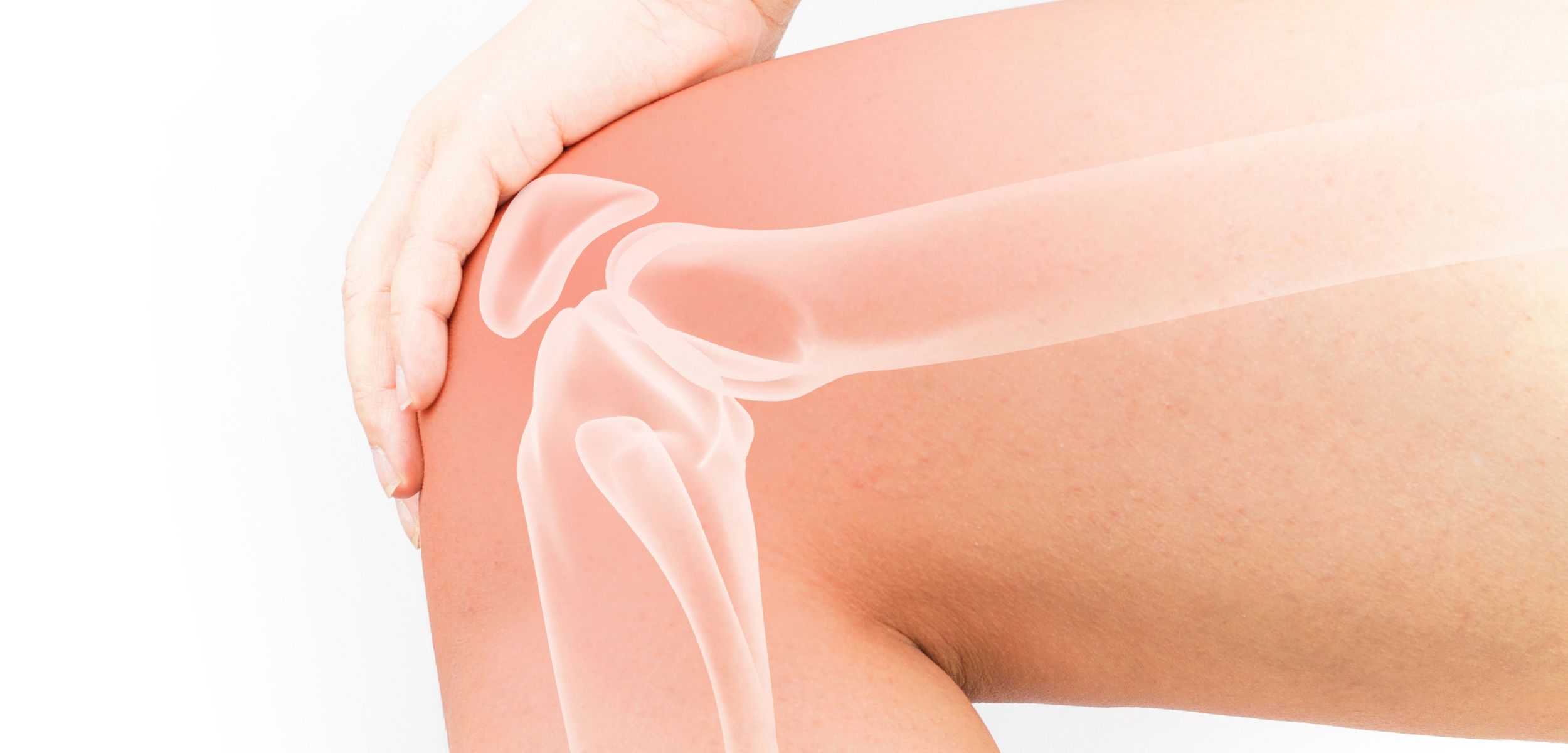
Protein intake is also essential for bone health. Approximately 50% of bone volume and about ⅓ of bone mass are composed of protein. Inaddition to being part of their structure, they also regulate their formation and growth, calcium and phosphorus absorption, etc. (18,19) .
Furthermore, it has been shown that consuming more protein (greater than the recommendations of 0.4 g/lb or 0.8g/kg) has been associated with higher bone mineral density, a lower risk of hip fracture and a slower rate of bone loss (18).
Therefore, to maintain bone health, an adequate amount of protein in the diet is required.
Infact, the European Society for Clinical and Economic Aspects of Osteoporosis and Osteoarthritis (ESCEO) recommends a dietary protein intake of 0.5 g/lb/day (1.0 to 1.2 g/kg), with at least 20 to 25 g of high-quality protein at each main meal (18).
Proteins are part of the bone structure and help with bone formation. Higher protein intake is associated with better bone health, higher bone mineral density and lower risk of fractures.
6. They can help you lose weight and keep it off

Some of the benefits we have seen above bring us to this one. The greater feeling of satiety that protein gives you, the greater energy expenditure it generates and the fact that it helps you gain muscle mass make a higher protein intake ideal when you are looking to lose body fat.
As evidence of these, in one study, 148 overweight or obese participants followed a fat loss plan for 4 weeks. The difference between the groups was that one group had a 20% higher protein intake than the other.
After 3 months, the groups returned for a control and it was observed that the group that had a higher protein intake reduced the "rebound effect" by 50% (20).
By helping you to control your appetite and increase your energy expenditure, a higher protein intake will help you to carry a calorie deficit period more easily.
7. Can speed up the recovery from muscle injuries
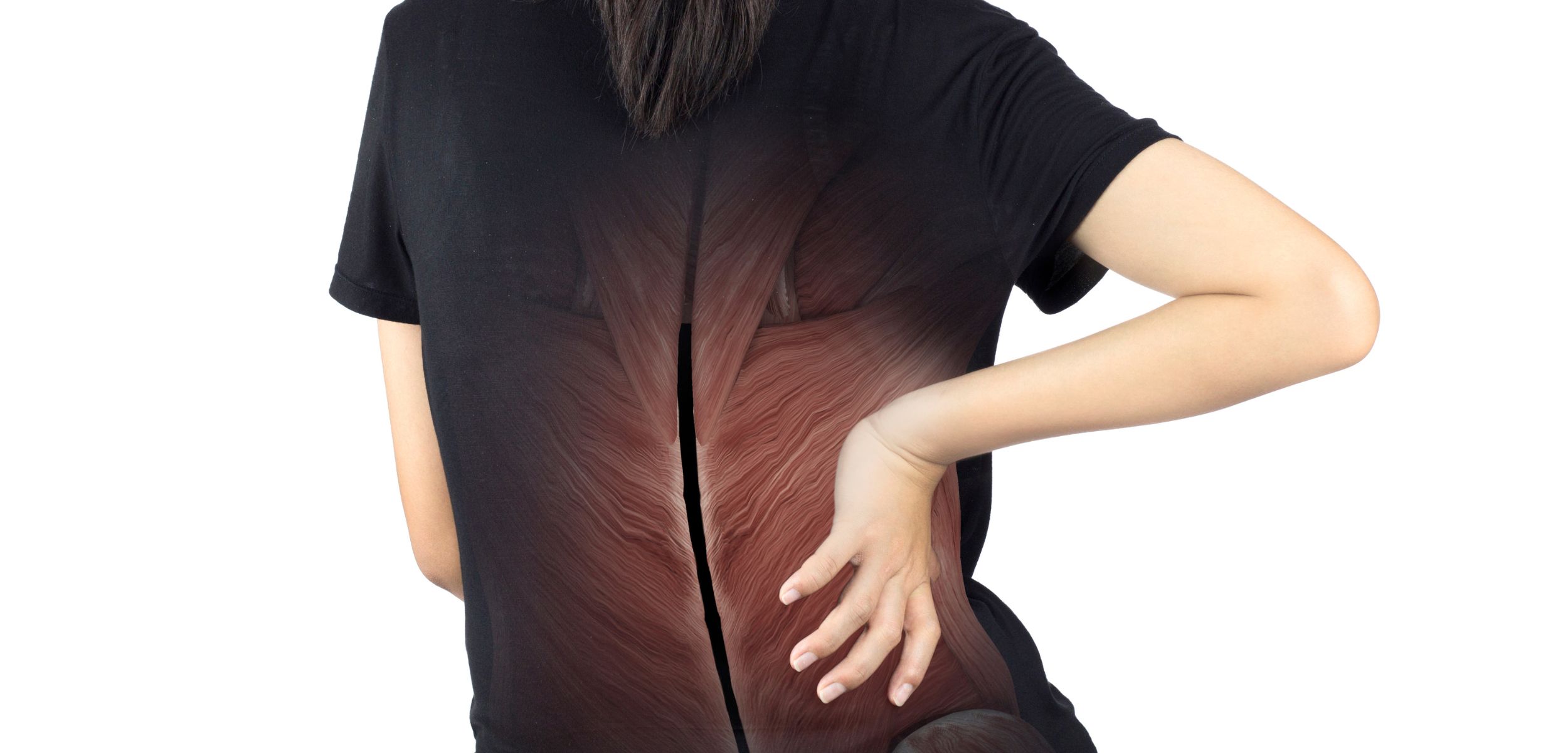
Injuries, like illnesses, cause metabolic stress. Therefore, when an injury is involved, the need for amino acids rises. Therefore,a higher protein intake could help you recover from an injury faster (21).
Several research studies propose that the optimal protein intake during the recovery period from injury should be in the range of 0.7 - 1.1 g/lb/day (1.6 - 2.5 g/kg/day) (21,22).
When you have an injury, your need for protein increases. Consuming between 0.7-1g/lb/day (1.6-2.2 g/kg/day) will help you repair the affected tissues.
References
- Slater, Gary John et al. “Is an Energy Surplus Required to Maximize Skeletal Muscle Hypertrophy Associated With Resistance Training.” Frontiers in nutrition vol. 6 131. 20 Aug. 2019, doi:10.3389/fnut.2019.00131
- Schoenfeld, Brad J. Science and development of muscle hypertrophy. Human Kinetics, 2020.
- Kumar V, Atherton P, Smith K, Rennie MJ. Human muscle protein synthesis and breakdown during and after exercise. J Appl Physiol (1985). 2009 Jun;106(6):2026-39. doi: 10.1152/japplphysiol.91481.2008. Epub 2009 Jan 22. PMID: 19164770.
- Stokes T, Hector AJ, Morton RW, McGlory C, Phillips SM. Recent Perspectives Regarding the Role of Dietary Protein for the Promotion of Muscle Hypertrophy with Resistance Exercise Training. Nutrients. 2018 Feb 7;10(2):180. doi: 10.3390/nu10020180. PMID: 29414855; PMCID: PMC5852756.
- Helms, Eric, Andrea Valdez, and Andy Morgan. "The Muscle and Strength Pyramid." Nutrition (2018).
- MORELL, Pere; FISZMAN, Susana. Revisiting the role of protein-induced satiation and satiety. Food Hydrocolloids, 2017, vol. 68, p. 199-210.
- Halton TL, Hu FB. The effects of high protein diets on thermogenesis, satiety and weight loss: a critical review. J Am Coll Nutr. 2004 Oct;23(5):373-85. doi: 10.1080/07315724.2004.10719381. PMID: 15466943.
- Koliaki C, Kokkinos A, Tentolouris N, Katsilambros N. The effect of ingested macronutrients on postprandial ghrelin response: a critical review of existing literature data. Int J Pept. 2010;2010:710852. doi: 10.1155/2010/710852. Epub 2010 Feb 2. PMID: 20798765; PMCID: PMC2925100.
- Batterham RL, Heffron H, Kapoor S, Chivers JE, Chandarana K, Herzog H, Le Roux CW, Thomas EL, Bell JD, Withers DJ. Critical role for peptide YY in protein-mediated satiation and body-weight regulation. Cell Metab. 2006 Sep;4(3):223-33. doi: 10.1016/j.cmet.2006.08.001. PMID: 16950139.
- Matu J, Gonzalez JT, Ispoglou T, Duckworth L, Deighton K. The effects of hypoxia on hunger perceptions, appetite-related hormone concentrations and energy intake: A systematic review and meta-analysis. Appetite. 2018 Jun 1;125:98-108. doi: 10.1016/j.appet.2018.01.015. Epub 2018 Jan 31. PMID: 29374575.
- Weigle DS, Breen PA, Matthys CC, Callahan HS, Meeuws KE, Burden VR, Purnell JQ. A high-protein diet induces sustained reductions in appetite, ad libitum caloric intake, and body weight despite compensatory changes in diurnal plasma leptin and ghrelin concentrations. Am J Clin Nutr. 2005 Jul;82(1):41-8. doi: 10.1093/ajcn.82.1.41. PMID: 16002798.
- Leidy HJ, Tang M, Armstrong CL, Martin CB, Campbell WW. The effects of consuming frequent, higher protein meals on appetite and satiety during weight loss in overweight/obese men. Obesity (Silver Spring). 2011 Apr;19(4):818-24. doi: 10.1038/oby.2010.203. Epub 2010 Sep 16. PMID: 20847729; PMCID: PMC4564867.
- Rogeri PS, Zanella R Jr, Martins GL, Garcia MDA, Leite G, Lugaresi R, Gasparini SO, Sperandio GA, Ferreira LHB, Souza-Junior TP, Lancha AH Jr. Strategies to Prevent Sarcopenia in the Aging Process: Role of Protein Intake and Exercise. Nutrients. 2021 Dec 23;14(1):52. doi: 10.3390/nu14010052. PMID: 35010928; PMCID: PMC8746908.
- Deutz NE, Bauer JM, Barazzoni R, Biolo G, Boirie Y, Bosy-Westphal A, Cederholm T, Cruz-Jentoft A, Krznariç Z, Nair KS, Singer P, Teta D, Tipton K, Calder PC. Protein intake and exercise for optimal muscle function with aging: recommendations from the ESPEN Expert Group. Clin Nutr. 2014 Dec;33(6):929-36. doi: 10.1016/j.clnu.2014.04.007. Epub 2014 Apr 24. PMID: 24814383; PMCID: PMC4208946.
- Calcagno M, Kahleova H, Alwarith J, Burgess NN, Flores RA, Busta ML, Barnard ND. The Thermic Effect of Food: A Review. J Am Coll Nutr. 2019 Aug;38(6):547-551. doi: 10.1080/07315724.2018.1552544. Epub 2019 Apr 25. PMID: 31021710.
- HALTON, Thomas L.; HU, Frank B. The effects of high protein diets on thermogenesis, satiety and weight loss: a critical review. Journal of the American college of nutrition, 2004, vol. 23, no 5, p. 373-385.
- Raben A, Agerholm-Larsen L, Flint A, Holst JJ, Astrup A. Meals with similar energy densities but rich in protein, fat, carbohydrate, or alcohol have different effects on energy expenditure and substrate metabolism but not on appetite and energy intake. Am J Clin Nutr. 2003 Jan;77(1):91-100. doi: 10.1093/ajcn/77.1.91. PMID: 12499328.
- Muñoz-Garach A, García-Fontana B, Muñoz-Torres M. Nutrients and Dietary Patterns Related to Osteoporosis. Nutrients. 2020 Jul 3;12(7):1986. doi: 10.3390/nu12071986. PMID: 32635394; PMCID: PMC7400143.
- Rizzoli R, Biver E, Brennan-Speranza TC. Nutritional intake and bone health. Lancet Diabetes Endocrinol. 2021 Sep;9(9):606-621. doi: 10.1016/S2213-8587(21)00119-4. Epub 2021 Jul 6. PMID: 34242583.
- Westerterp-Plantenga MS, Lejeune MP, Nijs I, van Ooijen M, Kovacs EM. High protein intake sustains weight maintenance after body weight loss in humans. Int J Obes Relat Metab Disord. 2004 Jan;28(1):57-64. doi: 10.1038/sj.ijo.0802461. PMID: 14710168.
- Smith-Ryan AE, Hirsch KR, Saylor HE, Gould LM, Blue MNM. Nutritional Considerations and Strategies to Facilitate Injury Recovery and Rehabilitation. J Athl Train. 2020 Sep 1;55(9):918-930. doi: 10.4085/1062-6050-550-19. PMID: 32991705; PMCID: PMC7534941.
- Papadopoulou SK. Rehabilitation Nutrition for Injury Recovery of Athletes: The Role of Macronutrient Intake. Nutrients. 2020 Aug 14;12(8):2449. doi: 10.3390/nu12082449. PMID: 32824034; PMCID: PMC7468744.
Related articles
 Foods
FoodsTop 5 Low Calorie Cheeses Your Nutrition Tracker Will Approve
Discover the best low-calorie cheeses for weight loss, complete with macros, tips, and easy recipes. Find every cheese listed inside Fitia.
Read article Foods
Foods6 Tips for Breaking Your Fast in a Healthy Way
Discover 6 tips to break your fast the healthy way. Learn what to eat, what to avoid, and start your day with energy.
Read article Foods
FoodsHow to Weigh Food: Raw or Cooked?
Explore how to weigh raw and cooked foods for an accurate diet according to your fitness goals.
Read article