7 Best Meal Planning Apps with Smart Grocery Lists in the U.S. (2026)
Explore the best meal planning apps with smart grocery lists in the U.S. Learn how they save time, improve nutrition, and simplify weekly planning.
- Published
- Updated
- 12 min read
- 12 min read
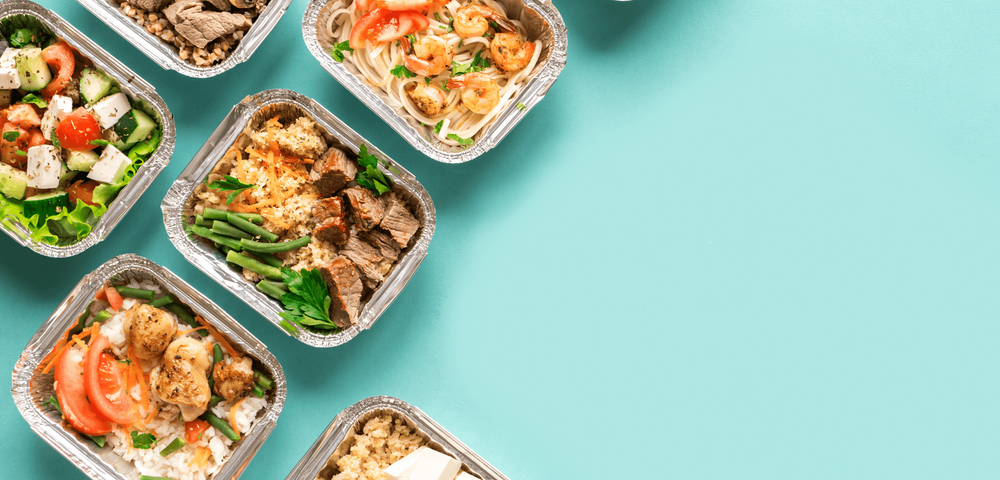
It's Sunday afternoon, and instead of dreading the weekly meal prep marathon, you're actually excited. Your phone just assembled a complete meal plan that knows you're trying to hit 150g of protein daily, remembers you're out of olive oil, and automatically sorted your grocery list by the exact layout of your local market. This isn't some distant future—it's happening right now in millions of American kitchens, where smart meal planning apps are transforming how we approach food, nutrition, and grocery shopping.
The meal planning app market is experiencing explosive growth, with adoption rates jumping 47% in 2025 alone. Early adopters aren't just saving an average of 3 hours per week on meal planning and shopping—they're discovering entirely new ways to optimize their nutrition, reduce food waste by up to 40%, and actually enjoy the process of feeding themselves and their families. These tools aren't replacing traditional meal planning; they're supercharging it with capabilities we couldn't have imagined just a few years ago.
What makes 2026 particularly exciting is the convergence of several technologies: AI-powered recipe recommendations that actually learn your tastes, smart grocery lists that communicate with delivery services in real-time, and nutrition tracking that seamlessly integrates with your fitness goals.
You don't need to be tech-savvy to take advantage of these innovations. Today's leading apps are designed for real people with real schedules, whether you're a busy parent juggling soccer practice or a fitness enthusiast fine-tuning your macros.
What Is a Smart Meal Planning App?
A smart meal planning app is software that combines recipe management, nutritional planning, and automated grocery list generation with intelligent features like pantry tracking, automatic quantity aggregation, and store-specific list organization. Unlike basic recipe apps, these tools create comprehensive meal plans based on your dietary preferences, nutritional goals, and available time, then translate those plans into optimized shopping lists that know what you already have and how your local stores are organized.
When we talk about "smart" grocery lists in 2026, we're describing something fundamentally different from a digital notepad. A basic meal planner might give you recipes and a shopping list—that's just a feature. But category-defining smart meal planning apps are complete ecosystems that understand context, they can even suggest substitutions when your preferred ingredients aren't available.
The space is being shaped by three major trends that ensure technical accuracy in how these systems actually work:
- Semantic Recipe Understanding: Modern apps use embedding similarity and natural language processing to understand that "grilled chicken breast" and "pan-seared chicken cutlets" require the same base ingredient, automatically consolidating your shopping
- Multi-modal Integration: Apps now seamlessly connect with grocery delivery APIs, smart home devices, and fitness trackers to create a unified food management system that adapts to your actual behavior, not just stated preferences
How We Chose the Best Smart Meal Planning Apps
Our selection process focused on finding apps that excel at both meal planning and the increasingly critical smart grocery list features that save time and money. We evaluated each app against seven key criteria that matter most to American users in 2026.
Integration ecosystem topped our list because the best meal planning app in isolation is less valuable than a good one that connects to your existing tools. We prioritized apps that sync with major U.S. grocery chains (Kroger, Safeway, Whole Foods), integrate with fitness trackers, and play nicely with smart home ecosystems. Some apps are comprehensive suites that handle everything from recipe discovery to delivery scheduling, while others are point solutions that do one thing exceptionally well—understanding this distinction is crucial for picking the right tool.
Grocery list intelligence separated the leaders from the pack. We looked for apps that go beyond simple ingredient compilation: automatic categorization by store layout, quantity consolidation across recipes, "already have it" detection, and multi-store list splitting for those who shop sales. The smartest apps even factor in package sizes—knowing that ground beef comes in 1-pound packages and adjusting recipes accordingly.
Nutritional accuracy and flexibility proved essential for long-term success. The best apps balance precision with practicality, offering detailed macro tracking for those who need it while keeping things simple for casual users. We valued apps that could handle everything from keto to plant-based diets without forcing users into rigid frameworks.
Recipe quality and personalization made the difference between apps people try and apps people stick with. We tested how quickly apps learned preferences, how they handled "I hate mushrooms" declarations, and whether their recipe suggestions actually improved over time. The standouts used AI to understand not just what you like, but why—distinguishing between texture issues and flavor preferences.
Family and household features reflected real-world usage. Solo meal preppers have different needs than families of five. We evaluated how apps handled multiple user profiles, picky eaters, portion scaling, and leftover planning. The best family apps treat meal planning as a collaborative process, not a dictatorship.
The 7 Best Smart Meal Planning Apps in 2026
1. Fitia - Best Overall
Quick Overview
Fitia has redefined what meal planning apps can be by combining adaptive AI meal planning with the most sophisticated grocery list intelligence on the market. Unlike apps that simply compile ingredients, Fitia's system understands the relationship between your fitness goals, local food availability, and real-world cooking constraints to create meal plans that people actually follow.
Best For
Fitia excels for health-conscious individuals and families who want to optimize nutrition without sacrificing food enjoyment or convenience. It's particularly powerful for people balancing specific fitness goals with real-world constraints like budget, cooking time, and family preferences. Whether you're training for a marathon, managing diabetes, or just trying to eat better while juggling a demanding career, Fitia's adaptive intelligence makes it feel like having a nutritionist and meal prep coach in your pocket.
Pros
- Personalized Macro Targets: Fitia goes beyond basic tracking by giving you calorie and macro targets tailored to your goal, whether that’s weight gain, fat loss, or maintenance.
- Complete Automatic Meal Planning: Instead of guessing what to eat, Fitia generates meal plans aligned with your calorie surplus or deficit, helping you stay consistent without overthinking.
- Large Verified Food Database: Log with confidence using Fitia’s extensive, verified food database, reducing errors and saving time when tracking meals.
- Fitia Coach Guidance: Fitia Coach helps you stay on track by explaining your targets, suggesting how to adjust your intake, and giving practical guidance based on your progress.
- Flexible Meal Swaps: You can easily swap meals or foods while keeping your daily calorie and macro targets on track.
- Fast Logging Workflow: Saved meals, recent foods, and simple logging make it easier to hit your numbers even on busy days.
- Weekly Progress Insights: Fitia helps you focus on weekly averages instead of daily fluctuations, supporting more sustainable results.
Cons
- Full features require premium
2. Mealime
Quick Overview
Mealime has carved out a devoted following among busy professionals and parents by focusing on one thing: getting healthy, delicious meals on the table in 30 minutes or less. The app's "Simplicity First" philosophy means every recipe uses common ingredients and straightforward techniques that don't require special equipment or advanced cooking skills.
Best For
Time-strapped individuals and families who want to eat healthy but can't spend hours in the kitchen. Perfect for cooking beginners or anyone returning to home cooking after relying on takeout.
Pros
- All recipes completed in 30 minutes or less with minimal prep work
- Ingredient lists rarely exceed 10 items, focusing on accessible ingredients found in any grocery store
- One-tap meal plan creation generates a week of meals in under 60 seconds
- Built-in cooking mode with step-by-step instructions and timers
- Automatic leftover planning for lunch the next day
Cons
- Limited customization for specific macro targets
- Fewer international cuisine options compared to comprehensive apps
3. Eat This Much
Quick Overview
Eat This Much approaches meal planning from a numbers-first perspective, automatically generating meal plans that hit your exact caloric and macro targets. The app is beloved by bodybuilders and fitness enthusiasts who need precision nutrition without the manual calculation hassle.
Best For
Serious fitness enthusiasts, bodybuilders, and anyone following specific macro protocols for athletic or medical reasons.
Pros
- Automatic meal plan generation based on exact macro targets
- Adjusts portions to hit numbers precisely, not just approximate
- Includes restaurant meals with accurate nutrition data
- Barcode scanner for adding custom foods with verified nutrition
- Recurring meal option for consistent favorites
Cons
- Can feel rigid for casual users who don't need exact macro matching
- Recipe variety sometimes sacrificed for nutritional precision
4. MyFitnessPal
Quick Overview
While primarily known for calorie tracking, MyFitnessPal's 2026 meal planning expansion leverages its massive food database to create plans that seamlessly integrate with existing logging habits.
Best For
Current MyFitnessPal users who want to add meal planning, or anyone who prioritizes precise calorie tracking alongside meal prep.
Pros
- Seamless integration with existing food diary and exercise tracking
- Smart grocery lists pull from your frequently logged foods
- Recipe importer analyzes any URL for accurate nutrition
- Syncs with 50+ fitness apps and devices
Cons
- Meal planning features require premium subscription
- Interface can feel cluttered with so many features
5. Noom
Quick Overview
Noom takes a psychology-first approach to meal planning, using cognitive behavioral techniques to build sustainable eating habits rather than just providing recipes. The app's color-coded food system and daily lessons make it feel more like a nutrition course than a meal planner.
Best For
People looking to change their relationship with food, not just their meal schedule. Ideal for those who've tried other approaches without lasting success.
Pros
- Daily psychology-based lessons build lasting habit change
- Color-coded system makes healthy choices intuitive
- Personal coaching available for accountability
- Gradual approach prevents overwhelming changes
- Strong community support features
Cons
- More expensive than pure meal planning apps
- Requires daily engagement for best results
6. Lifesum
Quick Overview
Lifesum brings beautiful design and visual feedback to meal planning, making nutrition tracking feel less like homework and more like a game. The app's "Life Score" gamifies healthy eating while its visual meal diary makes patterns instantly obvious.
Best For
Visual learners who respond better to graphics than numbers, and anyone who finds traditional nutrition apps boring or clinical.
Pros
- Stunning visual design makes tracking enjoyable
- Photo-based food diary creates visual accountability
- Simple rating system for meals reduces decision fatigue
- Integrates with Apple Health and Google Fit
- Water tracking with smart reminders
Cons
- Less detailed macro tracking than specialized apps
- Some visual features can feel gimmicky for data-driven users
7. eMeals
Quick Overview
eMeals stands out in the crowded meal planning space by offering the widest variety of meal plan styles (15+ options) while maintaining seamless integration with major grocery pickup and delivery services. The app's strength lies in its professionally developed recipes that cater to every dietary preference imaginable, from budget-conscious to gourmet, all while maintaining practical shopping lists that work with how Americans actually shop.
Best For
Families who want variety without complexity, busy households that rely on grocery pickup/delivery, and anyone who gets bored eating the same style of food every week. Perfect for mixed households where one person is keto while another is plant-based.
Pros
- 15+ meal plan styles including Clean Eating, Kid Friendly, 30 Minute Meals, and Budget Friendly
- Direct integration with Walmart, Kroger, Amazon Fresh, Instacart, and other major grocery services for one-click ordering
- Professionally developed recipes tested by culinary experts ensure consistent results
- Mix-and-match meal plans let you combine different styles each week
- Optional add-ons for breakfast, lunch, and desserts beyond dinner planning
- Recipes use common ingredients found at mainstream grocery stores
Cons
- Less personalization than AI-driven apps that learn your preferences
- Macro tracking not as detailed as fitness-focused alternatives
Summary Table
| Tool | Best For | Notable Features |
|---|---|---|
| Fitia | Overall nutrition optimization | Fitia Coach, personalized macro targets, smart shopping lists |
| Mealime | Quick weeknight dinners | 30-minute meals, simple ingredients, cooking mode |
| Eat This Much | Precise macro tracking | Automatic meal generation, exact targeting |
| MyFitnessPal | Calorie counting integration | 14M food database, device syncing |
| Noom | Behavior change | Psychology-based approach, coaching |
| Lifesum | Visual learning | Beautiful design, Life Score, photo diary |
| eMeals | Recipe variety & grocery integration | 15+ meal plans, one-click grocery ordering |
Upgrade your meal planning with Fitia. Start free today
Why Fitia Is Leading the Pack
Fitia has emerged as the clear leader in smart meal planning by solving the fundamental problem that plagued earlier apps: the gap between perfect plans and messy reality. While competitors excel in specific niches, Fitia succeeds by being the first app that truly adapts to how people actually live, cook, and shop.
Its technology doesn't just suggest meals; it learns from your choices, understands your constraints, and evolves with your goals. The app's grocery list intelligence alone saves users money through smarter shopping patterns and reduced waste.
But what really sets Fitia apart is its recognition that sustainable nutrition isn't about perfection, it's about progress. By making meal planning feel less like a chore and more like having a knowledgeable friend who knows your tastes, schedule, and goals, Fitia has created the first meal planning app that people genuinely enjoy using long-term.
FAQs
What exactly is a smart meal planning app?
A smart meal planning app goes beyond simple recipe storage to create comprehensive meal strategies based on your nutritional goals, dietary preferences, and lifestyle constraints. These apps use AI and machine learning to understand patterns in your eating habits, automatically generate shopping lists that consolidate ingredients across multiple recipes, and adapt recommendations based on what's in your pantry, what's on sale at your local stores, and how much time you have to cook.
If I'm already successful with traditional meal prep, should I invest in a smart app?
Even experienced meal preppers find value in smart apps, particularly for breaking out of recipe ruts and optimizing nutrition beyond eyeballing portions. If you're spending more than an hour weekly on meal planning, an app can cut that time in half while potentially improving nutritional outcomes.
How quickly can I see results from using a meal planning app?
Most users report immediate time savings from their very first week—typically 2-3 hours saved on planning and shopping combined. Nutritional improvements depend on your starting point and goals, but apps with good macro tracking typically help users hit their targets within 3-5 days of starting.
What's the difference between free and premium app versions?
Free tiers typically provide basic meal planning and simple grocery lists but gate the "smart" features behind premium subscriptions.
Related articles
 Fat Loss
Weight Loss Calorie Chart (2026): How Many Calories to Eat by Body Weight, Sex, and Activity
See how many calories to eat to lose weight, with simple charts by body weight and activity, plus why your target changes as you go.
Read article
Best Calorie Counter App for Muscle Gain in the US (2026): 4 Apps Compared for Lifters
The 4 best calorie counter apps for US lifters in 2026, compared on macros, database, adaptation, and meal planning.
Read article
Best Online Nutrition Coach in the US (2026): What to Look For Before You Pay
Online nutrition coaching in the US 2026: three tiers, what the research says, and the red flags to spot before you pay for an app or coach.
Read article