8 Reasons Excess Sugar is Bad for Your Health
Consuming excessive added sugars is harmful to your health. Learn about its effects.
- Published
- Updated
- 10 min read
- 10 min read
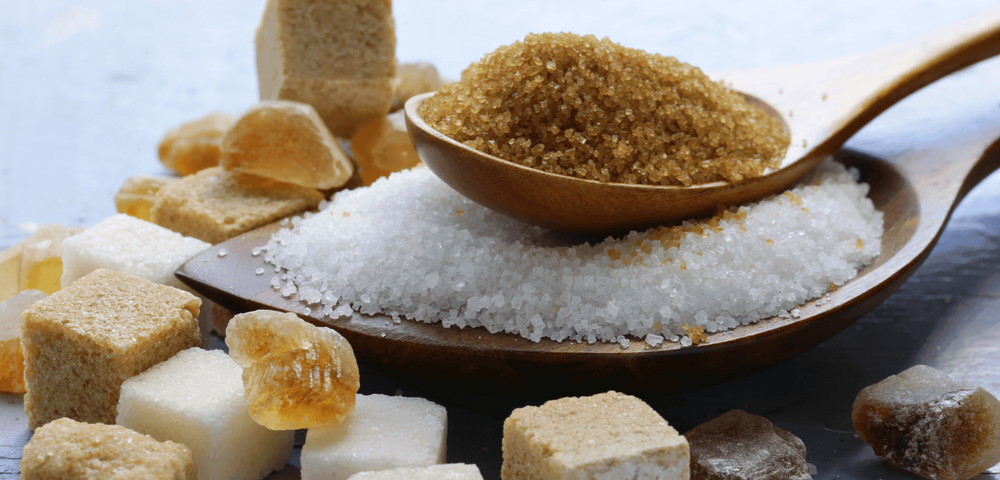
Today, excessive sugar consumption has become a public health concern.
After all, we can find large amounts of added sugars in thousands of products we consume daily. From sugary drinks to processed foods, it’s surprising how much sugar we ingest each day without even being aware of it.
However, behind its sweet taste lie health risks that deserve our attention.
In this article, we’ll explore 8 evidence-based reasons why excess added sugars are harmful to our well-being. From weight gain to the risk of chronic diseases, you'll discover how excessive sugar intake can negatively impact various aspects of our health.
Join us on this journey to understand why it’s crucial to reduce sugar consumption and make more mindful choices in our diet.
💡 With Fitia app, you can find nutritional information for thousands of products and track your intake to see if you’re exceeding the suggested sugar limits. Download it for free here.
What is Added or Free Sugar?
Before we dive into our list, we want to clarify the type of sugars we're referring to in this article: added or free sugars.
What are these sugars? Added or free sugars include sugars that are added to foods during production or by ourselves at home.
These can be found in the form of cane sugar (table sugar), high-fructose corn syrup, molasses, unrefined sugar (such as panela), syrups, or naturally occurring in foods that concentrate large amounts of sugars, like honey or fruit juices (juice = squeezed fruit or extract).
Where Can These Sugars Be Found?
We usually associate these types of sugars with products like desserts, candy, and sodas, as they do contain them.
However, there are many other products that also contain high amounts of sugars which might go unnoticed, such as flavored yogurts, energy bars, sauces like ketchup or BBQ sauce, naturally sweetened soft drinks, and more.
Now that you understand what types of sugars we’re talking about and where to find them, let’s move on to the list of 8 potential health risks from consuming them in excess.
1. It Can Lead to Weight Gain
High intake of added sugars, found in processed foods and sugary drinks, can contribute to weight gain and obesity (1,2,3,4).
This is because sugar and products high in sugars, such as candy, sodas, and more, are often very easy to consume in large quantities and contain a high caloric density.
Additionally, they are usually low in other nutrients like fiber or protein that promote satiety. As a result, it's very easy to consume a large number of calories from these products without feeling significantly full.
As you know, weight gain occurs when your calorie intake exceeds the calories you burn throughout the day. In this regard, consuming excess sugar can easily add extra calories to your day and, consequently, lead to weight gain.
In fact, various systematic reviews and meta-analyses focusing on the effects of sugary beverages have found a strong positive association between sugar consumption levels and weight gain. In other words, higher sugar intake is linked to greater weight gain across different populations (5,6,7).
2. Increases the Risk of Type 2 Diabetes
Similarly, there is extensive and compelling scientific evidence indicating that excessive sugar intake is associated with an increased risk of developing type 2 diabetes mellitus and other related metabolic disorders, such as metabolic syndrome (7,8).
One of the main reasons for this effect is that long-term excess sugar consumption leads to insulin resistance.
When we consume large amounts of sugar, the body becomes less sensitive to the action of insulin (the hormone responsible for regulating blood sugar levels) (9).
This triggers a condition known as insulin resistance. As a result, your pancreas needs to produce more insulin to keep blood sugar levels under control, which eventually damages pancreatic function. At some point, the amount of insulin produced will no longer be sufficient to maintain blood sugar levels (9).
This leads to persistently high blood glucose levels and opens the door to type 2 diabetes mellitus (9,10).
Additionally, as seen in point 1, excess sugar is also related to overweight and obesity, both of which are risk factors for type 2 diabetes mellitus.
This is because excess body fat can interfere with how the body uses insulin and increase insulin resistance.
Moreover, excessive sugar consumption can trigger inflammatory processes and oxidative stress in the body. These factors can damage the pancreatic cells responsible for producing insulin and contribute to the development of type 2 diabetes.
3. Increases the Risk of Heart Disease
Another risk of excessive sugar consumption is that it can impact your heart health and overall cardiovascular system.
Evidence has confirmed that consuming too much sugar, especially through sugary drinks and ultra-processed foods, increases the likelihood of developing heart disease (2,11,12).
One of the most significant factors is the weight gain associated with high sugar intake:
Excessive sugar can contribute to weight gain and obesity, which in turn raises the risk of heart disease. Obesity is linked to high levels of LDL cholesterol (the "bad" cholesterol), elevated triglycerides, and high blood pressure—all factors that can harm your heart (12,13).
In fact, high triglyceride levels increase the risk of plaque buildup in the arteries, which can block blood flow to the heart and lead to a heart attack.
4. Can Increase the Risk of Fatty Liver Disease
When you consume sugars in amounts exceeding what your body needs, they are initially stored as glycogen. However, our glycogen reserves have a limit.
Once these reserves are full and there is still excess sugar available, it begins to be stored as fat.
The liver plays a crucial role in this process, especially when it comes to processing fructose.
As mentioned earlier in the article, one of the most common forms of sugar found in processed products (especially sodas) is high-fructose corn syrup.
This type of sugar is almost entirely processed in the liver, so excess sugars of this kind can lead to fat accumulation in the liver (hepatic steatosis), resulting in fatty liver disease.
In fact, evidence shows that these types of sugars are strongly associated with an increased risk of non-alcoholic fatty liver disease (14,15).
For example, one study found that those with higher consumption of sugary sodas (more than one serving per day) had a 61% higher risk of developing fatty liver compared to those who did not consume sugary sodas (16).
Fatty liver can cause various health problems. It can interfere with the liver's ability to function properly and may lead to more severe liver or even cardiovascular diseases.
Remember that taking care of your liver is essential for your overall health, as the liver plays a vital role in metabolism and detoxification of your body.
5. Deteriorates Oral Health
This point might not surprise you: excessive sugar consumption can negatively impact your oral health—even if you maintain good oral hygiene (17,18,19).
When you consume large amounts of sugar, especially through sugary foods and drinks, it creates an environment conducive to the growth of harmful bacteria in your mouth (affecting your oral microbiota).
These bacteria feed on the sugars in your mouth and produce acids as a byproduct. These acids can damage the tooth enamel, which is the outermost protective layer of your teeth. Over time, this can lead to the formation of dental cavities (17,18,19).
Additionally, excessive sugar intake can contribute to the development of periodontitis or gum disease. Bacteria in your mouth form a sticky film called dental plaque on your teeth and gums. Sugar provides an ideal substrate for these bacteria to grow and multiply, which can lead to inflammation of the gums or periodontitis (20).
In fact, untreated periodontitis (which might not cause significant discomfort) can progress and affect the tissues and bones that support your teeth, potentially leading to tooth loss.
Moreover, evidence shows that there is an interrelation between chronic gum inflammation due to excess sugar and an increased risk of type 2 diabetes, both related to excessive sugar intake (21,22).
While good oral hygiene is a key factor in maintaining oral health, remember that your diet also has a significant impact.
6. Adds Calories Without Nutritional Value
If your sugar intake is very high, it’s likely that your consumption of ultra-processed foods is also high.
These types of foods, which are rich in added sugars, often lack essential nutrients like proteins, healthy fats, vitamins, minerals, fiber, and antioxidants.
They might provide quick energy but do not significantly contribute to a balanced and healthy diet.
So, if you prioritize foods that are high in added sugars and low in important nutrients, you’re likely to fall short on the nutrients you really need, which could lead to deficiencies and various health issues.
At this point, it’s worth noting that maintaining a balanced diet that meets your nutritional needs doesn’t mean you can’t enjoy less nutritious foods like cakes or candy.
However, it does mean that less nutritious foods should play a secondary role in your diet; they shouldn’t make up the majority of what you consume daily.
👉 You might be interested in: 7 Benefits of Protein Backed by Science
7. Can Have a Negative Impact on Mental Health
Some studies suggest that a high-sugar diet may be linked to an increased risk of depression and mood disorders (23,24,25).
While further research is needed, it is currently believed that excessive sugar consumption may affect the production of neurotransmitters, particularly serotonin, which is associated with feelings of happiness and well-being.
8. Can Worsen Acne and Deteriorate Skin Health
Consuming excessive amounts of sugar can negatively impact your skin health and contribute to the development of acne.
When you consume large quantities of sugar frequently, especially refined sugars and processed foods high in sugar, it can cause hormonal changes in your body that may promote acne (26,27).
For example, consistently high insulin levels (as seen with insulin resistance) can stimulate the release of hormones called androgens, which can increase oil production in the skin. Excess oil can clog pores and contribute to acne development and interfere with its treatment (28,29).
Additionally, a range of inflammatory responses can be triggered in the body, including inflammation in the skin. Chronic inflammation can worsen existing acne and hinder the healing of skin lesions (26,28).
Moreover, excessive sugar consumption can compromise overall skin health by damaging collagen and elastin, two key proteins that keep the skin firm and elastic.
Sugar can contribute to the process of glycation, which is the non-enzymatic binding of sugar molecules to proteins like collagen. This can lead to the formation of advanced glycation end products (AGEs), which can damage the structure and function of the skin (30,31).
So, How Much Added or Free Sugar Can You Consume?
The recommendation is to reduce the intake of added or free sugars to less than 10% of your total calorie intake, and ideally, reduce it to less than 5%.
This means that in a 2,000 kcal diet, you should not exceed 25 grams of free sugar per day, which is about 5 to 6 teaspoons.
This recommendation varies depending on your total energy requirements. If you don’t yet know your requirements, you can calculate them for free and automatically with Fitia app. Download it for free here.
However, keep in mind that the official recommendation says "less than," meaning it could ideally be zero, and it’s better if it is.
In reality, the goal is to minimize the consumption of these types of sugars as much as possible.
Ideally, you would get used to the natural taste of foods and not need any sweeteners, but we know this is not the easiest to implement right from the start.
So, if you’re just starting to reduce your sugar intake, we recommend taking gradual steps:
- Start by reducing the number of teaspoons you add to your beverages or choose natural sweeteners like stevia or monk fruit as replacements.
- Opt for sugar-free versions of products like yogurts, sodas, cereals, sauces, etc.
- If you want something sweet, choose fruits or foods that naturally have a sweet taste.
References
- Faruque S, Tong J, Lacmanovic V, Agbonghae C, Minaya DM, Czaja K. The Dose Makes the Poison: Sugar and Obesity in the United States - a Review. Pol J Food Nutr Sci. 2019;69(3):219-233. doi: 10.31883/pjfns/110735. PMID: 31938015; PMCID: PMC6959843.
- Malik VS, Hu FB. The role of sugar-sweetened beverages in the global epidemics of obesity and chronic diseases. Nat Rev Endocrinol. 2022 Apr;18(4):205-218. doi: 10.1038/s41574-021-00627-6. Epub 2022 Jan 21. PMID: 35064240; PMCID: PMC8778490.
- Stanhope KL. Sugar consumption, metabolic disease and obesity: The state of the controversy. Crit Rev Clin Lab Sci. 2016;53(1):52-67. doi: 10.3109/10408363.2015.1084990. Epub 2015 Sep 17. PMID: 26376619; PMCID: PMC4822166.
- Johnson RJ, Sánchez-Lozada LG, Andrews P, Lanaspa MA. Perspective: A Historical and Scientific Perspective of Sugar and Its Relation with Obesity and Diabetes. Adv Nutr. 2017 May 15;8(3):412-422. doi: 10.3945/an.116.014654. PMID: 28507007; PMCID: PMC5421126.
- Malik VS, Pan A, Willett WC, Hu FB. Sugar-sweetened beverages and weight gain in children and adults: a systematic review and meta-analysis. Am J Clin Nutr. 2013 Oct;98(4):1084-102. doi: 10.3945/ajcn.113.058362. Epub 2013 Aug 21. PMID: 23966427; PMCID: PMC3778861.
- Schlesinger S, Neuenschwander M, Schwedhelm C, Hoffmann G, Bechthold A, Boeing H, Schwingshackl L. Food Groups and Risk of Overweight, Obesity, and Weight Gain: A Systematic Review and Dose-Response Meta-Analysis of Prospective Studies. Adv Nutr. 2019 Mar 1;10(2):205-218. doi: 10.1093/advances/nmy092. PMID: 30801613; PMCID: PMC6416048.
- Malik VS, Popkin BM, Bray GA, Després JP, Willett WC, Hu FB. Sugar-sweetened beverages and risk of metabolic syndrome and type 2 diabetes: a meta-analysis. Diabetes Care. 2010 Nov;33(11):2477-83. doi: 10.2337/dc10-1079. Epub 2010 Aug 6. PMID: 20693348; PMCID: PMC2963518.
- Schwingshackl L, Hoffmann G, Lampousi AM, Knüppel S, Iqbal K, Schwedhelm C, Bechthold A, Schlesinger S, Boeing H. Food groups and risk of type 2 diabetes mellitus: a systematic review and meta-analysis of prospective studies. Eur J Epidemiol. 2017 May;32(5):363-375. doi: 10.1007/s10654-017-0246-y. Epub 2017 Apr 10. PMID: 28397016; PMCID: PMC5506108.
- Lebovitz HE. Insulin resistance: definition and consequences. Exp Clin Endocrinol Diabetes. 2001;109 Suppl 2:S135-48. doi: 10.1055/s-2001-18576. PMID: 11460565.
- Ndisang JF, Vannacci A, Rastogi S. Insulin Resistance, Type 1 and Type 2 Diabetes, and Related Complications 2017. J Diabetes Res. 2017;2017:1478294. doi: 10.1155/2017/1478294. Epub 2017 Nov 15. PMID: 29279853; PMCID: PMC5723935.
- Yang B, Glenn AJ, Liu Q, Madsen T, Allison MA, Shikany JM, Manson JE, Chan KHK, Wu WC, Li J, Liu S, Lo K. Added Sugar, Sugar-Sweetened Beverages, and Artificially Sweetened Beverages and Risk of Cardiovascular Disease: Findings from the Women's Health Initiative and a Network Meta-Analysis of Prospective Studies. Nutrients. 2022 Oct 11;14(20):4226. doi: 10.3390/nu14204226. PMID: 36296910; PMCID: PMC9609206.
- Neelakantan N, Park SH, Chen GC, van Dam RM. Sugar-sweetened beverage consumption, weight gain, and risk of type 2 diabetes and cardiovascular diseases in Asia: a systematic review. Nutr Rev. 2021 Dec 8;80(1):50-67. doi: 10.1093/nutrit/nuab010. PMID: 33855443.
- DiNicolantonio JJ, Lucan SC, O'Keefe JH. The Evidence for Saturated Fat and for Sugar Related to Coronary Heart Disease. Prog Cardiovasc Dis. 2016 Mar-Apr;58(5):464-72. doi: 10.1016/j.pcad.2015.11.006. Epub 2015 Nov 14. PMID: 26586275; PMCID: PMC4856550.
- Jensen T, Abdelmalek MF, Sullivan S, Nadeau KJ, Green M, Roncal C, Nakagawa T, Kuwabara M, Sato Y, Kang DH, Tolan DR, Sanchez-Lozada LG, Rosen HR, Lanaspa MA, Diehl AM, Johnson RJ. Fructose and sugar: A major mediator of non-alcoholic fatty liver disease. J Hepatol. 2018 May;68(5):1063-1075. doi: 10.1016/j.jhep.2018.01.019. Epub 2018 Feb 2. PMID: 29408694; PMCID: PMC5893377.
- Muriel P, López-Sánchez P, Ramos-Tovar E. Fructose and the Liver. Int J Mol Sci. 2021 Jun 28;22(13):6969. doi: 10.3390/ijms22136969. PMID: 34203484; PMCID: PMC8267750.
- Ma J, Fox CS, Jacques PF, Speliotes EK, Hoffmann U, Smith CE, Saltzman E, McKeown NM. Sugar-sweetened beverage, diet soda, and fatty liver disease in the Framingham Heart Study cohorts. J Hepatol. 2015 Aug;63(2):462-9. doi: 10.1016/j.jhep.2015.03.032. Epub 2015 Jun 5. PMID: 26055949; PMCID: PMC4827616.
- Feldens CA, Pinheiro LL, Cury JA, Mendonça F, Groisman M, Costa RAH, Pereira HC, Vieira AR. Added Sugar and Oral Health: A Position Paper of the Brazilian Academy of Dentistry. Front Oral Health. 2022 Apr 6;3:869112. doi: 10.3389/froh.2022.869112. PMID: 35464781; PMCID: PMC9020561.
- Gupta P, Gupta N, Pawar AP, Birajdar SS, Natt AS, Singh HP. Role of sugar and sugar substitutes in dental caries: a review. ISRN Dent. 2013 Dec 29;2013:519421. doi: 10.1155/2013/519421. PMID: 24490079; PMCID: PMC3893787.
- Moynihan P, Petersen PE. Diet, nutrition and the prevention of dental diseases. Public Health Nutr. 2004 Feb;7(1A):201-26. doi: 10.1079/phn2003589. PMID: 14972061.
- Kusama T, Nakazawa N, Takeuchi K, Kiuchi S, Osaka K. Free Sugar Intake and Periodontal Diseases: A Systematic Review. Nutrients. 2022 Oct 22;14(21):4444. doi: 10.3390/nu14214444. PMID: 36364708; PMCID: PMC9656760.
- Liccardo D, Cannavo A, Spagnuolo G, Ferrara N, Cittadini A, Rengo C, Rengo G. Periodontal Disease: A Risk Factor for Diabetes and Cardiovascular Disease. Int J Mol Sci. 2019 Mar 20;20(6):1414. doi: 10.3390/ijms20061414. PMID: 30897827; PMCID: PMC6470716.
- Leite RS, Marlow NM, Fernandes JK, Hermayer K. Oral health and type 2 diabetes. Am J Med Sci. 2013 Apr;345(4):271-273. doi: 10.1097/MAJ.0b013e31828bdedf. PMID: 23531957; PMCID: PMC3623289.
- Hu D, Cheng L, Jiang W. Sugar-sweetened beverages consumption and the risk of depression: A meta-analysis of observational studies. J Affect Disord. 2019 Feb 15;245:348-355. doi: 10.1016/j.jad.2018.11.015. Epub 2018 Nov 6. PMID: 30419536.
- Jacques A, Chaaya N, Beecher K, Ali SA, Belmer A, Bartlett S. The impact of sugar consumption on stress driven, emotional and addictive behaviors. Neurosci Biobehav Rev. 2019 Aug;103:178-199. doi: 10.1016/j.neubiorev.2019.05.021. Epub 2019 May 21. PMID: 31125634.
- Knüppel A, Shipley MJ, Llewellyn CH, Brunner EJ. Sugar intake from sweet food and beverages, common mental disorder and depression: prospective findings from the Whitehall II study. Sci Rep. 2017 Jul 27;7(1):6287. doi: 10.1038/s41598-017-05649-7. PMID: 28751637; PMCID: PMC5532289.
- Claudel JP, Auffret N, Leccia MT, Poli F, Dréno B. Acne and nutrition: hypotheses, myths and facts. J Eur Acad Dermatol Venereol. 2018 Oct;32(10):1631-1637. doi: 10.1111/jdv.14998. Epub 2018 May 7. PMID: 29633388.
- Dall'Oglio F, Nasca MR, Fiorentini F, Micali G. Diet and acne: review of the evidence from 2009 to 2020. Int J Dermatol. 2021 Jun;60(6):672-685. doi: 10.1111/ijd.15390. Epub 2021 Jan 18. PMID: 33462816.
- Fiedler F, Stangl GI, Fiedler E, Taube KM. Acne and Nutrition: A Systematic Review. Acta Derm Venereol. 2017 Jan 4;97(1):7-9. doi: 10.2340/00015555-2450. PMID: 27136757.
- Baldwin H, Tan J. Effects of Diet on Acne and Its Response to Treatment. Am J Clin Dermatol. 2021 Jan;22(1):55-65. doi: 10.1007/s40257-020-00542-y. Erratum in: Am J Clin Dermatol. 2020 Dec 26;: PMID: 32748305; PMCID: PMC7847434.
- Aragno M, Mastrocola R. Dietary Sugars and Endogenous Formation of Advanced Glycation Endproducts: Emerging Mechanisms of Disease. Nutrients. 2017 Apr 14;9(4):385. doi: 10.3390/nu9040385. PMID: 28420091; PMCID: PMC5409724.
- Danby FW. Nutrition and aging skin: sugar and glycation. Clin Dermatol. 2010 Jul-Aug;28(4):409-11. doi: 10.1016/j.clindermatol.2010.03.018. PMID: 20620757.
Related articles
 Foods
FoodsTop 5 Low Calorie Cheeses Your Nutrition Tracker Will Approve
Discover the best low-calorie cheeses for weight loss, complete with macros, tips, and easy recipes. Find every cheese listed inside Fitia.
Read article Foods
Foods6 Tips for Breaking Your Fast in a Healthy Way
Discover 6 tips to break your fast the healthy way. Learn what to eat, what to avoid, and start your day with energy.
Read article Foods
FoodsHow to Weigh Food: Raw or Cooked?
Explore how to weigh raw and cooked foods for an accurate diet according to your fitness goals.
Read article