Aug 29, 2025
How to Balance Your Plate to Feel Full Without Overeating
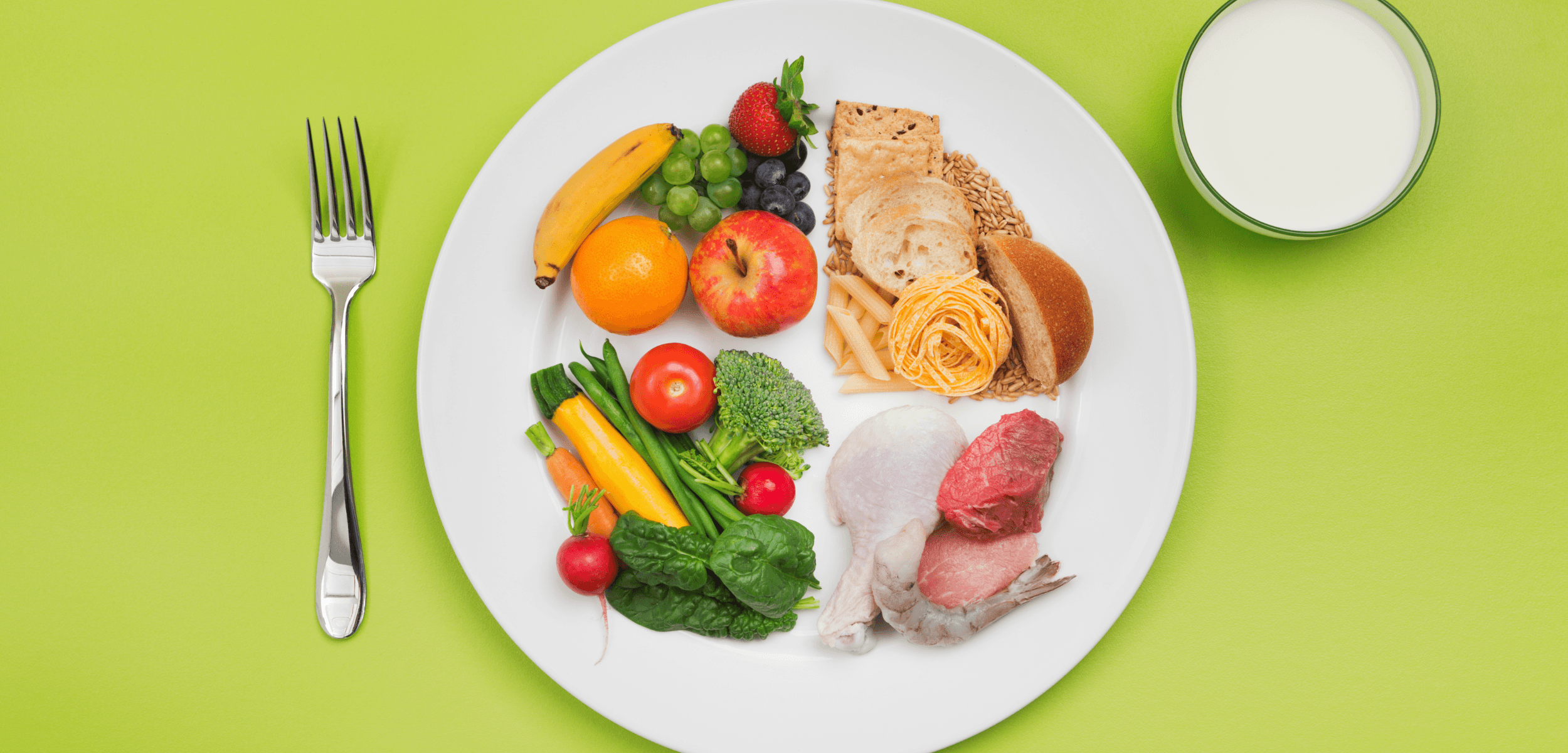
One of the main challenges in healthy eating is finding the right balance: eating enough to feel satisfied while avoiding overeating. A practical solution, backed by research and international guidelines, is the balanced plate method.
This approach, developed by the Harvard T.H. Chan School of Public Health through the Healthy Eating Plate and supported by similar models such as the USDA’s MyPlate, offers a flexible way to control portions, improve satiety and nourish the body without strict dieting. (1)
What Is a Balanced Plate?
The Healthy Eating Plate recommends dividing the plate as follows:
- ½ vegetables and fruits: Rich in fiber, vitamins and water. They add volume without excess calories.
- ¼ whole grains: Brown rice, oats, quinoa or whole-wheat pasta provide long-lasting energy and help regulate blood sugar.
- ¼ lean protein: Fish, eggs, chicken, tofu to support muscle health and prolong fullness.
- Healthy plant oils in moderation: Olive oil, avocado, seeds or nuts improve nutrient absorption and satiety.
- Beverages: Water, tea or coffee are preferred over sugary drinks or juices.
- Lifestyle: Staying physically active is part of a healthy diet.
The Role of Fiber and Protein in Satiety
Fiber and protein are big drivers of fullness. Fiber from vegetables, fruits and legumes slows digestion, takes up space in the stomach and reduces the urge to overeat. Protein, the most satiating macronutrient, regulates hunger hormones and provides steady energy. Combining both in one meal is an effective strategy to stay satisfied.
Fitia supports this process by recommending foods rich in fiber and protein that match your preferences and daily nutritional targets, making satiety-focused eating practical and personalized.
Additional Habits That Support Satiety
Beyond what you eat, how you eat also matters. Here are some strategies:
- Mindful eating: Slow down, chew well and avoid distractions such as screens. This helps the body recognize fullness signals.
- Hydration: Sometimes thirst is mistaken for hunger. Drinking water before and during meals reduces unnecessary snacking.
- Smaller plates: Visual cues influence portion control. Using smaller dishes can prevent overeating without feeling deprived.
- Limit ultra-processed foods: These products are often low in fiber and protein, leading to quick hunger return.
- Cook at home: Controlling ingredients and portions makes balanced eating easier to maintain.
References
References
- Harvard T. H. Chan School of Public Health. (n.d.). Healthy Eating Plate. The Nutrition Source. Retrieved August 31, 2025, from https://nutritionsource.hsph.harvard.edu/healthy-eating-plate/
Fitia: Meal Plans & Calorie Counter
We use cookies to enhance your browsing experience, analyze site traffic, and personalize content. By clicking 'Accept', you consent to the use of these technologies in accordance with our Privacy Policy.