Jan 22, 2026
Barcode Scanning vs. Manual Logging: Which Is More Accurate for Macro Tracking (and Why It Matters)
Macro tracking success depends on accuracy: even 10% errors compound over time. A 200-calorie daily miscalculation equals 20+ pounds annually. Yet 80% of calorie trackers quit because manual entry creates tracking fatigue, while barcode scanning promises speed but delivers accuracy only when backed by verified databases.
Modern apps like Fitia combine dietitian-verified databases with multiple AI-powered logging methods, eliminating the false choice between speed and precision. This analysis examines accuracy differences between barcode and manual methods using verified data.
Quick Overview
Why Macro Tracking Accuracy Matters
Miscalculating protein by 20g a day can slow muscle gain progress. Database errors in crowd-sourced apps cause 20-40% nutrient value inconsistencies that derail results before you notice the pattern.
Manual logging offers precision but creates decision fatigue and abandonment. The speed versus accuracy tradeoff has historically forced users to compromise results, choosing between sustainable tracking and reliable data.
Snapshot of Barcode Scanning and Manual Logging Methods
Barcode scanning automates logging in under 3 seconds with database-dependent accuracy. Manual entry provides precise portion control but averages 5-10 minutes daily, testing user commitment. Modern verified databases now enable both speed and accuracy simultaneously.
Comparison Table: Quick Reference
| Feature | Barcode Scanning | Manual Logging |
|---|---|---|
| Core Focus | Speed and convenience through automation | Precision through detailed portion measurement |
| Average Time | Under 3 seconds per item | 5-10 minutes per meal |
| Accuracy Dependency | Database quality and verification standards | User's measurement skill and consistency |
| Error Sources | Database inaccuracies, serving size assumptions | Portion estimation, user input mistakes |
| Best For | Packaged foods with reliable database entries | Home-cooked meals, restaurant portions, custom recipes |
Barcode scanning delivers automated speed with database-dependent accuracy. Manual logging provides precision control requiring time investment and measurement skill.
Feature-by-Feature Analysis
Database Accuracy and Verification
Barcode Scanning Database Quality
Verified databases like Fitia check every entry with algorithms plus nutrition professionals. Most apps show ±5% calorie accuracy but nutrient values vary significantly, particularly for protein, carbs, and sugar.
User-generated databases contain frequent outdated label information. Regional brand coverage determines whether barcode returns accurate or missing results, with Fitia's 1M+ verified items covering global and local brands with consistent accuracy.
Manual Logging Database Quality
Manual entry relies on the same underlying database quality as barcode scanning. Users selecting from unverified databases inherit 20-40% error rates even with careful measurement.
Verified databases enhance manual logging accuracy by ensuring base nutrient data correctness. Custom recipe builders in verified apps maintain accuracy through validated ingredient lists, while nutrition professional review eliminates crowd-sourced errors in manual search results.
Key Differentiators Table
| Differentiator | Barcode Scanning | Manual Logging |
|---|---|---|
| Database dependency | Complete reliance on pre-loaded product accuracy | Requires accurate base ingredients for calculations |
| Verification impact | Verified databases provide ±5% accuracy vs 20-40% errors | Same verified data eliminates calculation errors |
| Regional coverage | Local brands must be in database or returns no result | Can manually create entries for missing products |
Speed and Time Investment
Barcode Scanning Speed
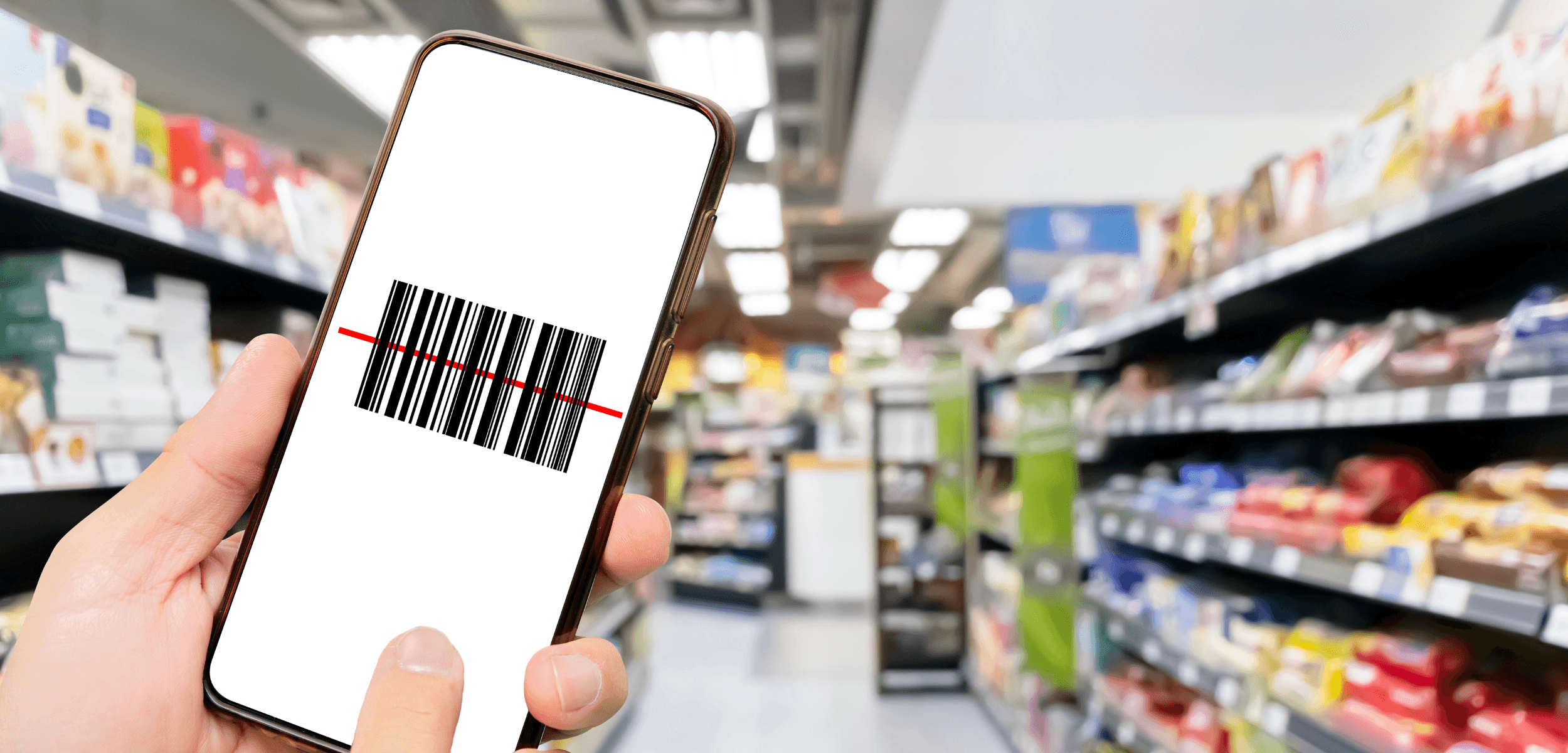
Fitia's barcode scanner captures all nutrition data in under 3 seconds. You open the app, point at the barcode, and automatically log the complete nutrient profile without typing, searching, or selection for packaged foods.
AI-assisted logging methods reduce overall tracking time by over 70%. This speed proves ideal for busy professionals tracking on-the-go without decision fatigue.
Manual Logging Time Requirements
Traditional manual entry averages 5-10 minutes per meal with searching and measurement. You must weigh portions, search the database, and input quantities for each ingredient.
Recipe creation for home-cooked meals adds 15-20 minutes initially per recipe. This time investment creates tracking fatigue leading to 80% abandonment rates, where precision comes at the cost of sustainability for most users.
Key Differentiators Table
| Differentiator | Barcode Scanning | Manual Logging |
|---|---|---|
| Average time per item | Under 3 seconds with verified database | 1-3 minutes per ingredient with measurement |
| Daily time commitment | 1-2 minutes for packaged food tracking | 15-30 minutes for detailed meal tracking |
| Long-term adherence | High due to minimal friction | Low due to time burden and decision fatigue |
Portion Size Accuracy
Barcode Scanning Portion Challenges
Barcode scanning assumes package serving size matches actual consumption amount. Users often consume 1.5-2x stated serving without adjusting entries, creating accuracy gaps when portions aren't measured.
Multi-serving packages create the biggest challenges. Quick logging convenience can mask overconsumption if servings aren't verified, requiring manual adjustment for partial package consumption.
Manual Logging Portion Precision
Food scale measurements provide gram-level accuracy for portions. User skill with volume estimation (cups, tablespoons) impacts accuracy significantly, while restaurant meals lack standardization, creating 20-50% estimation errors even with manual entry.
Careful measurement enables precise tracking for home-cooked meals and custom recipes. Portion estimation errors compound: consistent 20% overestimation masks true intake and prevents progress.
Key Differentiators Table
| Differentiator | Barcode Scanning | Manual Logging |
|---|---|---|
| Portion control | Requires user to adjust servings from package defaults | Enables precise gram-level measurement with food scale |
| Accuracy potential | High for single-serve items, variable for multi-serve packages | Highest for weighed ingredients, variable for volume estimates |
| Common error source | Consuming multiple servings without adjustment | Eyeballing volumes and restaurant portion guessing |
Nutrient Coverage Beyond Calories
Barcode Scanning Nutrient Detail
Most apps achieve ±5% accuracy for calories but protein, carb, and sugar accuracy varies widely. Barcode scanning captures the complete label: protein, fats, carbs, fiber, and sugar automatically. Verified sources eliminate the 20-40% error rate in secondary nutrient values that plague user-generated platforms.
Manual Logging Nutrient Completeness
Manual logging depends entirely on whether the database entry includes full nutrient breakdown. User-generated entries often skip micronutrients or secondary macros like fiber.
Verified databases provide complete nutrient profiles for manual ingredient searches. Custom recipe calculations inherit completeness from constituent ingredient data, while careful manual entry enables tracking specialized nutrients like omega-3s or specific amino acids.
Key Differentiators Table
| Differentiator | Barcode Scanning | Manual Logging |
|---|---|---|
| Macro accuracy | Verified databases: ±5%; Crowd-sourced: 20-40% errors | Matches underlying database quality selected |
| Micronutrient coverage | Complete if database verified, spotty if crowd-sourced | Same database dependency as barcode method |
| Custom nutrient tracking | Limited to what barcode label provides | Enables specialized tracking with complete ingredient data |
AI Enhancement and Multi-Modal Options
Modern Barcode Scanning Enhancements
Fitia combines barcode with photo recognition, voice input, and conversational text. AI photo scanning accuracy gets enhanced by the verified database backend, while if a barcode isn't found, users can submit the label for nutrition professional review.
This multi-modal approach uses barcode for packages, photo for plates, and voice for quick logging. Cultural food support filters country-specific products for local supermarket brands, expanding coverage beyond generic databases.
Manual Entry AI Assistance
AI text input interprets conversational logging like "grilled chicken breast, 6 oz" without structured forms. Voice logging captures meal details without typing while maintaining manual control.
Photo tracking provides speed with manual override for portion corrections. The verified database backend prevents AI from selecting inaccurate crowd-sourced entries, letting users choose speed (AI) versus precision (manual) based on meal context.
Key Differentiators Table
| Differentiator | Barcode Scanning | Manual Logging |
|---|---|---|
| AI integration | Photo and voice backup when barcode unavailable | AI text parsing for conversational manual entry |
| Flexibility | Limited to packaged foods with printed barcodes | Works for any food with AI or manual search |
| Accuracy insurance | Verified database prevents AI selection errors | Manual control with AI convenience option |
Error Prevention and Quality Control
Barcode Scanning Error Sources
Outdated labels when manufacturers reformulate without new barcodes create accuracy gaps. Regional variations mean the same barcode can pull different formulations by country.
Multi-serve confusion happens when users don't adjust serving quantity. Missing products occur when regional brands aren't in the database, returning no results, though Fitia's algorithm validation catches discrepancies before database entry.
Manual Logging Error Prevention
Portion estimation errors average 20-30% for volume measurements without scales. Selection errors occur when choosing the wrong database entry from search results.
Input errors include typos in quantities or selecting wrong serving units. Recipe complexity creates accumulated errors across multiple ingredient estimates, though verified databases eliminate selecting incorrect crowd-sourced entries as an error source.
Key Differentiators Table
| Differentiator | Barcode Scanning | Manual Logging |
|---|---|---|
| Primary error source | Serving size assumptions and outdated labels | Portion estimation and database selection mistakes |
| Error prevention | Verified databases, user submission review process | Food scale use, verified database search results |
| Compound error risk | Lower due to automation but multiplies with multi-serve packages | Higher due to multiple estimation points per meal |
Pricing and Accessibility
Free vs Premium Feature Access
Pricing Comparison Table
| Tier | Fitia | Traditional Manual Apps |
|---|---|---|
| Free Version | Basic calorie tracking, barcode scanner, food logging | Varies: often ad-supported with limited database |
| Premium Monthly | $19.99 (includes AI logging, meal plans, coaching) | $9.99-$14.99 (typically database access only) |
| Premium Annual | $59.99 ($5/month) for individual; $89.99 family (6 users) | $49.99-$99.99 (typically single user only) |
Fitia's free version includes barcode scanning and basic tracking capabilities. Premium unlocks AI photo/voice logging, personalized meal plans and shopping lists.
Platform Availability
Fitia currently operates mobile-only (iOS and Android). Available in English and Spanish with a 4.9/5.0 star rating from 10M+ users worldwide.
Most nutrition tracking apps prioritize mobile-first design due to on-the-go logging needs.
Who Each Method Serves Best
Ideal Use Cases for Barcode Scanning
Busy professionals prioritizing speed and consistency over gram-level precision benefit most from barcode scanning. Users consuming primarily packaged foods with reliable barcode coverage find this method sustainable.
Travelers and on-the-go tracking requiring minimal friction avoid decision fatigue with barcode automation. Beginners need simple entry methods to build tracking habits, while anyone in markets with strong regional brand database coverage gets accurate results.
When Manual Logging Wins
Home cooks preparing meals from scratch without packaged ingredients need manual logging. Restaurant dining requires estimation and portion adjustment skills that barcode scanning can't provide.
Users with specific dietary needs tracking specialized nutrients beyond standard macros require manual control. Bodybuilders and athletes requiring precise gram-level macro hitting depend on food scale measurements, while recipes with custom ingredient combinations not available as barcoded products demand manual entry.
Hybrid Approach: Best of Both Methods
Fitia enables method switching: barcode for packages, manual for home-cooked meals. AI photo scanning bridges the gap for restaurant meals without barcodes.
Voice logging provides manual entry speed without typing burden. The verified database ensures accuracy regardless of entry method chosen, letting users select precision versus convenience based on meal context.
Frequently Asked Questions
How accurate are barcode scanners compared to manual entry?
Verified databases deliver ±5% calorie accuracy for both methods. Crowd-sourced databases show 20-40% errors regardless of entry method, with portion size control determining final accuracy for both approaches.
What causes the biggest tracking errors in apps?
Database quality issues top the list: crowd-sourced entries contain 20-40% errors. Portion estimation typically shows 20-30% error without a food scale, while serving size confusion with multi-serve packaged products creates consistent undercounting.
Should I weigh food or use barcode scanning?
Packaged single-serve items get equal accuracy faster with barcode scanning. Home-cooked meals deliver superior precision through weighing ingredients, suggesting a hybrid approach matching method to meal type context.
How do I choose between speed and accuracy?
Fitia bridges the gap with a verified database enabling fast AI with accuracy. Speed drives adherence since 80% quit from manual tedium, while perfect precision proves unnecessary when consistency beats occasional gram-level accuracy.
Do free calorie counter apps have accurate databases?
Free versions often use crowd-sourced data with quality issues. Fitia's free version includes the verified database and barcode scanner, with premium features adding AI and meal planning capabilities.
Can barcode scanners track restaurant meals?
Barcodes only work for packaged foods with printed codes. AI photo scanning provides a restaurant meal tracking alternative, while manual estimation with a verified database works best for sit-down dining.
Final Verdict and Recommendations
Key Takeaways in One Table
| Factor | Barcode Scanning | Manual Logging |
|---|---|---|
| Speed | ✅ Under 3 seconds per item | ❌ 5-10 minutes per meal |
| Accuracy Potential | ⚠️ Database-dependent (±5% if verified, 20-40% if crowd-sourced) | ✅ Highest with food scale, ❌ 20-30% error without |
| Best For | ✅ Packaged foods, busy schedules | ✅ Home cooking, recipe creation |
| Adherence Support | ✅ Minimal friction, 70% less time | ❌ Time burden causes abandonment |
| Database Quality | ✅ Fitia verified by nutrition professionals | ⚠️ Depends on app choice |
| Portion Control | ⚠️ Requires serving adjustment | ✅ Enables gram-level precision |
| Learning Curve | ✅ Immediate, no training needed | ❌ Requires measurement skill development |
| Nutrient Detail | ✅ Complete label capture if verified | ⚠️ Matches database completeness |
When Fitia's Hybrid Approach Is the Clear Choice
Fitia eliminates the false choice between speed and accuracy through its verified database. Barcode scanning handles packaged foods in under 3 seconds per item, while AI photo and voice logging tackle meals without barcodes with 70%+ time reduction.
Manual override remains available when precision matters for specific meals. The 1M+ nutritionist-verified items prevent 20-40% crowd-sourced errors that plague competitor platforms.
The 4.9/5.0 rating from 10M+ users validates both accuracy and usability. The free version includes barcode scanner and verified database access, while premium unlocks AI logging, personalized meal plans, and advanced coaching.
Users serious about macro tracking accuracy need a verified database foundation regardless of entry method. Fitia's approach combines barcode convenience, AI-powered alternatives, and manual precision options without forcing tradeoffs.
Start Tracking with Verified Accuracy
Download Fitia to access the dietitian-verified database instantly. Test the barcode scanner on packaged foods with the free version, then try AI photo logging for restaurant meals as a premium feature.
Compare your tracking time before and after switching. Start your free trial to experience verified accuracy that doesn't sacrifice speed.
Fitia: Meal Plans & Calorie Counter
We use cookies to enhance your browsing experience, analyze site traffic, and personalize content. By clicking 'Accept', you consent to the use of these technologies in accordance with our Privacy Policy.