What to Eat to Lose Belly Fat: A 2026 Nutrition Guide Backed by Visceral Fat Research
A 2026 guide to what to eat to lose belly fat: the foods, the limits, and the daily plate model, all backed by peer-reviewed visceral fat research.
- Published
- 14 min read
- 14 min read
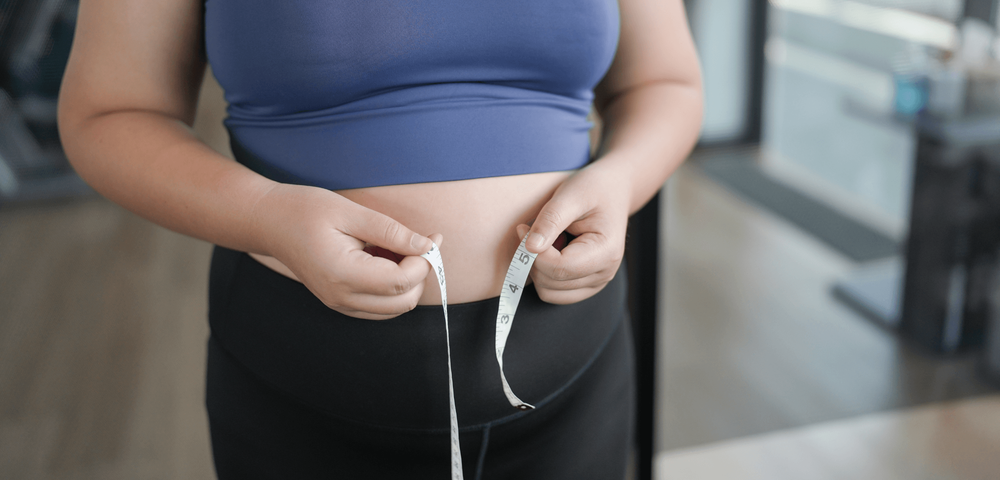
TL;DR: You cannot spot-reduce belly fat, but the kinds of food you eat reliably change how much visceral fat (the dangerous fat around your organs) you carry, independent of total weight loss. Peer-reviewed research consistently shows that diets higher in fiber, lean protein, and unsaturated fats, and lower in added sugars and sugar-sweetened beverages, reduce visceral adipose tissue (VAT) even at the same body weight. This guide breaks down exactly what to eat, what to limit, and how to structure a daily plate that supports abdominal fat loss.
Table of Contents
- Belly Fat Isn't All the Same: Visceral vs. Subcutaneous
- Can You "Spot-Reduce" Belly Fat With Food?
- The Five Food Categories That Actually Help Reduce Visceral Fat
- What to Limit (And Why the Research Is Clear)
- A Daily Eating Framework That Targets Belly Fat
- Expert Insight: A Nutrition Professional's Belly-Fat Action Plan
- How a Calorie and Macro Tracker Makes This Plan Work
- FAQ
Belly Fat Isn't All the Same: Visceral vs. Subcutaneous
Most people use "belly fat" as a single term, but it's actually two different tissues with very different health implications:
- Subcutaneous fat sits just under the skin. It's the "pinchable" fat on your stomach and is mostly a cosmetic concern.
- Visceral adipose tissue (VAT) sits deep in the abdomen, wrapping around the liver, intestines, and other organs. It releases inflammatory compounds and is strongly linked to cardiometabolic disease and colorectal cancer (Chaplin et al., 2022).
This matters for nutrition because visceral fat is more responsive to dietary changes than subcutaneous fat. A 2024 randomized controlled trial published in Nutrients found that a diet rich in unsaturated fatty acids, plant protein, and fiber significantly reduced VAT over 12 months — and this reduction occurred even though the participants experienced only minimal overall weight loss (Meyer et al., 2024).
In other words, what you eat changes belly fat composition independent of how much weight you lose.
Can You "Spot-Reduce" Belly Fat With Food?
No. There is no single food, supplement, or "fat-burning" ingredient that selectively targets the fat on your stomach. The body draws on fat stores systemically, and the order in which different depots release fat is determined largely by genetics, sex, and hormones.
What you can influence is how much visceral fat your body carries and how readily that depot shrinks, separately from total weight loss. This is the practical lever:
- A sustained, moderate calorie deficit drives total body fat loss, which includes visceral fat as the metabolically active depot.
- Specific food choices — high fiber, adequate protein, unsaturated fats, low added sugar — independently shift visceral fat downward, even at maintenance calories (Meyer et al., 2024).
- Sugar-sweetened beverages and excess fructose increase visceral fat accumulation specifically, even when total weight stays stable (Malik & Hu, 2019).
So the real answer to "what should I eat to lose belly fat" is two-layered: eat in a way that supports a modest calorie deficit, and pick foods that the research has connected to lower visceral fat specifically.
The Five Food Categories That Actually Help Reduce Visceral Fat
These five categories show the strongest peer-reviewed evidence for reducing visceral fat or supporting a sustainable calorie deficit.
1. Soluble Fiber
Soluble fiber is the food component with the most consistent peer-reviewed link to visceral fat reduction. The most cited longitudinal data come from the IRAS Family Study, a 5-year follow-up of 1,114 participants with CT-measured abdominal fat: each additional 10 grams of soluble fiber per day was associated with a 3.7% reduction in visceral fat accumulation, independent of changes in BMI (Hairston et al., 2012). Mechanistically, soluble fiber slows digestion, improves glycemic control, and is fermented in the colon into short-chain fatty acids (SCFAs) that have been shown to reduce visceral adipocyte size and improve glucose tolerance in animal models (Nakajima et al., 2022).
Best sources:
- Oats and barley (beta-glucan)
- Beans, lentils, and chickpeas
- Apples, berries, and pears
- Psyllium husk
- Avocados
- Brussels sprouts and broccoli
Practical target: 25–30 g total fiber per day, with at least 7–10 g coming from soluble sources.
2. Lean Protein
Protein supports visceral fat reduction through two mechanisms. First, it's the most satiating macronutrient, which makes a calorie deficit easier to sustain. Second, in the NutriAct 12-month randomized controlled trial, increased protein intake was significantly associated with a decline in visceral adipose tissue, though it was a smaller mediator of the VAT reduction than PUFA intake (Meyer et al., 2024). Protein also helps preserve lean muscle during weight loss, which protects your resting metabolic rate and prevents the rebound cycle.
Best sources:
- Chicken and turkey breast
- Fish (especially fatty fish, which overlaps with category 3)
- Eggs and egg whites
- Greek yogurt and cottage cheese
- Tofu, tempeh, and edamame
- Beans and lentils (also high in fiber)
Practical target: 0.7–1.0 g of protein per pound of body weight per day, or roughly 25–35 g per meal for most adults.
3. Unsaturated Fats (Especially PUFAs)
This is where the 2024 NutriAct trial provides the strongest recent evidence. Over 12 months, increased intake of polyunsaturated fatty acids (PUFAs) was the single dietary factor that mediated the reduction in visceral adipose tissue, even though participants lost very little total body weight (Meyer et al., 2024). The likely mechanism is that PUFAs, particularly omega-3s, reduce adipocyte hypertrophy specifically in intra-abdominal fat depots and improve lipid metabolism.
Best sources:
- Fatty fish: salmon, sardines, mackerel, trout
- Walnuts, flaxseed, chia seeds (plant-based omega-3 ALA)
- Olive oil and avocados (MUFAs)
- Almonds and pistachios
Practical target: aim for fatty fish 2–3 times per week, and use olive oil as your primary cooking fat in place of butter or processed seed oils.
4. Whole Grains Over Refined Grains
A 2025 review in the International Journal of Molecular Sciences concluded that cereal fiber (the kind found in whole grains) shows stronger protective associations with chronic disease and inflammation than soluble fiber from fruits and vegetables alone (Kabisch et al., 2025). The combination of fiber, micronutrients, and slower glucose absorption from whole grains supports both visceral fat reduction and satiety.
Best sources:
- Oats and steel-cut oats
- Quinoa
- Brown rice
- Whole-grain bread and pasta (look for "whole" as the first ingredient)
- Barley and farro
Swap refined grains (white bread, white pasta, white rice) for whole-grain versions in any meal. This single swap is among the most impactful changes documented in the literature.
5. Fermented and Probiotic Foods
Visceral fat is closely linked to gut microbiome composition, and emerging research suggests that fermented foods support a microbial profile associated with lower abdominal adiposity. The mechanism overlaps with soluble fiber: beneficial gut bacteria produce SCFAs that influence energy metabolism and inflammation.
Best sources:
- Plain Greek yogurt and kefir
- Sauerkraut and kimchi (unpasteurized)
- Miso and tempeh
- Kombucha (low-sugar varieties only)
These work as additions to a fiber- and protein-forward diet, not replacements for the core categories above.
What to Limit (And Why the Research Is Clear)
What you remove from the diet matters as much as what you add. The peer-reviewed evidence singles out a small number of items that disproportionately drive visceral fat accumulation.
Sugar-Sweetened Beverages (SSBs)
This is the single most well-documented driver of visceral fat in the modern diet. In the Framingham Third Generation cohort, SSB intake was associated with a long-term adverse change in visceral adiposity (measured by abdominal CT scan), independent of weight gain (Malik & Hu, 2019). The mechanism involves rapid liquid fructose absorption, which goes directly to the liver and promotes hepatic de novo lipogenesis and ectopic fat deposition.
What this includes: soda, sweetened iced tea, sports drinks, energy drinks, sweetened coffee drinks, and most fruit juice. The "natural" framing of juice doesn't change the metabolic outcome, since the fiber removal in juicing produces the same liquid fructose hit.
Added Sugars
Beyond sugar-sweetened beverages specifically, the broader category of added sugars (in granola, flavored yogurt, breakfast cereals, condiments, and "healthy" smoothies) drives visceral fat through the same fructose-mediated mechanisms documented above. The American Heart Association recommends no more than 25 g added sugar per day for women and 36 g for men. The average US adult consumes more than double that.
Practical action: read labels for "added sugars" (now required on US Nutrition Facts panels), not just "total sugars." Frozen yogurt, granola, flavored yogurt, breakfast cereals, condiments (ketchup, BBQ sauce), and "healthy" smoothies are common hidden sources.
Refined Carbohydrates
White bread, white pasta, white rice, pastries, and sweetened breakfast cereals trigger rapid blood sugar and insulin responses that promote fat storage in the visceral compartment specifically. The fiber loss in refining is what flips a neutral or beneficial food (whole grain) into a visceral-fat-accumulating one.
Trans Fats and Excess Saturated Fat
Trans fats are still present in some commercial baked goods and fried foods despite the 2018 US ban on partially hydrogenated oils. Saturated fat in moderation is not a concern, but high intakes from processed meats, butter-heavy dishes, and fried foods displace the unsaturated fats that reduce visceral fat.
Alcohol
Alcohol delivers approximately 7 kcal/gram (more than carbs or protein) with no nutritional value, and chronic intake is independently associated with central adiposity. A 2026 study of 5,761 Oxford Biobank participants with DXA-measured visceral fat found that alcohol consumption remained dose-dependently associated with visceral fat mass in both men and women, even after adjusting for age, smoking, physical activity, and total fat mass.
Drinkers in the highest consumption quartile had over 10% more visceral fat than those in the next-lower quartile (Chesters et al., 2026). The phrase "beer belly" is metabolically accurate. If reducing belly fat is the goal, alcohol is one of the highest-leverage cuts.
A Daily Eating Framework That Helps with Belly Fat
The evidence above translates into a simple, repeatable plate model:
Every main meal should include:
- A lean protein source (25–35 g)
- A high-fiber carb (a fist-sized portion of whole grains, legumes, or starchy vegetables)
- Non-starchy vegetables (half your plate, varied colors)
- A small portion of unsaturated fat (olive oil drizzle, avocado, nuts, or fatty fish)
Sample day:
| Meal | Composition |
|---|---|
| Breakfast | Greek yogurt with berries, chia seeds, and steel-cut oats |
| Lunch | Grilled salmon, quinoa, roasted broccoli, olive oil and lemon dressing |
| Snack | Apple with a small handful of walnuts |
| Dinner | Chicken breast, lentils, big mixed salad with olive oil, side of sauteed spinach |
| Drinks | Water, unsweetened tea or coffee, no SSBs |
This framework naturally lands most adults at 25–35 g of fiber, 100–150 g of protein, and a calorie level that produces a modest deficit if portion sizes are reasonable — without requiring any "diet" labeling, restrictive phases, or pre-packaged foods.
Expert Insight: A Nutrition Professional's Belly-Fat Action Plan
From the perspective of a nutrition professional working with clients on abdominal fat loss, here are six practical recommendations that translate the research above into a workable plan:
1. Start with subtraction, not addition. Most clients see meaningful changes in visceral fat within 8–12 weeks just from removing SSBs and added sugar, before they change anything else. This single intervention has more peer-reviewed evidence than any specific "fat-burning food."
2. Build every meal around a protein anchor. Decide what your protein is first (chicken, fish, eggs, tofu, Greek yogurt), then build the carb, vegetable, and fat around it. This single habit prevents the most common belly-fat-driving pattern: high-refined-carb meals with low protein that leave you hungry an hour later.
3. Aim for fiber from three different sources per day. A single high-fiber food rarely moves the needle. The peer-reviewed effect on visceral fat shows up when fiber comes from multiple sources — oats at breakfast, beans at lunch, berries and vegetables across the day. This also produces the gut microbiome diversity associated with lower abdominal fat.
4. Don't be afraid of fat, be specific about which fat. Replacing saturated fats with unsaturated fats (especially PUFAs from fatty fish, walnuts, and flax) has more evidence for visceral fat reduction than reducing fat overall. Olive oil and avocado are friends, not enemies, of a belly-fat goal.
5. Track for the first 4–6 weeks, then loosen. Most people massively underestimate liquid calories, added sugars, and portion sizes. Four to six weeks of accurate tracking calibrates your eye for what an actual portion looks like. After that, you can usually maintain the eating pattern without daily logging.
6. Address sleep and stress alongside food. Cortisol from chronic stress and sleep deprivation independently drives visceral fat storage. No diet, no matter how well-designed, fully compensates for chronic sleep restriction. Aim for 7+ hours and recognize that food alone is part of the answer, not all of it.
How a Calorie and Macro Tracker Makes This Plan Work
The eating pattern above is conceptually simple, but it's surprisingly hard to execute by feel. Most people underestimate carbohydrate portion sizes by 30–50%, miss hidden added sugars in everyday foods, and overestimate their protein and fiber intake. A tracking tool that lets you log meals quickly and shows your actual fiber, protein, and added sugar against the targets above closes that gap.
Fitia is designed exactly for this kind of routine. It auto-calculates your calorie target based on Mifflin–St Jeor, generates a personalized meal plan that already hits the protein-fiber-unsaturated-fat profile this article describes, and lets you check off meals or swap them in seconds.
Every food entry is reviewed by nutrition professionals, so the fiber, sugar, and protein numbers you're tracking against are accurate (not crowd-sourced guesses). And the algorithm adapts your calorie and macro targets weekly based on your actual progress, which is what matters most for sustained visceral fat reduction.
Start your free Fitia trial to get a calorie and macro target tailored to fat loss, with a verified database and a meal plan that already hits the protein and fiber numbers in this guide.
FAQ
What foods help you lose belly fat the fastest?
There's no single food that produces fast belly fat loss. The peer-reviewed evidence points to a combination: high soluble fiber (oats, beans, lentils, fruit), lean protein (chicken, fish, Greek yogurt, tofu), unsaturated fats (fatty fish, walnuts, olive oil), whole grains, and the elimination of sugar-sweetened beverages. Visceral fat reductions typically appear within 8–12 weeks of consistent changes.
What is the #1 worst food for belly fat?
Sugar-sweetened beverages have the most documented link to visceral fat accumulation. The Framingham Third Generation cohort study found SSB intake was associated with increased visceral adipose tissue independent of weight gain, meaning soda increases belly fat even when total weight doesn't change.
Does eating protein burn belly fat?
Protein itself doesn't "burn" fat, but higher protein intake is independently associated with lower visceral adipose tissue mass, and protein supports a sustainable calorie deficit by improving satiety. Aim for 0.7–1.0 g of protein per pound of body weight per day for both belly fat reduction and lean mass preservation.
How much fiber should I eat to lose belly fat?
Aim for 25–30 g of total fiber per day, with at least 7–10 g coming from soluble sources like oats, beans, lentils, and apples. Longitudinal research has linked each additional 10 g of soluble fiber per day to roughly 3.7% reduction in visceral fat accumulation over five years.
Can I lose belly fat without exercising?
Yes, diet alone can reduce visceral fat. However, the combination of dietary changes plus resistance training and moderate cardiovascular activity produces faster and more durable results, particularly for preserving lean mass during fat loss.
How long does it take to see belly fat reduction from diet changes?
Most people see meaningful changes in visceral fat within 8–12 weeks of consistent dietary changes. Subcutaneous belly fat (the visible kind) can take longer because it's less metabolically active. Waist circumference is a better progress measure than the scale.
Is the Mediterranean diet good for belly fat?
Yes. The Mediterranean pattern (olive oil, fatty fish, legumes, whole grains, vegetables, moderate dairy, limited red meat and sugar) is one of the most consistently studied dietary patterns associated with lower visceral fat. The 2024 NutriAct trial used a similar high-unsaturated-fat, high-fiber, plant-protein-emphasized pattern and significantly reduced VAT over 12 months.
Want a calorie and macro plan built around the foods that help you lose belly fat? Download Fitia and use code FITIANOW to save on Premium.
About the Author
 | Fabrizio Baca Olcese is a nutritionist from Universidad Peruana de Ciencias Aplicadas (UPC) and a NASM-certified personal trainer, with five years of experience in nutrition, product development, and user growth at the intersection of health and technology. As Fitia's first hire and part of the founding team, he has helped scale the company to over 10 million monthly active users across 17 countries. At Fitia, he works as Senior Business Development, leading user acquisition and B2B partnerships while combining his nutrition background with his drive to make healthy living more accessible. |
References
- Meyer, N. M. T., Pohrt, A., Wernicke, C., et al. (2024). Improvement in Visceral Adipose Tissue and LDL Cholesterol by High PUFA Intake: 1-Year Results of the NutriAct Trial. Nutrients, 16(7), 1057. https://doi.org/10.3390/nu16071057
- Bellissimo, M. P., Zhang, I., Ivie, E., et al. (2019). Visceral adipose tissue is associated with poor diet quality and higher fasting glucose in adults with cystic fibrosis. Journal of Cystic Fibrosis, 18(3), 430–435. https://doi.org/10.1016/j.jcf.2019.01.002
- Hannon, B. A., Thompson, S. V., Edwards, C. G., et al. (2019). Dietary Fiber Is Independently Related to Blood Triglycerides Among Adults with Overweight and Obesity. Current Developments in Nutrition, 3(2), nzy094. https://doi.org/10.1093/cdn/nzy094
- Malik, V. S., & Hu, F. B. (2019). Sugar-Sweetened Beverages and Cardiometabolic Health: An Update of the Evidence. Nutrients, 11(8), 1840. https://doi.org/10.3390/nu11081840
- Kabisch, S., Hajir, J., Sukhobaevskaia, V., et al. (2025). Impact of Dietary Fiber on Inflammation in Humans. International Journal of Molecular Sciences, 26(5), 2000. https://doi.org/10.3390/ijms26052000
- Nakajima, H., Nakanishi, N., Miyoshi, T., et al. (2022). Inulin reduces visceral adipose tissue mass and improves glucose tolerance through altering gut metabolites. Nutrition & Metabolism, 19(1). https://doi.org/10.1186/s12986-022-00685-1
- Chaplin, A., Rodríguez, R. M. A., Segura-Sampedro, J. J., et al. (2022). Insights behind the Relationship between Colorectal Cancer and Obesity: Is Visceral Adipose Tissue the Missing Link? International Journal of Molecular Sciences, 23(21), 13128. https://doi.org/10.3390/ijms232113128
- Hendryx, M., Manson, J. E., Ostfeld, R. J., et al. (2025). Intentional Weight Loss, Waist Circumference Reduction, and Mortality Risk Among Postmenopausal Women. JAMA Network Open, 8(3), e250609. https://doi.org/10.1001/jamanetworkopen.2025.0609
- Hairston, K. G., Vitolins, M. Z., Norris, J. M., et al. (2012). Lifestyle Factors and 5-Year Abdominal Fat Accumulation in a Minority Cohort: The IRAS Family Study. Obesity, 20(2), 421–427. https://doi.org/10.1038/oby.2011.171
Related articles
 Fat Loss
Weight Loss Calorie Chart (2026): How Many Calories to Eat by Body Weight, Sex, and Activity
See how many calories to eat to lose weight, with simple charts by body weight and activity, plus why your target changes as you go.
Read article
Best Calorie Counter App for Muscle Gain in the US (2026): 4 Apps Compared for Lifters
The 4 best calorie counter apps for US lifters in 2026, compared on macros, database, adaptation, and meal planning.
Read article
Best Online Nutrition Coach in the US (2026): What to Look For Before You Pay
Online nutrition coaching in the US 2026: three tiers, what the research says, and the red flags to spot before you pay for an app or coach.
Read article