Which Diet Is Best to Get Shredded Heading Into 2026
Learn which diets actually help you get shredded and which ones are hype. Get clear tips based on science and find the plan that fits your lifestyle.
- Published
- Updated
- 8 min read
- 8 min read
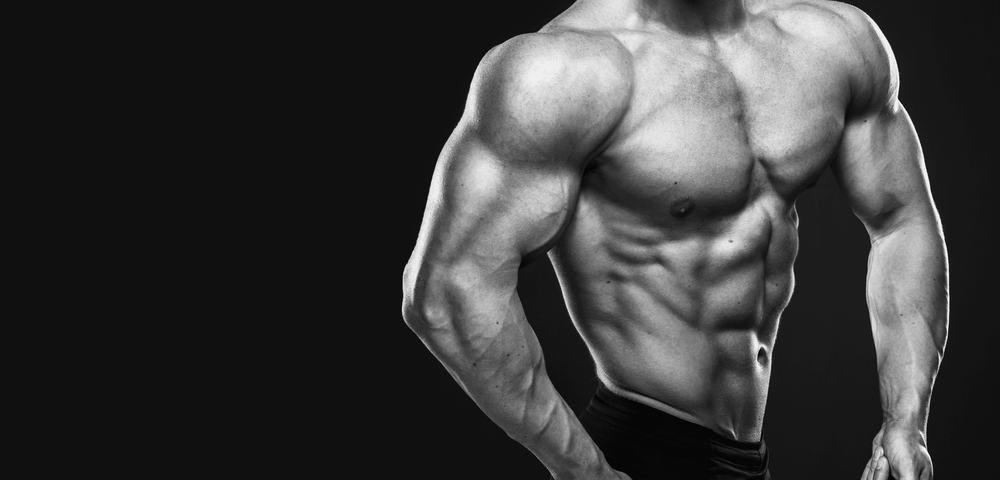
There are currently hundreds of popular diets people use to cut and make their “gains” stand out. Many of them go viral online, and we see thousands of people claiming each one is “the most effective diet for fat loss.”
Some high-profile figures like LeBron James and Kim Kardashian even credit these approaches especially “keto” for changing their lives (1).
However, many of these trendy diets are difficult to maintain long-term because they don’t adapt to individual needs and often come with extreme restrictions. On top of that, many involve eliminating entire macronutrients like carbs or fats, which can lead to long-term health issues (2).
Keep in mind that while some people may do well with a generic eating plan, every individual is different, and results will never be identical for everyone.
So, among all these diets, which one is truly superior for achieving a leaner physique and maintaining it over time? Below, we analyze the most popular diets based on scientific evidence so you can make informed decisions.
Remember that with Fitia you can get a nutrition plan that actually adapts to your needs and goals. Download it for free here.
What Are the Most Popular “Diets”?
Intermittent Fasting
Intermittent fasting isn’t technically a “diet,” but rather a time-restricted eating pattern. Still, many people consider it a primary diet strategy, which is why it’s included here.
This method has gained major popularity in recent years and involves fasting for an extended period (16–48 hours), followed by a normal eating window (2,3).
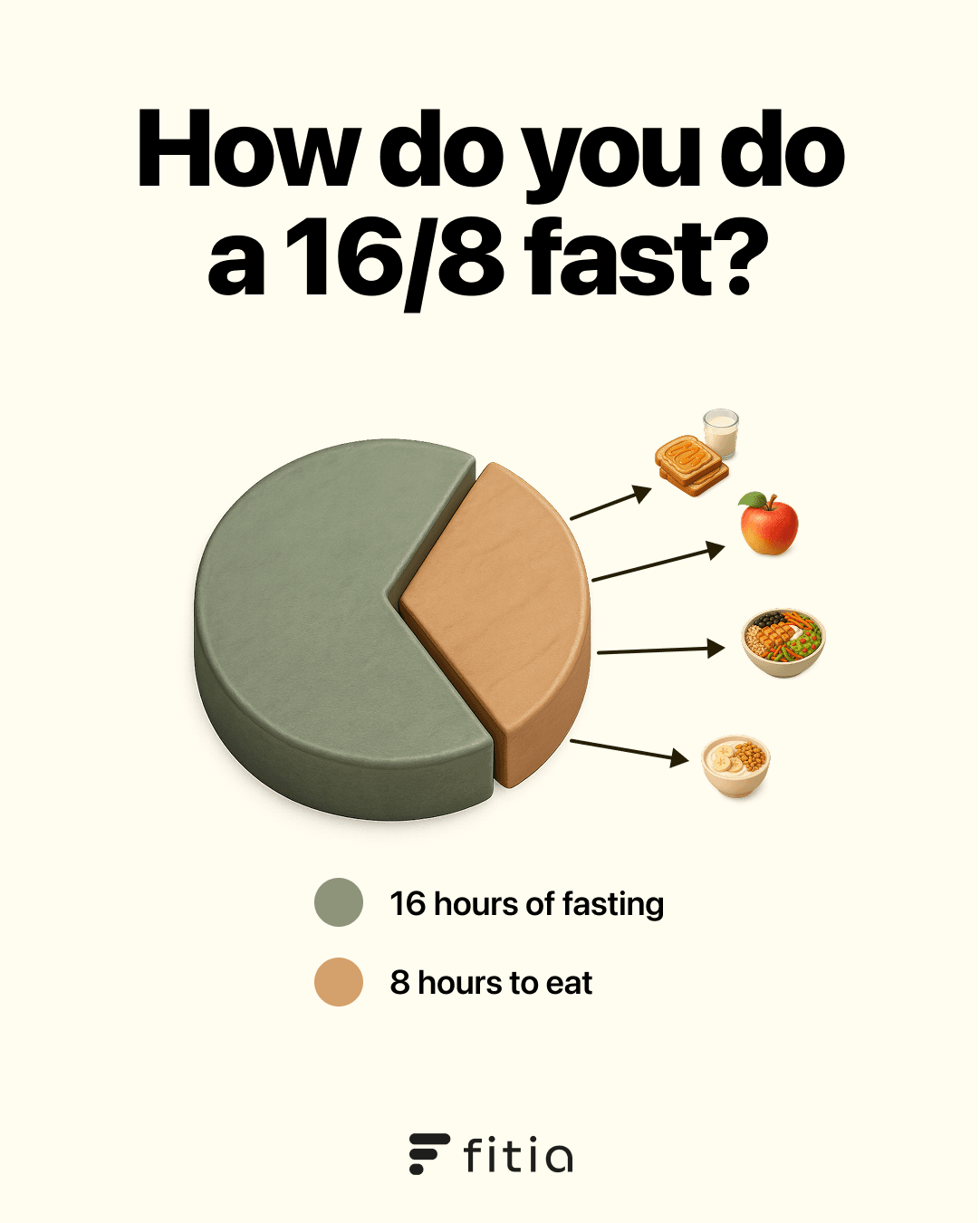
Research has shown that intermittent fasting leads to weight reduction because total daily calorie intake tends to drop by about 25% when compared to a person’s baseline intake (4).
In other words, people who fast are unintentionally creating a calorie deficit without necessarily aiming for it.
Scientific evidence suggests that intermittent fasting does not produce significantly greater weight loss than standard diets, meaning it’s not superior to a typical calorie-deficit approach without time restrictions (5).
Additionally, more research is still needed to determine whether fasting has a unique advantage in terms of body composition (fat vs. muscle mass) or metabolism compared to continuous calorie restriction.
Paleo Diet
This diet, inspired by how humans supposedly ate in the Stone Age, focuses on whole, unprocessed foods such as fresh vegetables, lean meats, eggs, poultry, nuts, and seeds, while avoiding grains, cereals, legumes, and dairy (2).
One study showed a significant reduction in body weight and fat mass after six months on a paleo diet. However, the reduction likely occurred because people unintentionally created a calorie deficit—not necessarily because of the “paleo” approach itself.
Reported side effects include fatigue, diarrhea, and headaches. Additionally, by restricting calcium-rich foods like dairy and legumes, this diet may increase the risk of low bone density, which can negatively impact training performance (2).
Low-Fat Diet
Low-fat diets became popular due to the belief that eating dietary fat directly increased body fat. This led to the rise of many low-fat diet trends (6).
Despite this belief, substantial reductions in fat intake over recent decades may actually be linked to the rise in obesity, especially when the fats restricted were high-quality, healthy fats (6).
Other reviews concluded that low-fat diets may cause modest short-term weight loss, but long-term results show little to no difference compared to other eating patterns. Again, weight loss mostly comes from achieving a calorie deficit.
Low-Carb Diet
Before explaining this type of diet, it’s important to differentiate it from a ketogenic diet (“keto”). Although both reduce carbohydrate intake to encourage fat as a primary fuel source, low-carb diets involve a moderate reduction in carb intake.
While all keto diets are low-carb, not all low-carb diets qualify as ketogenic. Keto is far more restrictive, limiting carbs to extremely low levels to induce ketosis.
Low-carb diets became massively popular between the 70s and 90s, but they’ve been mentioned throughout history as effective methods for weight control and managing certain conditions. They remain relevant today and are favored by many people (6).
Multiple studies have evaluated the effectiveness of low-carb diets for weight loss. For example, one meta-analysis compared low-carb diets to low-fat diets:
After 6 months, the low-carb group had lost more weight than the low-fat group (6,9).
However, after 12 months, the difference disappeared. This happens because the early weight loss from low-carb diets often comes from glycogen and water, which the body quickly regains.
Low-carb diets have also been studied for cardiovascular effects. One analysis found that after 6 months, low-carb participants had more favorable improvements in HDL cholesterol and triglycerides. However, total cholesterol and LDL improved more in the low-fat group (10).
A major study comparing low-carb and low-fat diets was the DIETFITS trial (Diet Intervention Examining The Factors Interacting with Treatment Success) (11).
The study included nearly 600 overweight or obese adults. Participants were assigned to either a low-fat or low-carb diet for one year. The goal was to determine which diet was better for weight loss and metabolic health, and whether genetics influenced the outcomes.
DIETFITS revealed no significant difference in weight loss between the groups. Both lost roughly 5–6 kg over the year.
Researchers also found that genetics didn’t significantly influence a person’s response to either diet. This suggests that choosing between low-fat vs. low-carb depends more on personal preference and long-term adherence than on genetic factors.
So… What Is the Best Diet to Get Shredded?
All of the diets mentioned can lead to short-term weight loss as long as a calorie deficit is present.
There is no clear evidence showing that one diet is definitively superior for fat loss.
If the goal is fat loss, the priority should be creating a calorie deficit in a way that fits each person’s lifestyle and promotes long-term healthy habits, including nutrient-dense foods.
Short-term weight loss across all diets happens mainly due to calorie reduction, and long-term results show no meaningful differences that make one diet inherently better.
The Key to Fat Loss and Staying Lean: Adherence
In nutrition, adherence refers to how consistently someone follows their eating plan. Diet success is heavily influenced by environmental and behavioral factors (12).
High adherence has been identified as a major predictor of success, regardless of the diet type. Studies such as those by Dansinger et al. and Alhassan et al. showed that weight loss was directly associated with adherence—not the specific diet used (13,14).
Heymsfield et al. attributed poor weight-loss results in some individuals to challenges with adherence. This makes adherence the key factor in determining long-term success (15).
What matters most is choosing an eating approach you can actually stick to. Opt for a sustainable nutrition plan rather than quick fixes or overly restrictive diets.
Selecting the right diet should focus on long-term sustainability, personal preferences, and individual goals.
Final Message
This is why the best diet for reducing body fat and getting lean is the one that fits your lifestyle, needs, goals, and activity levels. If your eating plan is too extreme or unsustainable, it won’t help you achieve your desired results.
While we can’t prescribe the “perfect diet,” we can provide general evidence-based guidelines for cutting:
- Calories: Aim for a 15–25% calorie deficit from maintenance. Avoid exceeding a 35% deficit, as it increases the risk of muscle loss and nutrient deficiencies. Fitia calculates your specific needs to help you maintain a safe, effective calorie deficit.
- Protein: Consume 1.6–2.2 g/kg if you lift weights. If you don’t do strength training, 1.2–1.4 g/kg may be sufficient. Fitia adjusts these recommendations based on your activity level and needs.
- Fats: Don’t consume less than 0.5 g/kg for men or 0.6 g/kg for women, or less than 15% of total energy intake.
- Carbohydrates: There is no universal optimal carb level for cutting, as needs vary greatly. However, if you do strength training, avoid going below 1 g/kg per day.
Remember: just like with training, having the “best diet” or “best workout plan” is useless if you can’t stick to it.
FAQ
1. Is there a single best diet to get shredded?
No. All popular diets can help you lose fat if they create a calorie deficit. No diet has been proven superior for long-term fat loss. What matters most is consistency.
2. Are low-carb or low-fat diets better for cutting?
Research shows both work similarly over time. Early weight changes in low-carb diets usually come from water and glycogen loss, not faster fat loss. Choose the one you can follow long-term.
3. Does intermittent fasting burn more fat than regular dieting?
Not really. Studies show it leads to similar fat loss as standard calorie restriction. Its main benefit is helping some people naturally reduce daily calories.
4. What is the real key to getting lean and staying lean?
Adherence. People see better results when they follow an eating plan consistently. The “best” diet is the one you can maintain without extreme restrictions.
Ready to find a diet you can actually stick to?
Download Fitia and get a personalized plan that adapts to your goals and lifestyle.
References
- Lawler M, Kelly Kennedy RDN. Everydayhealth.com. [citado el 17 de enero de 2024]. 15 celebrities who’ve tried the keto diet. Disponible en: https://www.everydayhealth.com/ketogenic-diet/diet/celebrities-cant-get-enough-ketogenic-diet.
- Obert J, Pearlman M, Obert L, Chapin S. Popular weight loss strategies: A review of four weight loss techniques. Curr Gastroenterol Rep [Internet]. 2017;19(12).
- Mattson MP, et al. Impact of intermittent fasting on health and disease processes. Ageing Res Rev. 2016.
- Harvie M, Wright C, Pegington M, McMullan D, Mitchell E, Martin B, et al. The effect of intermittent energy and carbohydrate restriction v. daily energy restriction on weight loss and metabolic disease risk markers in overweight women. Br J Nutr. 2013;110(8):1534–47.
- Rynders CA, Thomas EA, Zaman A, Pan Z, Catenacci VA, Melanson EL. Effectiveness of intermittent fasting and time-restricted feeding compared to continuous energy restriction for weight loss. Nutrients [Internet]. 2019 [citado el 17 de enero de 2024];11(10):2442.
- Malik, Vasanti S; Hu, Frank B (2007). Popular weight-loss diets: from evidence to practice. Nature Clinical Practice Cardiovascular Medicine, 4(1), 34–41. doi:10.1038/ncpcardio0726
- Atkins R (1998) Dr. Atkins’ New Diet Revolution. New York: Avon Books
- Steward L et al. (2003) The New Sugar Busters!: Cut Sugar to Trim Fat. New York: The Ballantine Publishing Group
- Nordmann AJ et al. (2006) Effects of low-carbohydrate vs low-fat diets on weight loss and cardiovascular risk factors: a meta-analysis of randomized controlled trials. Arch Intern Med 166: 285–293
- Oh R, Gilani B, Uppaluri KR. Low-carbohydrate diet. StatPearls Publishing; 2023.
- Stanton, Michael V.; Robinson, Jennifer L.; Kirkpatrick, Susan M.; Farzinkhou, Sarah; Avery, Erin C.; Rigdon, Joseph; Offringa, Lisa C.; Trepanowski, John F.; Hauser, Michelle E.; Hartle, Jennifer C.; Cherin, Rise J.; King, Abby C.; Ioannidis, John P.A.; Desai, Manisha; Gardner, Christopher D. (2017). DIETFITS study (diet intervention examining the factors interacting with treatment success) – Study design and methods. Contemporary Clinical Trials, 53(), 151–161. doi:10.1016/j.cct.2016.12.021
- Freire, Rachel (2019). Scientific evidence of diets for weight loss: different macronutrient composition, intermittent fasting and popular diets. Nutrition, (), S0899900719301030–. doi:10.1016/j.nut.2019.07.001
- Dansinger ML, Gleason JA, Griffith JL, Selker HP, Schaefer EJ. Comparison of the Atkins, Ornish, Weight Watchers, and Zone diets for weight loss and heart disease risk reduction: a randomized trial. JAMA. 2005;293(1):43-53.
- Alhassan, S., Kim, S., Bersamin, A., King, A. C., & Gardner, C. D. (2008). Dietary adherence and weight loss success among overweight women: results from the A TO Z weight loss study. International journal of obesity (2005), 32(6), 985–991. https://doi.org/10.1038/ijo.2008.8
- Heymsfield, S. B., Harp, J. B., Reitman, M. L., Beetsch, J. W., Schoeller, D. A., Erondu, N., & Pietrobelli, A. (2007). Why do obese patients not lose more weight when treated with low-calorie diets? A mechanistic perspective. The American journal of clinical nutrition, 85(2), 346–354. https://doi.org/10.1093/ajcn/85.2.346
Related articles
 Fat Loss
Weight Loss Calorie Chart (2026): How Many Calories to Eat by Body Weight, Sex, and Activity
See how many calories to eat to lose weight, with simple charts by body weight and activity, plus why your target changes as you go.
Read article Fat Loss
Best Personalized Meal Planning App for Weight Loss in the US (2026): Comparing Apps That Plan Around Your Likes, Dislikes & Food Preferences
Compare Fitia, Eat This Much, Lifesum & Mealime on how deeply each one plans meals around your likes, dislikes, and dietary patterns for weight loss.
Read article Fat Loss
Best Calorie Deficit App to Diet Without Feeling Hungry in the US (2026): Satiety-Focused Reviews & Feature Comparison
Compare the best calorie deficit apps in the US for 2026. See which satiety features actually keep you full so you can stick to a deficit for months.
Read article