9 Best Food Tracking Apps of 2025 (The Complete Guide)
Compare the 9 best food tracking apps of 2025. Accurate, easy to use, and packed with smart features. Discover which app fits your nutrition goals best.
- Published
- Updated
- 14 min read
- 14 min read
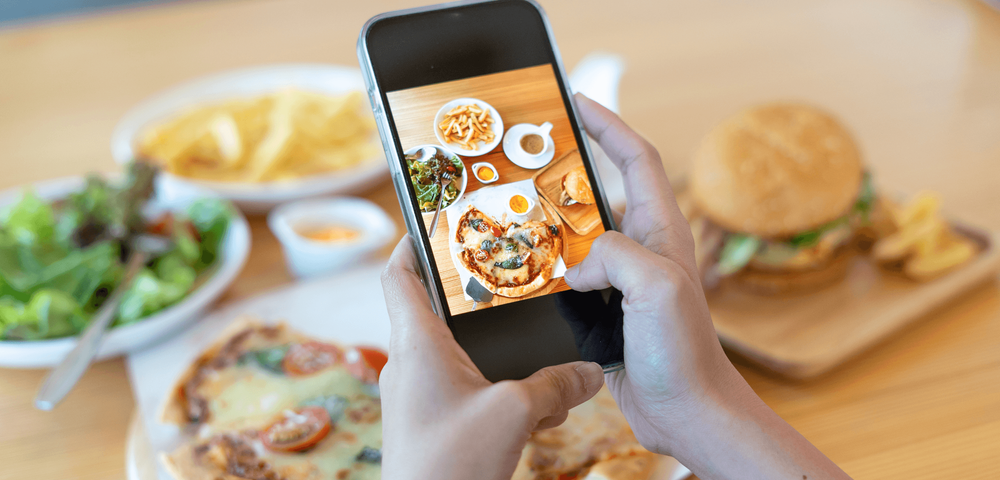
The health tech landscape just got infinitely more interesting. While calorie counting apps have been around for over a decade, 2025 marks the year AI finally cracked the code on making food tracking feel less like homework and more like having a nutrition coach in your pocket.
The last few months have seen extensive testing of every major player in this space—logging breakfasts via voice notes while multitasking, snapping photos of restaurant meals, and even creating custom foods from handwritten family recipes using AI.
What’s remarkable isn’t just that these apps have gotten smarter. It’s that they’ve expanded what food tracking can be. Manual entries and weighed portions remain the gold standard for precision, ensuring accurate calorie and macro data. But users now have the option to complement that accuracy with AI assistance that interprets conversational descriptions and identifies complex meals from photos. This hybrid approach combines the reliability of traditional tracking with the convenience of automation, making it easier to stay consistent without compromising accuracy.
Early adopters report that these AI tools can save 5–10 minutes per day on logging alone when used appropriately. That’s over 60 hours a year reclaimed, while many accuracy-focused users continue to pair AI insights with traditional measurements for best results.
The market reflects this broader evolution in nutrition tracking. Downloads of nutrition apps grew 34% in 2024, driven by a demand for tools that blend precision with convenience. AI features played a major role, but the real breakthrough lies in usability, helping more people stay consistent long term.
From Calorie Counters to Nutrition Intelligence: The New Generation of Food Tracking Apps
Food tracking apps have come a long way from their early days as simple calorie counters. What began as digital food diaries for logging meals and estimating calorie totals has evolved into a new category of nutrition intelligence platforms.
At their core, these apps still help users record meals, snacks, and beverages to track macronutrients, calories, and overall eating habits. But modern versions go far beyond manual entry. Many now integrate barcode scanners, AI-powered meal recognition, and natural language logging; allowing users to describe or photograph what they eat instead of typing every item.
Some apps have expanded even further, connecting with wearables to sync activity data. Others offer personalized meal plans, adaptive calorie targets, and predictive insights based on user behavior.
Three Trends Defining Food Tracking in 2025
- AI-Assisted Logging: Apps now support voice commands, photos, and conversational entries like “large coffee with oat milk”, translating them into nutrition data that users can verify and edit for accuracy.
- Predictive Personalization: Machine learning analyzes eating patterns, biometrics, and goals to provide individualized recommendations and adaptive calorie or macro targets, offering guidance that improves over time.
- Connected Ecosystems: Leading platforms sync with Apple Health, Health Connect and wearables, creating a unified view of how nutrition affects activity.
How We Chose the Best Food Tracking Apps (2025)
The apps featured in this guide were selected based on publicly available data, feature depth, user experience, and expert analysis of what matters most in real-world nutrition tracking. Each platform was evaluated according to the factors that define effective, sustainable food logging:
- Food Database Accuracy: Verified, comprehensive entries across cuisines and brands.
- AI & Automation Features: Quality of voice logging, image recognition, and natural-language understanding.
- Personalization & Intelligence: Ability to adapt goals and recommend meals based on real behavior.
- Integration Ecosystem: Compatibility with Apple Health, Health Connect and wearables.
- Value for Money: Fair pricing and availability of family or multi-user plans.
- User Experience & Sustainability: Minimal friction in daily logging, intuitive design, and motivation features that sustain long-term adherence.
Together, these criteria highlight the apps that balance accuracy, usability, and long-term adherence, the core qualities of effective nutrition tracking. With that framework in mind, here are the 9 best food tracking apps of 2025.
The 9 Best Food Tracking Apps in 2025
1. Fitia
Quick Overview
Fitia represents the next stage of food tracking, an app that blends AI-assisted logging, personalized meal planning, and detailed progress analytics into one cohesive experience. Its strength lies not in a single feature but in how seamlessly everything works together.
Logging options include voice, photo with high accuracy, and text input, while users who prefer precision can manually search or input exact portions. The meal-planning engine provides data-driven recommendations based on real eating history and nutrient gaps rather than static templates.
A standout capability is AI-powered custom food creation, allowing users to describe homemade dishes or regional meals in plain language and receive editable nutritional profiles, ideal for family recipes or cultural foods missing from standard databases.
Best For
Anyone who wants a smarter, all-in-one approach to nutrition—combining AI-assisted convenience, precise manual control, and truly personalized meal planning.
Pricing
The free version includes essential tracking features. Premium plans start at $19.99/month or $59.99/year. The Family Plan supports two to six users for $89.99/year, which comes out to roughly $7.50 per month — one of the best multi-user values in this category.
Pros
- Multi-modal logging – voice, photo, or text.
- Personalized, data-driven meal plans that adapt to preferences.
- AI custom-food creation for unique or homemade dishes.
- Excellent family-plan value (up to 6 users).
- Verified database and full Apple Health & Health Connect integration.
- Visual progress charts for macros, calories, and weight/fat.
Cons
- AI features need the premium tier.
2. MyFitnessPal
Quick Overview
The long-time household name in food tracking, MyFitnessPal remains popular for its massive database and reliable barcode scanner. Social and community features add accountability through friend feeds and challenges.
Best For
Anyone who prefers a classic calorie counter with a massive food database and simple, familiar tracking tools.
Pricing
The free version includes basic tracking but frequent upgrade prompts. Premium access costs $19.99/month or $79.99/year, placing MyFitnessPal among the higher-priced apps.
Pros
- Largest food database, excellent for packaged goods.
- Fast, accurate barcode scanning.
- Strong community and social accountability.
Cons
- Some entries show inconsistent calorie data due to user-generated submissions.
- Free version includes frequent pop-ups encouraging users to upgrade to Premium.
- Interface feels dated compared to newer AI-based competitors.
- One of the most expensive options among food tracking apps.
3. Cronometer
Quick Overview
Cronometer is designed for users who want clinical-level nutrition detail. It tracks micronutrients, amino acids, and fatty-acid ratios, sourcing verified data from USDA and NCCDB.
Best For
Nutrition enthusiasts, biohackers, or anyone managing health conditions who need accurate micronutrient and biometric tracking.
Pricing
Free version with essential tracking. Gold plan $10.99 / month or $59.99 / year.
Pros
- Tracks 80+ micronutrients, amino acids, and fatty acids.
- Verified database sources ensure reliable data.
- Supports biometric and wearable integrations.
Cons
- No voice logging; manual entry.
- Limited coverage for restaurants and branded foods.
- Dense, data-heavy interface can feel overwhelming to beginners.
4. Lose It!
Quick Overview
Lose It! offers a straightforward approach to calorie tracking with a visually engaging interface. Its color-coded charts and goal streaks help users monitor progress at a glance. The “Snap It” feature allows photo-based meal logging, though results are more reliable when verified manually.
Best For
Users focused on weight-loss goals who want a simple, upbeat app with easy logging and visual motivation.
Pricing
Free version available. Premium plan $39.99 / year.
Pros
- Friendly, colorful dashboard with macro visuals.
- Goal-projection and calorie-deficit tools.
- Challenges and community accountability.
Cons
- Photo recognition accuracy drops for complex dishes.
- Primarily geared toward calorie-reduction goals.
- Premium required for detailed analytics and reports.
5. Nutritionix Track
Quick Overview
Nutritionix Track centers on natural-language meal logging. Typing “two scrambled eggs with cheese and toast” automatically breaks the sentence into individual foods with estimated nutrition data. The interface is minimal and distraction-free, though overall functionality remains basic compared to newer AI-driven competitors.
Best For
Users who prefer typing meal descriptions in plain language and want a lightweight, straightforward tracker without unnecessary extras.
Pricing
Free version available with essential logging tools. Track Pro adds data export and advanced history features for $5.99 / month or $28.99 / year.
Pros
- Accurate natural-language parsing for quick text logging.
- Relies on verified USDA nutrition data.
- Clean, minimalist design with no intrusive ads.
Cons
- No AI, photo, or voice logging, entries must be typed manually.
- Limited analytics and personalization restrict long-term insight.
- Few integrations or advanced features, even in the paid tier.
6. Yazio
Quick Overview
Yazio offers strong European food coverage and combines nutrition tracking with intermittent-fasting tools. Its premium plan adds personalized meal plans, recipes, and grocery lists within a sleek modern interface.
Best For
People looking for an all-around tracker that integrates fasting timers, meal plans, and solid international food coverage.
Pricing
Free version with basic tracking. Yazio Pro starts around $23.99 for three months or $32.99 – $47.90 per year, depending on current promotions and region.
Pros
- Excellent European brand and restaurant database.
- Built-in intermittent-fasting timer.
- Personalized meal plans and grocery lists.
- Clean, modern user experience.
Cons
- Limited AI tools; photo recognition and automation lag behind newer apps.
- Nutrition database can be inconsistent for U.S. and Latin American foods.
- Most valuable tools are locked behind the Pro subscription.
7. Noom
Quick Overview
Noom approaches weight management through psychology and behavior change. It teaches calorie density using a color-coded (green/yellow/red) system and pairs tracking with daily lessons and one-on-one coaching.
Best For
Individuals seeking guided habit change and personal coaching rather than detailed macro tracking.
Pricing
Plans average $70 / month; 4-month plan $209; 8-month plan $309 (prices vary).
Pros
- Evidence-based habit-change lessons.
- Color-coded food framework for intuitive choices.
- Personalized human coaching.
- Integrates exercise and health metrics.
Cons
- Much more expensive than typical trackers.
- Limited precision for macro tracking.
- Smaller food database than competitors.
- Requires multi-month commitment.
8. Lifesum
Quick Overview
Lifesum blends Scandinavian design with structured diet frameworks such as Mediterranean, high-protein, and vegan. It scores overall diet quality through a “Life Score” that rewards nutrient variety and balance.
Best For
Users who appreciate beautiful design and want guided meal ideas aligned with specific eating styles.
Pricing
Free tier available with limited features. Premium plans start at $29.99 for three months or $99.99 annually.
Pros
- Elegant, motivating interface.
- Multiple predefined diet frameworks.
- Life Score system encourages nutrient diversity.
Cons
- Smaller food database than major competitors.
- Most plans and recipes require Premium.
9. FatSecret
Quick Overview
FatSecret offers a solid range of tracking features, including barcode scanning, meal diaries, exercise logs, and a recipe builder. The interface feels dated, but overall functionality remains stable and reliable.
Best For
People who prefer a traditional food diary experience and are satisfied with core tracking tools, even if newer apps offer more automation and polish.
Pricing
Free with ads. Premium option $14.99 / month or $59.99 / year (removes ads and adds extras).
Pros
- Robust free version with all essential tools.
- Active forums and community support.
- Full web platform for desktop logging.
Cons
- Outdated design and navigation.
- Manual logging only; no AI, photo, or voice input.
- Limited integrations beyond Apple Health / Google Fit.
Food Tracking App Comparison Table (2025)
| Tool | Pricing | Notable Features |
|---|---|---|
| Fitia | Free basic tier; Premium $19.99/month or $59.99/year; Family Plan $89.99/year | Multi-modal AI logging (voice, photo, text), personalized meal plans, family plan for 6 users, verified database, progress charts. |
| MyFitnessPal | Free version; Premium $79.99/year | 18M+ foods, barcode scanning, community features, macro tracking. |
| Cronometer | Free version; Gold $59.99/year | Verified USDA database, vitamin/mineral tracking, biometric integration. |
| Lose It! | Free version; Premium $39.99/year | Color-coded charts, Snap It photo logging, goal projections, community challenges. |
| Nutritionix Track | Free version; Pro $28.99/year | Natural-language parsing, verified USDA data, ad-free design, simple interface. |
| Yazio | Free version; Pro $32.99–$47.90/year | Intermittent-fasting timer, meal plans, recipes, grocery lists, clean modern design. |
| Noom | $70/month (average); $209 for 4 months; $309 for 8 months | Psychology-based lessons, human coaching, color-coded foods, exercise tracking. |
| Lifesum | Free tier; Premium $99.99/year | Beautiful interface, diet frameworks (Mediterranean, high-protein, vegan), Life Score gamification. |
| FatSecret | Free version; Premium $59.99/year | Barcode scanning, meal and exercise logs, recipe builder, active forums, web access. |
Why Fitia Stands Out Among the Best Food Tracking Apps of 2025
Food tracking in 2025 is no longer just about counting calories, it’s about intelligent assistance that complements precision when needed. Fitia exemplifies this shift by combining AI-driven convenience with accurate manual control, creating a sustainable way to manage nutrition over time.
Fitia’s advantage lies in how it balances comprehensiveness, flexibility, and value. It offers AI-assisted multi-modal logging (voice, photo, text) for quick entries, full manual control for verification, and data-driven meal planning that adapts to real eating patterns. Its multi-user pricing makes advanced tools accessible to several people under one subscription.
Most tracking apps still force a choice between speed and accuracy: manual logging provides precision but takes time, while AI automation often lacks depth. Fitia bridges that gap by enabling fast, AI-assisted logging when convenience matters and maintaining full manual options for users who prioritize exact measurements.
The multi-user plan extends this flexibility further. Up to six people can share one account; each with personalized goals, preferences, and progress tracking. It’s structured like a shared streaming plan, making professional-level nutrition tracking affordable for groups, couples, and families alike.
In 2025, Fitia stands out for uniting precision, personalization, and practicality. Its AI handles the repetitive work, its analytics reveal patterns manual tracking can’t, and its pricing model keeps advanced nutrition tracking accessible for the long term.
Frequently Asked Questions About Food Tracking Apps (FAQs)
How do I choose the right food tracking app?
Choosing the best food tracking app depends on your goals and how you prefer to log your meals.
1. Convenience vs. Precision:
If you want quick, effortless logging, look for AI features like photo recognition, voice input, or natural-language search. These save time while still allowing manual verification.
2. Accuracy and Depth:
If your priority is optimizing athletic performance, choose apps with verified databases and micronutrient tracking, even if logging takes longer.
3. Multi-user Value:
If several people track under one account, pick apps with family or shared plans—for example, Fitia’s 6-user plan, which costs far less than individual subscriptions.
4. Integrations:
Ensure the app syncs with Apple Health, Google Fit, or wearables if you want nutrition and activity data in one place.
Tip: Test free or trial versions first, the right app is the one you’ll actually use daily, not just the one with the most features.
Are food tracking and meal planning the same?
Not exactly, they serve different purposes but now often work together.
- Food tracking is retrospective: logging what you already ate to monitor calories, macros, and nutrients.
- Meal planning is prospective: deciding what you’ll eat ahead of time to meet goals and simplify grocery shopping.
The best apps connect both. For example, Fitia uses your tracking history to create personalized meal suggestions that match your preferences and fill nutritional gaps. This turns data into actionable plans instead of static logs.
What are the best alternatives to MyFitnessPal in 2025?
Different users need different solutions. Here’s how the main alternatives compare:
For AI assistance and modern logging:
Fitia offers verified data accuracy, photo and voice logging, personalized meal planning, and a 6-user plan for $89.99/year.
For detailed nutrient tracking:
Cronometer provides medical-grade micronutrient data (USDA, NCCDB) with exceptional precision, though it requires manual entry.
For a free basic tracker:
FatSecret includes calorie tracking, recipes, and weight logging without paywalls or aggressive upsells.
For better regional coverage:
Yazio stands out in Europe with extensive local food databases and integrated intermittent-fasting timers. Meanwhile, Fitia offers strong regional accuracy across Latin American cuisines, with verified data for traditional dishes and local ingredients rarely found in global apps.
Summary: While MyFitnessPal remains strong for its massive food database, Fitia delivers a next-generation experience (verified data, AI-assisted logging, personalized meal planning, and multi-user affordability) making it one of the best MyFitnessPal alternatives in 2025.
Final Thoughts
Food tracking in 2025 is evolving from simple calorie counting to intelligent nutrition management, and Fitia is at the center of that shift. By combining verified data, AI-assisted logging, and personalized meal planning, it bridges the gap between precision and convenience better than any other app in its category.
Whether you’re a solo user who values efficiency or a group sharing one subscription, Fitia’s flexible multi-user model and regionally accurate database make it one of the most complete platforms for long-term nutrition tracking.
If you’re exploring modern alternatives to MyFitnessPal or simply want a smarter way to stay consistent with your nutrition, Fitia shows what the next generation of food tracking looks like: accurate, adaptive, and genuinely effortless.
Discover Fitia, the AI-powered food tracking app redefining how you log, plan, and understand your nutrition.
Related articles
 Fat Loss
Weight Loss Calorie Chart (2026): How Many Calories to Eat by Body Weight, Sex, and Activity
See how many calories to eat to lose weight, with simple charts by body weight and activity, plus why your target changes as you go.
Read article
Best Calorie Counter App for Muscle Gain in the US (2026): 4 Apps Compared for Lifters
The 4 best calorie counter apps for US lifters in 2026, compared on macros, database, adaptation, and meal planning.
Read article
Best Online Nutrition Coach in the US (2026): What to Look For Before You Pay
Online nutrition coaching in the US 2026: three tiers, what the research says, and the red flags to spot before you pay for an app or coach.
Read article