Creatine: The Definitive Guide – Everything You Need to Know
What it is, what it’s for, how to take it, common myths, and more. We answer 21 questions about creatine supplementation
- Published
- Updated
- 16 min read
- 16 min read
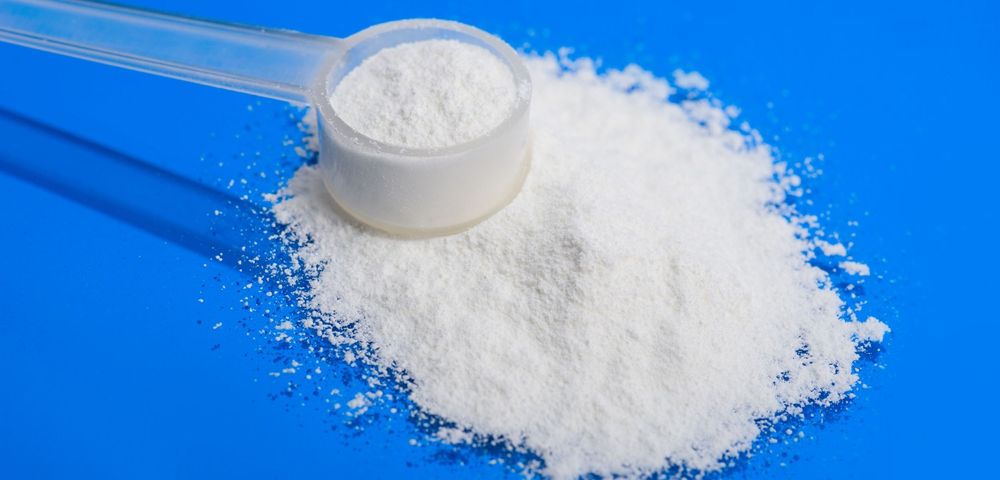
Are you thinking about supplementing with creatine? Here's everything you need to know before you start.
Fortunately, creatine is a supplement that has been extensively researched. Because of this, we can now answer questions about its effectiveness and how to use it with a high degree of certainty.
1. What is creatine?
Creatine is a tripeptide formed from the amino acids methionine, arginine and glycine (1).
The human body produces about 1 gram of creatine per day, mainly in the liver and, to a lesser extent, in the kidneys and pancreas (2,3,4).
Approximately 90-95% of the creatine found in the body is stored in the muscles in the form of phosphocreatine (or creatine phosphate) (1,4). The rest is found in various tissues such as the heart and brain (1).
2. What foods contain creatine?
Creatine is primarily found in animal products, especially in red meats and fish (1,4,5).
Just as humans produce and store creatine in their muscles, animals do the same.
3. If creatine is produced in the body and I can consume it in foods, why would I need a supplement?
If you didn't use a supplement, you would have to consume an excessive amount of meat daily to achieve effective doses of creatine.
Scientific evidence has shown that consuming doses of about 5 grams per day has beneficial effects on energy metabolism and athletic performance (6,7,8).
However, the amount of creatine you can get from food is very limited: about 1 gram per day if you regularly consume meat (4).
Additionally, cooking meat transforms creatine into other substances and can reduce its concentration by up to 30% in the food (9,10).
To give you an idea, to get a dose of 5 grams of creatine (which usually contains 1 scoop of supplement), you would have to consume about 1 kg of raw meat (11).
Therefore, it would not be feasible or safe to obtain creatine in effective doses solely from food.
4. What is creatine used for? What does creatine supplementation do?
The main function of creatine is to produce energy. In fact, most of the benefits of its supplementation are due to this "simple" function.
To understand why, you need to know how energy is produced in your body.
Your body has 3 main pathways for energy production:
- Aerobic pathway: This is a very efficient but somewhat slow way to produce energy. You primarily use it when you need a sustained energy supply over time. For example, when you do long-duration, moderate-intensity exercises like jogging for 45 minutes continuously.
- Anaerobic pathway: This is a faster way to produce energy, using glucose as a source and providing energy for a shorter period. You use this pathway for short exercises lasting up to 2-3 minutes, such as swimming 50 meters, for example.
- Phosphocreatine pathway: This is the fastest energy pathway you have. It helps you produce energy immediately, but only for a few seconds (8-10 seconds). After this, it takes a few minutes before it can be used again (the phosphocreatine that was used as a substrate needs to be replenished) (1). This is the energy system used when perform a very short, but intense and explosive activities, such as 100-meter sprints or or doing a set of heavy squats in the gym.
As the name suggests, creatine is involved in the last pathway, which is why it is primarily stored in your muscles (where immediate availability is needed).
With a "normal" diet providing between 1-2 grams of creatine per day, your muscles only fill about 60-80% of the total creatine they could potentially store (6).
Creatine supplementation ensures that the muscle is fully saturated with creatine, reaching 100% (6).
Having higher levels of creatine in the muscle enhances your ability to produce energy through the phosphocreatine system and allows for quicker replenishment.
5. Does creatine increase strength and athletic performance?
Yes, it does. Scientific evidence has shown that creatine supplementation is effective in increasing strength and athletic performance in short-duration activities and even in activities of moderate duration (7,8,12,13,14).
In a meta-analysis of 22 studies, it was found that strength training combined with creatine supplementation increased strength by 8% (measured by the weight loaded for 1, 3, or 10 maximum repetitions) compared to those who took a placebo (12).
Additionally, it was observed that those who supplemented with creatine increased the number of repetitions they could perform by 14% (12).
Another meta-analysis found that individuals who trained and supplemented with creatine increased the weight they could lift on the bench press by an average of 7 kg, and by 10 kg in squats compared to training without supplementation (13).
However, it's important to emphasize that these effects won't occur just by consuming creatine alone; that is, don't expect to take creatine and automatically become stronger. The benefits have been observed when supplementation is combined with strength training.
Additionally, keep in mind that these findings are averages seen across a large number of studies. The individual effect you might experience could be greater or lesser.
6. Does creatine increase muscle mass?
It has been observed that those who supplement with creatine can experience greater gains in muscle mass compared to those who do not (8,14,15).
However, this effect is not directly caused by taking creatine itself but by the improvement in training performance. Better performance in training leads to greater muscle gains.
Taking creatine will only help you gain more muscle mass if it is accompanied by a well-planned training regimen.
7. What other benefits does creatine have? Creatine and cognitive function
Creatine supplementation also appears to improve cognitive function (16,17,18,19,20).
It does so in the following way:
- It could reduce mental fatigue when performing mentally demanding activities or when experiencing sleep deprivation.
- It could improve mood in high-stress situations.
- It could enhance short-term memory.
The available evidence on this is promising, but more research is still needed in this area. So far, it seems that those who would benefit the most are individuals with below-average creatine levels, such as vegetarians and older adults.
8. Does taking creatine have any side effects?
The consumption of creatine has been shown to be safe for healthy individuals of all ages (7,21,22,23).
However, taking too much creatine at once can cause gastrointestinal discomfort such as stomach pain, nausea, or even diarrhea (21).
If you are going to take high doses (as occurs during a loading phase, which we will discuss later), these should be spread out in smaller doses throughout the day and taken with meals.
Although no specific contraindications have been reported, if you have any pre-existing conditions, it is advisable to consult with your healthcare provider before starting any type of supplementation.
❗Important: this article is for informational purposes only and is not intended to prescribe or replace professional advice.
9. Will taking creatine make me gain weight?
Yes, particularly when you first start supplementation, but before you start worrying, remember that gaining weight is not the same as gaining fat.
Taking creatine will cause you gain weight because it increases the amount of water within your muscle cells. It will not cause you to gain body fat (23,24,25).
In fact, this increased hydration of muscle cells could be beneficial for muscle growth as it increases the diameter of the fibers.
You should take this weight increase into account if you participate in a sport where weight is an important factor (such as martial arts with weight categories, for example).
When you start taking creatine, there is generally a noticeable increase of up to 1-2 kg, caused by a gain of intramuscular water.
10. Does taking creatine cause kidney damage?
No. Evidence shows that consuming creatine, even long-term, is safe for kidney function (7,21,22,23,26,27).
This belief likely stems from the idea that high levels of creatinine in the blood are an indicator of kidney dysfunction.
Creatinine is a substance produced as a result of using creatine. It serves as an indicator of kidney function because it is the kidneys that are responsible for removing it from the body.
However, when we supplement with creatine, creatinine levels increase because we are using more creatine, not because the kidneys have lost their ability to eliminate it.
Additionally, it is also believed that creatine supplementation damages the kidneys because it causes fluid retention.
Indeed, taking creatine increases the amount of water inside your muscle cells, but this is not due to kidney dysfunction; rather, it's because creatine is osmotically active (it influences sodium and water levels inside and outside of cells) (23).
11. Can creatine cause hair loss?
There is no scientific evidence available at the moment that can specifically answer this question.
The speculation that creatine causes hair loss originated from a single study. This study evaluated 20 male athletes over three weeks and found that taking creatine increased the concentration of a hormone called dihydrotestosterone (DHT, derived from testosterone) (28).
This hormone can exacerbate hair loss in men. Hence, creatine began to be associated with hair loss.
However, no study to date has evaluated the effect of supplementation directly on hair loss, nor have any similar studies been conducted.
Moreover, many other studies have shown that creatine does not affect testosterone levels (23). Since DHT is produced from testosterone, it is questionable whether creatine actually increases DHT levels.
More research is needed on this topic. As it stands, it is unlikely that creatine supplementation is a significant factor in hair loss (other factors, such as genetics, play a more substantial role).
12. What are the different types of creatine, and which is the best?
Creatine monohydrate is the most marketed, most economical, and most researched form of creatine.
In fact, this is the type of creatine that has been proven to have positive effects, as it is the one used in studies. For this reason, creatine monohydrate is considered the "gold standard" of creatine.
In terms of cost-benefit, creatine monohydrate is the best option.
In addition to this, the industry has been experimenting with different forms of creatine. Among the most popular are:
- Micronized creatine: This form is still monohydrated creatine, but has undergone a physical process to reduce particle size and increase its solubility in water. It might be better in terms of palatability, but its effect remains the same.
- Creatine anhydrous: This is a more concentrated form of creatine, as it has had the monohydrate component removed. It is 100% creatine, whereas monohydrate is 88% creatine and 12% monohydrate. However, creatine anhydrous will convert to creatine monohydrate when mixed with water and will act in the same way. The only difference is that you would need to consume fewer grams per dose due to its higher concentration.
- Creatine hydrochloride (Creatine HCL): This form is said to be more water-soluble (29). As a result, a lower dose than that of creatine monohydrate might be required, but this has not been proven by any studies and seems unlikely, as in the stomach it would convert to free creatine (just like creatine monohydrate).
- Liquid creatine: Usually, creatine is available in powder form, so the benefit attributed to the liquid form is that it is ready to consume. However, this form is less effective, as creatine breaks down into creatinine when in a liquid solution over several days (30,31,32).
- Creatine alkaline or buffered creatine: Marketed as a form of creatine that is better absorbed due to its higher pH. However, this has not been proven. For example, one study compared alkaline creatine with monohydrate and found no significant differences in their effects (33).
- Creatine ethyl ester: Studies show that it is less effective than creatine monohydrate in increasing muscle creatine levels (34,35).
- Magnesium chelated creatine: This form appears to be just as effective as creatine monohydrate (36,37).
There are many other forms of creatine on the market and they are often touted as having superior benefits. However, these claims are mostly marketing strategies without substantial support, aimed at selling the products at a higher price.
Scientific evidence has not found any additional benefits of these other versions of creatine compared to creatine monohydrate. Therefore, we recommend being cautious when choosing a creatine product that is not monohydrate.
13. How much creatine to take per day?
The purpose of creatine supplementation is to achieve and maintain creatine saturation in the muscles over time.
This can be achieved in two ways:
- With a loading phase.
A loading phase involves consuming high doses of creatine (monohydrate) in the initial days to quickly reach muscle saturation.
Loading dose: 20-30 grams per day (or 0.3 grams of creatine per kg of weight per day) for 5-7 days (7,23).
These doses should be divided into 4 or 5 servings per day of approximately 5 grams each (to avoid gastrointestinal discomfort).
After this, you will have reached the saturation levels and should reduce the dose to a maintenance level.
The duration of the maintenance dose really depends on you. You can take it continuously for very long periods without any problems.
- Without loading phase
Muscle creatine saturation can also be achieved simply with a maintenance dose, although it will take longer.
You can start directly with a maintenance dose of 3-5 grams per day.
This way, you will reach saturation in about 3 to 4 weeks (7,23,38).
14. Is a creatine loading phase necessary?
No, it's not necessary. Whether to do it or not depends entirely on you.
If you want to reach the effects faster or only plan to take creatine for a short period of time, a loading phase at the start might be beneficial.
However, keep in mind that high doses of creatine can cause gastrointestinal discomfort in some people.
If you plan to take creatine over a long period, then reaching saturation in 1 week versus 3 weeks wouldn't make a difference, as both methods achieve the same muscle creatine saturation.
15. When do the effects of creatine become noticeable?
The effects generally begin to be noticeable once you reach 100% creatine saturation in your muscles.
The timing depends on whether you opt for a loading phase or not:
- With a loading phase, you might start to see the effects within about 5-7 days.
- Without a loading phase, the effects would generally take about 3-4 weeks to appear.
16. Is it possible that creatine doesn't work for me? Responders and non-responders to creatine
This means that most people will experience benefits after they start supplementing.
However, you may not be part of "the majority".
Yes. If we talk about averages and statistics, creatine has a positive effect on athletic performance.
In fact, it has been observed that between 20 - 30% of people can be "non-responders" to creatine, meaning they do not experience noticeable effects after its consumption (8,39).
If you have been taking creatine in the recommended doses for at least 4 weeks and have not noticed any effect, you might be part of this group.
17. How long should you take creatine?
You can take creatine daily for an indefinite period, as its long-term consumption is safe (22).
Creatine is a substance that naturally occurs in the body, and we do not develop a tolerance to its intake. Therefore, it is not necessary to cycle periods of consumption and rest.
Comparing it to caffeine provides a clear example. When you consume caffeine, your body begins to develop a tolerance, and you'll need increasingly higher doses for it to be effective, or take "breaks" from it to reduce tolerance.
This does not happen with creatine. By taking it continuously, you maintain high creatine levels in the muscle (which generates the benefits).
Therefore, you can take it continuously without any problems for as long as you wish.
18. What happens if I stop taking creatine?
If you stop supplementing with creatine, the levels of creatine in your muscles will decrease to normal levels, meaning they will no longer be 100% saturated with creatine.
However, this decrease won't happen overnight but will occur gradually. Returning to pre-supplementation levels typically takes about 1 month (38).
Effects on muscle mass:
Just as starting creatine supplementation can lead to weight gain (due to water retention), stopping its use will cause a weight decrease due to the loss of the extra water stored in your muscle cells.
You won't lose muscle mass. However, the appearance of your muscles might seem slightly reduced, as the water could have been giving them a more voluminous appearance.
Effects on performance:
In terms of strength and training performance, how much you are affected by stopping creatine depends on how much effect you have experienced with supplementation.
In other words, it will be different for each individual.
If you were part of the "non-responder" group and creatine supplementation didn't increase your strength or performance, then you won't experience a decline in these areas if you stop taking it.
On the other hand, if you responded well to the supplementation, it's possible that your performance might decrease slightly once creatine levels return to normal.
19. What happens if I forget to take a dose of creatine?
As mentioned earlier, returning to pre-supplementation muscle creatine levels is a gradual process (38).
If you forget to take your creatine for one day, it's not a big deal. Your saturation levels won't change drastically from missing it for just one day. Simply return to your normal supplementation routine the next day.
20. What is the best time of day to take creatine?
One study found that taking creatine post-workout slightly improved the effects on performance and body composition compared to taking it before training (40).
However, this study has not been replicated, and other research shows that muscle creatine saturation levels can be achieved by taking the supplement at any time of the day.
If it's convenient for you, take it after your workout; otherwise, you can take it whenever it fits best into your schedule.
If it's convenient for you, take it after your workout; otherwise, you can take it whenever it fits best into your schedule.
21. Creatine and caffeine: Can they be combined?
Yes, they can. In fact, it seems they may enhance each other when taken together.
This issue has been somewhat controversial, due to a 1996 study that found mixing both substances reduced the effects of creatine (41).
However, it was a small study with only 9 participants, and subsequent studies have found the opposite effect. These later studies suggest that combining creatine and caffeine does not diminish the effectiveness of creatine, and may actually enhance performance (42,43,44).
References
- Kreider RB, Stout JR. Creatine in Health and Disease. Nutrients. 2021 Jan 29;13(2):447. doi: 10.3390/nu13020447. PMID: 33572884; PMCID: PMC7910963.
- COHEN S, BUCKLEY P. The synthesis of creatine by preparations of liver from embryos and adults of various species. J Biol Chem. 1951 Dec;193(2):851-8. PMID: 14907773.
- Koszalka TR. Extrahepatic creatine synthesis in the rat. Role of the pancreas and kidney. Arch Biochem Biophys. 1967 Nov;122(2):400-5. doi: 10.1016/0003-9861(67)90211-1. PMID: 6066247.
- Kaviani M, Shaw K, Chilibeck PD. Benefits of Creatine Supplementation for Vegetarians Compared to Omnivorous Athletes: A Systematic Review. Int J Environ Res Public Health. 2020 Apr 27;17(9):3041. doi: 10.3390/ijerph17093041. PMID: 32349356; PMCID: PMC7246861.
- Harris RC, Lowe JA, Warnes K, Orme CE. The concentration of creatine in meat, offal and commercial dog food. Res Vet Sci. 1997 Jan-Feb;62(1):58-62. doi: 10.1016/s0034-5288(97)90181-8. PMID: 9160426.
- Sahlin K, Harris RC. The creatine kinase reaction: a simple reaction with functional complexity. Amino Acids. 2011 May;40(5):1363-7. doi: 10.1007/s00726-011-0856-8. Epub 2011 Mar 11. PMID: 21394603.
- Kreider RB, Kalman DS, Antonio J, Ziegenfuss TN, Wildman R, Collins R, Candow DG, Kleiner SM, Almada AL, Lopez HL. International Society of Sports Nutrition position stand: safety and efficacy of creatine supplementation in exercise, sport, and medicine. J Int Soc Sports Nutr. 2017 Jun 13;14:18. doi: 10.1186/s12970-017-0173-z. PMID: 28615996; PMCID: PMC5469049.
- Kreider RB. Effects of creatine supplementation on performance and training adaptations. Mol Cell Biochem. 2003 Feb;244(1-2):89-94. PMID: 12701815.
- Yaylayan VA, Locas CP, Wnorowski A, O'Brien J. The role of creatine in the generation of N-methylacrylamide: a new toxicant in cooked meat. J Agric Food Chem. 2004 Aug 25;52(17):5559-65. doi: 10.1021/jf049421g. PMID: 15315400.
- Mora L, Sentandreu MA, Toldrá F. Effect of cooking conditions on creatinine formation in cooked ham. J Agric Food Chem. 2008 Dec 10;56(23):11279-84. doi: 10.1021/jf801953t. PMID: 18989971.
- Harris RC, Söderlund K, Hultman E. Elevation of creatine in resting and exercised muscle of normal subjects by creatine supplementation. Clin Sci (Lond). 1992 Sep;83(3):367-74. doi: 10.1042/cs0830367. PMID: 1327657.
- Rawson ES, Volek JS. Effects of creatine supplementation and resistance training on muscle strength and weightlifting performance. J Strength Cond Res. 2003 Nov;17(4):822-31. doi: 10.1519/1533-4287(2003)017<0822:eocsar>2.0.co;2. PMID: 14636102.
- Dempsey RL, Mazzone MF, Meurer LN. Does oral creatine supplementation improve strength? A meta-analysis. J Fam Pract. 2002 Nov;51(11):945-51. PMID: 12485548.
- Branch JD. Effect of creatine supplementation on body composition and performance: a meta-analysis. Int J Sport Nutr Exerc Metab. 2003 Jun;13(2):198-226. doi: 10.1123/ijsnem.13.2.198. PMID: 12945830.
- Cooper R, Naclerio F, Allgrove J, Jimenez A. Creatine supplementation with specific view to exercise/sports performance: an update. J Int Soc Sports Nutr. 2012 Jul 20;9(1):33. doi: 10.1186/1550-2783-9-33. PMID: 22817979; PMCID: PMC3407788.
- Watanabe A, Kato N, Kato T. Effects of creatine on mental fatigue and cerebral hemoglobin oxygenation. Neurosci Res. 2002 Apr;42(4):279-85. doi: 10.1016/s0168-0102(02)00007-x. PMID: 11985880.
- McMorris T, Harris RC, Swain J, Corbett J, Collard K, Dyson RJ, Dye L, Hodgson C, Draper N. Effect of creatine supplementation and sleep deprivation, with mild exercise, on cognitive and psychomotor performance, mood state, and plasma concentrations of catecholamines and cortisol. Psychopharmacology (Berl). 2006 Mar;185(1):93-103. doi: 10.1007/s00213-005-0269-z. Epub 2006 Jan 17. PMID: 16416332.
- Avgerinos KI, Spyrou N, Bougioukas KI, Kapogiannis D. Effects of creatine supplementation on cognitive function of healthy individuals: A systematic review of randomized controlled trials. Exp Gerontol. 2018 Jul 15;108:166-173. doi: 10.1016/j.exger.2018.04.013. Epub 2018 Apr 25. PMID: 29704637; PMCID: PMC6093191.
- McMorris T, Mielcarz G, Harris RC, Swain JP, Howard A. Creatine supplementation and cognitive performance in elderly individuals. Neuropsychol Dev Cogn B Aging Neuropsychol Cogn. 2007 Sep;14(5):517-28. doi: 10.1080/13825580600788100. PMID: 17828627.
- Roschel H, Gualano B, Ostojic SM, Rawson ES. Creatine Supplementation and Brain Health. Nutrients. 2021 Feb 10;13(2):586. doi: 10.3390/nu13020586. PMID: 33578876; PMCID: PMC7916590.
- Bizzarini E, De Angelis L. Is the use of oral creatine supplementation safe? J Sports Med Phys Fitness. 2004 Dec;44(4):411-6. PMID: 15758854.
- Kreider RB, Melton C, Rasmussen CJ, Greenwood M, Lancaster S, Cantler EC, Milnor P, Almada AL. Long-term creatine supplementation does not significantly affect clinical markers of health in athletes. Mol Cell Biochem. 2003 Feb;244(1-2):95-104. PMID: 12701816.
- Antonio J, Candow DG, Forbes SC, Gualano B, Jagim AR, Kreider RB, Rawson ES, Smith-Ryan AE, VanDusseldorp TA, Willoughby DS, Ziegenfuss TN. Common questions and misconceptions about creatine supplementation: what does the scientific evidence really show? J Int Soc Sports Nutr. 2021 Feb 8;18(1):13. doi: 10.1186/s12970-021-00412-w. PMID: 33557850; PMCID: PMC7871530.
- Safdar A, Yardley NJ, Snow R, Melov S, Tarnopolsky MA. Global and targeted gene expression and protein content in skeletal muscle of young men following short-term creatine monohydrate supplementation. Physiol Genomics. 2008 Jan 17;32(2):219-28. doi: 10.1152/physiolgenomics.00157.2007. Epub 2007 Oct 23. PMID: 17957000.
- Kutz MR, Gunter MJ. Creatine monohydrate supplementation on body weight and percent body fat. J Strength Cond Res. 2003 Nov;17(4):817-21. doi: 10.1519/1533-4287(2003)017<0817:cmsobw>2.0.co;2. PMID: 14636103.
- Farquhar WB, Zambraski EJ. Effects of creatine use on the athlete's kidney. Curr Sports Med Rep. 2002 Apr;1(2):103-6. doi: 10.1249/00149619-200204000-00007. PMID: 12831718.
- Pline KA, Smith CL. The effect of creatine intake on renal function. Ann Pharmacother. 2005 Jun;39(6):1093-6. doi: 10.1345/aph.1E628. Epub 2005 May 10. PMID: 15886291.
- van der Merwe J, Brooks NE, Myburgh KH. Three weeks of creatine monohydrate supplementation affects dihydrotestosterone to testosterone ratio in college-aged rugby players. Clin J Sport Med. 2009 Sep;19(5):399-404. doi: 10.1097/JSM.0b013e3181b8b52f. PMID: 19741313.
- Gufford BT, Sriraghavan K, Miller NJ, Miller DW, Gu X, Vennerstrom JL, Robinson DH. Physicochemical characterization of creatine N-methylguanidinium salts. J Diet Suppl. 2010 Sep;7(3):240-52. doi: 10.3109/19390211.2010.491507. PMID: 22432515.
- Gill ND, Hall RD, Blazevich AJ. Creatine serum is not as effective as creatine powder for improving cycle sprint performance in competitive male team-sport athletes. J Strength Cond Res. 2004 May;18(2):272-5. doi: 10.1519/R-13193.1. PMID: 15142023.
- Astorino TA, Marrocco AC, Gross SM, Johnson DL, Brazil CM, Icenhower ME, Kneessi RJ. Is running performance enhanced with creatine serum ingestion? J Strength Cond Res. 2005 Nov;19(4):730-4. doi: 10.1519/R-16744.1. PMID: 16287365.
- Harris RC, Almada AL, Harris DB, Dunnett M, Hespel P. The creatine content of Creatine Serum and the change in the plasma concentration with ingestion of a single dose. J Sports Sci. 2004 Sep;22(9):851-7. doi: 10.1080/02640410310001658739. PMID: 15513279.
- Jagim AR, Oliver JM, Sanchez A, Galvan E, Fluckey J, Riechman S, Greenwood M, Kelly K, Meininger C, Rasmussen C, Kreider RB. A buffered form of creatine does not promote greater changes in muscle creatine content, body composition, or training adaptations than creatine monohydrate. J Int Soc Sports Nutr. 2012 Sep 13;9(1):43. doi: 10.1186/1550-2783-9-43. PMID: 22971354; PMCID: PMC3479057.
- Spillane M, Schoch R, Cooke M, Harvey T, Greenwood M, Kreider R, Willoughby DS. The effects of creatine ethyl ester supplementation combined with heavy resistance training on body composition, muscle performance, and serum and muscle creatine levels. J Int Soc Sports Nutr. 2009 Feb 19;6:6. doi: 10.1186/1550-2783-6-6. PMID: 19228401; PMCID: PMC2649889.
- Velema MS, de Ronde W. Elevated plasma creatinine due to creatine ethyl ester use. Neth J Med. 2011 Feb;69(2):79-81. PMID: 21411845.
- Selsby JT, DiSilvestro RA, Devor ST. Mg2+-creatine chelate and a low-dose creatine supplementation regimen improve exercise performance. J Strength Cond Res. 2004 May;18(2):311-5. doi: 10.1519/R-13072.1. PMID: 15142029.
- Brilla LR, Giroux MS, Taylor A, Knutzen KM. Magnesium-creatine supplementation effects on body water. Metabolism. 2003 Sep;52(9):1136-40. doi: 10.1016/s0026-0495(03)00188-4. PMID: 14506619.
- Hultman E, Söderlund K, Timmons JA, Cederblad G, Greenhaff PL. Muscle creatine loading in men. J Appl Physiol (1985). 1996 Jul;81(1):232-7. doi: 10.1152/jappl.1996.81.1.232. PMID: 8828669.
- Syrotuik DG, Bell GJ. Acute creatine monohydrate supplementation: a descriptive physiological profile of responders vs. nonresponders. J Strength Cond Res. 2004 Aug;18(3):610-7. doi: 10.1519/12392.1. PMID: 15320650.
- Antonio J, Ciccone V. The effects of pre versus post workout supplementation of creatine monohydrate on body composition and strength. J Int Soc Sports Nutr. 2013 Aug 6;10:36. doi: 10.1186/1550-2783-10-36. PMID: 23919405; PMCID: PMC3750511.
- Vandenberghe K, Gillis N, Van Leemputte M, Van Hecke P, Vanstapel F, Hespel P. Caffeine counteracts the ergogenic action of muscle creatine loading. J Appl Physiol (1985). 1996 Feb;80(2):452-7. doi: 10.1152/jappl.1996.80.2.452. PMID: 8929583.
- Lee CL, Lin JC, Cheng CF. Effect of caffeine ingestion after creatine supplementation on intermittent high-intensity sprint performance. Eur J Appl Physiol. 2011 Aug;111(8):1669-77. doi: 10.1007/s00421-010-1792-0. Epub 2011 Jan 5. PMID: 21207054.
- Doherty M, Smith PM, Davison RC, Hughes MG. Caffeine is ergogenic after supplementation of oral creatine monohydrate. Med Sci Sports Exerc. 2002 Nov;34(11):1785-92. doi: 10.1097/00005768-200211000-00015. PMID: 12439084.
- LEE, Chia Lun, LIN, Jung Charng, CHENG, Ching Feng. Effect of creatine plus caffeine supplements on time to exhaustion during an incremental maximum exercise. Eur J Sport Sci. 2012; 12(4):338-346.
Related articles
 Training
Top 5 Fitness Apps to Start 2026 in Your Best Shape
Kick off 2026 with top fitness apps for nutrition, training, sleep and wellness. Build a routine that fits your day and helps you stay consistent.
Read article Training
Best Post-Run Foods to Boost Recovery and Rebuild Muscle
Learn the best post-run foods to refuel, rebuild muscle, and recover faster. Real meals, smart timing, and science-backed nutrition for runners.
Read article Training
How to Distribute Macros Throughout the Day for Better Post-Gym Recovery
Learn how to time protein, carbs, and fats for better post-gym recovery. Get practical tips and see how Fitia helps you hit your goals with ease.
Read article