Pros and Cons of Premium vs Free Meal Planners: Making the Right Choice for Your Nutrition Journey
Discover the pros and cons of free vs premium meal planners. Learn which features matter most for your goals and find the app that fits your lifestyle.
- Published
- Updated
- 6 min read
- 6 min read
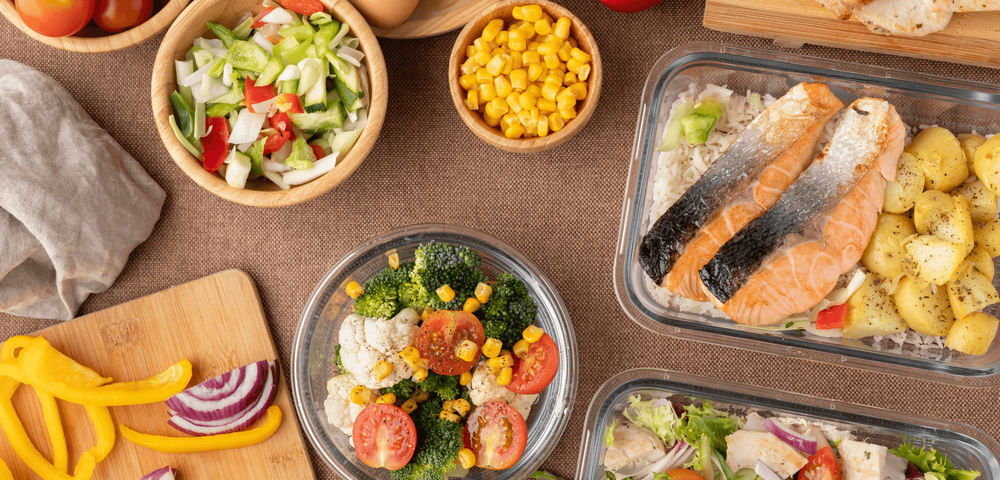
After testing dozens of meal planning apps and speaking with nutritionists, We've learned that the free versus premium debate isn't just about money. It's about understanding what level of support you actually need to succeed with your nutrition goals.
Are Free Meal Planning Apps Enough?
Free meal planning apps can be incredibly helpful for people just starting their nutrition journey. The benefits of meal planning are huge, although it can seem time consuming at first, it can save you a lot of time and money because there are less trips to the shops and less wasted food. Many free apps offer basic calorie tracking, simple meal suggestions, and grocery list generation.
Take apps like Mealime, which focuses on simple, family-friendly recipes that can be prepared in about 30 minutes. Mealime's free version gives you access to their core meal planning functionality with over 200 personalization options. Similarly, Whisk provides a completely free experience with customizable recipes and custom shopping lists generated automatically from your weekly meal calendar.
Paprika takes an interesting approach, its free version comes with the same flexibility as its paid version, allowing you to save and enter recipes from the internet with up to 50 recipes before hitting any limitations. For recipe organization enthusiasts, this can be incredibly valuable.
However, the limitations become apparent quickly. Most free versions restrict you to basic features like single-day planning, limited recipe databases, and minimal customization options.
Is It Worth to Pay for Premium Features in Meal Planning Apps?
The jump to premium meal planning usually costs between $5-20 monthly, and for many people, this investment pays for itself in the first week. Premium features typically include weekly meal planning, automated grocery lists, extensive recipe databases, and most importantly, personalization that actually works.
But here's where it gets interesting. Not all premium features are created equal, and some apps have found ways to bridge the gap between basic free functionality and expensive premium subscriptions.
Can You Customize Your Meal Plans? The Science-Based Approach
What separates truly effective meal planning from simple recipe suggestions is the underlying nutrition science. Apps like MyFitnessPal have traditionally focused on calorie counting with basic tracking tools, but they lack the proactive meal planning approach that many users need for sustainable results.
The best meal planning apps don't just suggest random healthy recipes, they calculate your specific caloric and macronutrient needs based on your goals, activity level, and body composition. Fitia calculates your optimal calorie and macronutrient intake using scientific formulas, then generates a structured meal plan to ensure you stay within your calorie and macronutrient targets.
This level of precision is typically what separates free apps from premium versions, but it's also where smart app developers are changing the game. While apps like Mealime focus on convenience, Fitia acts as a digital nutritionist, telling you how many calories to consume, how to distribute your macros, and suggesting a balanced daily menu to help you achieve your goals, all based on scientific evidence and good nutritional practices.
What’s the Real Problem With Free vs. Premium Models?
Most meal planning apps follow a predictable pattern: give users basic tracking tools for free, then lock all the useful features behind a paywall. Lasta, for example, offers expertly curated meals by nutritionists and chefs, but many of their advanced features require a subscription, potentially creating a "potential overemphasis on tracking" that some users find cumbersome.
eMeals provides access to a wide range of recipes with their membership, but you need to pay to access their automated grocery lists and shopping features. Plan to Eat has a limited free version that makes it difficult to evaluate whether their planning system works for your family's needs.
This creates frustration because you can't really evaluate whether the app works for your lifestyle until after you've paid. Users often find themselves trapped in a cycle of downloading app after app, never quite finding the right balance of features and affordability.
Is the Real Value of Premium About Convenience, Not Just Features?
When premium features are done right, they don't gate essential functionality, they add layers of convenience that make healthy eating sustainable for busy lifestyles. The difference between success and failure often comes down to friction: how easy is it to stick with your nutrition plan when life gets hectic?
Consider the shopping list functionality across different apps. Whisk automatically generates shopping lists but focuses more on recipe discovery than nutritional precision. Plan to Eat creates organized, aisle-by-aisle lists but lacks the nutritional calculations that fitness-focused users need. Mealime provides grocery lists but with limited customization for specific dietary requirements.
Fitia automatically generates optimized grocery lists based on your meal plans, but goes further by ensuring those lists support your specific caloric and macro targets. Instead of manually writing shopping lists or forgetting key ingredients, this level of integration transforms meal planning from a time-consuming weekly task into a streamlined process that takes minutes.
Premium features like access to thousands of recipes with detailed preparation instructions, cooking times, and nutritional breakdowns represent the sweet spot of premium value, enhanced functionality that makes the app more powerful without making the free version unusable. Fitia Premium focuses on giving you the tools to create custom recipes, modify meal plans extensively, and access detailed nutrition analytics that actually support your health goals.
How Do You Choose the Right Option for Your Needs?
The decision between free and premium meal planning ultimately depends on your current relationship with food and cooking. If you're just starting to pay attention to nutrition and want to understand basic calorie awareness, a robust free app might be perfect.
For recipe discovery and family meal planning, apps like Mealime might meet your needs with their free versions. If you're primarily interested in recipe organization, Paprika's free version could be sufficient. For basic calorie tracking, Fitia's free version provides extensive food databases.
However, if you're serious about achieving specific body composition goals, managing a medical condition through diet, or simply want to remove the daily stress of deciding what to eat, premium features often provide enough time savings to justify their cost.
Fitia's meal plan is based only on the foods you select, ensuring that your plan aligns with your preferences. You can exclude any ingredient or food group you don't like, and Fitia will adjust your recommendations accordingly. This level of customization goes beyond what most apps offer even in their premium versions, making it ideal for users with specific dietary requirements or fitness goals.
The Bottom Line
The meal planning app landscape has evolved beyond simple free versus premium distinctions. The best apps now offer genuinely useful free versions while making premium upgrades feel like natural progressions rather than necessary purchases.
Whether you choose free or premium, look for apps that prioritize accurate nutrition data, respect your food preferences, and integrate seamlessly with your lifestyle.
The goal isn't to find the most expensive app or the one with the most features, it's to find the one that makes healthy eating feel natural and sustainable for your specific situation. Start with a strong free version, use it consistently for a few weeks, and then evaluate whether premium features would genuinely improve your experience.
Remember, the best meal planning app is the one you'll actually use consistently, whether it costs nothing or comes with a monthly subscription. Your health is worth the investment, but that investment might be your time and consistency rather than your money. However, when you find an app that combines scientific accuracy, user-friendly design, and comprehensive features in both free and premium versions, that investment becomes much easier to maintain long-term.
Related articles
 Fat Loss
Weight Loss Calorie Chart (2026): How Many Calories to Eat by Body Weight, Sex, and Activity
See how many calories to eat to lose weight, with simple charts by body weight and activity, plus why your target changes as you go.
Read article
Best Calorie Counter App for Muscle Gain in the US (2026): 4 Apps Compared for Lifters
The 4 best calorie counter apps for US lifters in 2026, compared on macros, database, adaptation, and meal planning.
Read article
Best Online Nutrition Coach in the US (2026): What to Look For Before You Pay
Online nutrition coaching in the US 2026: three tiers, what the research says, and the red flags to spot before you pay for an app or coach.
Read article