How to Distribute Macros Throughout the Day for Better Post-Gym Recovery
Learn how to time protein, carbs, and fats for better post-gym recovery. Get practical tips and see how Fitia helps you hit your goals with ease.
- Published
- Updated
- 3 min read
- 3 min read
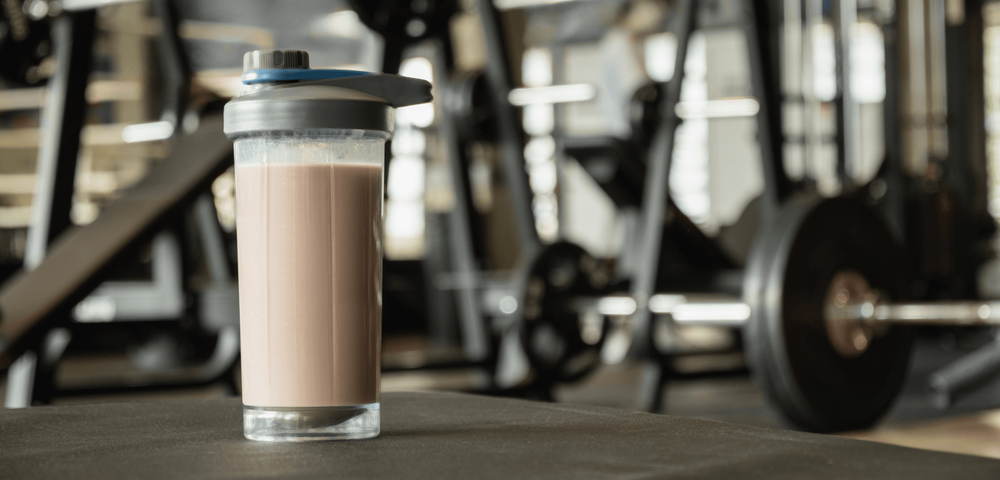
Gyms are busier than ever. People are training more often, but there’s a secret that separates those who see real progress from those who stall: it’s not just what you eat, but when you eat it.
Macro timing goes far beyond the old “just have protein after your workout” advice. High-level athletes know when to prioritize carbs, protein, or fat depending on the situation. This approach speeds up recovery and helps maximize results.
A Practical Guide to Macro Distribution
With Fitia, you first set your main goal:
- Lose weight and reduce body fat
- Maintain weight (recomp: build muscle while dropping fat)
- Gain weight and build muscle mass
Based on your profile—sex, age, height, weight, target weight, and activity level—the app calculates your calories and macronutrients with precision.
Remember, everyone has a unique macro split. In this guide, you’ll find practical tips to get the most out of your meals.
Meal Timing
1. Pre-Workout
It all depends on timing. If you eat 30–60 minutes before training, stick to protein and carbs only. Skip the fats, since they slow down the absorption of the fast energy you need. If your meal is 2–3 hours before, adding healthy fats makes sense because your body has more time to digest.
Examples (30–60 min before):
- Protein powder + oats + fruit
- Egg whites + white bread
- Egg whites + fruit
Examples (2–3 hours before):
- Chicken + potatoes + avocado + salad
- Beef + rice + avocado
- Eggs + rice + salad
2. During Training
For most strength workouts lasting 30–90 minutes, water is enough. But if you train in hot environments or go beyond that window, you might need a sports drink.
Sports drinks vs. zero-calorie drinks
The difference isn’t just sugar. Drinks with sugar provide a quick energy boost, while zero versions focus only on hydration and electrolytes. Most people don’t need that sugar spike if they had a solid pre-workout meal, so a zero drink is often the better choice, unless your session is very intense or you skipped a meal.
3. Post-Workout
Your post-gym meal should include 20–40 grams of high-quality protein to support muscle repair, along with carbs and fats. A simple option is chicken with rice and avocado, plus vegetables for vitamins and minerals.
4. Extra: Should you take protein powder?
Protein powder isn’t mandatory or magical, you can hit your daily protein needs with whole foods. Still, it’s handy in certain cases, like when you fell short on protein for the day or if your next meal is 2–3 hours away. It’s portable and easy to pair with fruit for a quick snack.
Fitia Tip: The so-called 30-minute “anabolic window” is a myth. You don’t need to eat immediately after your workout. But if more than 3 hours go by without food, grab something quick like a banana with a protein shake.
Why Fitia is the best tool for your nutrition
At Fitia, we know there’s no one-size-fits-all macro plan. That’s why we ask for your personal data (sex, height, weight, goals, and activity level) to calculate your macros accurately.
We also get that you want to reach your goals while eating the foods you love. That’s why we built one of the world’s most complete food databases, with thousands of products and recipes reviewed by nutritionists, including typical foods from your own country.
And remember: even the “perfect” macro split won’t work without consistency. Long-term results come from following a plan you can actually stick to.
Related articles
 Training
Top 5 Fitness Apps to Start 2026 in Your Best Shape
Kick off 2026 with top fitness apps for nutrition, training, sleep and wellness. Build a routine that fits your day and helps you stay consistent.
Read article Training
Best Post-Run Foods to Boost Recovery and Rebuild Muscle
Learn the best post-run foods to refuel, rebuild muscle, and recover faster. Real meals, smart timing, and science-backed nutrition for runners.
Read article Muscle Gain
What to Eat Before Training to Build Muscle?
Optimize your pre-workout nutrition with the right carbs, proteins, and timing. Enhance performance, boost glycogen, and support muscle growth scientifically.
Read article