Which Meal Planning App Offers Weekly Grocery Lists and Integrates with Smart Devices?
Discover meal planning apps that create weekly grocery lists, sync with Apple Health and fitness trackers, and simplify your nutrition routine.
- Published
- Updated
- 12 min read
- 12 min read
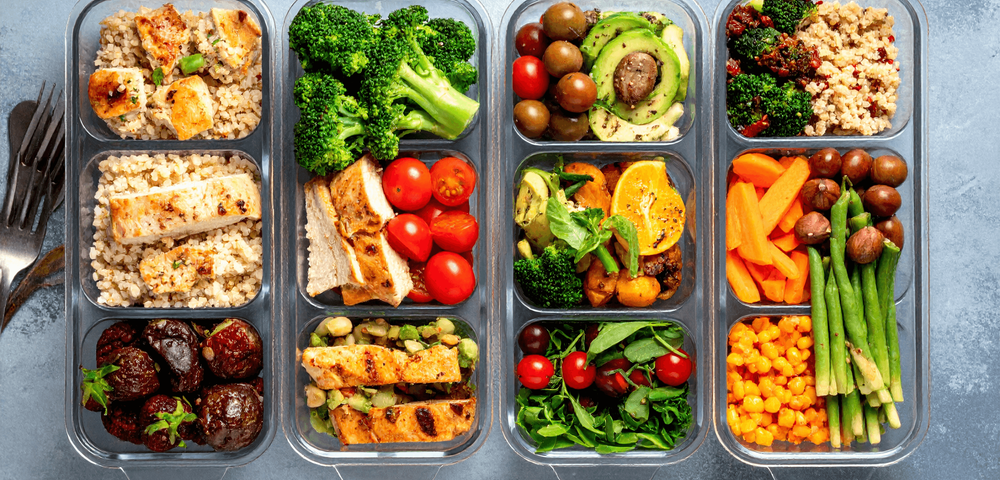
The landscape of nutrition and fitness has shifted dramatically in the past few years. What used to require hiring a personal nutritionist or spending hours manually planning meals has become accessible through sophisticated apps that handle the entire workflow, from building a complete weekly meal plan to auto-generating consolidated grocery lists to syncing with fitness trackers.
This represents a genuine opportunity for anyone juggling health goals, dietary restrictions, or simply the mental load of deciding what to eat every day. The tools have matured to the point where they can function as complete nutrition coaching systems, not just digital recipe organizers.
The market has responded with platforms that now offer AI-powered recipe suggestions, deep integration with Apple Health and Health Connect, and smart device connectivity. For those ready to take advantage, the timing couldn't be better.
What Is a Meal Planning App?
A meal planning app is a digital tool that helps users organize meals across multiple days (typically a week), generates shopping lists based on those meals, and often integrates with nutrition tracking, recipe databases, and smart devices to streamline the entire eating experience. It’s essential for anyone serious about health goals, managing dietary needs, or reducing decision fatigue.
Three key trends shaping this space right now:
- Smart device integration – Apps now sync with Apple Health, Health Connect, Apple Watch, and fitness trackers to adjust meal recommendations based on actual activity level, sleep quality, and biometric data
- AI-powered personalization – Semantic matching algorithms suggest recipes that fit taste preferences, dietary restrictions, and nutritional targets without requiring manual searches
- Intelligent grocery list generation – Leading platforms automatically consolidate ingredients, eliminate duplicates, and organize shopping lists by category for maximum efficiency
Who Needs a Meal Planning App (and When)?
The beauty of meal planning apps is they scale with different needs. Here's when they become genuinely useful:
For those just starting out with health goals (maybe training for a first 5K or trying to lose 15 pounds), a meal planner removes the trial and error. Apps like Fitia excel here because they build nutrition coaching directly into the meal planning workflow, so users learn why certain meals work for their goals while planning them.
For those scaling up (training for a marathon, bodybuilding, managing a chronic condition like diabetes), precision becomes critical. At this stage, integration with wearables becomes essential. When an Apple Watch shows an extra 600 calories burned during a long run, the meal planner should be smart enough to adjust dinner accordingly. That level of dynamic planning separates basic calendar apps from legitimate nutrition platforms.
For families or busy professionals, the value is different: it's about eliminating decision fatigue. When planning a full week on Sunday, there's no staring into the fridge at 6 PM wondering what's possible with half a bell pepper and some quinoa. The grocery list is already done, ingredients are aligned, and variety is built in.
Signs of readiness for a comprehensive meal planning tool:
- Spending more than 15 minutes per day thinking about what to eat
- Having specific macro or calorie targets to hit consistently
- Wasting food because ingredients don't align across meals
- Wanting to sync nutrition data with fitness routines or health metrics
- Managing dietary restrictions (allergies, intolerances, preferences) and needing recipe filtering that actually works
How to Choose the Best Weekly Meal Planning Tools?
Evaluating meal planners isn't just about counting features; it's about understanding what kind of planner users actually need. Here's what matters:
1. Weekly planning flexibility – Can users plan exactly as many days as needed? Some apps lock into 7-day cycles, which sounds fine until someone realizes they're only home for dinner 4 nights a week. The best tools allow planning for 1 day or 21 days, whatever matches real life.
2. Grocery list intelligence – Does it consolidate duplicate ingredients? Organize by store section? Allow checking off items while shopping? The difference between a basic list (5 separate entries for "onion") and a smart one ("2 large yellow onions") is the difference between a 20-minute shopping trip and a 45-minute scavenger hunt.
3. Smart device and health platform integration – This is where most apps fail. True integration means bidirectional data flow: the meal plan informs the calorie budget in Apple Health, and Apple Watch activity level adjusts meal recommendations. Health Connect integration (for Android users) should work just as seamlessly.
4. Recipe database and customization – How many recipes are available? Can users add their own? More importantly: can they filter by cuisine, prep time, dietary restrictions, and ingredients already on hand? A 10,000-recipe database is useless if finding something to actually cook is impossible.
5. Ease of use vs. power user features – There's a tradeoff here. Apps with clean, minimalist interfaces are great for beginners but often lack advanced filtering or bulk editing. Power user tools (think: swapping meals across days, duplicating full weeks, exporting data) matter for those planning for families or with complex routines.
6. Suite vs. point solution positioning – Some tools function as all-in-one nutrition platforms that combine meal planning, tracking, and coaching. Others are standalone planners that integrate with your existing apps. Neither approach is inherently better, it depends on whether you prefer a unified system or specialized tools that work together.
The 4 Best Meal Planning Apps in 2025
1. Fitia
Quick Overview
Fitia is a complete nutrition coaching and meal planning platform built for users who want data-driven, personalized meal plans that actually match their fitness routines and health metrics.
Unlike generic meal planners that just organize recipes, Fitia combines AI-powered nutrition recommendations, comprehensive weekly planning (or any duration needed), smart grocery lists, and deep integration with Apple Health, Health Connect, and Apple Watch.
What truly sets Fitia apart is that it doesn't just help users plan their meals; it also allows them to precisely track what they eat to ensure they're hitting their goals with accuracy. This complete integration of planning and tracking in one seamless platform is what makes Fitia a genuinely comprehensive nutrition solution.
Best For
Individuals with specific fitness or health goals who want a meal planner that functions as a complete nutrition coaching system, with smart device integration, precise food tracking, and personalized recommendations based on actual activity data.
Pros
- Truly flexible weekly planning – Plan meals for exactly as many days as needed (7 days, 30 days, 3 months), making it perfect for varied schedules or those who don't follow strict weekly routines
- Bidirectional smart device sync – Seamlessly integrates with Apple Health, Health Connect, and Apple Watch to adjust meal recommendations based on real-time activity level, steps and workouts.
- Complete planning + tracking integration – Not just meal planning, but precise food tracking to monitor exactly what's being consumed, ensuring users stay aligned with their nutritional targets throughout the day
- Intelligent shopping list creation – Automatically consolidates ingredients across the entire meal plan, eliminates duplicates, organizes by category, and creates a comprehensive shopping list users can take to the store to avoid forgetting items or buying too much or too little
- Fitia Coach feature – Provides real-time insights on how healthy a food is and how suitable it may be for current goals, offering smart guidance even before making a purchase or eating decision
- AI-powered personalization – Uses semantic matching and preference learning to suggest recipes that align with taste, dietary restrictions, and nutritional targets without endless manual searches
- Comprehensive nutrition tracking – With custom target setting for precise goal management
Cons
- Learning curve for power features – The depth of customization and data available can feel overwhelming in the first few days, though most users adapt quickly
- Requires consistent data input – To get the most value from smart device integration and personalized recommendations, regular activity tracking is necessary
Pricing
$19.99/month
2. Mealime
Quick Overview
Mealime focuses on speed and simplicity, helping users build a week's worth of meals in under 5 minutes with a streamlined recipe selection flow and automatic grocery list generation.
Best For
Busy professionals or families who want quick meal planning without complex nutrition tracking.
Pros
- Fast meal plan creation with intuitive recipe selection
- Clean, simple grocery lists organized by store section
- Good variety of dietary filters (vegetarian, paleo, low-carb, etc.)
- Includes cooking mode with step-by-step instructions
Cons
- Limited nutrition tracking depth, focuses mainly on calories and basic macros
Pricing
$2.99/month
3. Eat This Much
Quick Overview
Eat This Much is built around automated meal planning based on calorie and macro targets, with a "generate" button that creates entire meal plans automatically.
Best For
Users who want fully automated meal suggestions and don't mind less control over specific recipe choices.
Pros
- Automatic meal plan generation based on nutritional targets
- Supports custom macro ratios for bodybuilding or specific diets
- Grocery list feature with quantities calculated automatically
Cons
- Recipe variety can feel repetitive over time
- Limited ability to fine-tune individual meals once generated
Pricing
$5/month
4. Prepear
Quick Overview
Prepear offers a meal planning and recipe organization app with a strong community feature and solid core functionality.
Best For
Users who want solid meal planning features with community recipe sharing.
Pros
- Active community sharing recipes and meal plans
- Good recipe import and organization tools
- Includes cooking mode and timer features
- Simple grocery list creation
Cons
- Limited nutrition tracking capabilities
- No integration with health platforms or smart devices
- Smaller curated recipe database compared to premium competitors
Pricing
$9.99/month
Summary Table
| App | Starting Price | Best For | Notable Features |
| Fitia | $19.99/month | Goal-focused users wanting complete nutrition coaching with meal planning, precise food tracking, and smart device sync | Apple Health/Watch/Health Connect integration, AI personalization, flexible weekly planning (any duration), comprehensive nutrition tracking, shopping list creation, Fitia Coach insights |
| Mealime | $2.99/month | Quick meal planning for busy schedules | 5-minute meal plans, clean grocery lists, dietary filters |
| Eat This Much | $5/month | Automated meal generation from macro targets | Auto-generate full meal plans, custom macro ratios |
| Prepear | $9.99/month | Community-driven meal planning | Recipe sharing, community features, basic planning tools |
Transform how you plan your meals → Start free with Fitia
Why Fitia Is Leading the Pack in Smart Meal Planning
The meal planning category has matured significantly, but most tools still treat meal planning as a standalone activity, disconnected from actual fitness routines, activity levels, and health data. Fitia breaks that mold by functioning as a complete nutrition coaching system rather than just a digital recipe organizer.
What truly distinguishes Fitia is the seamless integration of meal planning with precise food tracking. While other apps force users to switch between different platforms for planning and tracking, Fitia combines both in one cohesive experience. Users can plan their entire week, generate a comprehensive shopping list to take to the store (ensuring they don't forget anything or buy too much or too little), and then precisely track what they actually eat throughout the day, all within the same platform. This level of accuracy and integration is what sets Fitia apart from competitors that only handle one piece of the puzzle.
The Fitia Coach feature takes this even further by providing real-time insights on how healthy a food is and how suitable it may be for current goals. This means users get smart, actionable guidance before they even make a purchase or eating decision.
Additionally, Fitia's deep integration with the health ecosystem creates a dynamic feedback loop. When an Apple Watch records a high-intensity workout, Fitia can automatically adjust meal recommendations to support recovery. This kind of responsive, data-driven planning simply isn't possible with traditional meal planning apps that operate in isolation.
For users with serious fitness goals (whether training for an event, building muscle, managing weight, or optimizing nutrition for health conditions), Fitia's combination of flexible weekly planning (or any duration needed), precise tracking capabilities, AI-powered personalization, smart shopping list creation, and intelligent coaching creates a system that actually keeps pace with changing needs. Users aren't just organizing meals; they're building a nutrition strategy that evolves with them.
FAQs
What is a meal planning app?
A meal planning app is a digital tool that helps users organize meals across multiple days (typically a week), generates consolidated grocery lists based on meal selections, and often includes features like recipe databases, nutrition tracking, and dietary filtering.
The best apps go beyond simple scheduling by integrating with health platforms and smart devices to personalize recommendations based on activity level, fitness goals, and dietary preferences.
If I'm already successful with calorie counting, should I invest in a meal planning app?
Absolutely, especially if mental energy is spent every day figuring out what to eat within the calorie budget. Calorie counting tells users whether they're on track; meal planning removes the daily decision-making about how to stay on track. Many people who are disciplined calorie counters still experience decision fatigue: they know 600 calories remain for dinner, but waste 20 minutes scrolling through recipes trying to find something that fits.
Additionally, meal planning often reveals patterns that pure calorie counting misses. Consistent protein deficits at breakfast might become apparent, or over-reliance on the same three recipes. Planning ahead creates space for variety, better nutrition distribution across the day, and less food waste because purchases match actual needs.
How quickly can I see results from using a meal planning app?
Most users report feeling less stressed about meals within the first week, simply because they've eliminated the "what's for dinner?" question. That's the immediate psychological benefit: more headspace, less decision fatigue, and fewer emergency takeout orders.
For tangible health results (weight loss, improved energy, better workout recovery), the timeline depends on goals and how consistently users stick to their meal plan. Generally:
- Week 1-2: Reduced decision fatigue, more consistent eating schedule, better grocery shopping efficiency
- Week 3-4: Noticeable improvements in energy levels and workout performance if the plan is properly aligned with activity level
- Week 6-8: Measurable progress toward weight or fitness goals, assuming the meal plan is designed around appropriate calorie and macro targets
- Month 3+: Formation of sustainable eating habits, significant progress on health metrics, reduced reliance on the app for basic decisions (though still valuable for new recipe ideas and grocery lists)
Related articles
 Fat Loss
Weight Loss Calorie Chart (2026): How Many Calories to Eat by Body Weight, Sex, and Activity
See how many calories to eat to lose weight, with simple charts by body weight and activity, plus why your target changes as you go.
Read article
Best Calorie Counter App for Muscle Gain in the US (2026): 4 Apps Compared for Lifters
The 4 best calorie counter apps for US lifters in 2026, compared on macros, database, adaptation, and meal planning.
Read article
Best Online Nutrition Coach in the US (2026): What to Look For Before You Pay
Online nutrition coaching in the US 2026: three tiers, what the research says, and the red flags to spot before you pay for an app or coach.
Read article