Meal Planning on a Budget: How to Build a Week of Meals Around Cost per Serving (With a Smart Grocery List)
Learn how to plan a full week of meals around cost per serving, build a smarter grocery list, and reduce food waste without giving up foods you enjoy.
- Published
- 11 min read
- 11 min read
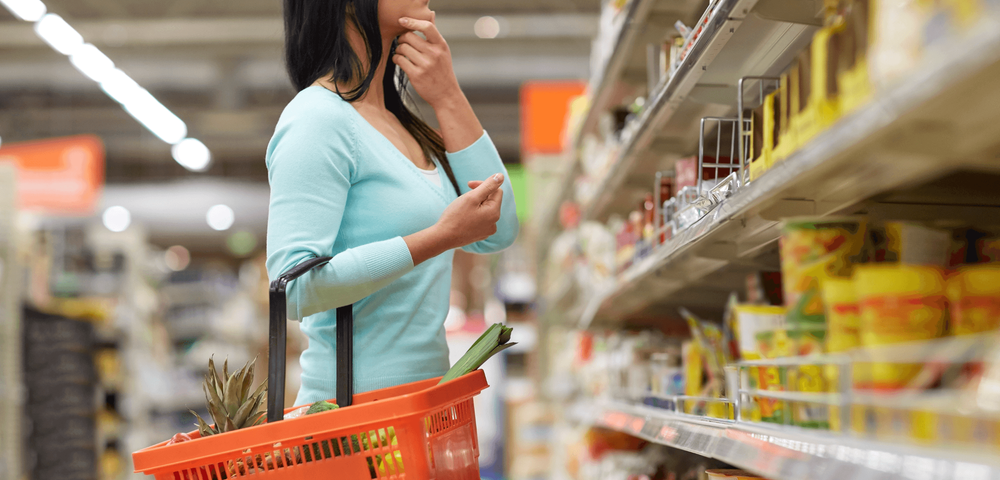
The average American household throws away $2,275 worth of food every year. That's not just wasted groceries, it's wasted money that could cover a vacation, emergency fund, or months of utility bills.
Cost-per-serving calculations change how budget-conscious eaters approach meal planning. Instead of guessing whether you're overspending or wondering why your grocery bill keeps climbing, you get concrete numbers that reveal exactly what each meal costs. This guide provides practical frameworks for calculating meal costs, selecting affordable ingredients, and tracking nutrition goals without sacrificing the foods you actually want to eat.
Understanding Cost-Per-Serving Calculations
What is Cost-Per-Serving?
Cost-per-serving is total ingredient cost divided by the number of servings produced. If a recipe costs $12 in ingredients and makes 6 servings, each serving costs $2.
This simple calculation enables homemade versus restaurant meal comparisons and identifies which recipe components drive up costs. It's particularly useful for understanding bulk purchase value, comparing product sizes across brands, and setting realistic meal budgets based on actual consumption patterns.
How to Calculate Cost-Per-Serving for Any Recipe
Start by dividing the package price by package quantity, then multiply by the amount used in your recipe. For example, if a $3.99 bag of rice contains 32 ounces and your recipe uses 8 ounces, that ingredient costs you $1.00.
Track individual ingredient costs using a spreadsheet or recipe cost calculator. Sum all ingredient costs, then divide by total servings produced. Digital calculators are available at Calculator Academy and Best-Calculators.com if you prefer automated calculations.
Factors That Affect Your Cost-Per-Serving
Brand and quality choices, seasonal price fluctuations, and cuisine type significantly impact per-serving costs. A recipe using imported specialty ingredients will always cost more than one built around pantry staples.
Bulk purchases, discounts, and promotions reduce overall per-serving costs when used strategically. Portion size, cooking methods, and regional pricing differences also play roles. Understanding these variables helps you make informed decisions about where to splurge and where to save.
Building Your Budget Meal Planning Framework
The Three P's: Plan, Purchase, Prepare
TMany nutrition education programs use a simple “3 P’s” approach: plan your meals, purchase what you need, and prepare at home. Planning ahead can reduce food waste, prevent last-minute takeout, and make sticking to a budget easier.
Setting Your Weekly Food Budget
According to the U.S. Bureau of Labor Statistics, average annual food spending in 2023 was $9,985, which is about $832 per month. USDA ERS also reports that in 2023, consumers spent about 11.2% of disposable personal income on food.
A simple way to set a per-meal target is: monthly budget ÷ meals you plan to eat at home. If you have $600 for 90 meals, that’s $6.67 per meal.
Creating a Cost-Conscious Grocery List
People who plan meals in advance report cutting weekly planning and grocery time nearly in half, saving over an hour each week.
Shopping with a list also helps reduce impulse buys. Organize it by store sections, include quantities, and track prices over time to spot patterns and sales.
Smart Shopping Strategies to Lower Food Costs
Shopping Tactics That Actually Work
Shopping while hungry leads to higher spending and more impulse purchases. Eating before you shop helps you stick to your list and avoid unnecessary extras.
Retailers place higher-priced items at eye level, so checking upper and lower shelves can uncover cheaper alternatives. Choosing store brands over name brands often delivers similar quality at a lower cost. Digital coupons and store rewards can also add up to meaningful savings over time.
When to Buy in Bulk (And When Not To)
Buying in bulk can lower per-unit costs, especially for items you use consistently. Pantry staples like rice, pasta, dried beans, canned goods, and household basics are usually good candidates.
Bulk buying only saves money if you actually use what you buy. Perishable items or foods you rarely eat can end up wasted, canceling out any savings. The best rule is simple: buy in bulk only when usage is predictable and storage is realistic.
Seasonal Shopping and Sales Cycles
Seasonal produce is usually cheaper and better quality than out-of-season imports. Planning meals around what’s in season helps stretch your budget without sacrificing nutrition.
Sales cycles also matter. Stocking up on shelf-stable staples during promotions and storing them properly can reduce long-term food costs. This strategy works especially well for grains, beans, flour, and frozen foods.
Budget-Friendly Ingredients That Don't Sacrifice Nutrition
Affordable Protein Sources
Eggs, beans, lentils, canned fish, and peanut butter provide high-quality protein at a low cost. They’re versatile, filling, and easy to incorporate into multiple meals throughout the week.
Plant-based proteins like lentils and beans also add fiber, helping meals stay satisfying while keeping costs down.
Cost-Effective Whole Grains and Legumes
Staples like rice, oats, quinoa, and whole wheat products offer inexpensive, long-lasting energy. Buying these foods in larger quantities can reduce costs when they’re used regularly.
Legumes like chickpeas, lentils, and black beans are among the most affordable foods available and work well across many cuisines, making them ideal for budget-focused meal planning.
Vegetables and Fruits on a Budget
Frozen fruits and vegetables retain nutritional value, reduce waste, and are often cheaper than fresh out-of-season produce. They also last longer, which helps prevent food from being thrown away.
Seasonal fresh produce offers the best balance of price and quality. Budget-friendly options like carrots, cabbage, sweet potatoes, and onions can anchor meals year-round.
Using Meal Planning Apps for Budget and Nutrition Tracking
Top App for Budget-Conscious Meal Planning
Fitia calculates optimal calories and macronutrients using scientific formulas, then generates structured meal plans that help you stay within your targets. The app combines nutrition science with practical meal planning, making it easier to hit your goals without constant manual calculations.
Fitia's AI-powered food logging via photo, voice, or text streamlines tracking. Instead of manually searching databases and entering portion sizes, you can snap a picture of your meal and let the app handle the details. The comprehensive progress tracking monitors weight, body fat, measurements, and nutrition trends, giving you a complete picture of how your eating patterns affect your results.
Features That Help You Save Money
Automatically generated grocery lists reduce forgotten ingredients and make shopping more intentional. Knowing exactly what to buy before entering the store makes it easier to stick to the plan and avoid impulse purchases.
Progress tracking also reveals patterns tied to eating and spending habits. When you consistently see that eating out costs far more than cooking at home, meal prep feels like a practical choice instead of extra work. Over time, planning saves both time and money while supporting healthier routines.
How Apps Reduce Food Waste
Meal planning helps ingredients get used instead of forgotten. Tracking what you buy and cook makes it easier to use food before it expires, reducing unnecessary waste.
Planning meals around shared ingredients stretches groceries across multiple dishes. One protein can become dinner one night, leftovers another day, and an add-on later in the week. Matching portion sizes to household needs also prevents overcooking, solving the common “cooking for four when you’re feeding two” problem.
Turn groceries into meals, not waste. Download Fitia and make your food budget work harder.
Meal Planning for Weight Loss on a Budget
How to Lose Weight Without Spending More
Effective weight loss does not require specialty foods or expensive supplements. Whole foods, portion control, and consistent habits remain the foundation.
Cooking at home is usually both cheaper and more predictable than eating out. Restaurant meals often cost significantly more and make portion control harder, which can slow progress and strain your budget.
Affordable Healthy Ingredients for Weight Loss
Whole grains like brown rice, quinoa, oats, and whole wheat bread provide sustained energy. Legumes including lentils, black beans, and chickpeas offer filling protein that supports muscle maintenance during weight loss.
Lean proteins such as chicken breast, turkey, tofu, and eggs add variety without breaking your budget. Low-fat dairy like yogurt and cottage cheese adds protein affordably while providing calcium and other nutrients.
Meal Prep Strategies for Weight Loss Goals
Preparing meals in advance helps with portion control and reduces impulse eating. When healthy meals are ready in your fridge, you're less likely to grab fast food during a busy evening.
Meal prep cuts down food waste while keeping grocery costs low. Budget-friendly options include batch-cooked soups, grain bowls, and protein-vegetable combinations. Planning ahead prevents expensive last-minute food decisions that derail both your budget and your weight loss goals.
Reducing Food Waste to Maximize Your Budget
The Real Cost of Food Waste
U.S. food waste is estimated at 30–40% of the food supply, based on USDA loss estimates at the retail and consumer levels. In 2010, that corresponded to about 133 billion pounds and roughly $161 billion worth of food.
At the household level, the cost adds up fast. In 2024, ReFED estimates the average American spent $762 on food that went uneaten.
Awareness is still low. A MITRE-Gallup survey found that only 33% of households know the average household could save at least $1,500 per year by eliminating food waste.
Practical Food Waste Prevention Strategies
Waste prevention starts with planning. Buying only what you intend to use, storing food properly, and cooking flexible meals all help extend ingredient life.
Leftovers can be repurposed across meals, and shared ingredients can stretch bulk purchases further. Proper storage and realistic portion sizes prevent food from being thrown away before it’s eaten.
Environmental Benefits of Waste Reduction
If global food waste were a country, it would be one of the world’s largest greenhouse gas emitters. Estimates show food loss and waste account for roughly 8–10% of global greenhouse gas emissions, equivalent to about 4.4 billion tonnes of CO₂-equivalent per year.
Food that ends up uneaten has already consumed land, water, fuel, fertilizer, labor, and packaging. Reducing waste cuts emissions upstream and downstream while also lowering household food spending. It’s one of the rare changes that benefits both your budget and the environment at the same time.
FAQs About Budget Meal Planning and Cost-Per-Serving
How do I calculate cost per serving for my meals?
Divide the total ingredient cost by the number of servings the recipe makes. For individual ingredients, divide the package price by the package quantity, then multiply by the amount used in the recipe. This helps you compare homemade meals with eating out and identify which ingredients drive costs.
How much can meal planning really save me?
Savings vary by household, but research consistently shows that reducing food waste and cooking more at home can save hundreds to thousands of dollars per year, depending on habits and household size. Even small improvements, like planning meals and using leftovers, add up over time.
What are the cheapest protein sources for budget meal planning?
Budget-friendly protein options include eggs, beans, lentils, canned fish, tofu, and peanut butter. These foods provide high protein per dollar and can be used across many meals without increasing grocery costs.
How does buying in bulk save money?
Buying in bulk can lower the per-unit price for items you use regularly, such as grains, beans, canned goods, and household staples. The savings come from reduced packaging and lower cost per unit, not from buying more food overall.
What foods should I avoid buying in bulk?
Avoid bulk purchases of foods you don’t use consistently or that spoil quickly unless you can freeze or preserve them. Bulk only saves money when items are used before expiration and fit your normal eating habits.
Can I lose weight while eating on a tight budget?
Yes. Weight loss depends on calorie balance and consistency, not expensive foods. Meals built around legumes, vegetables, whole grains, and affordable lean proteins can support fat loss while keeping costs low.
What’s the best way to combine budgeting and nutrition tracking?
Using a tool like Fitia helps you plan meals, track calories and macros, and see how your food choices affect both your goals and your grocery spending. Faster logging and structured plans make it easier to stay consistent without extra effort.
How do I reduce food waste while meal planning?
Plan meals ahead, buy only what you’ll use, store food properly, and cook flexible recipes. Reusing ingredients across multiple meals and repurposing leftovers helps prevent food from being thrown away before it’s eaten.
Conclusion
Cost-per-serving turns budget meal planning into a practical strategy instead of a restriction. When you know what each meal actually costs, you can make informed decisions about where your food budget goes and how much value you’re getting in return.
Combining simple cost calculations, smart shopping habits, waste reduction, and consistent tracking helps you spend less, eat better, and waste less food over time. Start small: calculate the cost of your most common meals or use a planning tool like Fitia to simplify the process. Over time, these habits compound, improving your nutrition, your budget, and your impact on the environment.
References
- Natural Resources Defense Council. (2012, August 20). New report: America trashes 40 percent of its food supply. https://www.nrdc.org/press-releases/new-report-america-trashes-forty-percent-food-supply
- University of Arizona Cooperative Extension. (n.d.). Plan, purchase, prepare. https://extension.arizona.edu/sites/extension.arizona.edu/files/attachment/plan-purchase-prepare.pdf
- U.S. Bureau of Labor Statistics. (2024). Consumer expenditures—2023. https://www.bls.gov/opub/reports/consumer-expenditures/2023/
- U.S. Department of Agriculture, Economic Research Service. (2024, October). U.S. consumers increased spending on food away from home in 2023, driving overall food spending growth. https://www.ers.usda.gov/amber-waves/2024/october/u-s-consumers-increased-spending-on-food-away-from-home-in-2023-driving-overall-food-spending-growth
- U.S. Department of Agriculture. (n.d.). Food waste FAQs. https://www.usda.gov/about-food/food-safety/food-loss-and-waste/food-waste-faqs
- U.S. Food and Drug Administration. (n.d.). Food loss and waste. https://www.fda.gov/food/consumers/food-loss-and-waste
- ReFED. (n.d.). Consumer food waste. https://refed.org/food-waste/consumer-food-waste
- World Resources Institute. (n.d.). What’s food loss and waste got to do with climate change? A lot, actually. https://www.wri.org/insights/whats-food-loss-and-waste-got-do-climate-change-lot-actually
Related articles
 Fat Loss
Weight Loss Calorie Chart (2026): How Many Calories to Eat by Body Weight, Sex, and Activity
See how many calories to eat to lose weight, with simple charts by body weight and activity, plus why your target changes as you go.
Read article
Best Calorie Counter App for Muscle Gain in the US (2026): 4 Apps Compared for Lifters
The 4 best calorie counter apps for US lifters in 2026, compared on macros, database, adaptation, and meal planning.
Read article
Best Online Nutrition Coach in the US (2026): What to Look For Before You Pay
Online nutrition coaching in the US 2026: three tiers, what the research says, and the red flags to spot before you pay for an app or coach.
Read article