6 Quick Recipes with Key Macros to Boost Your College Performance
Fuel your brain with 6 quick, macro-balanced recipes. Save time, stay sharp, and power through classes, exams, and long study sessions.
- Published
- Updated
- 8 min read
- 8 min read
Why Macronutrients Matter in College
Macronutrients (protein, carbohydrates, and fats) are the nutrients your body needs in large amounts. Each one plays a unique role in brain function and energy levels, which is especially important when you need to stay sharp during long study sessions (1).
The difference between just eating something and actually fueling your brain comes down to how these nutrients work together. Complex carbs provide steady glucose for the brain (2), protein supports neurotransmitter production (3), and healthy fats keep brain cells and signaling systems functioning properly (4).
Key Nutrition Strategies for Students:
- Macro timing: Pairing protein with complex carbs before a study block can improve focus (5).
- Functional snacks: Smart macro combos help sustain concentration.
- Meal prep: Planning ahead saves time and keeps your nutrition balanced.
Who Benefits Most from Optimizing Macros
- Freshmen: Building solid nutrition habits early helps you keep energy stable while adjusting to new schedules and demands.
- Exam periods: Under academic stress, your brain can burn up to 20% more glucose. Eating strategically helps prevent mental burnout.
- Students with packed schedules: If you juggle classes, work, sports, or extracurriculars, the right macro timing and balance can help you perform in every area without sacrificing your health.
Why Balanced Macros Fuel Academic Success
Carbohydrates: The Brain’s Favorite Fuel
Your brain consumes about 20% of daily energy in the form of glucose (1). Complex carbs like oats, quinoa, and brown rice release glucose slowly, preventing spikes and crashes that disrupt concentration (2). That steady energy is essential for long-term memory and sustained attention.
Protein: Builders of Neurotransmitters
Protein does more than support muscle. It is also required for producing neurotransmitters like dopamine, serotonin, and acetylcholine (3). Getting around 20–25% of your calories from protein ensures a steady supply of amino acids for learning and memory retention (5).
Healthy Fats: Brain Protectors
About 60% of the brain is made of fat. Omega-3 fatty acids, especially DHA, are crucial for synaptic plasticity and myelination (4). Healthy fats also support the absorption of fat-soluble vitamins (A, D, E, K), which play neuroprotective roles (6).
Key Micronutrients for Students
- B vitamins (B1, B6, B12, folate): Support energy metabolism, neurotransmitter production, and help reduce mental fatigue (7).
- Iron: Carries oxygen to the brain; deficiency lowers concentration (8).
- Zinc: Supports memory and learning (9).
- Magnesium: Plays a role in over 300 enzymatic reactions, including those that regulate brain plasticity (10).
- Iodine: Needed for thyroid hormones that regulate brain metabolism (11).
- Antioxidants: Vitamin C, vitamin E, and flavonoids protect against oxidative stress and support cognitive health (12).
6 Quick Recipes with Optimized Macros for College Students
1. Protein Chia Pudding with Chocolate and Almonds
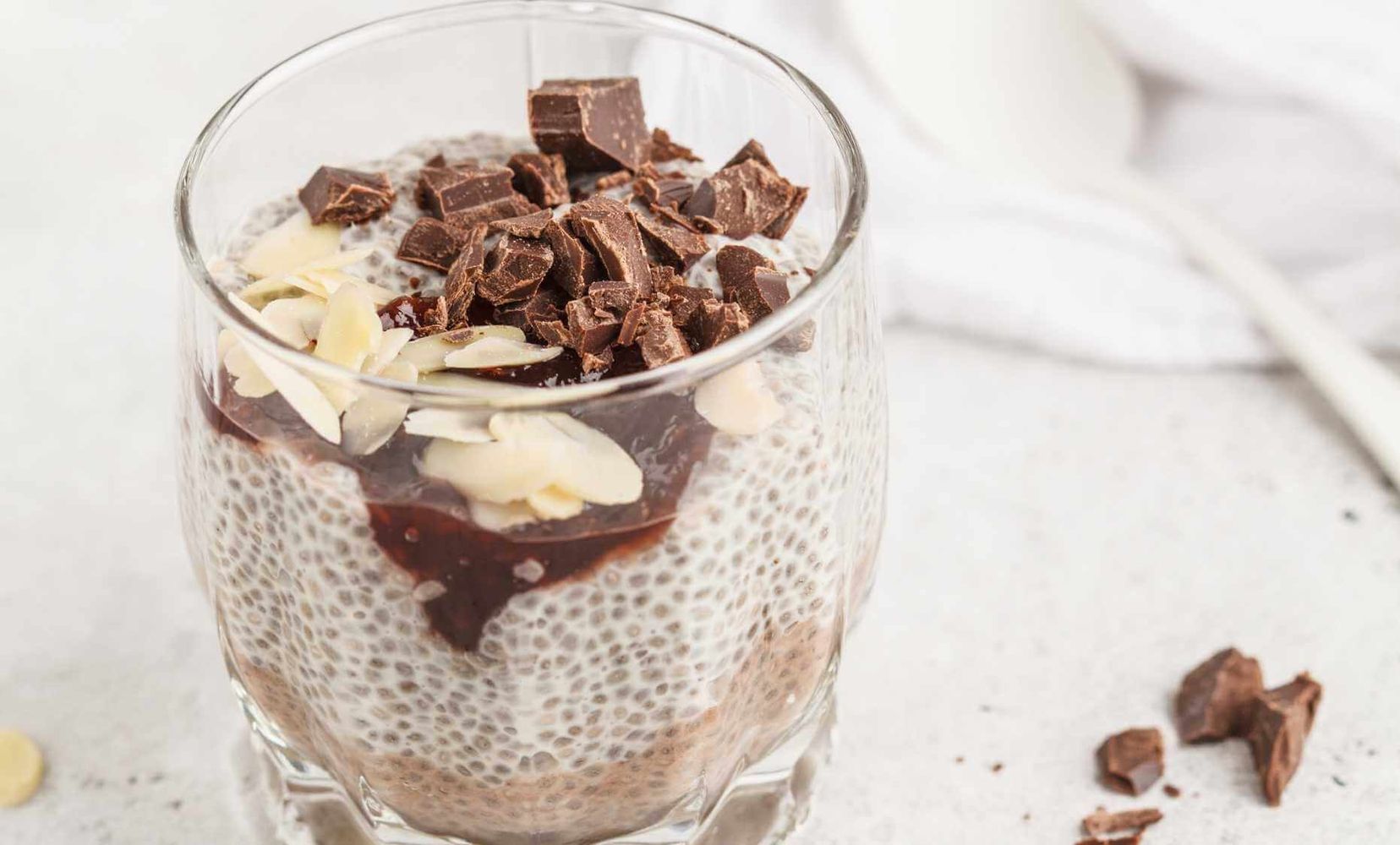
Prep time: 8 minutes
Ingredients for 1 serving (267 g)
- Almond – 1/2 tablespoon (7 g)
- Chia seeds – 4 tablespoons (40 g)
- Soy milk – 3/4 cup (180 ml)
- Dark chocolate (70–85% cacao) – 1 small square (10 g)
- Protein powder – 1 scoop (30 g)
Instructions
- Mix plant-based milk, chocolate protein powder, and chia seeds in a bowl. Let sit for 5 minutes.
- Chop or grate dark chocolate and almonds.
- Pour the pudding into a glass and top with chocolate and almonds.
- Optional: sweeten with stevia, monk fruit, xylitol, or erythritol.
Cognitive benefits:
- Chia seeds provide plant-based omega-3s.
- Protein powder offers fast-absorbing amino acids.
- Almonds add vitamin E, an antioxidant that protects brain cells.
- Dark chocolate supplies flavonoids that improve blood flow to the brain.
2. Scrambled Eggs and Cheese Wrap
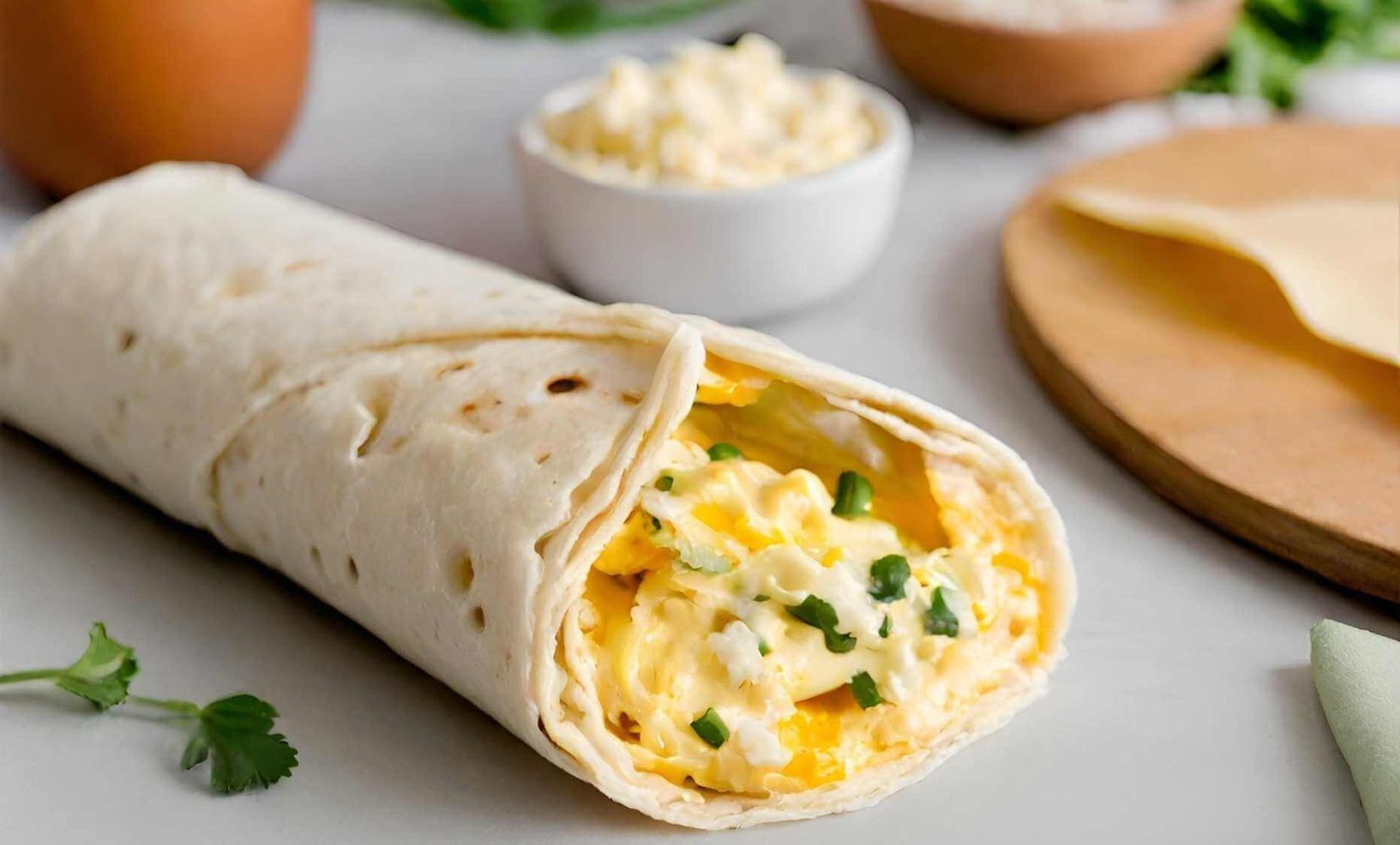
Prep time: 10 minutes
Ingredients for 1 serving (175 g)
- Cheese – 1 slice (25 g)
- Tortilla – 1 piece (40 g)
- Egg – 2 pieces (110 g)
Instructions
- Preheat a non-stick pan over medium heat. If using a regular pan, add a little oil.
- Slice the cheese into strips.
- Crack the eggs into a bowl, season with salt and pepper, and beat well.
- Pour the eggs into the heated pan. Reduce heat to low and scramble until cooked to your liking.
- Add the cheese strips on top, cover, and let melt for 1 minute.
- In another pan, warm the tortilla for 1–2 minutes per side.
- Place the tortilla on a plate, add the scrambled eggs, fold in the sides, roll up, and serve.
- Optional: Sprinkle with chopped scallions.
Cognitive benefits:
- Eggs are the best source of choline, key for memory neurotransmitters.
- Cheese provides calcium and vitamin B12.
- Whole-grain tortillas deliver steady energy from complex carbs.
3. Ham, Cheese and Carrot Roll Ups
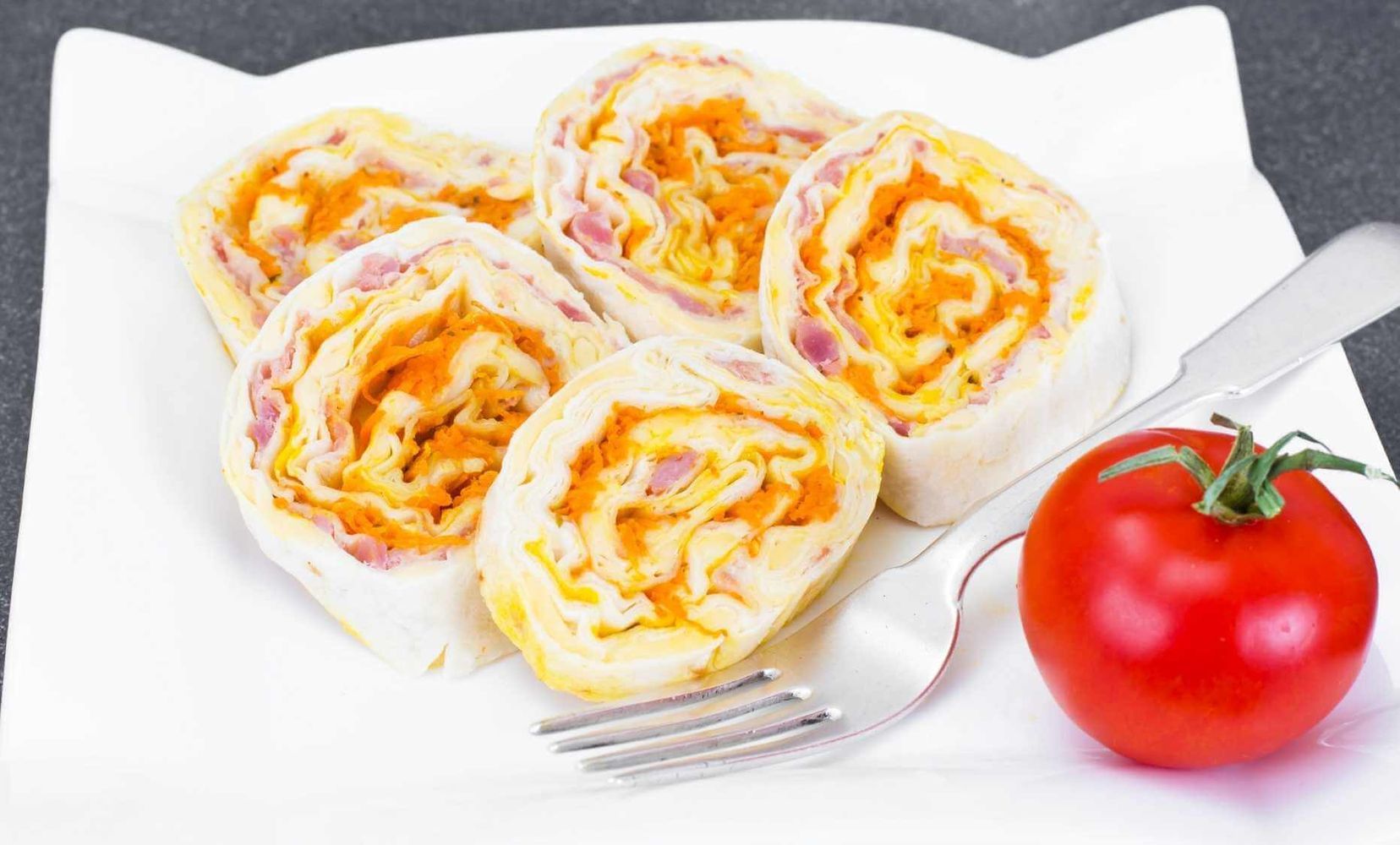
Prep time: 10 minutes
Ingredients for 1 serving (155 g)
- Carrot – 1/2 medium (30 g)
- Ham – 2 slices (60 g)
- Mozzarella cheese – 1 slice (25 g)
- Tortilla – 1 piece (40 g)
Instructions
- Grate the carrot.
- Warm a tortilla briefly on both sides.
- Layer ham, mozzarella, and shredded carrot.
- Roll up, slice, and serve.
Cognitive benefits:
- Ham provides high-quality protein and B vitamins.
- Mozzarella adds protein and calcium for satiety.
- Carrots provide beta-carotene, good for eye health.
- Balanced mix of protein and carbs for stable glucose.
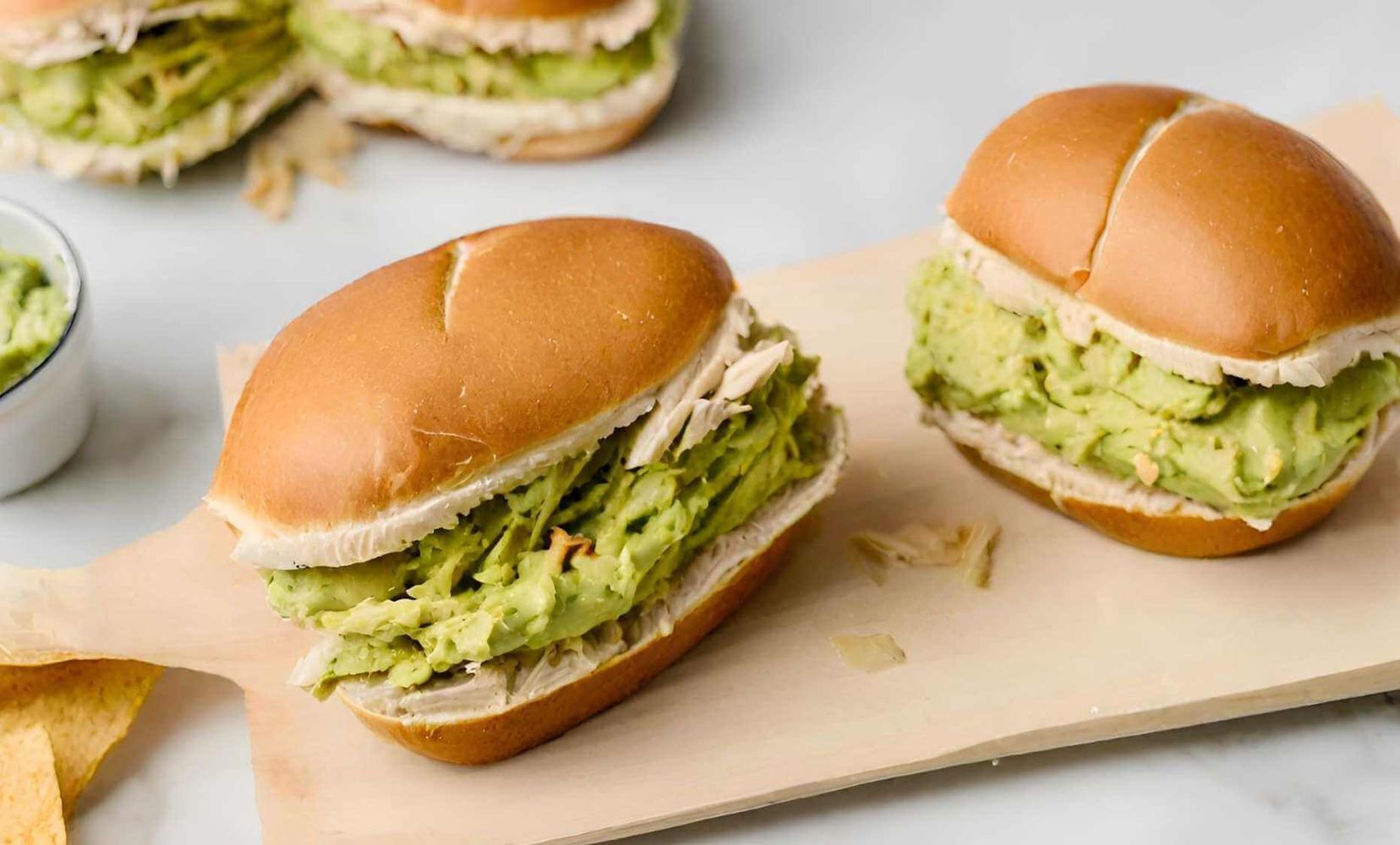
4. Shredded Chicken and Guacamole Sandwiches
Prep time: 15 minutes
Ingredients for 1 serving (405 g)
- Avocado – 1/2 piece (120 g)
- Chicken breast – 150 g
- Bread – 2 slices (120 g)
- Lime juice – 1 tablespoon (15 g)
Instructions
- Boil or pan-cook chicken until fully cooked. Shred with two forks.
- Mash avocado with lemon juice, salt, and pepper.
- Mix the chicken into the guacamole.
- Fill whole-grain bread with the mixture.
Cognitive benefits:
- Chicken provides tryptophan and tyrosine for serotonin and dopamine.
- Avocado supplies heart-healthy fats that improve brain circulation.
- Lemon adds vitamin C to boost iron absorption.
- Whole-grain bread delivers complex carbs and fiber for steady energy.
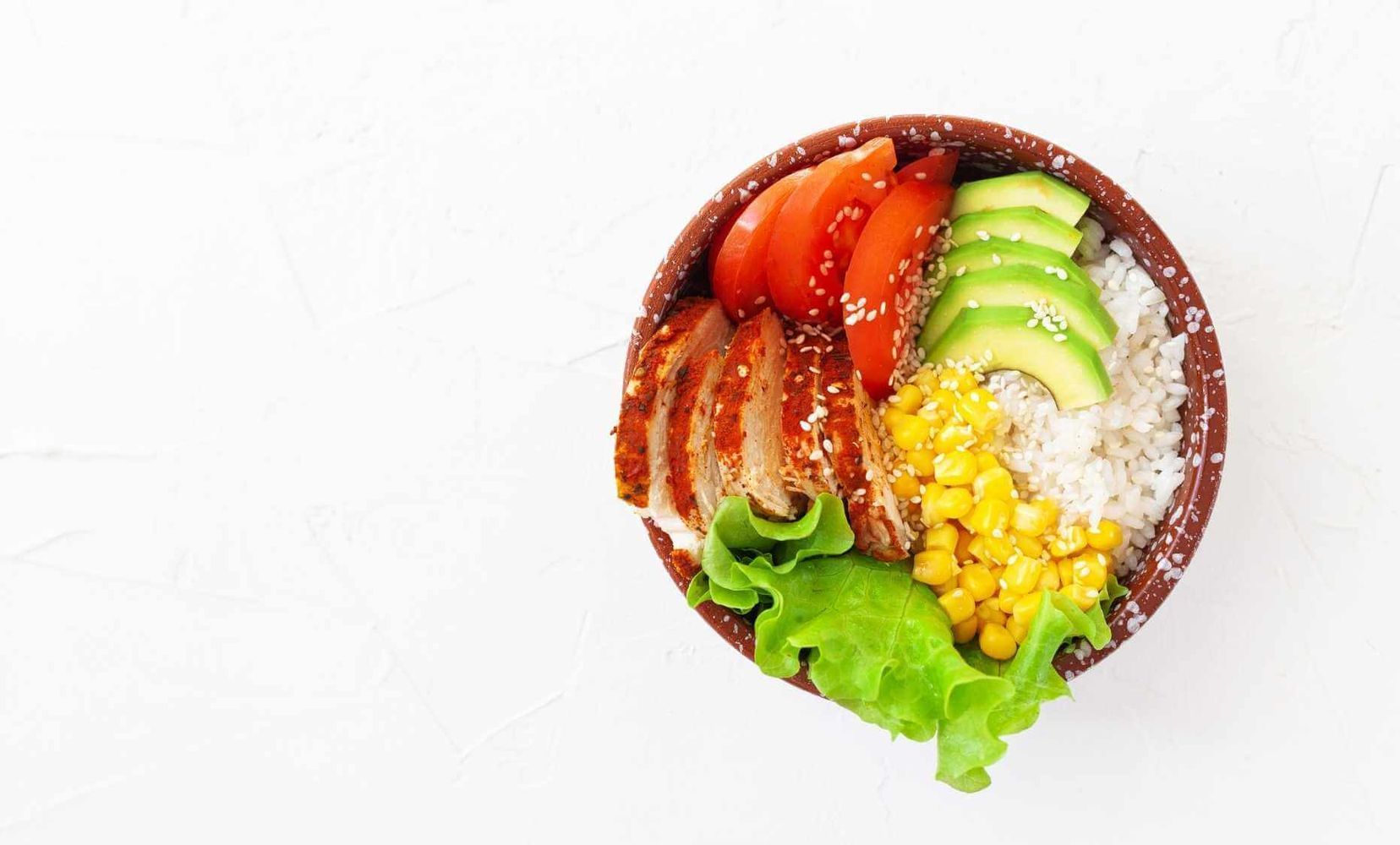
5. Chicken with Rice, Corn, Avocado and Tomato
Prep time: 20 minutes
Ingredients for 1 serving (535 g)
- Avocado – 1/4 piece (60 g)
- Tomato – 1/2 piece (65 g)
- Chicken breast – 150 g
- Olive oil – 1 tablespoon (10 ml)
- Rice – 1/2 cup (100 g)
- Lemon juice – 1 tablespoon (15 g)
- Corn – 1/2 piece (125 g)
- Lettuce – 1 leaf (10 g)
Instructions
- Cook chicken breasts in a skillet with seasoning until golden.
- Slice lettuce, avocado, and tomato.
- Mix olive oil, lemon juice, salt, and pepper into a quick dressing.
- Combine chicken, rice, avocado, tomato, lettuce, and corn in a bowl and drizzle with dressing.
Cognitive benefits:
- Chicken provides complete protein.
- Rice replenishes brain glycogen.
- Avocado adds folate and vitamin K.
- Corn provides lutein and zeaxanthin for eye health.
- Tomato adds lycopene, a powerful antioxidant.
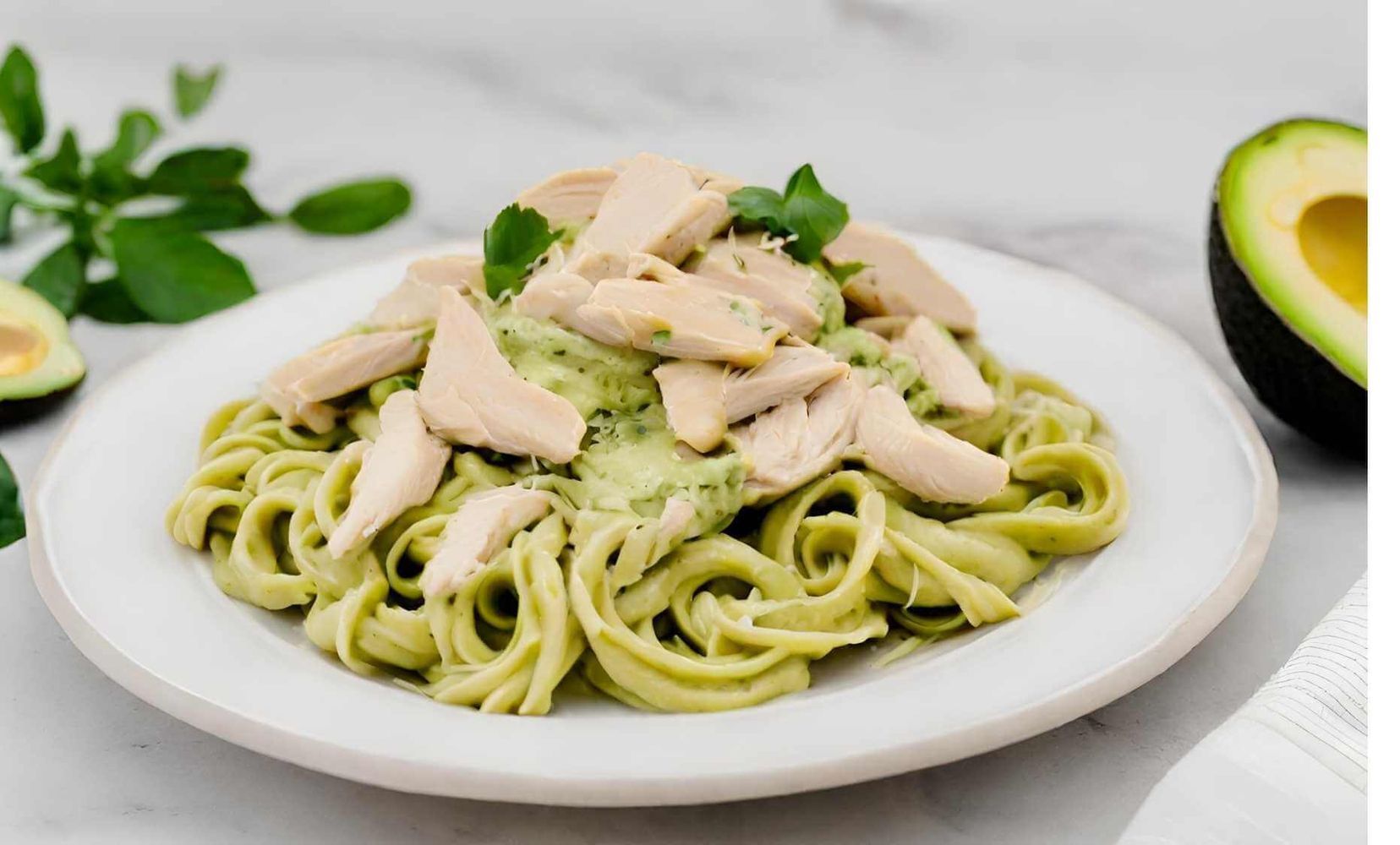
6. Creamy Avocado Pasta with Chicken
Prep time: 25 minutes
Ingredients for 1 serving (372 g)
- Avocado – 1/2 piece (120 g)
- Basil – 1 leaf (1 g)
- Garlic – 1/2 clove (2 g)
- Chicken breast – 120 g
- Pasta – 1/2 cup (80 g)
- Milk – 2 tablespoons (30 ml)
- Olive oil – 1 teaspoon (5 ml)
- Lemon juice – 1 tablespoon (15 g)
Instructions
- Cook pasta according to package directions.
- In a skillet, sauté garlic in oil, then add seasoned chicken and cook until done. Slice into strips.
- Blend avocado, lemon juice, basil, and milk into a creamy sauce.
- Combine the sauce with the pasta, season, and mix well. Serve topped with chicken.
Cognitive benefits:
- Avocado adds healthy fats and vitamin E.
- Chicken gives lean protein for neurotransmitter production.
- Basil contains anti-inflammatory compounds.
- Garlic supports healthy blood flow.
Smart Habits to Boost Brain Power
Stay Hydrated
The brain is about 70 to 80 percent water, and even mild dehydration (just 1 to 2 percent of body weight) can impair short-term memory, attention, and mood (13). Long-term studies also show that poor hydration is linked to faster cognitive decline in adults with metabolic risk factors (14).
Keep a water bottle visible and set reminders to drink throughout the day. Adding a pinch of salt and citrus can improve fluid retention, though for most students, regular water intake is enough.
Smarter Supplementation for Students
Food should always come first, but during heavy academic periods, some supplements can help fill in the gaps:
- Omega-3s (EPA and DHA): Support brain signaling and memory. Strongest benefits are seen in people with low fish intake (15).
- Vitamin D: Linked to mood and cognitive health, especially relevant for students who spend most of their time indoors (16).
- Magnesium: Helps regulate neurotransmitters and supports sleep quality. Adequate levels are linked to better focus and resilience to stress (17).
- Zinc: Important for memory and immune function. Supplementation is most effective when intake is low (9).
Why Fitia is the Perfect Ally for College Nutrition
In college, every minute counts and so does your energy. Fitia is built for students who want to maximize their potential through smart nutrition. Unlike generic calorie-tracking apps, Fitia adapts to student life: irregular schedules, tight budgets, and the constant need for focus.
What makes Fitia different is its data-driven, personalized approach. The app does not just track macros. It analyzes your preferences and suggests practical alternatives when you are pressed for time. With its extensive recipe library, including the six here, you can save your favorites, customize them, and get recommendations aligned with your academic goals.
References
- Magistretti PJ, Allaman I. A cellular perspective on brain energy metabolism and functional imaging. Neuron. 2015;86(4):883–901. doi:10.1016/j.neuron.2015.03.035
- Lamport, D. J., Lawton, C. L., Mansfield, M. W., & Dye, L. (2009). Impairments in glucose tolerance can have a negative impact on cognitive function: a systematic research review. Neuroscience and biobehavioral reviews, 33(3), 394–413. https://doi.org/10.1016/j.neubiorev.2008.10.008
- Fernstrom JD. Large neutral amino acids: dietary effects on brain neurochemistry and function. Amino Acids. 2013;45(3):419–30. doi:10.1007/s00726-012-1330-y
- Gómez-Pinilla F. Brain foods: the effects of nutrients on brain function. Nat Rev Neurosci. 2008;9(7):568–78. doi:10.1038/nrn2421
- Benton D, Parker PY. Breakfast, blood glucose, and cognition. Am J Clin Nutr. 1998;67(4):772S–778S. doi:10.1093/ajcn/67.4.772S
- Grimm MO, Rothhaar TL, Hartmann T. The role of APP proteolytic processing in lipid metabolism. Exp Brain Res. 2012;217(3-4):365–75. doi:10.1007/s00221-011-2862-2
- Kennedy DO. B Vitamins and the brain: mechanisms, dose and efficacy—a review. Nutrients. 2016;8(2):68. doi:10.3390/nu8020068
- Beard JL. Iron deficiency alters brain development and functioning. J Nutr. 2003;133(5 Suppl 1):1468S–1472S. doi:10.1093/jn/133.5.1468S
- Takeda A. Zinc homeostasis and functions of zinc in the brain. Biometals. 2001;14(3-4):343–51. doi:10.1023/A:1012988922405
- Barbagallo M, Dominguez LJ. Magnesium and aging. Curr Pharm Des. 2010;16(7):832–9. doi:10.2174/138161210790883615
- Zimmermann MB. Iodine deficiency and thyroid disorders. Lancet Diabetes Endocrinol. 2014;2(2):129–38. doi:10.1016/S2213-8587(13)70225-6
- Spencer JP. Flavonoids: modulators of brain function? Br J Nutr. 2008;99(E-S1):ES60–77. doi:10.1017/S0007114508965776
- Benton D, Young HA. Do small differences in hydration status affect mood and cognition? A review of the literature. Nutr Rev. 2015;73(S2):83–96. doi:10.1093/nutrit/nuv045
- Muñoz CX, et al. Water intake, hydration status and 2-year changes in cognitive performance in older adults with metabolic syndrome. BMC Med. 2023;21(1):245. doi:10.1186/s12916-023-02771-4
- Zhang Y, et al. Omega-3 polyunsaturated fatty acids and cognitive function: a systematic review and dose–response meta-analysis. Sci Rep. 2025;15:1268. doi:10.1038/s41598-025-16129-8
- Okereke OI, Singh A. The role of vitamin D in the prevention of late-life depression. Curr Psychiatry Rep. 2016;18(6):43. doi:10.1007/s11920-016-0688-9
- Chen, F., Wang, J., Cheng, Y., Li, R., Wang, Y., Chen, Y., Scott, T., & Tucker, K. L. (2024). Magnesium and Cognitive Health in Adults: A Systematic Review and Meta-Analysis. Advances in nutrition (Bethesda, Md.), 15(8), 100272. https://doi.org/10.1016/j.advnut.2024.100272
Related articles
 Recipes
7 Easy Vegetarian Substitutes for Your Weekend Meal Planning
Explore seven easy vegetarian swaps for your weekend meal prep and learn how to track every recipe in Fitia to stay on top of your nutrition goals.
Read article Recipes
Top 7 Latin Dishes You Can Cook in the US
Cook bold Latin dishes at home with simple US friendly ingredients. Easy recipes from Mexico to Puerto Rico that bring real flavor to your kitchen.
Read article Recipes
High-Protein, Low-Sugar Snacks to Power Through Your Workday
Stay energized at work with high-protein, low-sugar snacks that taste great and keep you full—without the vending machine sugar crash.
Read article