The Complete Guide to Plant-Based Micronutrients: Iron, B12, Omega-3, Calcium + How to Track Them
Learn how to manage iron, B12, omega-3s, and calcium on a plant-based diet, plus simple ways to track micronutrients and avoid gaps.
- Published
- Updated
- 11 min read
- 11 min read
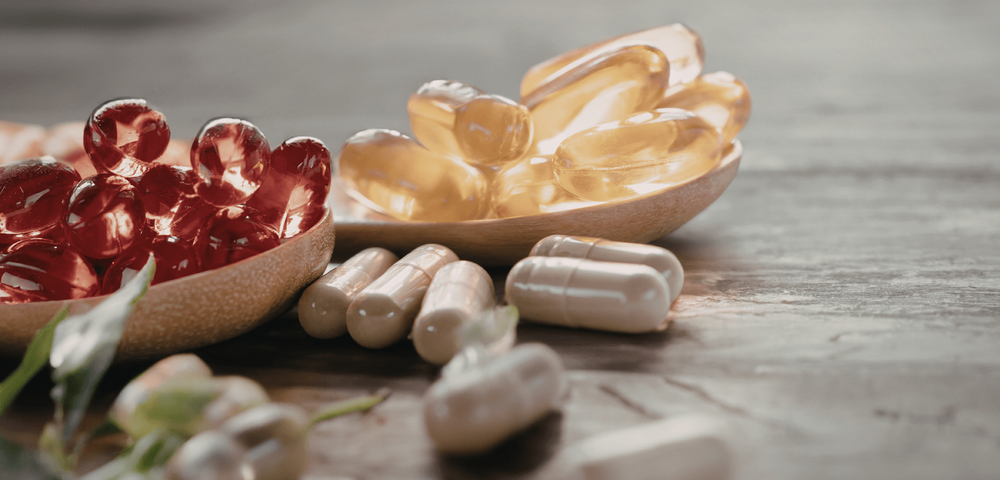
Well-planned vegan diets can be nutritionally adequate, but they require strategic attention to iron, B12, omega-3s, and calcium. Modern nutrition tracking apps now monitor a high number of nutrients, helping identify deficiencies before they become serious health problems.
Understanding Plant-Based Micronutrient Challenges
Why Micronutrients Matter on Plant-Based Diets
Vegetarians and vegans are at higher risk of low B12, and can be at risk for low vitamin D, iron, zinc, iodine, and calcium if the diet is not planned. B12 isn’t reliably available from unfortified plant foods; iron and zinc are present but often have lower bioavailability. Following a vegan diet may result in deficiencies of B12, zinc, calcium, and selenium that shouldn't be dismissed as minor concerns.
Lower bioavailability means you need higher intake levels to meet the same nutritional requirements. Nutrition tracking apps can uncover chronic deficiencies through detailed intake analysis before symptoms appear.
Common Nutritional Gaps in Vegan Diets
The majority of vegans consume below 750 mg of calcium daily, falling short of recommended levels. The gap becomes even more dramatic with B12: average intake sits at 0.4 μg in vegans versus 7.2 μg in meat-eaters.
DHA and EPA omega-3s are not prevalent in plant-based diets, requiring either careful food selection or supplementation. Iron bioavailability ranges from 5-12% for plant-based eaters compared to 14-18% for omnivores, creating another significant challenge.
Who's Most at Risk for Deficiencies
About 30% of women 15–49 globally have anemia, and iron deficiency is a leading cause, making this demographic particularly vulnerable. The statistics for B12 are even more concerning: In a review, one study reported 62% B12 deficiency among pregnant women in a low-animal-food context; deficiency rates vary widely across vegetarian and vegan groups.
Pregnancy, breastfeeding, childhood, and athletic training increase nutritional challenges on any diet. B12 deficiency is much more common in older adults (often reported above 20%)., regardless of diet type.
Vegan Iron Sources and Absorption
Daily Iron Requirements for Plant-Based Diets
The RDA is 18 mg for menstruating females and 8 mg for post-menopausal women and adult men. But here's the catch: plant-based eaters should consume 180% of RDA recommendations due to lower absorption rates.
This translates to approximately 32 mg daily for menstruating women on plant-based diets. Non-heme iron is absorbed at 17% or less compared to 25% for heme iron from animal sources.
Best Plant-Based Iron Sources
Some iron-fortified cereals provide around 16 mg of iron per serving, but it varies by brand, so check the nutrition label. Legumes including beans, peas, and lentils provide substantial iron in reasonable serving sizes.
Dark chocolate, spinach, and fortified grains supply non-heme iron in varying amounts. Nuts, seeds, and dark green vegetables offer additional sources that add up throughout the day.
How to Enhance Iron Absorption
Vitamin C can substantially increase nonheme iron absorption, especially when inhibitors are present. Pair iron-rich foods with citrus fruits, kiwis, strawberries, bell peppers, or broccoli at the same meal.
Ascorbic acid significantly enhances non-heme iron absorption and can partially counteract inhibitors like phytates and polyphenols from tea and coffee. Soaking grains, nuts, seeds, and legumes reduces phytate content, increasing the amount of iron your body can absorb.
Iron Absorption Inhibitors to Avoid
Tea and coffee can inhibit non-heme iron absorption when taken with meals. If iron status is a concern, have them between meals, ideally at least ~1 hour away.
Calcium (especially supplements taken together with iron) can reduce iron absorption in the short term, so if you’re supplementing iron or managing low iron, take calcium and iron supplements at different times.
Cooking in cast iron can increase the iron content of foods (especially acidic, moist dishes cooked longer), which may modestly support iron intake over time.
Recognizing Iron Deficiency Symptoms
Iron deficiency is the most common nutrient deficiency worldwide. Symptoms include fatigue, dizziness, pallor, headache, and alopecia.
Restless leg syndrome often indicates potential iron deficiency. Visit your doctor yearly for blood work to track iron trends and catch problems early.
Vitamin B12 for Vegans: Critical Supplementation
Why B12 is Non-Negotiable for Vegans
B12 is arguably the most important nutrient in vegan nutrition, with no reliable plant sources. Only B12-fortified foods and supplements support optimal vegan health.
Deficiency is common among unsupplemented vegans with irreversible neurological complicationsunsupplemented vegans. If left untreated, vitamin B12 deficiency can cause anemia and potentially irreversible neurologic damage, and has been associated with cognitive decline and bone health issues in some populations.
Recommended B12 Intake Levels
The RDA is 2.4 micrograms daily for ordinary adults. Because absorption is limited, vegans typically meet requirements by either consuming B12-fortified foods 2–3 times daily (totaling ~4–6 µg), or by taking a supplement of ~25–100 µg daily, or ~2000 µg weekly. Higher doses compensate for reduced absorption efficiency.
Fortified Foods vs. Supplements
Breakfast cereals and fortified dairy products contain B12 for vegetarians. Non-dairy milks, meat substitutes, and nutritional yeast are fortified with B12 for vegans.
Transitioning adults should take 50-100 μg cyanocobalamin daily or 2000 μg weekly. Spirulina, dried nori, barley grass, and seaweeds are inadequate for vegans despite marketing claims.
B12 Deficiency Warning Signs
Fatigue and tingling in hands or feet are early indicators. Unusual fatigue, tingling in fingers or toes, poor cognition, and poor digestion all signal potential deficiency.
Monitor B12 status through regular blood tests rather than waiting for symptoms to appear. By the time you feel the effects, damage may already be underway.
Omega-3 Fatty Acids on Plant-Based Diets
Understanding ALA, EPA, and DHA
Three omega-3 fats matter for human nutrition: ALA, DHA, and EPA. ALA commonly occurs in vegan diets, but DHA and EPA are not prevalent in plant foods.
Conversion of ALA to EPA is limited, and conversion to DHA is very low. Because DHA and EPA are scarce in plant foods and conversion from ALA is inefficient, many experts recommend algae-based DHA/EPA supplements for vegans, especially during pregnancy, breastfeeding, and aging.
Plant-Based ALA Sources
Chia seeds contain 5 grams of omega-3s per ounce. Flaxseed provides 2.4 grams per tablespoon, making it another concentrated source.
Hemp seeds, walnuts, and flax oil provide ALA in varying amounts. Consume 2200-4400 mg ALA daily without DHA/EPA supplementation, or reduce to 1100-1600 mg if you're taking algae supplements.
EPA and DHA Supplementation Guidelines
Health organizations recommend 250-500 mg of combined DHA and EPA daily for healthy adults. 200-300 mg DHA and EPA daily or 2-3 times weekly meets minimum requirements for most people.
A typical vegan supplement delivers about 200 mg DHA and 100 mg EPA per capsule.
Omega-3 Deficiency Indicators
Low omega-3 status has been associated with dry skin, cognitive changes, and mood disturbances, though symptoms overlap with many conditions.
Plant-Based Calcium Sources and Absorption
Calcium Requirements for Vegans
The RDA is 1,000 mg daily for most adults. Adults over 50 need 1,200 mg daily to maintain bone health.
The majority of vegans consume below 750 mg/day, falling short of recommendations. This gap accumulates over time, potentially affecting bone density.
Calcium Sources
Low-oxalate greens such as bok choy, kale, broccoli, cabbage, mustard greens, turnip greens, and watercress provide calcium with relatively good absorbability.
Legumes like chickpeas, kidney beans, and peas contribute moderate amounts of calcium, though absorption is limited by phytates.
Calcium-set tofu and fortified plant milks and juices offer concentrated, reliable sources. Wholemeal bread and fortified almond drinks add smaller amounts that can accumulate across the day.
Calcium Absorption Inhibitors
Spinach is high in oxalates, which severely limit calcium absorption, making it a poor primary calcium source despite its high calcium content.
Sweet potatoes and legumes contain oxalates and phytates that can reduce calcium absorption, though they still contribute modestly to total intake.
Because these compounds inhibit absorption, prioritize low-oxalate greens when calcium intake is a priority.
Using Nutrition Tracking Apps for Micronutrient Monitoring
Key Features of Micronutrient Tracking Apps
Micronutrient tracking apps help monitor nutrients such as B12, iron, calcium, and zinc. Large food databases with barcode scanning and macronutrient tracking simplify daily logging.
Dynamic micronutrient goal ranges display minimum, target, and upper intake levels for each nutrient. Data-driven tracking provides detailed estimates of calorie, macronutrient, and micronutrient intake.
How Apps Prevent Nutritional Deficiencies
Track protein and calorie intake over two weeks to establish baseline patterns. Identify nutritional gaps through advanced analytics that spot trends you'd miss manually.
Monitor B12, iron, calcium, and zinc that vegans need special attention to. Ensure you hit protein, iron, and B12 targets consistently rather than occasionally.
Prevention Strategies for Vegan Nutritional Gaps
Strategic Dietary Planning
Regularly use fortified foods and supplements for calcium, iron, vitamin D, and B12. Incorporate a wide variety of fruits, vegetables, grains, and legumes for a broad nutrient spectrum.
Experiment with different cuisines to access diverse food sources. Choose fortified plant milks, cereals, and nutritional yeasts when shopping.
Regular Health Monitoring
Periodic blood tests identify deficiencies early before symptoms develop. Visit your doctor yearly for iron level blood work and B12 testing.
Review lab records for upward or downward trends over time. Discuss your diet with a nutritionist for personalized guidance based on your results.
Smart Supplementation Approach
Plant-based protein powders, B12, vitamin D, and omega-3 supplements bridge common gaps. Adults transitioning to veganism commonly meet vitamin B12 needs by taking 50–100 μg of cyanocobalamin daily or about 2000 μg weekly, particularly if fortified foods are not consumed consistently.
Start with the essentials (B12 and omega-3) before adding others based on blood work. Quality matters more than quantity when choosing supplements.
Track Your Plant-Based Micronutrients with Fitia
Why Fitia for Vegan Nutrition Tracking
Fitia helps people on plant-based diets monitor the micronutrients that often need extra attention. The app tracks 9 essential minerals and 12 vitamins, including iron, vitamin B12, calcium, and zinc, going beyond basic calorie counting.
With simple food logging and a large database of plant-based foods, Fitia makes it easier to see how daily meals contribute to key micronutrient targets and spot potential gaps over time.
Key Features for Plant-Based Eaters
Fitia shows clear intake ranges for vitamins and minerals, helping identify nutrients that consistently fall below recommendations. You can track B12 intake from supplements and fortified foods, as well as minerals like iron and calcium that are critical on vegan diets.
Daily and weekly summaries highlight patterns, making it easier to adjust food choices before deficiencies develop.
Plant-based micronutrient management requires understanding bioavailability, absorption strategies, and when supplementation becomes necessary. Nutrition tracking apps like Fitia simplify monitoring of critical nutrients and identify deficiencies before they cause symptoms or health problems. Start tracking today to transform your plant-based nutrition from assumptions into data-driven decisions.
Frequently Asked Questions
How much iron do vegans need compared to meat-eaters?
Because non-heme iron from plants is absorbed less efficiently, plant-based eaters are often advised to aim for about 1.8× the standard RDA. For menstruating women, this is roughly 30–32 mg per day, and about 14 mg per day for adult men.
These higher targets reflect lower absorption, not increased physiological need, and usually require intentional food choices and meal planning.
Is vitamin B12 supplementation necessary for vegans?
Yes. The scientific consensus is that vitamin B12 must come from fortified foods or supplements in vegan diets. No unfortified plant foods reliably provide active B12.
Because deficiency can cause anemia and irreversible neurologic damage, relying on unproven sources like seaweed or fermented foods is not recommended.
Can you get enough omega-3s from plant foods alone?
Plant foods provide ALA, but DHA and EPA are scarce, and conversion from ALA is limited. For this reason, many experts recommend algae-based DHA/EPA supplements for vegans.
Supplementation is especially important during pregnancy, breastfeeding, aging, and periods of high cognitive or physical demand.
What symptoms suggest a micronutrient deficiency?
Iron deficiency may cause fatigue, dizziness, pallor, hair loss, and restless leg syndrome.
Vitamin B12 deficiency can present as fatigue, tingling in hands or feet, cognitive changes, and digestive issues.
Omega-3 insufficiency has been associated with dry skin, mood changes, and cognitive symptoms. Because these signs overlap with many conditions, blood tests are more reliable than symptoms alone.
How can nutrition tracking apps help prevent deficiencies?
Tracking intake over time helps reveal patterns that aren’t obvious meal to meal. Nutrition apps make it easier to monitor nutrients like B12, iron, calcium, and zinc, which often need extra attention on plant-based diets.
Comparing intake against recommended ranges can help identify potential gaps early and support more consistent nutrient intake.
Which plant-based calcium sources are best absorbed?
Low-oxalate greens such as bok choy, kale, broccoli, cabbage, and Brussels sprouts provide calcium that’s relatively well absorbed. Calcium-set tofu and fortified plant milks are also reliable sources.
Spinach contains a lot of calcium, but oxalates block most of its absorption, making it a poor primary calcium source despite its high content.
What’s the best way to improve iron absorption from plant foods?
Vitamin C enhances non-heme iron absorption, especially when consumed with iron-rich meals. Soaking grains, legumes, nuts, and seeds can also reduce phytates that inhibit absorption.
To minimize interference, avoid drinking tea or coffee with iron-rich meals, and separate calcium supplements from iron intake when iron status is a concern.
References
- Neufingerl, N., & Eilander, A. (2021). Nutrient Intake and Status in Adults Consuming Plant-Based Diets Compared to Meat-Eaters: A Systematic Review. Nutrients, 14(1), 29. https://doi.org/10.3390/nu14010029
- Bakaloudi, D. R., Halloran, A., Rippin, H. L., Oikonomidou, A. C., Dardavesis, T. I., Williams, J., Wickramasinghe, K., Breda, J., & Chourdakis, M. (2021). Intake and adequacy of the vegan diet. A systematic review of the evidence. Clinical nutrition (Edinburgh, Scotland), 40(5), 3503–3521. https://doi.org/10.1016/j.clnu.2020.11.035
- Bakaloudi, D. R., Halloran, A., Rippin, H. L., Oikonomidou, A. C., Dardavesis, T. I., Williams, J., Wickramasinghe, K., Breda, J., & Chourdakis, M. (2021). Intake and adequacy of the vegan diet: A systematic review of the evidence. Clinical Nutrition, 40(5), 3503–3521. https://doi.org/10.1016/j.clnu.2020.11.035
- Niklewicz, A., Smith, A. D., Smith, A., Holzer, A., Klein, A., McCaddon, A., Molloy, A. M., Wolffenbuttel, B. H. R., Nexo, E., McNulty, H., Refsum, H., Gueant, J. L., Dib, M. J., Ward, M., Murphy, M., Green, R., Ahmadi, K. R., Hannibal, L., Warren, M. J., Owen, P. J., … CluB-12 (2023). The importance of vitamin B12 for individuals choosing plant-based diets. European journal of nutrition, 62(3), 1551–1559. https://doi.org/10.1007/s00394-022-03025-4
- Moustarah F, Daley SF. Dietary Iron. [Updated 2024 Jan 8]. In: StatPearls [Internet]. Treasure Island (FL): StatPearls Publishing; 2025 Jan-. Available from: https://www.ncbi.nlm.nih.gov/books/NBK540969/
- Plotnikoff, G. A., Dobberstein, L., & Raatz, S. (2023). Nutritional Assessment of the Symptomatic Patient on a Plant-Based Diet: Seven Key Questions. Nutrients, 15(6), 1387. https://doi.org/10.3390/nu15061387
- Lynch, S. R., & Cook, J. D. (1980). Interaction of vitamin C and iron. Annals of the New York Academy of Sciences, 355, 32–44. https://doi.org/10.1111/j.1749-6632.1980.tb21325.x
- Gibbs, J., & Cappuccio, F. P. (2024). Common Nutritional Shortcomings in Vegetarians and Vegans. Dietetics, 3(2), 114-128. https://doi.org/10.3390/dietetics3020010
- National Institutes of Health, Office of Dietary Supplements. (2024). Vitamin B12: Fact sheet for health professionals. https://ods.od.nih.gov/factsheets/VitaminB12-HealthProfessional/
Related articles
 Fat Loss
Weight Loss Calorie Chart (2026): How Many Calories to Eat by Body Weight, Sex, and Activity
See how many calories to eat to lose weight, with simple charts by body weight and activity, plus why your target changes as you go.
Read article
Best Calorie Counter App for Muscle Gain in the US (2026): 4 Apps Compared for Lifters
The 4 best calorie counter apps for US lifters in 2026, compared on macros, database, adaptation, and meal planning.
Read article
Best Online Nutrition Coach in the US (2026): What to Look For Before You Pay
Online nutrition coaching in the US 2026: three tiers, what the research says, and the red flags to spot before you pay for an app or coach.
Read article