4 High-Protein Smoothies (No Protein Powder Needed)
5 delicious high-protein smoothies, each with 20g of protein, no protein powder needed. Perfect for a healthy and satisfying boost!
- Published
- Updated
- 5 min read
- 5 min read
Updated on May 10, 2024
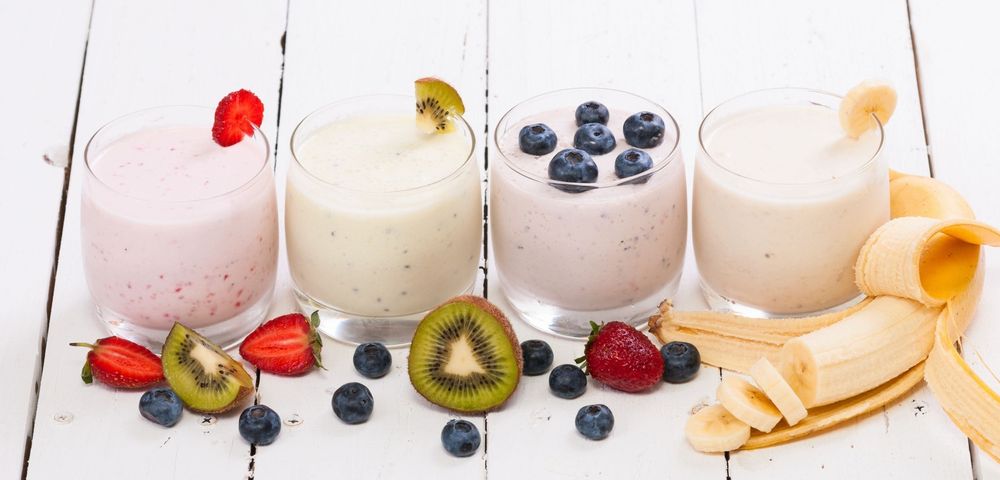
Smoothies are a great choice: versatile, easy to make, and perfect for any time of day. But did you know you can also make high-protein smoothies without using supplements? Here are 4 smoothie recipes that each contain at least 20 grams of protein without needing any protein powder.
In the Fitia app, you can find all these recipes and many more. Plus, you can customize your smoothies by adjusting ingredient quantities, adding new ones, or removing those you don't like. The nutritional information will update automatically based on your changes. Download it for free here!
4 High Protein Smoothies Without Supplements: Quick and Easy Recipes
Benefits of High Protein Shakes
- Muscle Gain: Perfect for those looking to build muscle
- Satiating: Helps keep you full longer.
- Quick and Convenient: Ideal for quick breakfasts or post-workout snacks.
1. Blueberry Smoothie with greek yogurt and chia
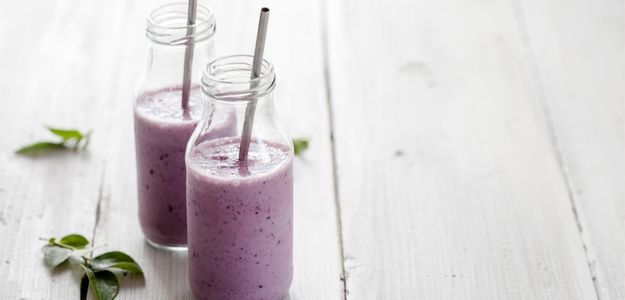
⌛️ Prep time: 5 minutes
🍽 Number of servings: 1
🔥 Nutritional information per 1 serving (383 g).
- Calories: 250 kcal
- Protein: 20 g
- Carbohydrates: 27 g
- Fat: 4 g
🍴 Ingredients (for 1 serving).
- Blueberries - ¾ cup or 112 g
- Greek yogurt (see tips for substitutions) - ¾ cup or 180 g
- Chia - 1 tablespoon or 10 g
- Water, as needed to get the consistency you prefer. We recommend ⅓ cup (80 ml)
- Stevia or other sweetener to taste.
📲Open the recipe in Fitia here
👨🍳 Tips: Alternative Ingredients for More Flexibility
The star ingredient for high protein in this recipe is Greek yogurt, known for its thick, creamy texture and high protein content. Preferably, use low-fat and unsweetened Greek yogurt. If you need a substitute, skyr, or Icelandic yogurt, is a great option with similar protein and creaminess but slightly less fat.
- Blueberries: You can use fresh or frozen blueberries.
- Sweeteners: Adjust the recipe to your taste by using stevia or any sweetener you prefer, such as erythritol, sucralose, xylitol, or monk fruit.
- Seeds: If you don’t have chia seeds on hand, you can substitute them with flaxseeds or hemp seeds, which are also nutritious and offer similar benefits.
2. Chocolate Peanut Butter Smoothie with Greek Yogurt
Craving something chocolaty and easy? This smoothie is perfect for you.
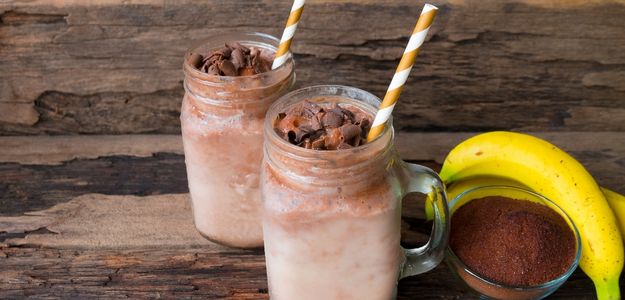
⌛️ Preparation time: 5 minutes
🍽 Number of servings: 1
🔥 Nutritional information per 1 serving (404 g).
- Calories: 338 kcal
- Protein: 20 g
- Carbohydrate: 41 g
- Fat: 14 g
🍴 Ingredients (for 1 serving).
- Banana - 1 medium unit or 130 g
- Peanuts - 1 ½ tablespoons or 21 g
- Low Fat Greek Yogurt - ½ cup or 120 g
- Cocoa Powder (or unsweetened cocoa) - ½ tablespoon or 7 g
- Water, as needed to obtain the consistency you prefer. We recommend ½ cup (125 ml)
- Stevia or other sweetener to taste
📲Open the recipe in Fitia here
👨🍳 Tips: Alternative Ingredients for More Flexibility
- Yogurt: You can swap Greek yogurt for skyr, noting that skyr has a thicker texture.
- Nuts: Substitute peanuts with almonds, hazelnuts, or nut butter (¾ tablespoon of nut butter equals the same amount of nuts).
- Banana: You can use fresh or frozen bananas.
These options let you customize your smoothie while keeping it high in protein and deliciously chocolaty.
3. Pina colada Smoothie
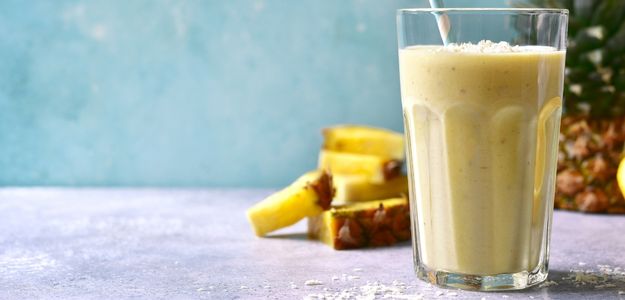
⌛️ Prep time: 5 minutes
🍽 Number of servings: 1
🔥 Nutritional information per 1 serving (439 g).
- Calories: 262 kcal
- Protein: 19 g
- Carbohydrates: 25 g
- Fat: 10 g
🍴 Ingredients (for 1 serving).
- Pineapple - ¾ cup - 128 g
- Shredded Coconut - 2 tablespoons - 10 g
- Greek Yogurt - ¾ cup or 180 g
- Coconut milk (unsweetened) - ½ cup or 120 g
- Stevia or other sweetener to taste
- Optional: water to dilute if necessary.
📲Open the recipe on Fitia here
👨🍳 Tips: Alternative Ingredients for More Flexibility
- Pineapple: You can use frozen pineapple for a thicker texture. For more sweetness, use golden pineapple, or for a milder flavor, choose Hawaiian pineapple.
- Coconut Beverage: Choose unsweetened coconut milk to keep the recipe healthy. Alternatively, you can use natural coconut water.
4. Carrot Cake Smoothie with Greek Yogurt
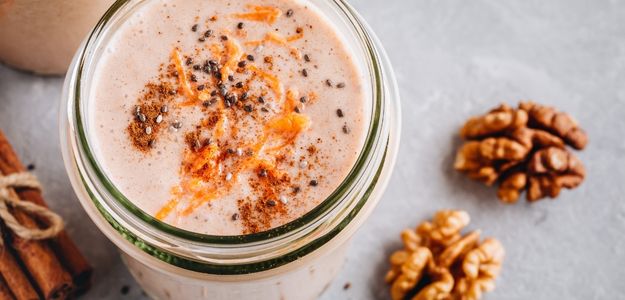
This smoothie is perfect when you're craving dessert but short on time or motivation to make one. It's also an excellent and easy way to add vegetables to your day.
⌛️ Prep time: 5 minutes
🍽 Number of servings: 1
🔥 Nutritional information per 1 serving (400 g).
- Calories: 344 kcal
- Protein: 20 g
- Carbohydrates: 38 g
- Fat: 14 g
🍴 Ingredients (for 1 serving).
- Banana - ½ medium unit or 65 g
- Walnuts (1 unit) - 2 halves or 8 g
- Low Fat Greek Yogurt - ½ cup or 120 g
- Hemp Seeds - 1 tablespoon or 10 g
- Oats - 2 tablespoons or 20 g
- Carrot - ½ medium unit or 30 g
- Cinnamon Powder - ½ teaspoon or 1 g
- Water, as needed to obtain the consistency you prefer. We recommend ½ glass (125 ml)
- Stevia or other sweetener to taste
- Optional: ice, nutmeg and vanilla essence to taste.
📲Open the recipe in Fitia here
👨🍳 Tips: Alternative Ingredients for More Flexibility
This smoothie is perfect when you're craving dessert but short on time or motivation to make one. It's also an excellent and easy way to add vegetables to your day.
- Protein Boost: The main protein source in this smoothie is low-fat Greek yogurt, but other ingredients like nuts, hemp seeds, and even oats contribute to the protein total.
- Greek Yogurt: If you want to boost protein even more and reduce fat, you can swap Greek yogurt for skyr.
- Texture: Use frozen banana for a thicker texture and add ice to make the smoothie even creamier.
- Substitutions: You can replace hemp seeds with chia or flax seeds, though hemp seeds are slightly higher in protein. For a flavor variation, substitute walnuts with pecans.
Related articles
 Recipes
7 Easy Vegetarian Substitutes for Your Weekend Meal Planning
Explore seven easy vegetarian swaps for your weekend meal prep and learn how to track every recipe in Fitia to stay on top of your nutrition goals.
Read article Recipes
Top 7 Latin Dishes You Can Cook in the US
Cook bold Latin dishes at home with simple US friendly ingredients. Easy recipes from Mexico to Puerto Rico that bring real flavor to your kitchen.
Read article Recipes
High-Protein, Low-Sugar Snacks to Power Through Your Workday
Stay energized at work with high-protein, low-sugar snacks that taste great and keep you full—without the vending machine sugar crash.
Read article