Raw vs Cooked: Does Cooking Change Nutritional Value?
Learn how cooking affects the weight and calories of foods like chicken, rice, and pasta
- Published
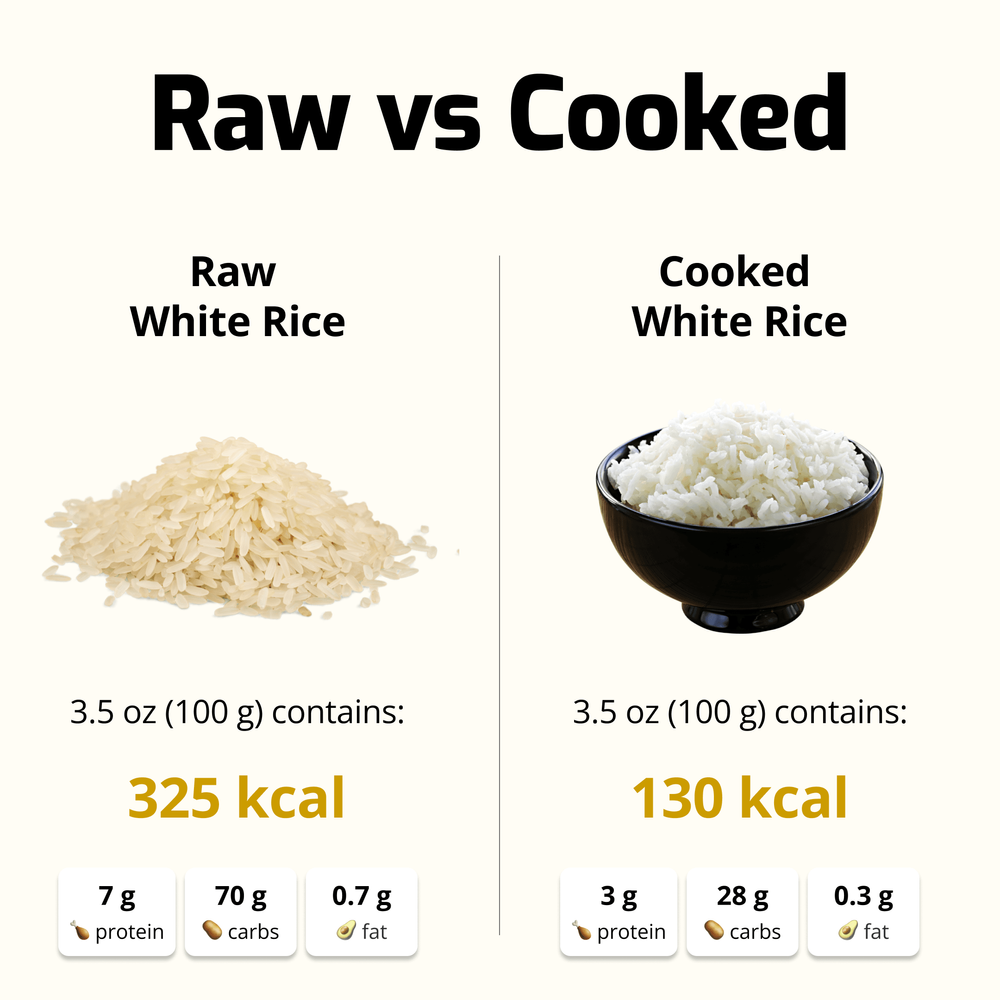
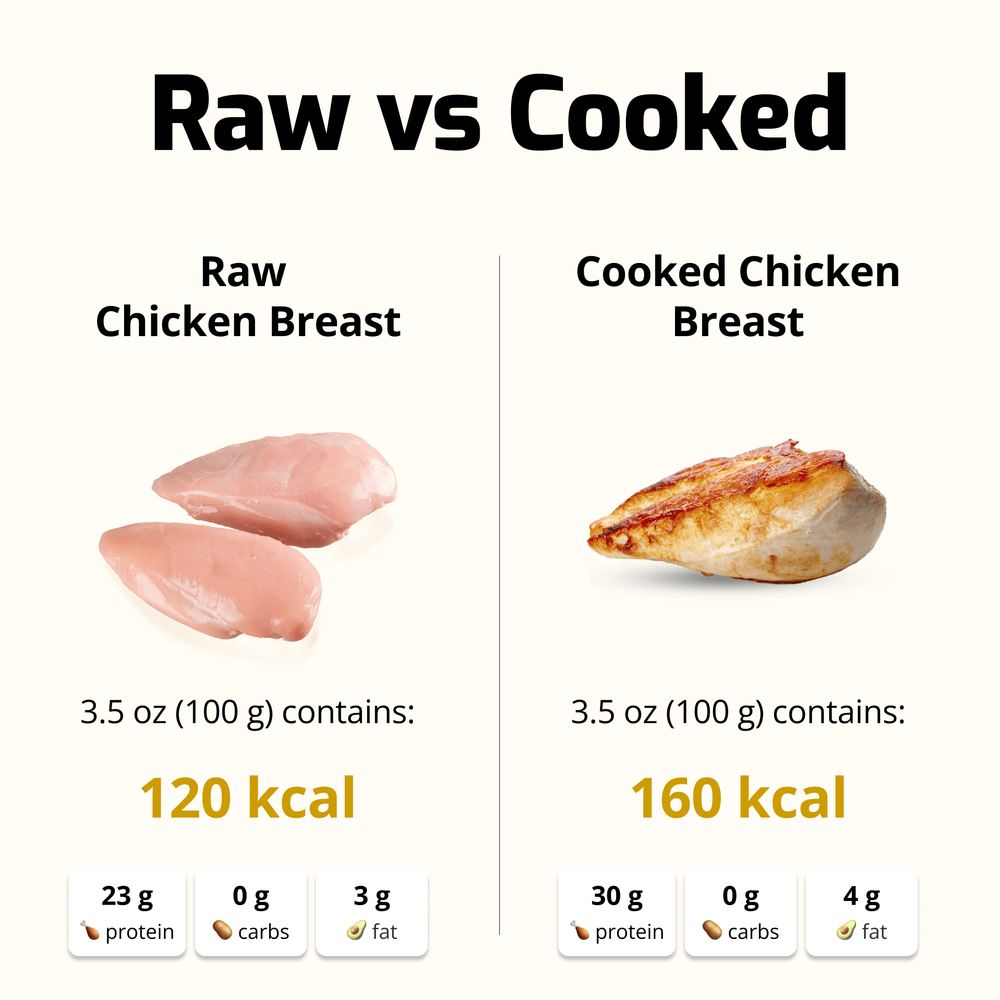
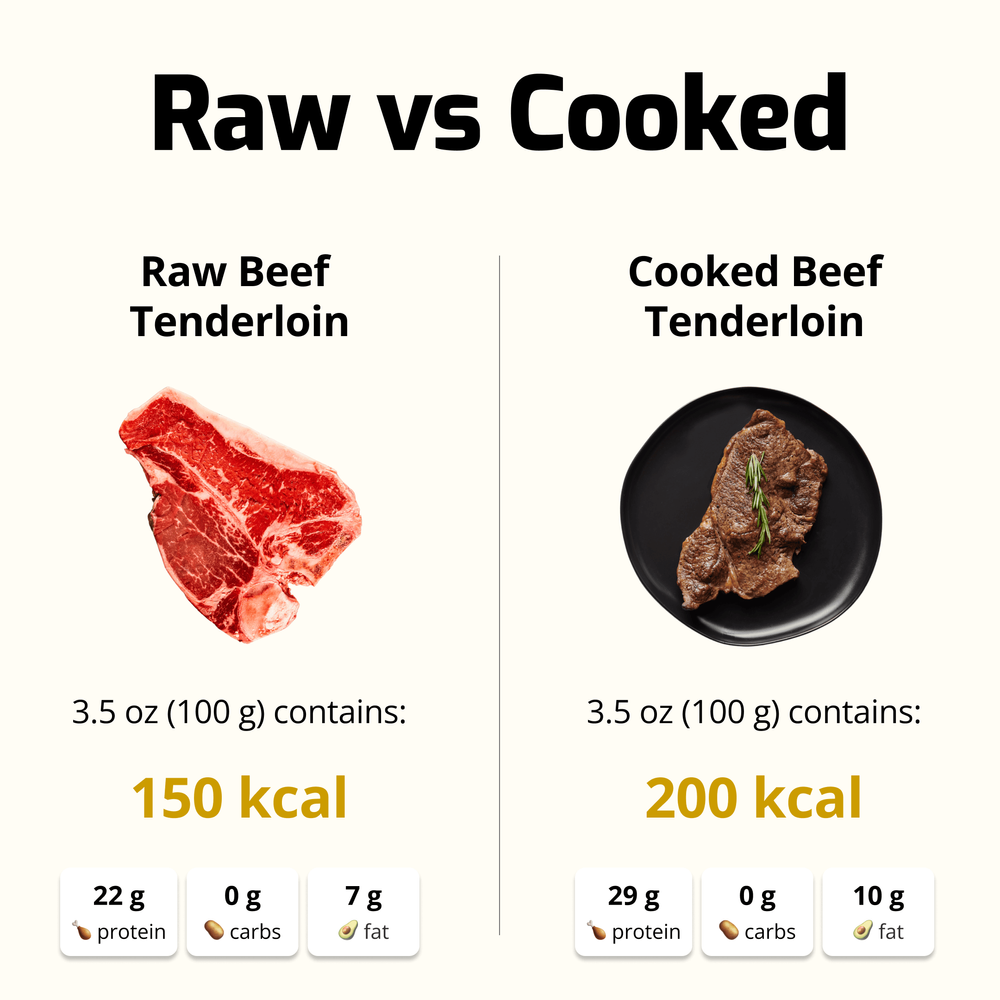
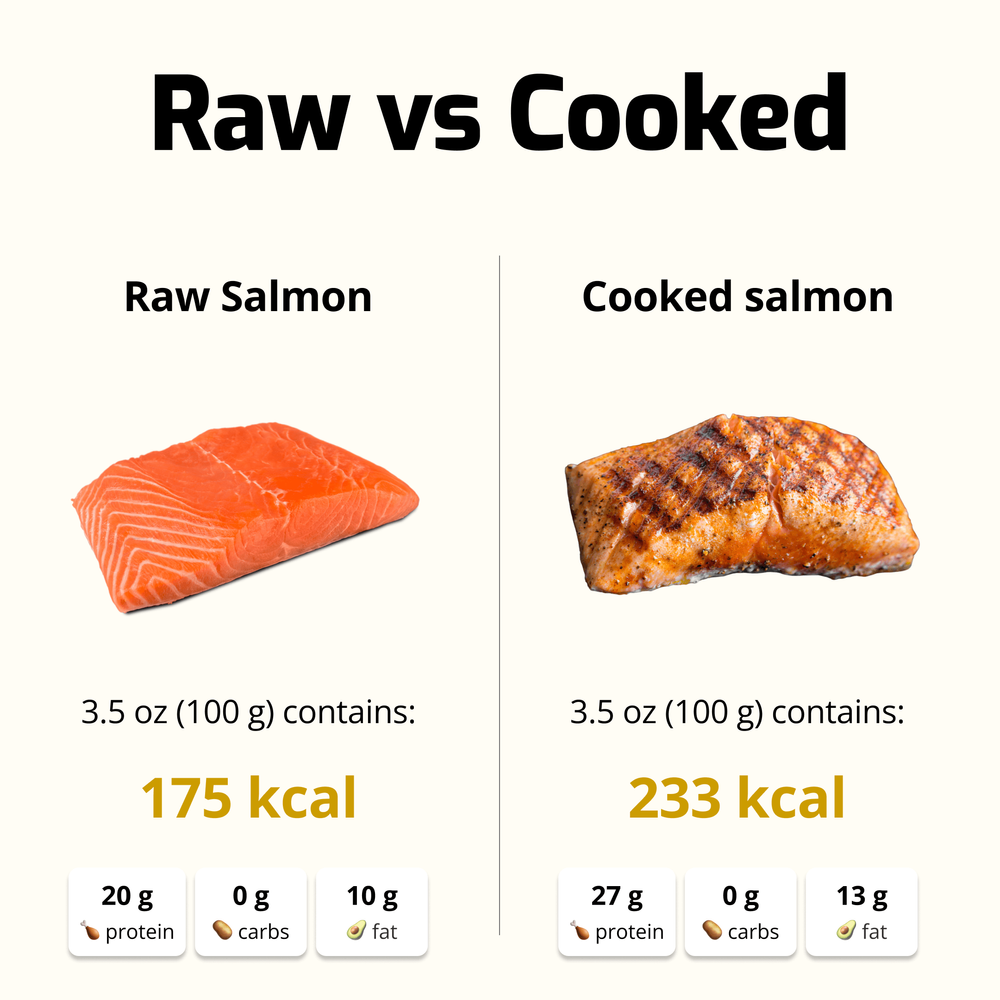
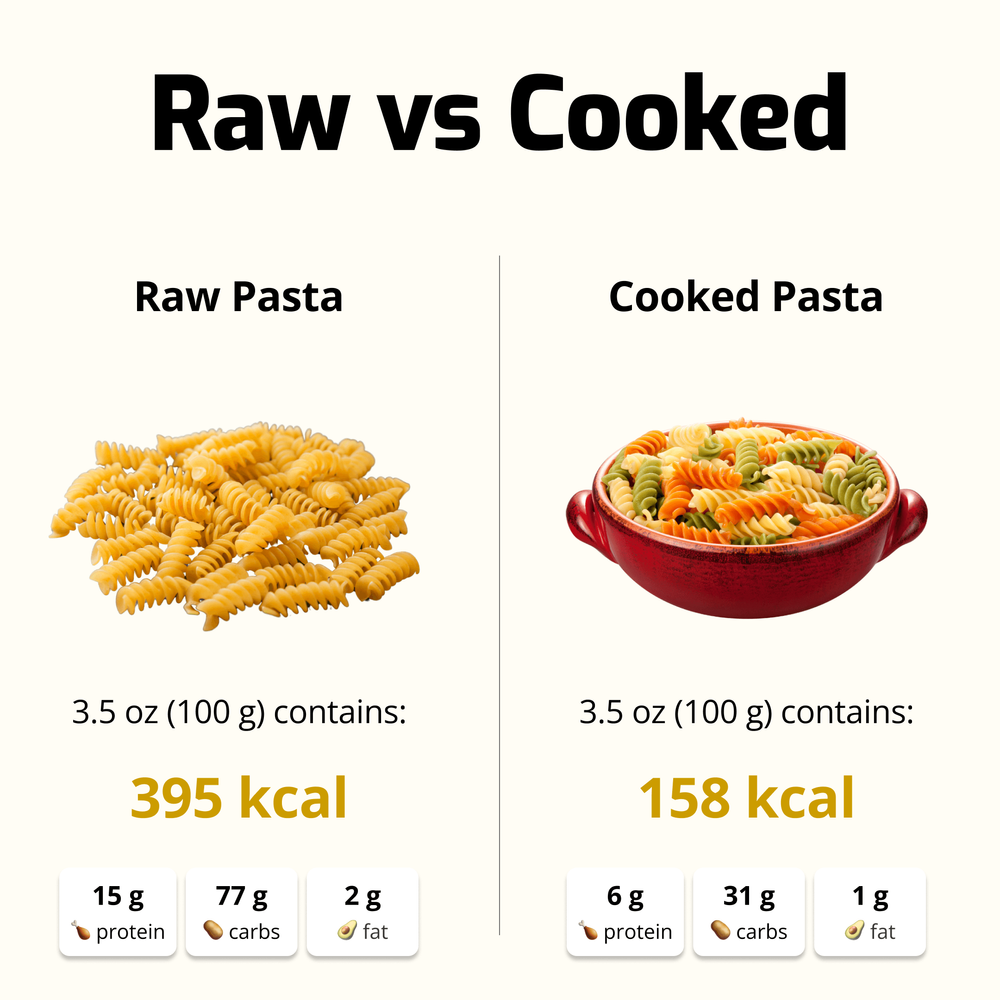
Does cooking change the nutritional value of food?
🤔 Not really... So why do 3.5 oz (100 g) of raw food seem different from 3.5 oz cooked? It's because 3.5 oz cooked didn’t start as 3.5 oz raw.
Let us break it down for you 👇
When you cook food, it either loses or absorbs water, changing its weight but not its nutrient content.
🍗Proteins (Chicken, Fish, Meat):
- Cooking reduces weight because water evaporates.
- Example: Cooking 3.5 oz (100 g) of chicken breast, which contains 23 g of protein, will leave you with 2.6 oz (75 g) after cooking. But the total amount of protein stays the same—only the water is lost.
So, if you compare 3.5 oz raw to 3.5 oz cooked, the cooked portion will appear to have more calories and protein per ounce because it’s more concentrated. In reality, those 3.5 oz cooked originally weighed about 4.7 oz (133 g) when raw. This explains why cooked food can have higher calories and protein per ounce than its raw counterpart.
🍲 Grains, Rice, and Pasta:
- These foods absorb water as they cook, making them heavier.
- Example: 3.5 oz of cooked pasta will seem to have fewer calories compared to 3.5 oz raw. This is because the raw version is more concentrated and hasn’t absorbed water yet.
Practical Tip: How to Weigh Your Food
It depends on what’s most convenient for you. Whether you prefer weighing your food raw or cooked, Fitia offers nutritional data for both versions. Just make sure to choose the correct option when logging it into the app.
🔥Track both raw and cooked food in Fitia—download the app for free!
More posts
 Foods
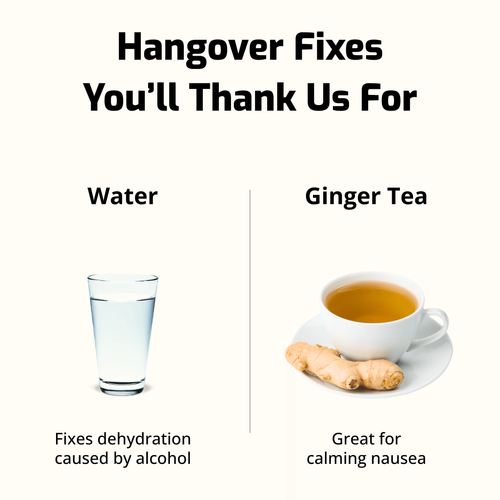
FoodsQuick Hangover Fixes That Actually Work
Learn simple tips to ease hangover symptoms, stay hydrated, and feel better fast with natural remedies and nutrient-packed foods.
Read post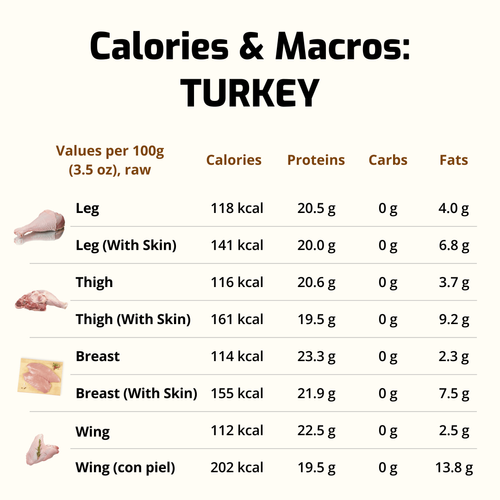 Foods
FoodsCalories and Macros in Turkey Cuts: Which One Fits Your Goals?
Discover the calories and macros in turkey cuts to choose the best option for your fitness goals and meal plans.
Read post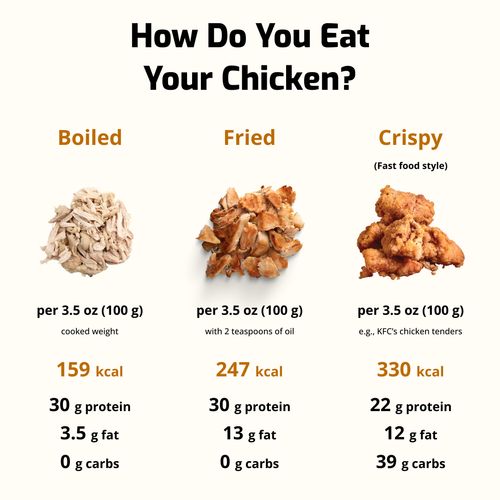 Foods
FoodsBoiled, Fried, or Crispy Chicken: Which Fits Your Macros?
Boiled, fried, or crispy chicken? Discover how each preparation affects calories, protein, fat, and carbs, and choose the best option for your goals.
Read post