Not Gaining Muscle? These 8 Common Mistakes Are Holding You Back
Discover 8 key mistakes that could be sabotaging your muscle growth, from poor sleep and stress to not eating enough calories or protein.
- Published
- Updated
- 15 min read
- 15 min read

We all know that strength training is the key strategy for building muscle mass. Without it, developing significant muscle growth is nearly impossible.
Why? Because muscles grow in response to a stimulus, and strength training primarily stimulates hypertrophy (muscle growth) through mechanical tension from lifting weights. This tension activates molecular signals in the muscle fibers, which then increase protein synthesis and lead to greater protein accumulation in the stressed muscles (1,2).
What exactly is strength training? There are various ways to perform strength exercises, but all of them involve putting your muscles under resistance (to achieve mechanical tension).
👉 Curious about the best pre-workout meals for muscle gain? Check this out!
Sounds simple, right? But just strength training alone isn’t enough.
There are other factors that are crucial for optimal muscle gain and to avoid getting stuck in your progress.
That’s why we’re highlighting the most common mistakes that could be keeping you from seeing the results you’re hoping for.
👉 Think you know everything about muscle-building? Bust these myths now!
1. You’re not eating enough calories
To gain muscle, it’s generally necessary to consume more calories than you burn (i.e., be in a caloric surplus). This excess is crucial to support the hypertrophy process since building muscle is a complex process that requires more energy than usual. Without enough calories, your efforts in the gym may go to waste (3).
However, abruptly increasing your calorie intake isn’t ideal, as it could lead to significant fat gain during the process (1,3,4). While some fat gain is expected when increasing calories to build muscle, you can minimize it by adjusting your caloric surplus appropriately.
How many calories should I consume to gain muscle?
It’s recommended to increase your calorie intake by 5% to 25% above your maintenance level. The exact amount depends on your experience level and goals. Aim to gain 0.5% to 1.5% of your body weight per month (4). If you’re a beginner, you can lean toward the higher end of the range (as beginners have a higher potential for muscle growth). If you’re more advanced, stick to the lower end.
For example, if you weigh 176 lbs (80 kg) and are relatively inexperienced, a maximum gain of 2.6 lbs (1.2 kg) in a month (+1.5%) would be ideal to minimize fat gain. This translates to a calorie range of 2100 to 2500 kcal if your maintenance level is 2000 kcal.
To hit this goal, increase your calorie intake by 5 to 25% max. If your maintenance level is 2000 kcal, your calorie range for bulking would be between 2100 and 2500 kcal.
We recommend sticking to the lower range if you're aiming for a "leaner" bulk. This approach ensures that most of the weight you gain comes from muscle rather than fat. Based on these guidelines, it’s ideal to monitor your progress regularly and adjust your calorie intake (increasing or decreasing) as needed.
Struggling to calculate how much protein you need or how to track it accurately?
With the Fitia app, you can determine your exact protein requirements based on your goals—whether it’s building muscle or losing fat—and track your daily intake in detail. Download Fitia for free here.
Did you know it’s possible to gain muscle at maintenance calories or even in a slight deficit?
This can occur in specific cases, such as when you have a high body fat percentage and aim to lose fat while building muscle (body recomposition), or if you’re new to strength training or returning after a long break. In these scenarios, your body can use stored energy reserves to support muscle growth.
Before wrapping up, it’s important to highlight that while gaining muscle at maintenance or in a deficit is possible, it’s not the most efficient approach for most people. The best way to maximize your results is often through a moderate calorie surplus.
👉 Wondering if you can build muscle and lose fat at the same time? Find out how here!
2. You’re Not Eating Enough Protein
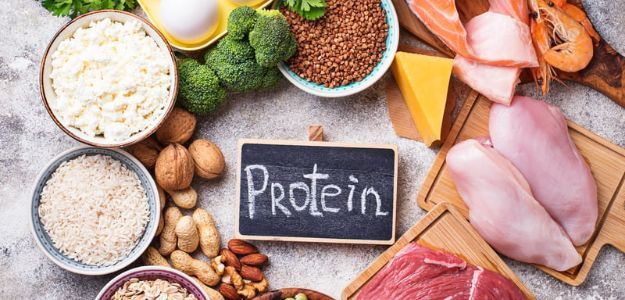
Why is Protein Essential for Muscle Growth?
Protein is the key macronutrient responsible for muscle growth and recovery. Here's why it plays such a crucial role:
- Muscle Composition: Muscles are made up of 75% water and 20% protein. To grow muscle, your body needs to create new muscle proteins through a process called muscle protein synthesis (1, 3).
- Exercise and Protein: Strength training stimulates muscle protein synthesis, but it also increases protein breakdown. To build muscle, protein synthesis must exceed protein breakdown (1, 5, 6).
How Can You Boost Muscle Protein Synthesis?
Eating enough high-quality protein throughout the day ensures your body has plenty of amino acids in the bloodstream, which further enhances muscle protein synthesis. Combined with the stimulus from exercise, this results in muscle growth when protein synthesis exceeds breakdown (1, 5, 6).
👉 Wondering how much protein you need daily? Find out here: How Much Protein Should You Eat?
How Much Protein Do You Need to Build Muscle?
Research shows that the ideal protein intake for maximizing muscle growth is 0.73 to 1 gram per pound of body weight (1.6 to 2.2 g/kg) per day. This recommendation is based on the assumption that you’re doing regular strength training (1,2,3).
For example:
- A person weighing 176 lbs (80 kg) should aim for 128 to 176 grams of protein daily.
Best Protein Sources for Muscle Growth
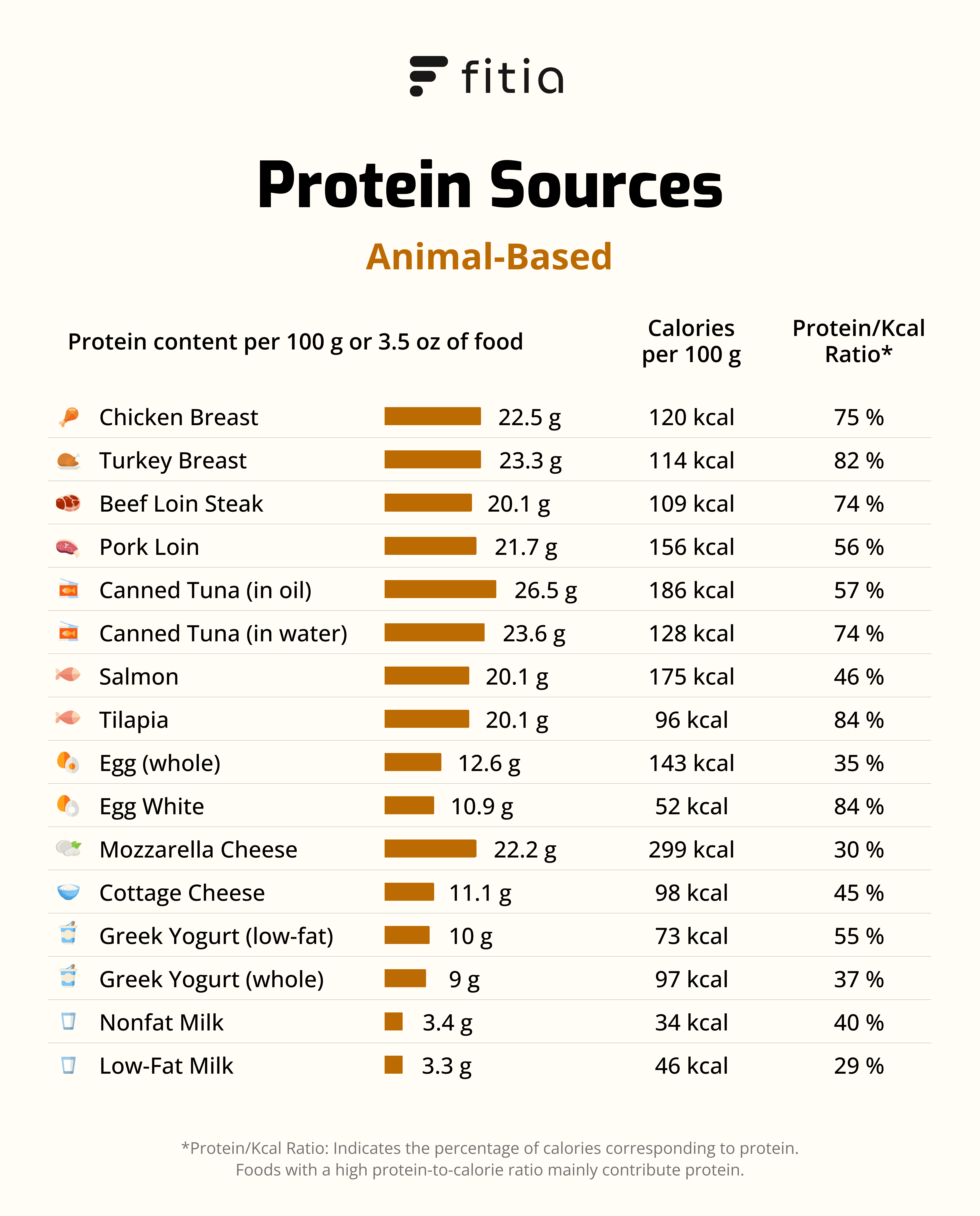
Some plant-based protein sources you can include in your diet are: legumes (such as soy, chickpeas, lentils, beans, and split peas), seeds (like hemp, chia, flaxseed, and sesame), nuts (such as almonds, pecans, walnuts, cashews, peanuts, and pistachios), soy products (like tofu, tempeh, and soy milk), and other options like seitan and spirulina.
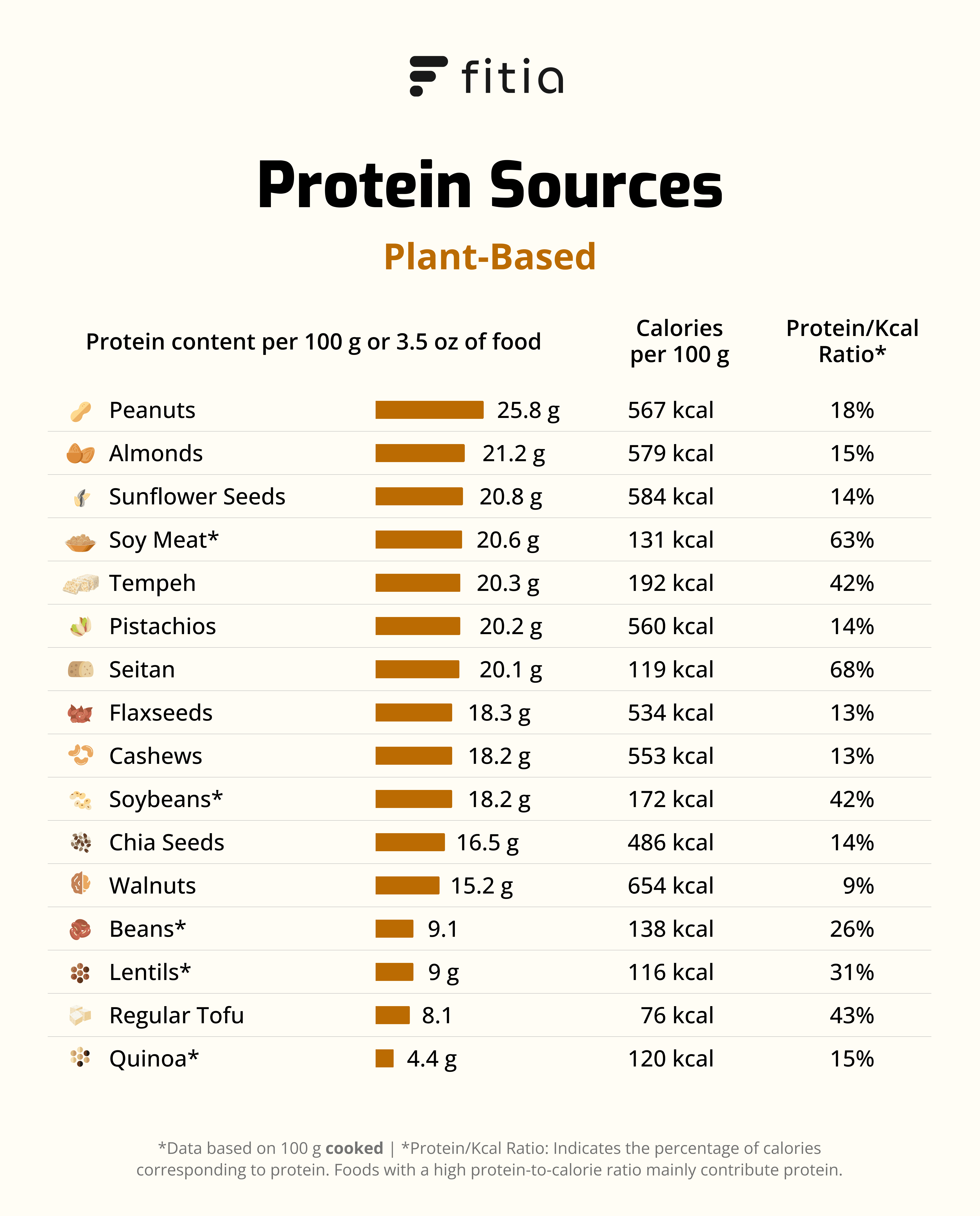
Keep in mind that eating more than this recommended range won’t give you extra benefits. In fact, it might make you feel too full, which isn’t ideal since you need to consume more calories than usual (protein is the most satiating nutrient) (1,3,4).
Remember, the Fitia app helps you easily track your calories and macros, discover personalized recipes, and get customized guidance to reach your fitness goals. Download Fitia for free here.
3. You’re Not Training Enough
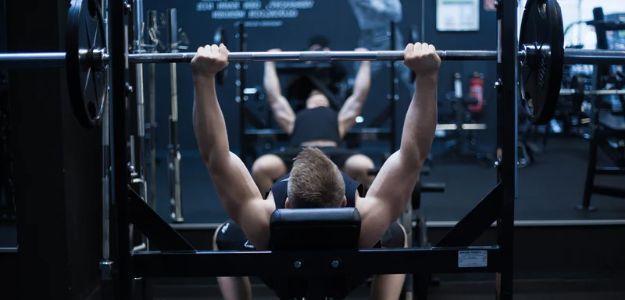
One of the most common mistakes when training to build muscle is not training with enough intensity or volume.
If you’re not really challenging your muscles, they simply won’t grow.
Here are some key factors to consider when planning your workouts: training volume (in simple terms, the number of sets you perform to stimulate each muscle group), frequency, and load.
Volume:
Training volume is one of the most important variables for hypertrophy.
Research suggests that the ideal training volume for muscle growth is around 10 to 20 effective sets* per week per muscle group (2,5,6).
For instance, if you’re doing 4 different quad exercises in a week, doing 4 sets of each will give you 16 sets total.
An effective set is one where you come close to muscle failure, leaving about 1 to 3 reps in reserve (RIR) or an RPE of 7-9, and using a weight that is challenging—at least 30% of your one-rep max (1RM).
Keep these points in mind:
- The right volume varies from person to person based on your experience, lifestyle, and available time. Adjust as you progress.
- Start low and build up gradually, especially if you’re new to strength training. Jumping straight to 16 sets per week per muscle group might not be the best idea for beginners.
Frequency:
If you’re doing the recommended 10 to 20 sets per week per muscle group, it’s best to spread these sets over at least two training sessions rather than doing them all in one day (2,5,6).
Doing too many sets for the same muscle group in a single session can lead to “junk volume”—extra sets that only cause fatigue without offering significant benefits.
Research suggests that most people will benefit from doing a maximum of 6 to 10 effective sets per session (or fewer, spread across more sessions per week to meet your weekly volume).
For example, if you’re doing 12 sets of squats a week, try splitting them over 2 days. A practical way is to organize your workouts by muscle groups, training each one once or twice a week.
Weight
The weight you lift depends on how many reps you’re aiming for.
The optimal rep range for muscle growth is quite broad, ranging from 1 to around 20 reps per set.
However, focusing on a moderate rep range (6RM to 12RM) is often ideal, as it provides high levels of mechanical tension and allows you to hit the recommended training volume.
The right weight is one that lets you perform this number of reps with significant effort, meaning you get as close to muscle failure as possible.
Avoid using weights that are too light. Evidence shows that lifting loads lower than 30% of your one-rep max (1RM) isn’t effective for muscle growth, even if you do many reps to failure (2,5,6).
4. You’re Not Applying Progressive Overload in Your Training
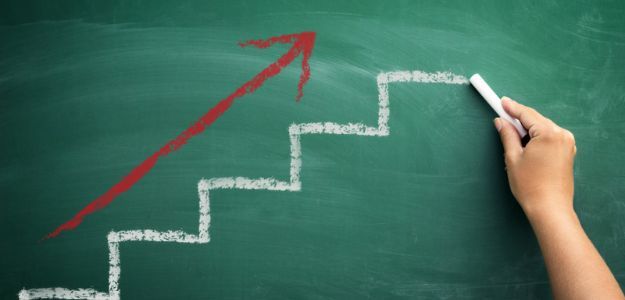
Your Muscles Adapt to Strength Training Over Time
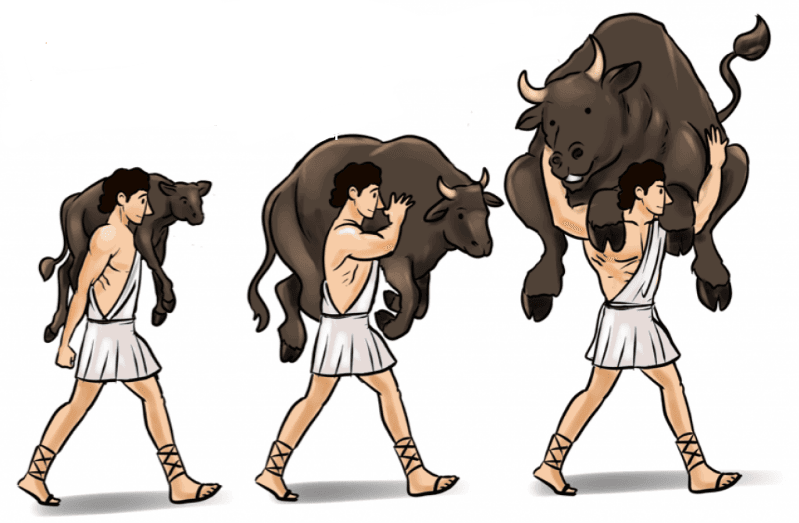
As you continue strength training, your muscles adapt to the current stimulus. Eventually, the training volume that once worked will no longer be enough to stimulate muscle growth. Without that stimulation, your progress will stall (1,2).
This is where the principle of progressive overload comes in—gradually increasing the demand on your muscles to keep them growing.
How to Apply Progressive Overload
Here are some effective ways to progressively challenge your muscles:
- Increase reps and sets: Add more repetitions or sets to your exercises.
- Lift heavier weights: Gradually increase the load you’re lifting.
- Shorten rest times: Reduce the recovery time between sets.
- Refine your technique: Focus on controlled movements, a greater range of motion, or improved form.
- Make your workouts harder: Add advanced variations of exercises or new challenges.
Lastly, having a structured training plan is key. It’s the only way to track your progress and ensure you’re consistently applying progressive overload.
Pro tip: Perfecting your technique ensures physical integrity and lasting results.
Apps like Gymscore help you build muscle by improving your form and providing detailed feedback on each lift. Proper form is key to unlocking muscle growth, and Gymscore excels at helping you perfect it.
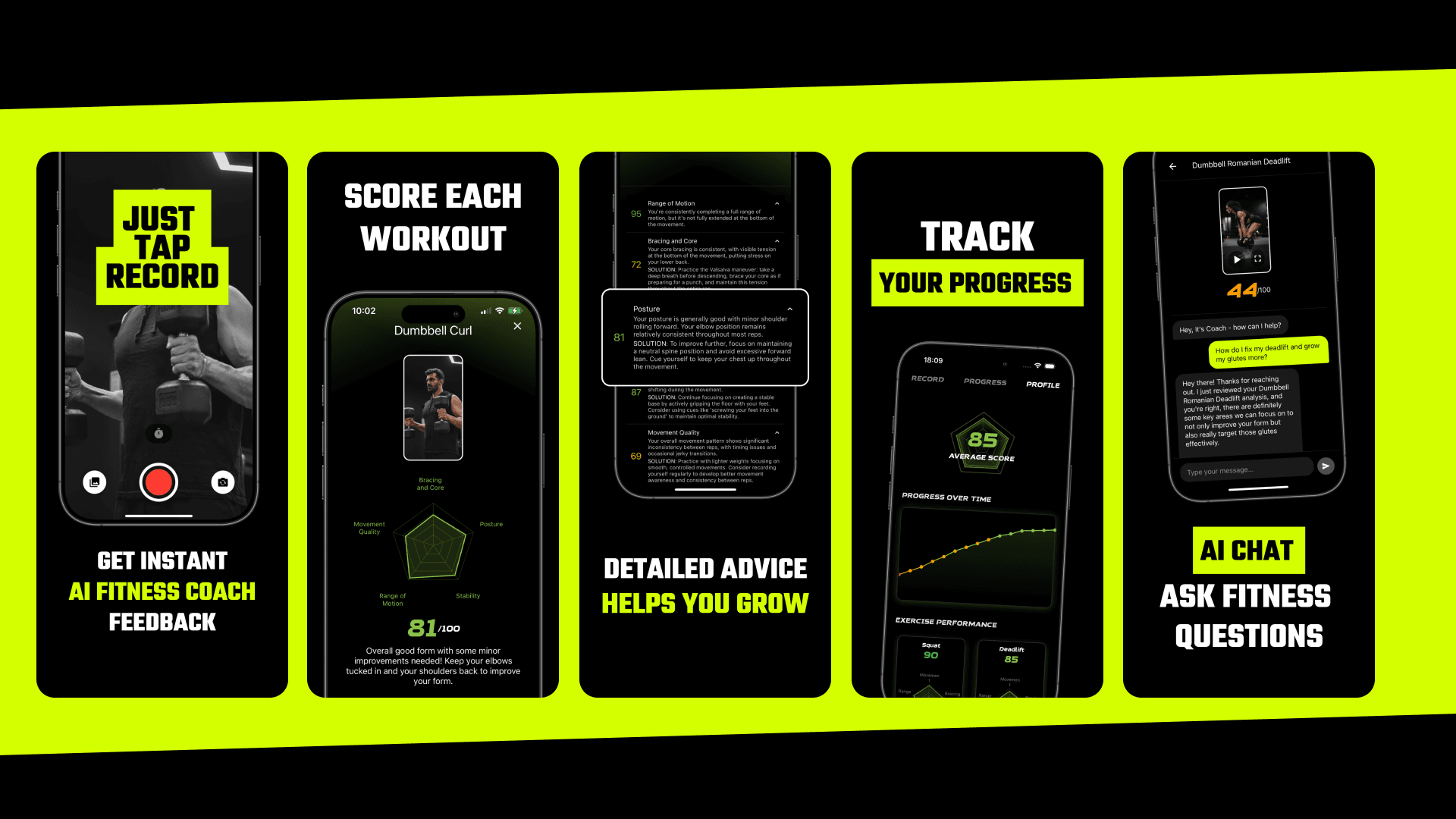
Gymscore is your AI fitness coach, designed to elevate your workouts through advanced form analysis. Whether you're a beginner or a seasoned athlete, Gymscore provides instant, professional-grade feedback by analyzing your exercise technique across five key areas: bracing and core strength, posture and spinal alignment, foot placement and balance, range of motion optimization, and overall movement efficiency.
Simply record your workouts or upload existing videos, and the AI will handle the detailed analysis of your form. The app delivers comprehensive insights, assigns scores (0–100) to objectively track progress, and offers personalized recommendations to help you train safely while maximizing results.
5 . You’re Prioritizing Cardio

Can Too Much Cardio Affect Your Muscle Gains?
If cardio starts taking priority over strength training, it can negatively impact your muscle-building progress. Here's why:
- Excess Calorie Burn: Doing too much cardio can burn a significant number of calories, making it harder to stay in a caloric surplus, which is essential for muscle growth.
- Reduced Muscle Growth: High-intensity or excessive cardio can interfere with hypertrophy.
How Cardio Affects Strength Training
A meta-analysis examined how different aspects of aerobic training (like type, duration, and frequency) impact strength training results. The findings showed:
- Frequency Matters: Doing cardio more than 3 times a week was linked to decreased muscle growth (9).
- Duration Counts: Cardio sessions lasting 30 minutes or longer had a more significant negative effect on strength, power, and hypertrophy (9).
If your primary goal is to build muscle, limit cardio to 3 times a week or less and keep sessions short.
Timing Matters: Avoid Cardio Before Lifting
Doing cardio before your strength training session can negatively affect your performance and muscle gains due to the “interference effect”. Research highlights:
- Cardio before lifting reduces muscle size, strength, and power (10).
- One study found that cardio immediately before weightlifting can lower your max strength, and this effect can last up to 8 hours (11, 12).
- Another study showed that strength training performance is worse when done 4 or 8 hours after cardio, compared to a full 24-hour gap or no cardio at all (12).
So, What’s the Best Approach?
- A short 5-minute brisk walk as a warm-up won’t harm your gains, but a 20-minute jog right before lifting might.
- To optimize muscle growth, do cardio after lifting or on separate days.
By balancing cardio and strength training strategically, you can keep your muscle gains on track while still reaping the cardiovascular benefits.
6. You’re Not Getting Enough Rest

Not getting enough sleep can seriously hurt your muscle gains and performance. Studies show that not sleeping enough leads to muscle loss and reduced muscle function (13,14,15,16). Here’s why:
Sleep regulates muscle protein synthesis and breakdown.
Research indicates that less sleep is linked to lower rates of protein synthesis and higher rates of muscle protein breakdown (16,17). In other words, the exact opposite of what you need to build muscle.
For example, in one study, 13 healthy young men were tested on two separate days:
- After a full night of normal sleep
- After a night with no sleep
Results showed that just one night of sleep deprivation reduced muscle protein synthesis by 18% (17).
Sleep Regulates Hormones Essential for Muscle Growth
Insufficient sleep reduces levels of testosterone, growth hormone and insulin-like growth factor type 1 (17,18,19). All these hormones have an anabolic function in muscle, i.e., they promote muscle growth.
The same study found that sleep deprivation increased cortisol (the stress hormone) by 21% and decreased testosterone levels by 24% (17).
Another study showed that sleeping about 2 hours and 45 minutes less per night for a week (going from 8 hours and 55 minutes to just 4 hours and 48 minutes) lowered testosterone levels significantly (16.5 nmol/L vs. 18.4 nmol/L) (19).
Lack of Sleep Hurts Your Training Performance
Not getting enough sleep also impacts your strength and weakens the neuromuscular connection needed for effective training (20,21). For instance, studies have shown that fewer hours of sleep reduce maximum endurance, strength, and power in cyclists, soccer players, and judo competitors (20).
This happens because sleep deprivation affects energy production pathways and makes exercise feel more exhausting (20). So, if you’re not sleeping enough, your muscle-building process will suffer.
How Many Hours Should You Sleep?
The American Academy of Sleep Medicine recommends that adults get between 7 and 9 hours of sleep each night (22).
7. You’re Under Too Much Stress

Just like lack of sleep, chronic high stress can throw your hormones out of whack, making it harder for your body to build muscle (23).
Excessive stress increases cortisol, also known as the “stress hormone.” High levels of cortisol negatively impact muscle cells, especially their mitochondrial function. This makes you more prone to muscle loss (sarcopenia) and fat infiltration into the muscles (myosteatosis) (23).
8. You’re Drinking Too Much Alcohol

Yes, drinking alcohol can seriously mess with your muscle-building efforts. Here’s why:
Alcohol can reduce protein synthesis:
To build muscle, you need protein synthesis to be greater than protein breakdown. Alcohol can lower protein synthesis, making it harder for your muscles to grow.
In one study, researchers looked at the impact of consuming alcohol (12 drinks) after high-intensity workouts (24). Here’s what they found:
- Test 1 - No Alcohol: Participants trained and then consumed protein immediately after and again 4 hours later.
- Test 2 - Alcohol + Protein: Participants trained, consumed protein as in Test 1, but also drank alcohol over the next 4 hours.
- Test 3 - Alcohol + Carbs: Participants trained, consumed carbs immediately after and again 4 hours later, followed by alcohol over the next 4 hours.
All groups ate a carb-rich meal 2 hours post-workout. The two groups that drank alcohol experienced a 24% and 37% reduction in muscle protein synthesis compared to the group that only consumed protein.
Alcohol Can Lower Testosterone Levels
Studies show that a consumption of 4-8 drinks can reduce testosterone levels by 18-40% (effect not shown in women) (25, 26). This may impair muscle development. However, normal testosterone levels are restored by the next day.
Alcohol Can Raise Cortisol Levels
Alcohol consumption increases cortisol, which, as mentioned earlier, promotes muscle protein breakdown and makes it harder to build muscle.
Alcohol Can Dehydrate You
Dehydration negatively affects muscle function and recovery. Since muscle tissue is mostly water, losing hydration can impair its performance. Dehydration also impacts your training, making you less effective in your workouts.
Alcohol Can Disrupt Your Sleep
Drinking alcohol can interfere with sleep quality, which is crucial for muscle recovery and growth. While alcohol might help you fall asleep faster, it reduces sleep quality, meaning your body doesn’t recover as well (27,28,29,30).
Alcohol affects neurotransmitters that regulate sleep and delays your ability to enter deep sleep (29, 31). It also increases the risk of sleep apnea (which further impacts sleep quality) by 25% compared to non-drinkers.
So, if your goal is to gain muscle, it’s best to limit alcohol. If you choose to drink, do so in moderation and make sure you’re still getting enough protein, staying hydrated, and getting quality sleep.
References
Schoenfeld, Brad J. Science and development of muscle hypertrophy. Human Kinetics, 2020.
Helms, Eric, Andy Morgan, and Andrea Valdez. The Muscle & Strength Pyramid: Training. Muscle and Strength Pyramids, LLC., 2018.
Slater, Gary John et al. “Is an Energy Surplus Required to Maximize Skeletal Muscle Hypertrophy Associated With Resistance Training.” Frontiers in nutrition vol. 6 131. 20 Aug. 2019, doi:10.3389/fnut.2019.00131
Helms, Eric, Andrea Valdez, and Andy Morgan. "The Muscle and Strength Pyramid." Nutrition (2018).
Schoenfeld BJ, Ogborn D, Krieger JW. Dose-response relationship between weekly resistance training volume and increases in muscle mass: A systematic review and meta-analysis. J Sports Sci. 2017.
Lasevicius T, et al. Effects of different intensities of resistance training with equated volume load on muscle strength and hypertrophy. Eur J Sport Sci. 2018.
Kumar V, Atherton P, Smith K, Rennie MJ. Human muscle protein synthesis and breakdown during and after exercise. J Appl Physiol (1985). 2009 Jun;106(6):2026-39. doi: 10.1152/japplphysiol.91481.2008. Epub 2009 Jan 22. PMID: 19164770.
Stokes T, Hector AJ, Morton RW, McGlory C, Phillips SM. Recent Perspectives Regarding the Role of Dietary Protein for the Promotion of Muscle Hypertrophy with Resistance Exercise Training. Nutrients. 2018 Feb 7;10(2):180. doi: 10.3390/nu10020180. PMID: 29414855; PMCID: PMC5852756.
Wilson JM, Marin PJ, Rhea MR, Wilson SM, Loenneke JP, Anderson JC. Concurrent training: a meta-analysis examining interference of aerobic and resistance exercises. J Strength Cond Res. 2012 Aug;26(8):2293-307. doi: 10.1519/JSC.0b013e31823a3e2d. PMID: 22002517.
Fyfe JJ, Bishop DJ, Stepto NK. Interference between concurrent resistance and endurance exercise: molecular bases and the role of individual training variables. Sports Med. 2014 Jun;44(6):743-62. doi: 10.1007/s40279-014-0162-1. PMID: 24728927.
Murlasits Z, Kneffel Z, Thalib L. The physiological effects of concurrent strength and endurance training sequence: A systematic review and meta-analysis. J Sports Sci. 2018 Jun;36(11):1212-1219. doi: 10.1080/02640414.2017.1364405. Epub 2017 Aug 7. PMID: 28783467.
Ribeiro AS, Romanzini M, Schoenfeld BJ, Souza MF, Avelar A, Cyrino ES. Effect of different warm-up procedures on the performance of resistance training exercises. Percept Mot Skills. 2014 Aug;119(1):133-45. doi: 10.2466/25.29.PMS.119c17z7. PMID: 25153744.
Pourmotabbed A, Ghaedi E, Babaei A, Mohammadi H, Khazaie H, Jalili C, Symonds ME, Moradi S, Miraghajani M. Sleep duration and sarcopenia risk: a systematic review and dose-response meta-analysis. Sleep Breath. 2020 Dec;24(4):1267-1278. doi: 10.1007/s11325-019-01965-6. Epub 2019 Dec 12. PMID: 31832982.
Knowles OE, Drinkwater EJ, Urwin CS, Lamon S, Aisbett B. Inadequate sleep and muscle strength: Implications for resistance training. J Sci Med Sport. 2018 Sep;21(9):959-968. doi: 10.1016/j.jsams.2018.01.012. Epub 2018 Feb 2. PMID: 29422383.
Chen Y, Cui Y, Chen S, Wu Z. Relationship between sleep and muscle strength among Chinese university students: a cross-sectional study. J Musculoskelet Neuronal Interact. 2017 Dec 1;17(4):327-333. PMID: 29199194; PMCID: PMC5749041.
Dattilo M, Antunes HK, Medeiros A, Mônico Neto M, Souza HS, Tufik S, de Mello MT. Sleep and muscle recovery: endocrinological and molecular basis for a new and promising hypothesis. Med Hypotheses. 2011 Aug;77(2):220-2. doi: 10.1016/j.mehy.2011.04.017. Epub 2011 May 7. PMID: 21550729.
Lamon S, Morabito A, Arentson-Lantz E, Knowles O, Vincent GE, Condo D, Alexander SE, Garnham A, Paddon-Jones D, Aisbett B. The effect of acute sleep deprivation on skeletal muscle protein synthesis and the hormonal environment. Physiol Rep. 2021 Jan;9(1):e14660. doi: 10.14814/phy2.14660. PMID: 33400856; PMCID: PMC7785053.
Leproult R, Van Cauter E. Effect of 1 week of sleep restriction on testosterone levels in young healthy men. JAMA. 2011 Jun 1;305(21):2173-4. doi: 10.1001/jama.2011.710. PMID: 21632481; PMCID: PMC4445839.
Su L, Zhang SZ, Zhu J, Wu J, Jiao YZ. Effect of partial and total sleep deprivation on serum testosterone in healthy males: a systematic review and meta-analysis. Sleep Med. 2021 Dec;88:267-273. doi: 10.1016/j.sleep.2021.10.031. Epub 2021 Nov 8. PMID: 34801825.
Fullagar HH, Skorski S, Duffield R, Hammes D, Coutts AJ, Meyer T. Sleep and athletic performance: the effects of sleep loss on exercise performance, and physiological and cognitive responses to exercise. Sports Med. 2015 Feb;45(2):161-86. doi: 10.1007/s40279-014-0260-0. PMID: 25315456.
Arnal PJ, Lapole T, Erblang M, Guillard M, Bourrilhon C, Léger D, Chennaoui M, Millet GY. Sleep Extension before Sleep Loss: Effects on Performance and Neuromuscular Function. Med Sci Sports Exerc. 2016 Aug;48(8):1595-603. doi: 10.1249/MSS.0000000000000925. PMID: 27015382.
Watson NF, Badr MS, Belenky G, Bliwise DL, Buxton OM, Buysse D, Dinges DF, Gangwisch J, Grandner MA, Kushida C, Malhotra RK, Martin JL, Patel SR, Quan SF, Tasali E. Recommended Amount of Sleep for a Healthy Adult: A Joint Consensus Statement of the American Academy of Sleep Medicine and Sleep Research Society. Sleep. 2015 Jun 1;38(6):843-4. doi: 10.5665/sleep.4716. PMID: 26039963; PMCID: PMC4434546.
Stefanaki C, Pervanidou P, Boschiero D, Chrousos GP. Chronic stress and body composition disorders: implications for health and disease. Hormones (Athens). 2018 Mar;17(1):33-43. doi: 10.1007/s42000-018-0023-7. Epub 2018 Apr 27. PMID: 29858868.
Parr EB, Camera DM, Areta JL, Burke LM, Phillips SM, Hawley JA, Coffey VG. Alcohol ingestion impairs maximal post-exercise rates of myofibrillar protein synthesis following a single bout of concurrent training. PLoS One. 2014 Feb 12;9(2):e88384. doi: 10.1371/journal.pone.0088384. PMID: 24533082; PMCID: PMC3922864.
Vingren JL, Hill DW, Buddhadev H, Duplanty A. Postresistance exercise ethanol ingestion and acute testosterone bioavailability. Med Sci Sports Exerc. 2013 Sep;45(9):1825-32. doi: 10.1249/MSS.0b013e31828d3767. PMID: 23470309.
Sierksma A, Sarkola T, Eriksson CJ, van der Gaag MS, Grobbee DE, Hendriks HF. Effect of moderate alcohol consumption on plasma dehydroepiandrosterone sulfate, testosterone, and estradiol levels in middle-aged men and postmenopausal women: a diet-controlled intervention study. Alcohol Clin Exp Res. 2004 May;28(5):780-5. doi: 10.1097/01.alc.0000125356.70824.81. PMID: 15166654.
Park SY, Oh MK, Lee BS, Kim HG, Lee WJ, Lee JH, Lim JT, Kim JY. The Effects of Alcohol on Quality of Sleep. Korean J Fam Med. 2015 Nov;36(6):294-9. doi: 10.4082/kjfm.2015.36.6.294. Epub 2015 Nov 20. PMID: 26634095; PMCID: PMC4666864.
Simou E, Britton J, Leonardi-Bee J. Alcohol and the risk of sleep apnoea: a systematic review and meta-analysis. Sleep Med. 2018 Feb;42:38-46. doi: 10.1016/j.sleep.2017.12.005. Epub 2018 Jan 3. PMID: 29458744; PMCID: PMC5840512.
Colrain IM, Nicholas CL, Baker FC. Alcohol and the sleeping brain. Handb Clin Neurol. 2014;125:415-31. doi: 10.1016/B978-0-444-62619-6.00024-0. PMID: 25307588; PMCID: PMC5821259.
Sagawa Y, Kondo H, Matsubuchi N, Takemura T, Kanayama H, Kaneko Y, Kanbayashi T, Hishikawa Y, Shimizu T. Alcohol has a dose-related effect on parasympathetic nerve activity during sleep. Alcohol Clin Exp Res. 2011 Nov;35(11):2093-100. doi: 10.1111/j.1530-0277.2011.01558.x. Epub 2011 Aug 16. PMID: 21848959.
Pietilä J, Helander E, Korhonen I, Myllymäki T, Kujala UM, Lindholm H. Acute Effect of Alcohol Intake on Cardiovascular Autonomic Regulation During the First Hours of Sleep in a Large Real-World Sample of Finnish Employees: Observational Study. JMIR Ment Health. 2018 Mar 16;5(1):e23. doi: 10.2196/mental.9519. PMID: 29549064; PMCID: PMC5878366.
Related articles
 Muscle Gain
Best Nutrition App for Weight Gain in the US (2026): A Practical Comparison of Calorie Surplus & Macro Tracking Tools
Compare the best weight gain apps in the US for 2026. See which calorie surplus and macro tracking features actually help you bulk lean and stay consistent.
Read article Muscle Gain
The Best Calorie Counter Apps for Muscle Gain: What the Evidence Says You Actually Need
We compared the top calorie counter apps for muscle gain in 2026, with what the research says about protein, surplus, and tracking that actually works.
Read article Muscle Gain
Why Most Calorie Counter Apps Make Muscle Gain Harder Than It Needs To Be
Most calorie apps are built for fat loss. Learn why they fail for muscle gain and what to look for to actually build lean mass.
Read article