Fat Burners: What They Are, How They Work and Their Risks
Learn what fat burners are, how they work, and their risks. Uncover the science behind these weight loss supplements and their true effectiveness.
- Published
- Updated
- 8 min read
- 8 min read
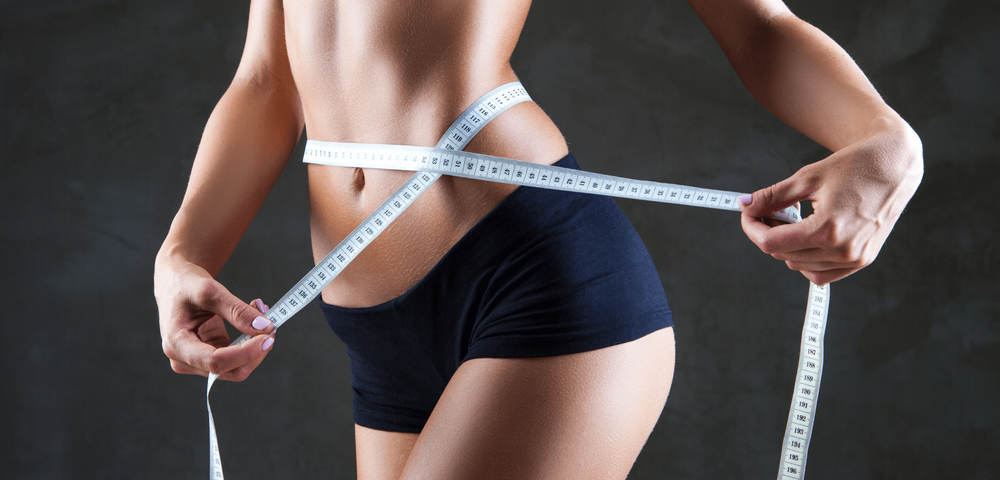
There are numerous categories of supplements on the market today, but one in particular stands out as irresistible for those looking to lose weight: fat burners.
These supplements are often marketed as powerful allies for weight loss diets, but aggressive marketing strategies frequently lead to unrealistic expectations.
The reality is that fat burners won’t magically make stubborn fat disappear. However, understanding how they work in our bodies and their level of effectiveness is worth exploring.
In this article, we summarize the scientific perspective on fat burners so you can make an informed decision the next time you’re considering a purchase.
What Are Fat Burners and How Do They Work?
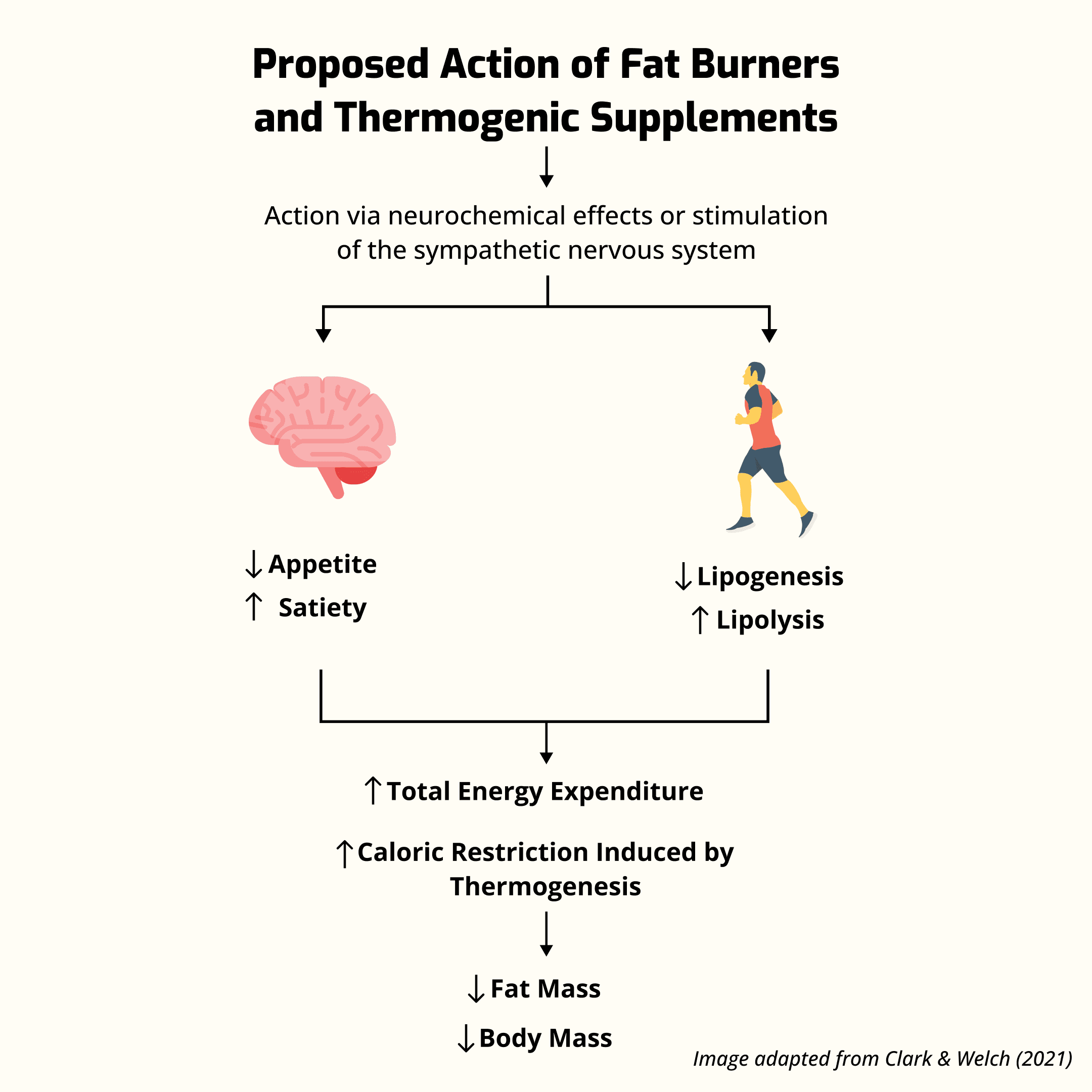
Fat burners, also known as thermogenics, are dietary supplements designed to support weight loss by influencing both sides of the energy balance equation: increasing calorie expenditure and reducing food intake. This is achieved through the following mechanisms:
- Appetite and satiety modulation via neurochemical effects.
- Increased lipolysis—or fat burning—by prioritizing the oxidation of fatty acids, and reduced lipogenesis, which decreases triglyceride accumulation (through the stimulation of the sympathetic nervous system) (1).
These effects, in theory, increase total energy expenditure and help achieve a calorie deficit, potentially leading to a reduction in body fat and overall weight.
Looking to reach your goals faster? 👉 Check out: Calorie Deficit: What It Is and How to Achieve It!
TL;DR (too long; didn't read):
Fat burners, or thermogenics, are marketed to boost calorie burn and reduce appetite, often combining ingredients like caffeine, capsaicin, and green tea extract. However, scientific evidence shows their impact on fat loss and body weight is minimal or clinically insignificant. Even popular compounds like L-carnitine have limited effectiveness unless in specific medical cases. These supplements can also pose health risks, as some products may lack promised ingredients or include banned substances. It’s best to save your money and prioritize a balanced diet and regular exercise instead.
Are Fat Burners Effective?
Keep in mind that fat burners typically don’t rely on a single ingredient. Instead, they use a combination of various components, each with a unique effect on the body.
Some of these ingredients stand out more than others. Let’s dive into the most common compounds found in fat burners and their real impact on weight loss.
Caffeine
Caffeine is a naturally occurring stimulant found in various plants, but it’s most famously sourced from coffee beans.
As a stimulant, caffeine reduces fatigue, enhances cognitive function, increases neurotransmitter release to boost alertness, and minimizes pain, making physical effort feel less demanding while improving muscle activation (2).
It also enhances sports performance, particularly muscular endurance (3), and to a lesser degree, strength (4).
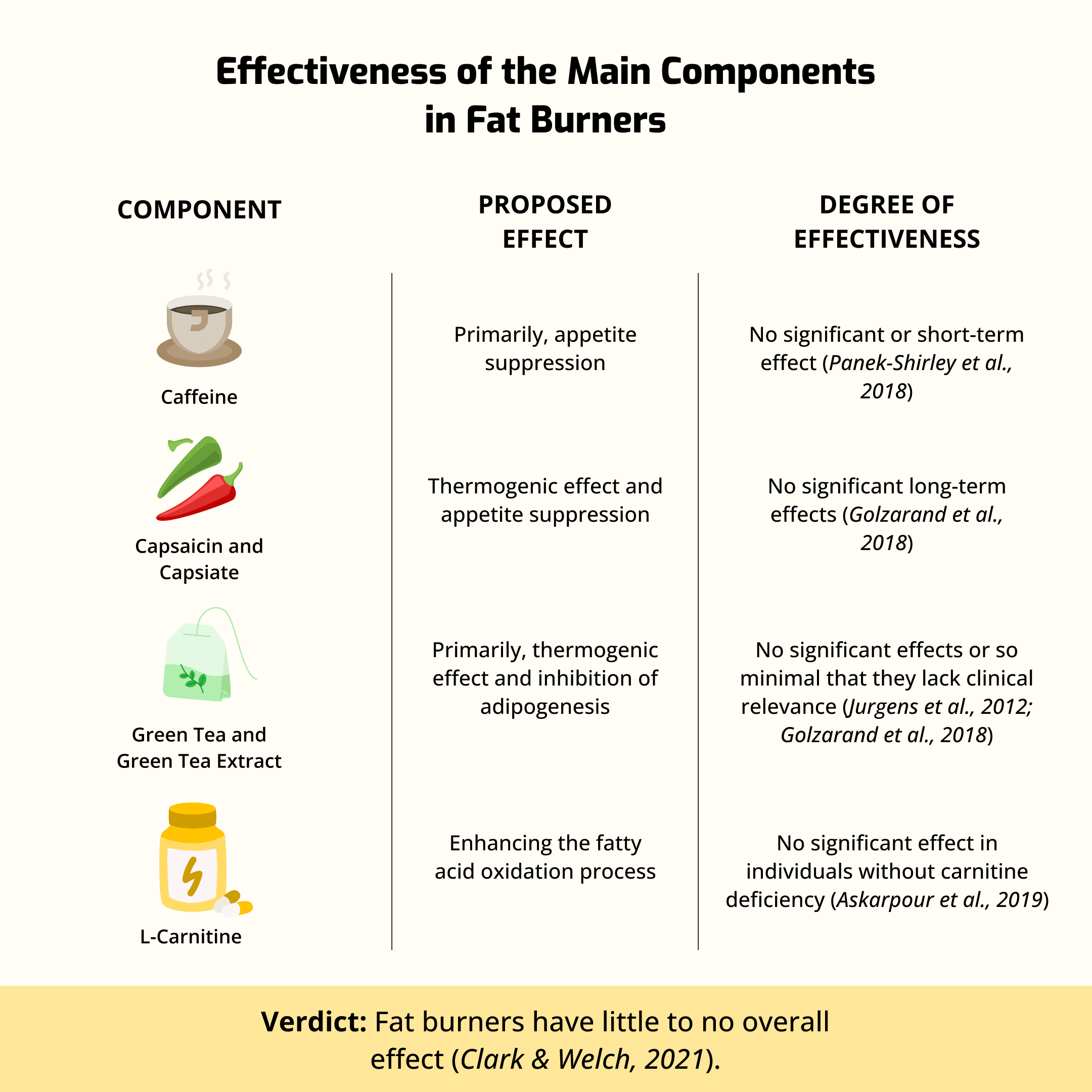
Caffeine is often included in fat burner formulas for its supposed appetite-suppressing properties. However, scientific evidence supporting this claim is limited.
For instance, Panek-Shirley et al. (5) conducted a study administering 1 mg/kg and 3 mg/kg doses of caffeine, as well as a placebo, to participants before a buffet breakfast to assess if caffeine intake would reduce calorie consumption. Researchers monitored their total caloric intake throughout the day.
Results indicated that participants who consumed 1 mg/kg of caffeine ate roughly 10% fewer calories at breakfast. Yet, this effect was short-lived, as there were no significant differences in overall caloric intake over the entire day. This suggests that caffeine’s appetite-suppressing effect, if present, is minimal and brief.
Additionally, some evidence does hint at caffeine’s role in weight reduction. Tabrizi et al. (6), conducted a meta-analysis suggesting caffeine may contribute to lowering weight, body fat, and BMI.
However, upon closer examination, only 3 out of 13 studies in the meta-analysis analyzed caffeine’s effects alone. The majority investigated multi-ingredient supplements, some of which included ephedrine, a substance banned in several countries. The high variability among studies also undermines the reliability of these findings—a limitation acknowledged by the researchers.
Capsaicin and capsiate
Capsaicin and capsiate belong to the capsaicinoid family, compounds that give chili peppers their spicy kick. While capsaicin causes a strong burning sensation, capsiate is structurally similar but lacks the heat.
Aside from this flavor difference, both compounds have shown potential to enhance muscular endurance, akin to the effects of caffeine (7). However, more research is needed to substantiate their effectiveness compared to other supplements on the market.
Preliminary studies have also highlighted the acute thermogenic and appetite-suppressing effects of capsaicin and capsiate, linking their consumption to reduced body fat and weight. As a result, they’re often included in fat burner formulas or taken separately for these benefits (8).
That said, more recent research has not been able to confirm their effectiveness for weight loss. The latest evidence points to minimal impact on body mass and insignificant long-term fat reduction (9).
Green Tea and Green Tea Extract
Green tea, made from the leaves of Camellia sinensis, is one of the most popular beverages in the Western world. It contains compounds like catechins, caffeine, theanine, and polysaccharides, which have been associated with antioxidant, anti-tumor, and anti-diabetic benefits. Additionally, there’s evidence that its catechins may help prevent conditions such as diabetes, infections, cancer, and skin inflammation (10).
Beyond these health benefits, earlier studies suggested that green tea consumption could have a small yet positive effect on weight loss and weight maintenance. This is mainly attributed to the action of catechins or a combination of epigallocatechin gallate (EGCG) and caffeine found in green tea (11). As a result, green tea or its extract is often promoted as a potential fat burner.
However, later research (including a meta-analysis evaluating the effectiveness of capsaicin and capsiate) has shown that the long-term effects of green tea and its extracts on body fat percentage and waist circumference are not statistically significant or are so minor that they lack clinical relevance (9,12).
L-Carnitine
L-carnitine is a compound naturally found in the body, playing a key role in fat metabolism. Its popularity as a fat loss supplement stems from its involvement in the oxidation of fatty acids to generate energy. This has led to the belief that supplementing with carnitine could boost fat burning and accelerate weight loss.
However, recent research does not support this theory. A meta-analysis by Askarpour et al. (13) concluded that L-carnitine supplementation does not have a significant effect on fat loss, especially in individuals without a deficiency. Therefore, increasing its intake does not appear to have a meaningful impact on body fat percentage or weight loss.
It’s worth noting that some studies in the literature have shown favorable effects on fat loss with L-carnitine supplementation. However, these results are often observed in older populations suffering from sarcopenia or in individuals with specific medical or genetic conditions affecting metabolism (14). These cases do not translate to the same benefits for healthy individuals without an L-carnitine deficiency.
What Does Science Reveal About the Effectiveness of Fat Burners?
As we've seen, fat burners consist of various ingredients, each offering potential health and performance benefits. However, none of them have strong evidence to support a direct and lasting impact on fat loss or body weight reduction.
If doubts remain about the limited effectiveness of fat burners, one need only look at the meta-analysis by Clark and Welch (1). The authors reviewed 21 studies published between 1998 and 2018, which examined the effects of these supplements on body mass, fat mass, lean mass, total cholesterol, high and low-density lipoproteins, and resting metabolic rate.
The meta-analysis found no clear benefit from using fat burners, proving them less effective than exercise alone or a combination of diet and exercise without supplements. Furthermore, some included studies that lasted over a year utilized ephedrine and prescription medications for obesity, such as phentermine and topiramate. This indicates that even with the most potent products, the results weren’t significant enough to claim that fat burners have a substantial effect on weight loss.
Are Fat Burners Risky to Take?
You might already be convinced that fat burners aren't the best solution for actually burning fat. However, if you choose to use them for any reason—despite our recommendation not to spend your money on them—make sure the supplement comes from a reputable company and, ideally, has been third-party tested to certify its quality and safety.
If not, you could be putting your health at risk. In the United States, a study analyzed various sports supplements sold in stores, including fat burners. The findings revealed that 40% of the tested supplements did not contain a significant amount of the main compound they claimed to have.
Additionally, 12% of these products contained ingredients banned by the U.S. Food and Drug Administration (FDA), such as synthetic stimulants (1,4-dimethylamylamine, deteranol, octodrine, and oxilofrine) and omberacetam, a nootropic drug (15).
It’s also worth noting that products containing ephedrine were sold for years as fat loss aids until the FDA banned them in 2004 after being linked to the deaths of several athletes (16). As new compounds with supposed weight loss benefits emerge, it’s wise to wait for proof of their safety before trying them to avoid repeating past mistakes.
In Summary...
Fat burners, or thermogenics, are marketed as supplements that increase calorie expenditure and suppress appetite to aid weight loss. These products often combine ingredients like caffeine, capsaicin, and green tea extract. However, their effectiveness is debatable, as the strongest scientific evidence indicates that their impact on fat loss and body weight is minimal or clinically insignificant. Even popular compounds like L-carnitine have not proven effective, except in specific cases involving certain medical conditions.
Moreover, fat burners come with risks. Some products have been found to lack the promised amounts of active ingredients or even contain banned substances. Therefore, if you do choose to use them, ensure that the supplement is from a trusted brand and has undergone third-party testing to guarantee its quality and safety.
In conclusion, given the limited impact of these supplements, it’s best to save your money and focus on more effective methods, like a balanced diet and regular exercise.
References
- Clark JE, Welch S. Comparing effectiveness of fat burners and thermogenic supplements to diet and exercise for weight loss and cardiometabolic health: Systematic review and meta-analysis. Nutr Health. 2021 Dec;27(4):445-459. doi: 10.1177/0260106020982362. Epub 2021 Jan 11. PMID: 33427571.
- Porkka-Heiskanen T, Kalinchuk AV. Adenosine, energy metabolism and sleep homeostasis. Sleep Med Rev. 2011 Apr;15(2):123-35. doi: 10.1016/j.smrv.2010.06.005. Epub 2010 Oct 20. PMID: 20970361.
- Polito MD, Souza DB, Casonatto J, Farinatti P. Acute effect of caffeine consumption on isotonic muscular strength and endurance: a systematic review and meta-analysis. Science & Sports. 2016 Jun 1;31(3):119-28.
- Grgic J, Trexler ET, Lazinica B, Pedisic Z. Effects of caffeine intake on muscle strength and power: a systematic review and meta-analysis. J Int Soc Sports Nutr. 2018 Mar 5;15:11. doi: 10.1186/s12970-018-0216-0. PMID: 29527137; PMCID: PMC5839013.
- Panek-Shirley LM, DeNysschen C, O'Brien E, Temple JL. Caffeine Transiently Affects Food Intake at Breakfast. J Acad Nutr Diet. 2018 Oct;118(10):1832-1843. doi: 10.1016/j.jand.2018.05.015. Epub 2018 Jul 19. PMID: 30033159.
- Tabrizi R, Saneei P, Lankarani KB, Akbari M, Kolahdooz F, Esmaillzadeh A, Nadi-Ravandi S, Mazoochi M, Asemi Z. The effects of caffeine intake on weight loss: a systematic review and dos-response meta-analysis of randomized controlled trials. Crit Rev Food Sci Nutr. 2019;59(16):2688-2696. doi: 10.1080/10408398.2018.1507996. Epub 2018 Oct 18. PMID: 30335479.
- Grgic J, Memon AR, Chen S, Ramirez-Campillo R, Barreto G, Haugen ME, Schoenfeld BJ. Effects of Capsaicin and Capsiate on Endurance Performance: A Meta-Analysis. Nutrients. 2022 Oct 28;14(21):4531. doi: 10.3390/nu14214531. PMID: 36364793; PMCID: PMC9655695.
- Ludy MJ, Moore GE, Mattes RD. The effects of capsaicin and capsiate on energy balance: critical review and meta-analyses of studies in humans. Chem Senses. 2012 Feb;37(2):103-21. doi: 10.1093/chemse/bjr100. Epub 2011 Oct 29. PMID: 22038945; PMCID: PMC3257466.
- Golzarand, M., Toolabi, K., & Aghasi, M. (2018). Effect of green tea, caffeine and capsaicin supplements on the anthropometric indices: A meta-analysis of randomized clinical trials. Journal of Functional Foods, 46, 320-328.
- Zhao T, Li C, Wang S, Song X. Green Tea (Camellia sinensis): A Review of Its Phytochemistry, Pharmacology, and Toxicology. Molecules. 2022 Jun 18;27(12):3909. doi: 10.3390/molecules27123909. PMID: 35745040; PMCID: PMC9231383.
- Hursel R, Viechtbauer W, Westerterp-Plantenga MS. The effects of green tea on weight loss and weight maintenance: a meta-analysis. Int J Obes (Lond). 2009 Sep;33(9):956-61. doi: 10.1038/ijo.2009.135. Epub 2009 Jul 14. PMID: 19597519.
- Jurgens TM, Whelan AM, Killian L, Doucette S, Kirk S, Foy E. Green tea for weight loss and weight maintenance in overweight or obese adults. Cochrane Database Syst Rev. 2012 Dec 12;12(12):CD008650. doi: 10.1002/14651858.CD008650.pub2. PMID: 23235664; PMCID: PMC8406948.
- Askarpour M, Hadi A, Miraghajani M, Symonds ME, Sheikhi A, Ghaedi E. Beneficial effects of l-carnitine supplementation for weight management in overweight and obese adults: An updated systematic review and dose-response meta-analysis of randomized controlled trials. Pharmacol Res. 2020 Jan;151:104554. doi: 10.1016/j.phrs.2019.104554. Epub 2019 Nov 17. PMID: 31743774.
- Fielding R, Riede L, Lugo JP, Bellamine A. l-Carnitine Supplementation in Recovery after Exercise. Nutrients. 2018 Mar 13;10(3):349. doi: 10.3390/nu10030349. Erratum in: Nutrients. 2018 Apr 26;10(5):E541. doi: 10.3390/nu10050541. PMID: 29534031; PMCID: PMC5872767.
- Cohen PA, Avula B, Katragunta K, Travis JC, Khan I. Presence and Quantity of Botanical Ingredients With Purported Performance-Enhancing Properties in Sports Supplements. JAMA Netw Open. 2023 Jul 3;6(7):e2323879. doi: 10.1001/jamanetworkopen.2023.23879. PMID: 37459101; PMCID: PMC10352857.
- Charatan F. Ephedra supplement may have contributed to sportsman's death. BMJ. 2003 Mar 1;326(7387):464. doi: 10.1136/bmj.326.7387.464/b. PMID: 12609922; PMCID: PMC1125365.
Related articles
 Fat Loss
Weight Loss Calorie Chart (2026): How Many Calories to Eat by Body Weight, Sex, and Activity
See how many calories to eat to lose weight, with simple charts by body weight and activity, plus why your target changes as you go.
Read article Fat Loss
Best Personalized Meal Planning App for Weight Loss in the US (2026): Comparing Apps That Plan Around Your Likes, Dislikes & Food Preferences
Compare Fitia, Eat This Much, Lifesum & Mealime on how deeply each one plans meals around your likes, dislikes, and dietary patterns for weight loss.
Read article Fat Loss
Best Calorie Deficit App to Diet Without Feeling Hungry in the US (2026): Satiety-Focused Reviews & Feature Comparison
Compare the best calorie deficit apps in the US for 2026. See which satiety features actually keep you full so you can stick to a deficit for months.
Read article