
Dec 03, 2024
The 5 Fitness Supplements That Are Actually Worth Your Money
If you’ve ever walked into a supplement store looking for something to help you build muscle or lose weight, you’ve probably felt overwhelmed by all the options.
Creatine, pre-workout, glutamine, protein, amino acids... So, which one do you choose?
With so many brands and products out there, it’s easy to think you need to grab everything on the shelf to get the best results.
But in reality, only a few supplements have a significant impact on your performance and physique. Many are ineffective, and some aren’t as powerful as they’re made out to be.
In this article, we’ll share the fitness supplements that are actually worth your money.
1. Creatine
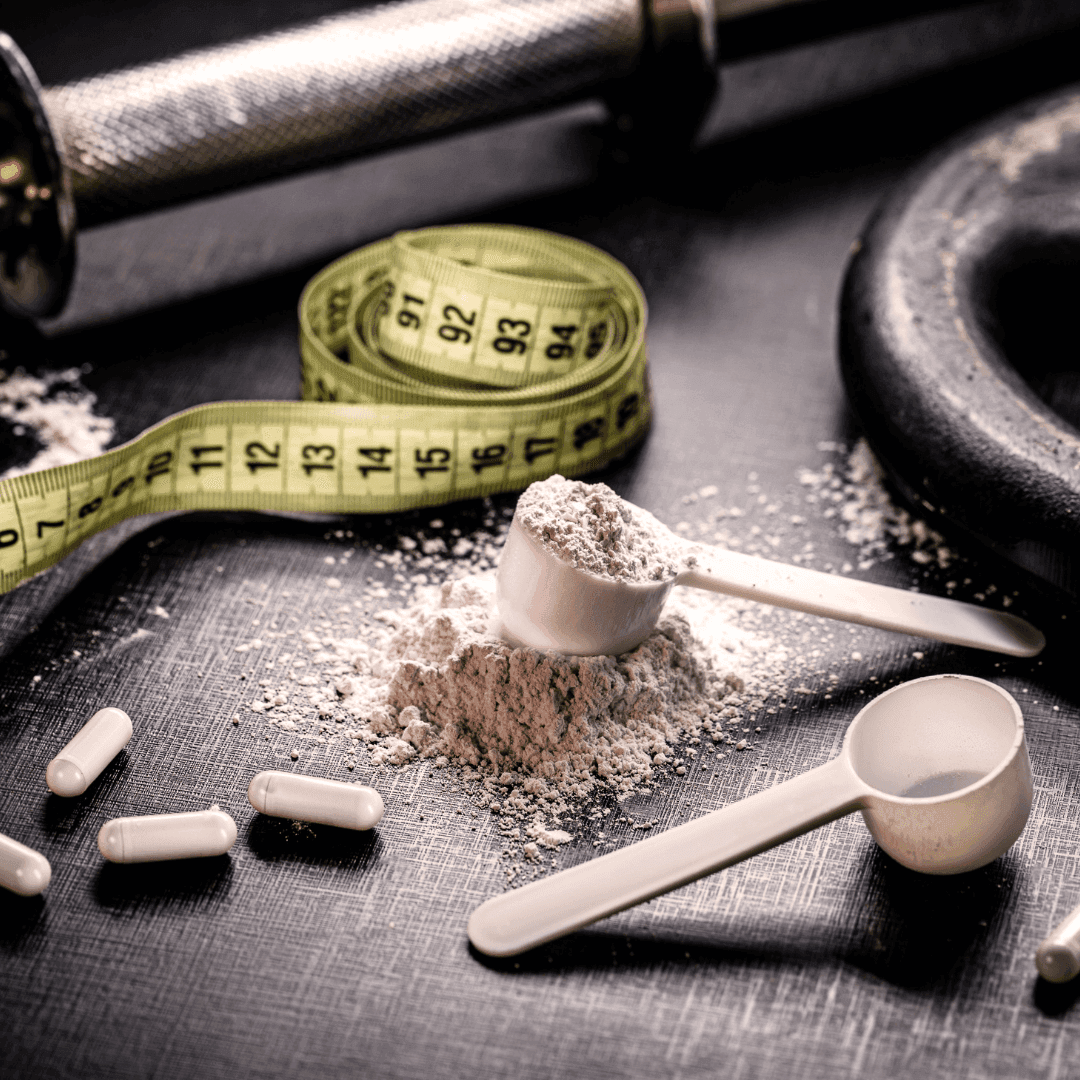
Creatine is one of the most effective supplements. It helps you quickly replenish energy during intense activities like weightlifting or running by storing a form of energy called phosphocreatine, which translates to greater muscle gains.
Creatine is available in two main forms: powder and pills. Plus, you’ll find various types, such as creatine monohydrate, creatine gluconate, creatine hydrochloride, creatine ethyl ester, and creatine citrate, among many others.
Now, there’s something important you should know: creatine monohydrate is by far the best when it comes to effectiveness and price.
Other versions of creatine often include additional components designed to improve absorption, but at a higher cost.
That said, science has shown that creatine monohydrate is just as effective, and its low cost makes it very accessible. So, there’s no need to spend more on “premium” creatines—monohydrate gets the job done perfectly.
Taking 3 to 5 grams a day, without the need for a loading phase, is enough to reap all its benefits.
For more information on creatine, check out our ultimate guide 👉 Creatine: The Definitive Guide – Everything You Need to Know
2. Protein Powder

Is Protein powder essential? It’s not a must. You can meet your daily protein requirements by consuming protein-rich foods.
However, if for any reason you're unable to get enough protein from food, protein powder is the next best option and just as effective for building muscle mass.
That’s why many brands offer this supplement in a variety of flavors and with different added ingredients.
In general, as long as the brands you choose are trustworthy and provide a detailed nutrition label with all the amino acids, your choice of protein will depend on your budget and personal preferences.
As a rule of thumb, whey protein is the industry standard. However, if it causes stomach discomfort or if you prefer other options, you might consider isolated, hydrolyzed, or plant-based proteins.
If you want to learn more about how to choose the best protein for you, check out this article 👉 How to Choose a High Quality Whey Protein: 4 Key Factors
Now, let's talk about some supplements that have strong evidence supporting them, but are only effective under certain conditions, or their effects aren't as noticeable as the top two.
3. Caffeine
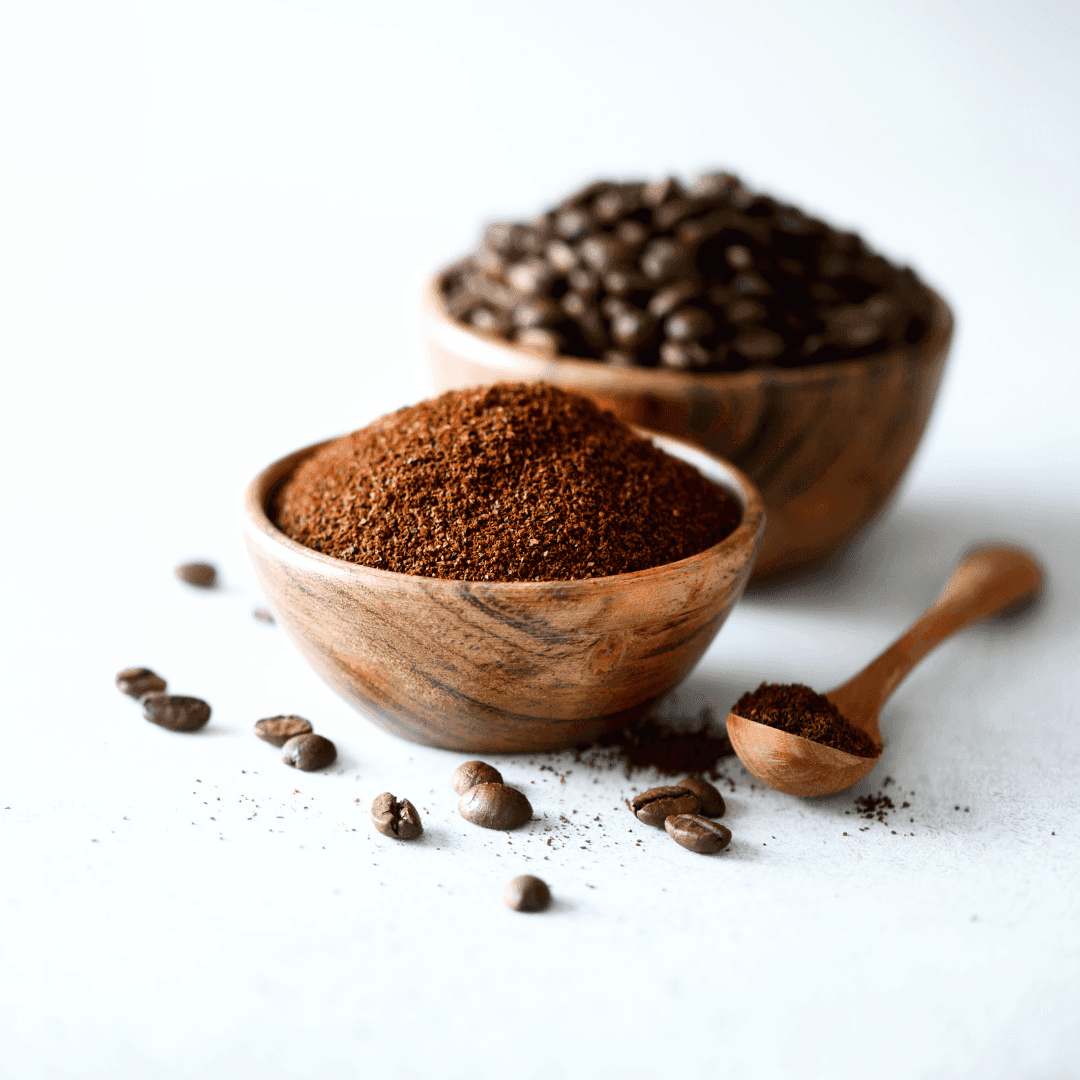
Caffeine is a stimulant with strong evidence supporting its ability to improve athletic performance, especially in endurance sports.
You can consume caffeine through your morning coffee, tablets, or even in popular pre-workout supplements.
Although these pre-workouts contain other ingredients, their main goal remains the same as caffeine: to boost energy and focus.
It’s important to note that while caffeine can be effective, it may also have side effects, such as difficulty falling asleep if consumed up to 12 hours before bedtime.
Additionally, over time, your body may develop a tolerance to its effects, which could reduce its effectiveness.
Therefore, caffeine will be especially useful for endurance athletes who train in the morning.
4. Vitamin D
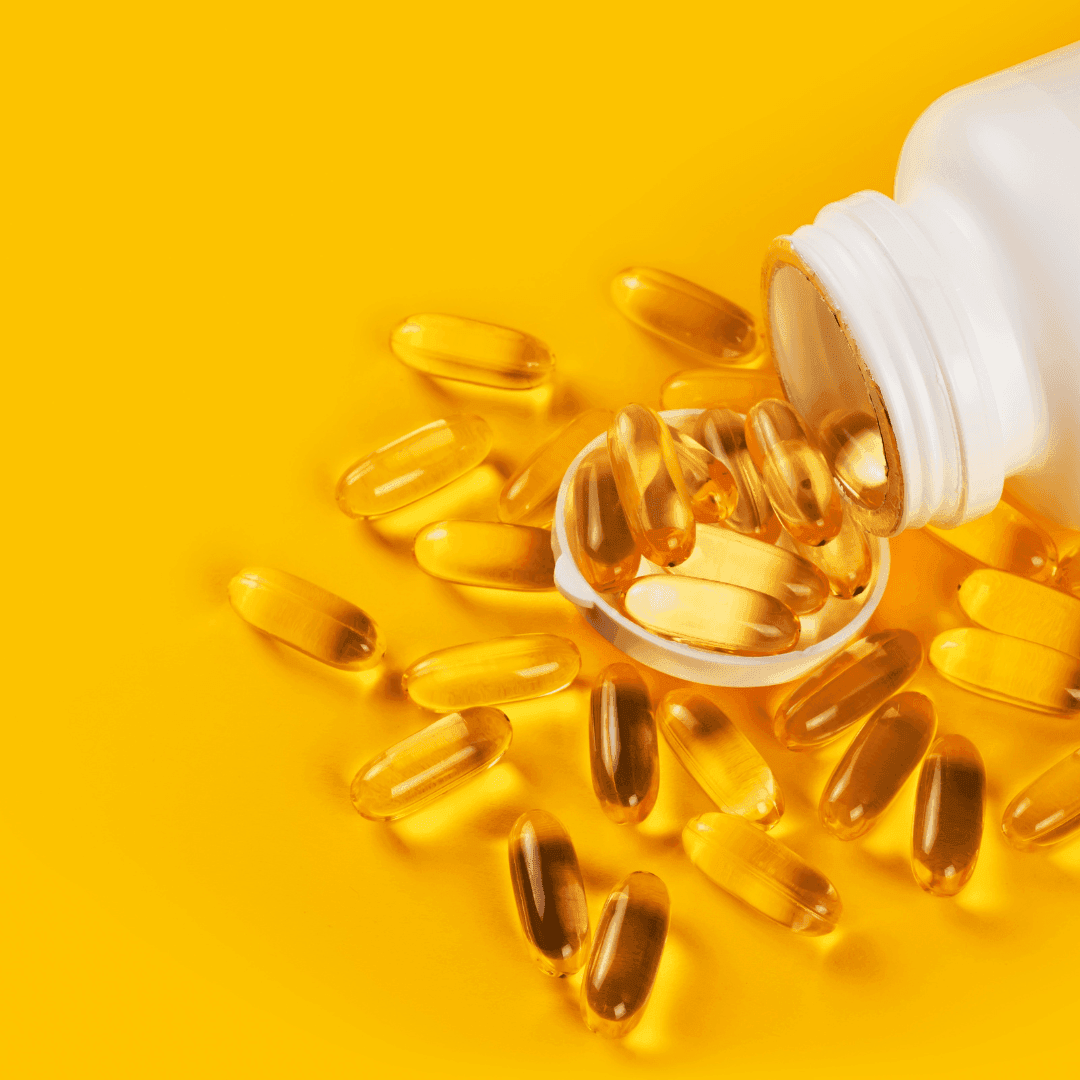
Vitamin D deficiency is more common than you might think. Even among healthy professional athletes, it’s not unusual to find low levels of vitamin D in the blood.
Additionally, a deficiency in vitamin D has been linked to several health issues, including depression, cognitive decline, poor bone health, and decreased neuromuscular function.
On the other hand, some studies have shown small but positive effects on athletic performance for those who take vitamin D supplements, in both lower and upper body strength.
Ideally, you should get your vitamin D levels checked with a blood test (under medical supervision) before starting supplementation. However, considering vitamin D to improve your health and sports performance isn’t a bad idea, especially if you don’t get much sun exposure or live in a place with limited sunlight.
5. Magnesium
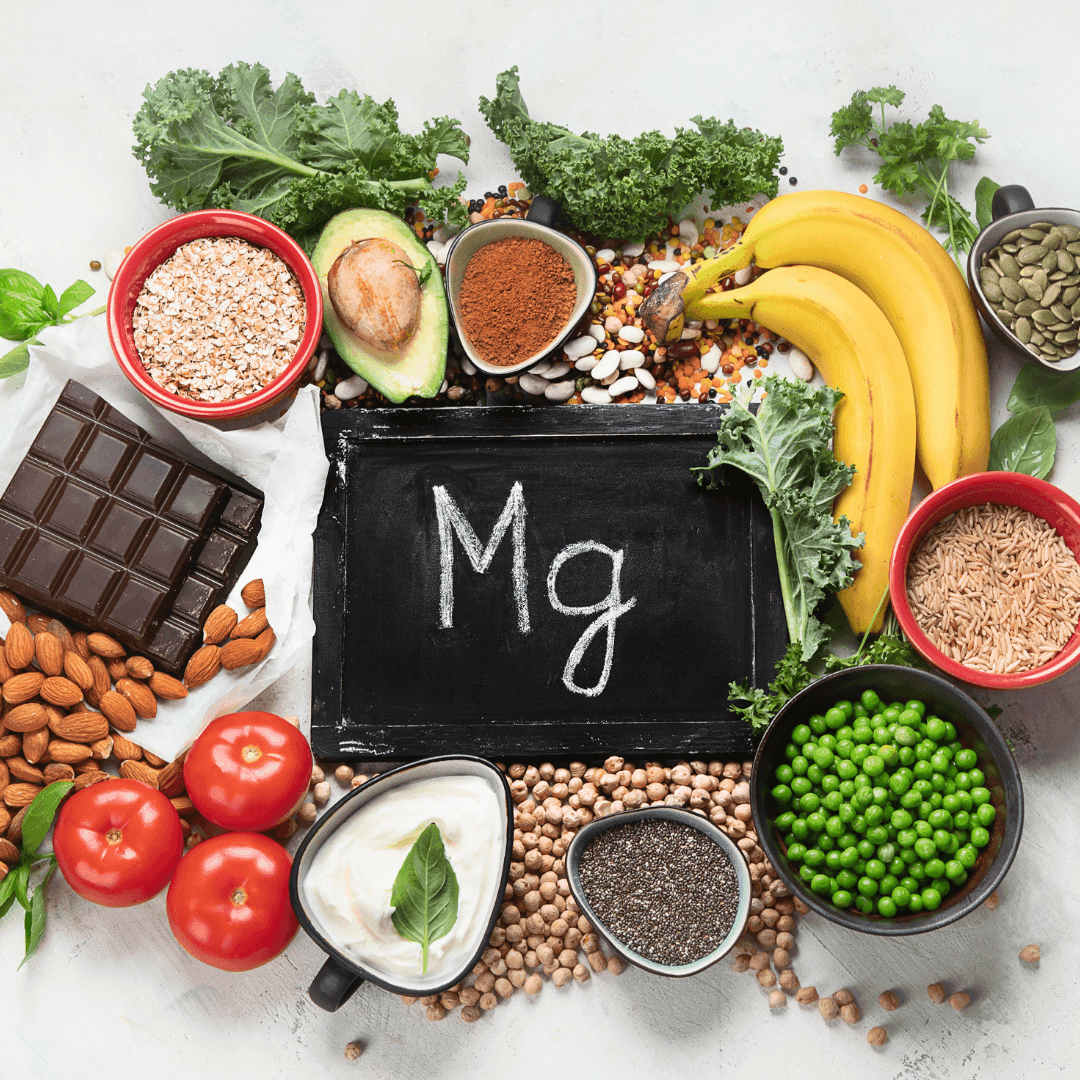
Just like vitamin D deficiency, magnesium deficiency is also quite common in the general population.
Studies have shown that consuming the right amount of magnesium through oral supplements can have positive effects, such as increased muscle strength and, in some cases, improved sleep quality, both in athletes and individuals with clinical conditions.
If you decide to take magnesium, magnesium citrate is the most scientifically supported option and is also fairly affordable.
In conclusion...
You don’t need to buy every supplement you see in stores. Creatine and protein powder are the most convenient options when it comes to improving your performance and building muscle, and science backs it up.
Other supplements like caffeine, vitamin D, and magnesium can also be useful, but their effectiveness depends on your personal needs.
Remember, supplements are just one piece of the puzzle: a balanced diet, well-planned workouts, and proper rest are even more important for seeing lasting results.
And before you jump into trying any of these options, it’s always a good idea to consult with a healthcare professional to make sure you’re taking what you actually need.
References
References
- Vilar Neto, J. D. O., da Silva, C. A., Lima, A. B., Rosa de Souza, F. J., Pinto, D. V., et al. (2018). Effects of low-dose creatine monohydrate on muscle strength and endurance. Asian Journal of Sports Medicine, 9(3), e62739. https://doi.org/10.5812/asjsm.62739
- Polito, M. D., Souza, D. B., Casonatto, J., & Farinatti, P. (2016). Acute effect of caffeine consumption on isotonic muscular strength and endurance: A systematic review and meta-analysis. Science & Sports, 31(3), 119-128. https://doi.org/10.1016/j.scispo.2016.01.006
- Gardiner CL, Weakley J, Burke LM, Fernandez F, Johnston RD, Leota J, Russell S, Munteanu G, Townshend A, Halson SL. Dose and timing effects of caffeine on subsequent sleep: A randomised clinical crossover trial. Sleep. 2024 Oct 8:zsae230. doi: 10.1093/sleep/zsae230. Epub ahead of print. PMID: 39377163.
- Lara B, Ruiz-Moreno C, Salinero JJ, Del Coso J. Time course of tolerance to the performance benefits of caffeine. PLoS One. 2019 Jan 23;14(1):e0210275. doi: 10.1371/journal.pone.0210275. PMID: 30673725; PMCID: PMC6343867.
- Bougrine H, Ammar A, Salem A, Trabelsi K, Żmijewski P, Jahrami H, Chtourou H, Souissi N. Effects of Different Caffeine Dosages on Maximal Physical Performance and Potential Side Effects in Low-Consumer Female Athletes: Morning vs. Evening Administration. Nutrients. 2024 Jul 11;16(14):2223. doi: 10.3390/nu16142223. PMID: 39064667; PMCID: PMC11279619.
- Trexler, E. (2020). Shedding Some Light on Vitamin D Supplementation: Does It Increase Strength In Athletes? MASS Research Review. https://www.massmember.com/products/mass-subscription/categories/2173505/posts/7319512
- Farrokhyar F, Tabasinejad R, Dao D, Peterson D, Ayeni OR, Hadioonzadeh R, Bhandari M. Prevalence of vitamin D inadequacy in athletes: a systematic-review and meta-analysis. Sports Med. 2015 Mar;45(3):365-78. doi: 10.1007/s40279-014-0267-6. PMID: 25277808.
- Dahlquist DT, Dieter BP, Koehle MS. Plausible ergogenic effects of vitamin D on athletic performance and recovery. J Int Soc Sports Nutr. 2015 Aug 19;12:33. doi: 10.1186/s12970-015-0093-8. PMID: 26288575; PMCID: PMC4539891.
- Tomlinson PB, Joseph C, Angioi M. Effects of vitamin D supplementation on upper and lower body muscle strength levels in healthy individuals. A systematic review with meta-analysis. J Sci Med Sport. 2015 Sep;18(5):575-80. doi: 10.1016/j.jsams.2014.07.022. Epub 2014 Aug 11. PMID: 25156880.
- Liguori S, Moretti A, Paoletta M, Gimigliano F, Iolascon G. Role of Magnesium in Skeletal Muscle Health and Neuromuscular Diseases: A Scoping Review. Int J Mol Sci. 2024 Oct 18;25(20):11220. doi: 10.3390/ijms252011220. PMID: 39457008; PMCID: PMC11508242.
Fitia: Meal Plans & Calorie Counter
We use cookies to enhance your browsing experience, analyze site traffic, and personalize content. By clicking 'Accept', you consent to the use of these technologies in accordance with our Privacy Policy.