5 Simple Tips to Maintain Weight Loss
Discover 5 simple tips to avoid weight regain and maintain your results with mindful eating, self-monitoring, energy balance, and strength training.
- Published
- 7 min read
- 7 min read

Congratulations! If you're reading this article, chances are you've just finished or are about to complete a diet that took a lot of effort and time to follow.
Now you might be wondering: "What should I do after the diet?"
Don’t worry—today, we’re sharing all the tips you need to maintain your new physique and avoid the dreaded weight regain.
But first, let’s take a look at what science has to say about this phenomenon that has impacted so many people on their journey to a healthier, fitter life.
What is weight regain and why does it happen?
In simple terms, weight regain refers to the recovery of body weight, primarily as fat mass, that occurs immediately or shortly after losing weight.
However, it’s not just about a lack of discipline or willpower. In fact, millions of years of evolution have made our bodies highly resistant to drastic weight changes, particularly to prevent weight loss and stave off starvation.
When we significantly reduce our body mass through dieting, our bodies respond by lowering the number of calories burned to perform daily functions. This makes it harder to continue losing weight or maintain the results achieved.
Additionally, the body reduces the secretion of appetite-suppressing hormones like leptin while increasing the production of hunger-stimulating hormones such as ghrelin. This leads to more frequent and intense cravings (1).
Given these natural bodily responses to weight loss, it’s no surprise that scientific literature reports a weight regain rate of 75%. In other words, out of every four people who reach their desired weight after following a low-calorie diet, only one will manage to maintain it long-term (2).
But don’t let this discourage you—science has also explored strategies to help increase your chances of successfully maintaining your new weight. Let’s dive into them below.
How can you avoid weight regain?
1. Maintain your energy balance in check
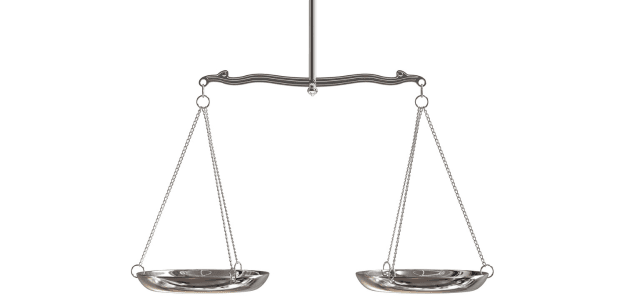
A common mistake after finishing a diet is transitioning from a calorie deficit (consuming fewer calories than your body burns) to an excessive calorie surplus (consuming more calories than your body needs). This often happens because people feel liberated from all restrictions and indulge uncontrollably in their food cravings.
As we’ve seen, the body can influence this process by increasing appetite after a period of weight loss. However, there is a way to increase food intake and satisfy hunger without consuming excessive calories: aim for a neutral energy balance. This allows you to maintain your weight stable without significant fluctuations.
There are several tools available to calculate your maintenance calories, from online calculators to apps like Fitia, which not only helps you determine your calorie needs but also provides a personalized meal plan tailored to your nutritional preferences.
2. Incorporate or maintain complementary physical activity

Strength training offers numerous health benefits: it increases muscular strength, improves body composition, reduces inflammation, and lowers the risk of mortality from all causes, including cardiovascular disease and cancer (3,4).
Strength training is especially important for those following a calorie deficit, as it helps preserve lean mass during the weight loss process.
It’s equally essential for those who have completed a diet and want to maintain their new physique. Strength training has a modest effect on maintaining or even increasing the resting metabolic rate (5), which allows you to consume slightly more calories compared to what you could without strength training.
Lastly, it’s always a good idea to include some low-intensity cardiovascular exercise, such as walking 8,000 to 10,000 steps per day (6), to complement your routine.
👉 You might be interested in the following article: Strength Training: 8 Keys to Improve Your Performance
3. Maintain consistent self-monitoring practices
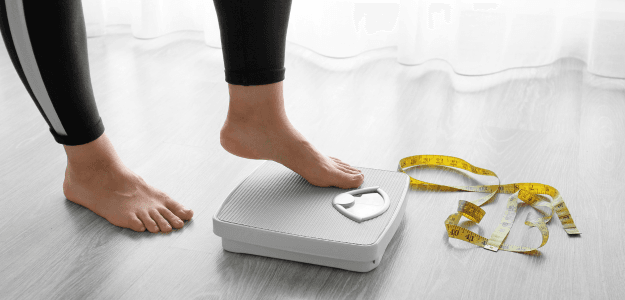
Science has shown that most people who experienced weight regain had reduced their self-monitoring practices before regaining the weight they had lost (7).
Self-monitoring practices can range from weighing yourself frequently throughout the week to keeping a log of the amount of food you consume.
However, regardless of the method you choose, the most important factor for maintaining your new weight is the frequency and consistency of self-monitoring, rather than the level of detail (8). Simply tracking your weight three times a week could be the key to keeping it stable and avoiding weight regain.
4. Practice mindful eating

Nowadays, mindful eating, rooted in Zen mindfulness, is increasingly being incorporated into clinical treatments for obesity and diabetes.
While a direct link between mindful eating and weight loss has not been established, those who practice it are likely to see significant improvements in their relationship with food and may find it easier to maintain their weight over time (9).
Mindful eating isn’t about following strict rules or setting specific goals in advance. Instead, it encourages individuals to be fully present during the act of eating, to recognize the purpose and attributes of their food, and to take full responsibility for their choices—without assigning judgment or labeling food as “good” or “bad.”
Like any other method that involves developing habits and shifting perspectives, mindful eating takes time and practice. Here are some recommendations from experts in the field that can help you get started (10):
- Let go of judgments and past experiences with food. Allow yourself to enjoy your meals in a space free from prejudice.
- Be patient while eating. Pay attention to the taste, texture, and even the origin of your food.
- Adopt a beginner's mindset. Approach your meals with curiosity and enjoy them as if it were your first time experiencing them.
- Fully accept your experience. It doesn’t have to match anyone else’s. By embracing what feels true for you, you’ll build greater trust in yourself and your choices. Welcome all thoughts and sensations that arise during your meal.
- Avoid setting predefined goals while eating. Let the experience itself guide the outcome, rather than the other way around.
5. A retroactive tip: choose a less restrictive diet

No matter where you are in your weight loss journey, it’s crucial to keep the following in mind, as it could be the most important factor in avoiding weight regain: the more restrictive your diet, the higher the risk of experiencing negative effects, such as:
- Reduced weight loss and greater difficulty maintaining your new weight.
- Increased obsession with food.
- Higher likelihood of overeating.
- Elevated levels of depression, anxiety, and mood disturbances.
- More frequent and severe episodes of binge eating.
- Increased symptoms of eating disorders.
- A poorer body image (11,12,13,14).
Therefore, if your diet involved completely cutting out a food group, like carbohydrates, or drastically reducing calories in a short period to reach your ideal weight quickly, you might face some counterproductive effects that make it harder to establish healthy eating habits.
That said, don’t worry—whether you’re nearing the end of your diet or still in the middle of it, it’s never too late to make adjustments. By reducing rigidity and increasing flexibility in your eating plan, you can set yourself up for long-term success.
In summary…
If you want to avoid weight regain, it's essential to transition from a calorie deficit to a neutral energy balance.
Maintain or incorporate complementary physical activity, such as strength training and low-intensity cardio, which allows for higher calorie intake while providing numerous health benefits.
Stay consistent with self-monitoring, embrace mindful eating to better understand your personal food experience, and keep in mind that a rigid diet increases the risk of weight regain.
Lastly, science provides an encouraging message about weight regain: “If individuals manage to maintain their weight loss for 2 years, they can reduce their risk of regaining weight by nearly 50%.” (15).
In other words, while maintaining your best physical shape might feel challenging now, it will become easier over time. Stay motivated—you’ve got this!
Struggling to find a transformative nutrition plan? Download Fitia and optimize your nutrition today!
References
- Greenway FL. Physiological adaptations to weight loss and factors favouring weight regain. Int J Obes (Lond). 2015 Aug;39(8):1188-96. doi: 10.1038/ijo.2015.59. Epub 2015 Apr 21. PMID: 25896063; PMCID: PMC4766925.
- Flore G, Preti A, Carta MG, Deledda A, Fosci M, Nardi AE, Loviselli A, Velluzzi F. Weight Maintenance after Dietary Weight Loss: Systematic Review and Meta-Analysis on the Effectiveness of Behavioural Intensive Intervention. Nutrients. 2022 Mar 16;14(6):1259. doi: 10.3390/nu14061259. PMID: 35334917; PMCID: PMC8953094.
- Liberman K, Forti LN, Beyer I, Bautmans I. The effects of exercise on muscle strength, body composition, physical functioning and the inflammatory profile of older adults: a systematic review. Curr Opin Clin Nutr Metab Care. 2017 Jan;20(1):30-53. doi: 10.1097/MCO.0000000000000335. PMID: 27755209.
- Shailendra P, Baldock KL, Li LSK, Bennie JA, Boyle T. Resistance Training and Mortality Risk: A Systematic Review and Meta-Analysis. Am J Prev Med. 2022 Aug;63(2):277-285. doi: 10.1016/j.amepre.2022.03.020. Epub 2022 May 20. PMID: 35599175.
- Bryner RW, Ullrich IH, Sauers J, Donley D, Hornsby G, Kolar M, Yeater R. Effects of resistance vs. aerobic training combined with an 800 calorie liquid diet on lean body mass and resting metabolic rate. J Am Coll Nutr. 1999 Apr;18(2):115-21. doi: 10.1080/07315724.1999.10718838. PMID: 10204826.
- Steele J, Plotkin D, Van Every D, Rosa A, Zambrano H, Mendelovits B, Carrasquillo-Mercado M, Grgic J, Schoenfeld BJ. Slow and Steady, or Hard and Fast? A Systematic Review and Meta-Analysis of Studies Comparing Body Composition Changes between Interval Training and Moderate Intensity Continuous Training. Sports (Basel). 2021 Nov 18;9(11):155. doi: 10.3390/sports9110155. PMID: 34822354; PMCID: PMC8619923.
- Thomas JG, Bond DS, Phelan S, Hill JO, Wing RR. Weight-loss maintenance for 10 years in the National Weight Control Registry. Am J Prev Med. 2014 Jan;46(1):17-23. doi: 10.1016/j.amepre.2013.08.019. PMID: 24355667.
- Peterson ND, Middleton KR, Nackers LM, Medina KE, Milsom VA, Perri MG. Dietary self-monitoring and long-term success with weight management. Obesity (Silver Spring). 2014 Sep;22(9):1962-7. doi: 10.1002/oby.20807. Epub 2014 Jun 13. PMID: 24931055; PMCID: PMC4149603.
- Olson KL, Emery CF. Mindfulness and weight loss: a systematic review. Psychosom Med. 2015 Jan;77(1):59-67. doi: 10.1097/PSY.0000000000000127. PMID: 25490697.
- Nelson JB. Mindful Eating: The Art of Presence While You Eat. Diabetes Spectr. 2017 Aug;30(3):171-174. doi: 10.2337/ds17-0015. PMID: 28848310; PMCID: PMC5556586.
- Westenhoefer J, Stunkard AJ, Pudel V. Validation of the flexible and rigid control dimensions of dietary restraint. Int J Eat Disord. 1999 Jul;26(1):53-64. doi: 10.1002/(sici)1098-108x(199907)26:1<53::aid-eat7>3.0.co;2-n. PMID: 10349584.
- Smith CF, Williamson DA, Bray GA, Ryan DH. Flexible vs. Rigid dieting strategies: relationship with adverse behavioral outcomes. Appetite. 1999 Jun;32(3):295-305. doi: 10.1006/appe.1998.0204. PMID: 10336790.
- Stewart TM, Williamson DA, White MA. Rigid vs. flexible dieting: association with eating disorder symptoms in nonobese women. Appetite. 2002 Feb;38(1):39-44. doi: 10.1006/appe.2001.0445. PMID: 11883916.
- Westenhoefer J, Engel D, Holst C, Lorenz J, Peacock M, Stubbs J, Whybrow S, Raats M. Cognitive and weight-related correlates of flexible and rigid restrained eating behaviour. Eat Behav. 2013 Jan;14(1):69-72. doi: 10.1016/j.eatbeh.2012.10.015. Epub 2012 Nov 13. PMID: 23265405.
- Wing RR, Phelan S. Long-term weight loss maintenance. Am J Clin Nutr. 2005 Jul;82(1 Suppl):222S-225S. doi: 10.1093/ajcn/82.1.222S. PMID: 16002825.
Related articles
 Fat Loss
Weight Loss Calorie Chart (2026): How Many Calories to Eat by Body Weight, Sex, and Activity
See how many calories to eat to lose weight, with simple charts by body weight and activity, plus why your target changes as you go.
Read article Fat Loss
Best Personalized Meal Planning App for Weight Loss in the US (2026): Comparing Apps That Plan Around Your Likes, Dislikes & Food Preferences
Compare Fitia, Eat This Much, Lifesum & Mealime on how deeply each one plans meals around your likes, dislikes, and dietary patterns for weight loss.
Read article Fat Loss
Best Calorie Deficit App to Diet Without Feeling Hungry in the US (2026): Satiety-Focused Reviews & Feature Comparison
Compare the best calorie deficit apps in the US for 2026. See which satiety features actually keep you full so you can stick to a deficit for months.
Read article