Oct 24, 2024
10 Ideal Foods for a Weight Loss Plan
The first thing you need to know is that no single food alone will make you lose weight.
Unfortunately, there are no magic teas, smoothies, or food combinations that will "burn fat" or "melt away pounds" just by eating or drinking them.
Weight loss is a slow process that requires certain conditions—not specific foods—to happen.
The Key to Losing Fat: A Caloric Deficit
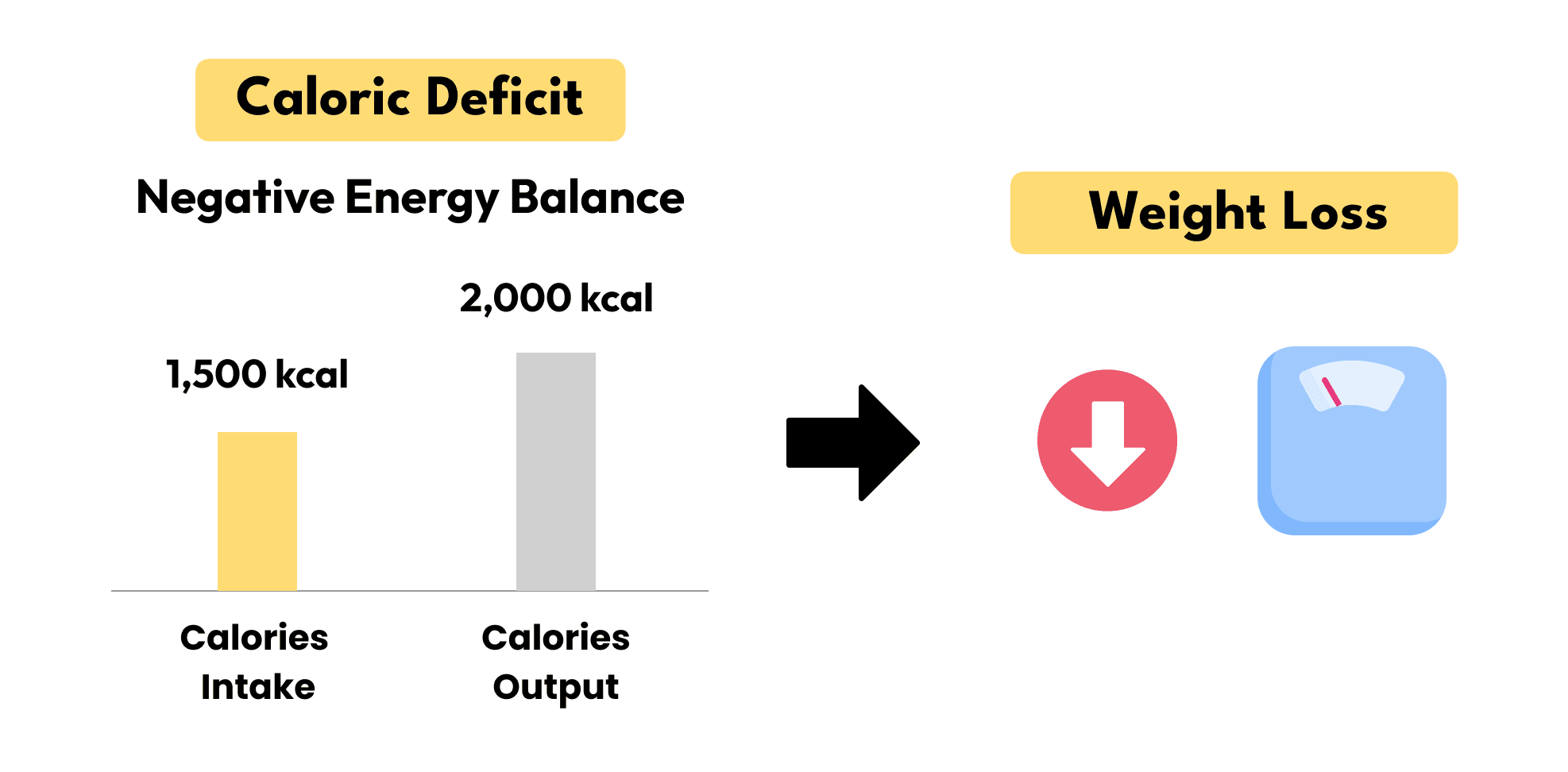
The most important factor is maintaining a caloric deficit—consuming fewer calories than your body burns throughout the day. This forces your body to tap into stored fat for energy, leading to fat loss over time (1,2,3).
With the Fitia app, you can find out exactly how many calories and nutrients you need to achieve your weight loss goals. Fitia also provides personalized meal plans and thousands of recipes to fit your daily needs. Download it for free today!
What Foods Make It Easier to Stay in a Caloric Deficit?
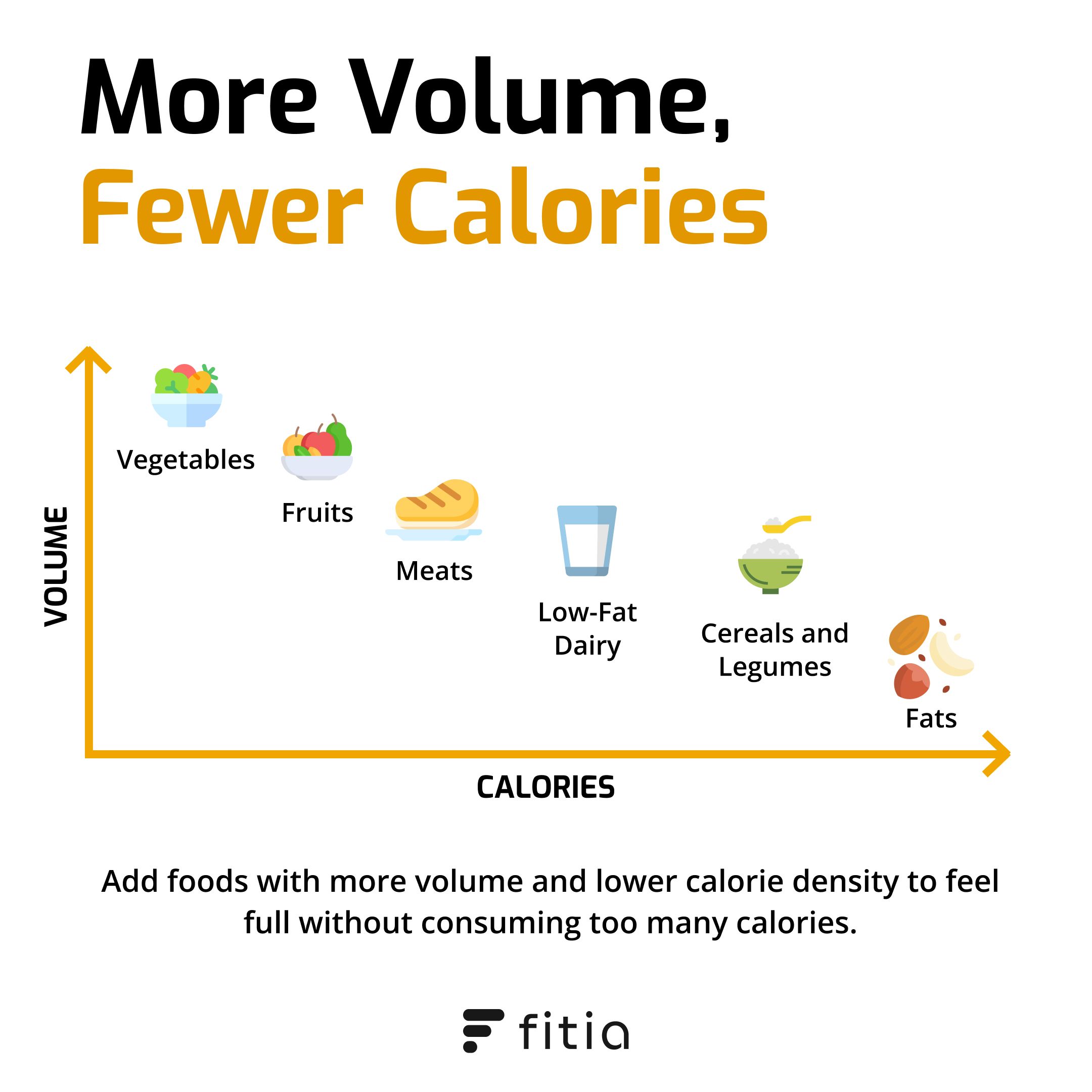
The best foods for weight loss promote satiety because they are rich in protein, fiber, or water. These foods tend to have a low caloric density, meaning they offer fewer calories relative to their volume.
Here are the 10 best foods to include in your weight loss plan to stay full without excess calories:
1. Chicken and Other Lean Meats
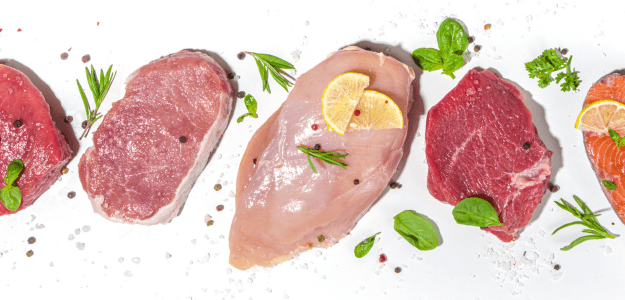
Lean meats are an excellent source of high-quality protein, a key macronutrient for weight loss. Protein keeps you feeling full by increasing amino acid levels in the bloodstream, which stimulates the release of hormones like CCK, GLP-1, and PYY—hormones responsible for controlling hunger and satiety (4,5).
Protein also has a high thermic effect, meaning your body uses more energy to digest it, raising your metabolism and keeping hunger at bay (4,5,6).
Lean poultry like chicken and turkey are especially beneficial for weight loss since they are high in protein but low in fat.
Additionally, consuming enough protein while in a caloric deficit is essential to prevent muscle mass loss. This makes lean meats ideal for any weight loss plan, as they are both high in protein and low in fat.
3.5 oz (100 g) of chicken breast:
- Calories: 120 kcal
- Proteins: 22.5 g
- Carbohydrates: 0 g
- Fats: 2.6 g
📲 With the Fitia app, you can get a personalized meal plan to help you lose weight efficiently. Track your macros and explore the nutritional information of all kinds of foods, including local products and brands. Download it for free here!
2. Watermelon and Low-Calorie Fruits
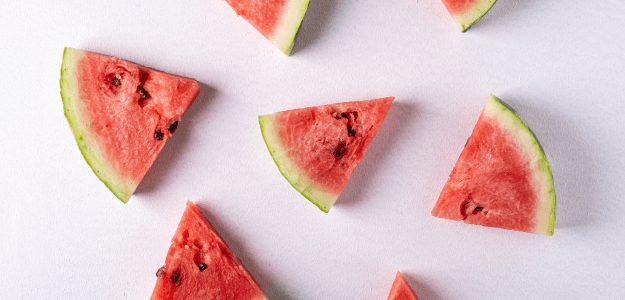
Fruits are rich in fiber, water, vitamins, minerals, and bioactive compounds that provide numerous health benefits. Thanks to their low caloric density, fruits help keep you full without consuming too many calories.
If you are looking to lose body fat, you can easily incorporate fruits into your breakfasts, dinners, salads, smoothies, desserts, or snacks.
1 cup or 5.6 oz (160 g) of watermelon:
- Calories: 48 kcal
- Carbohydrates: 12.1 g
- Proteins: 1 g
- Fats: 0.2 g
Other low-calorie fruits include strawberries, papaya, melon, and berries.
👉 See what 100 Calories Of Fruit Looks Like
3. Leafy Greens and Cruciferous Vegetables
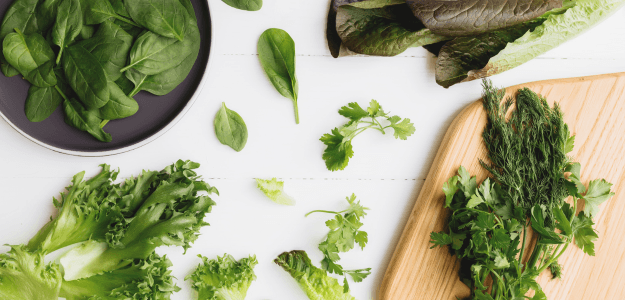
Vegetables are essential in any weight loss plan. Their high water and fiber content makes them extremely low in calories but highly filling.
Some of the best options include spinach, kale, broccoli, and cauliflower. These foods add volume to meals and help you feel satisfied without adding too many calories.
For example, 1 cup of the following vegetables will provide you:
- Spinach: 7 kcal
- Lettuce: 5 kcal
- Kale: 9 kcal
- Broccoli: 31 kcal
- Cauliflower: 28 kcal
4. Tuna
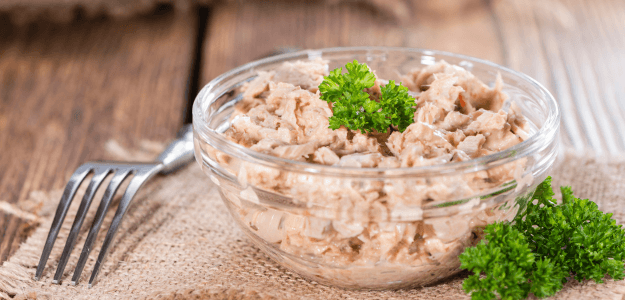
Canned tuna is a high-protein, low-fat option, perfect for weight loss. However, you may have heard that tuna contains mercury, a heavy metal that can be toxic in large quantities. It’s true that marine species carry mercury, but larger fish accumulate more of it due to contamination in the ocean.
Is it safe to eat tuna? According to research, consuming tuna in a weekly portion of 160 g is not harmful to health. Since one can of tuna contains 120 g, we recommend eating it once a week. For additional seafood options, try smaller fish like mackerel, sardines, or anchovies, which are also available canned and ready to eat (7).
Canned tuna is a practical, protein-rich food that fits well into any weight loss diet. Opt for tuna packed in water to reduce fat intake.
1 can or 4.2 oz (120 g) of tuna in water will provide you:
- Calories: 154 kcal
- Proteins: 28 g
- Carbohydrates: 0 g
- Fats: 4 g
Enjoy tuna once a week and complement it with smaller fish like sardines or mackerel, which are also rich in protein but lower in mercury.
5. Chia and Flax Seeds
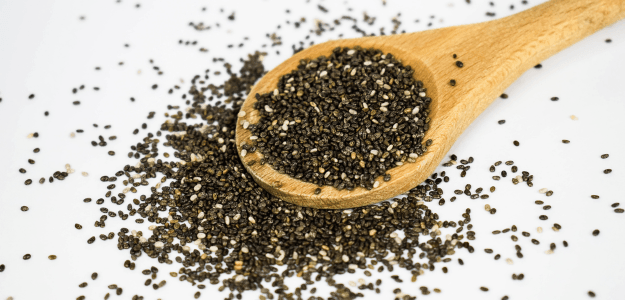
Chia and flax seeds are among the richest sources of omega-3 fatty acids, known for their anti-inflammatory properties. These seeds also contain soluble fiber that forms a gel-like substance when mixed with water, further promoting satiety.
Fiber slows down gastric emptying, meaning the food takes longer to pass from the stomach to the intestines. The slower the gastric emptying, the longer you stay full, keeping hunger at bay for longer (8).
Soak these seeds overnight to improve fat absorption and enjoy their health benefits (9).
6. Potatoes and Other Fiber-Rich Tubers
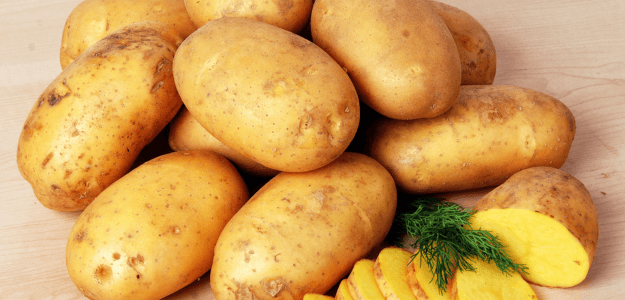
Potatoes often get a bad reputation, but they can be highly beneficial for weight loss. They are rich in fiber and have been ranked as one of the most satiating foods,
A study from the University of Sydney found that potatoes rank highest on the satiety index—323% higher than white bread. This means potatoes keep you full for longer, reducing unnecessary snacking (10).
3.5 oz (100 g) of potato:
- Calories: 86 kcal
- Proteins: 1.9 g
- Carbohydrates: 20.0 g
- Fats: 0.1 g
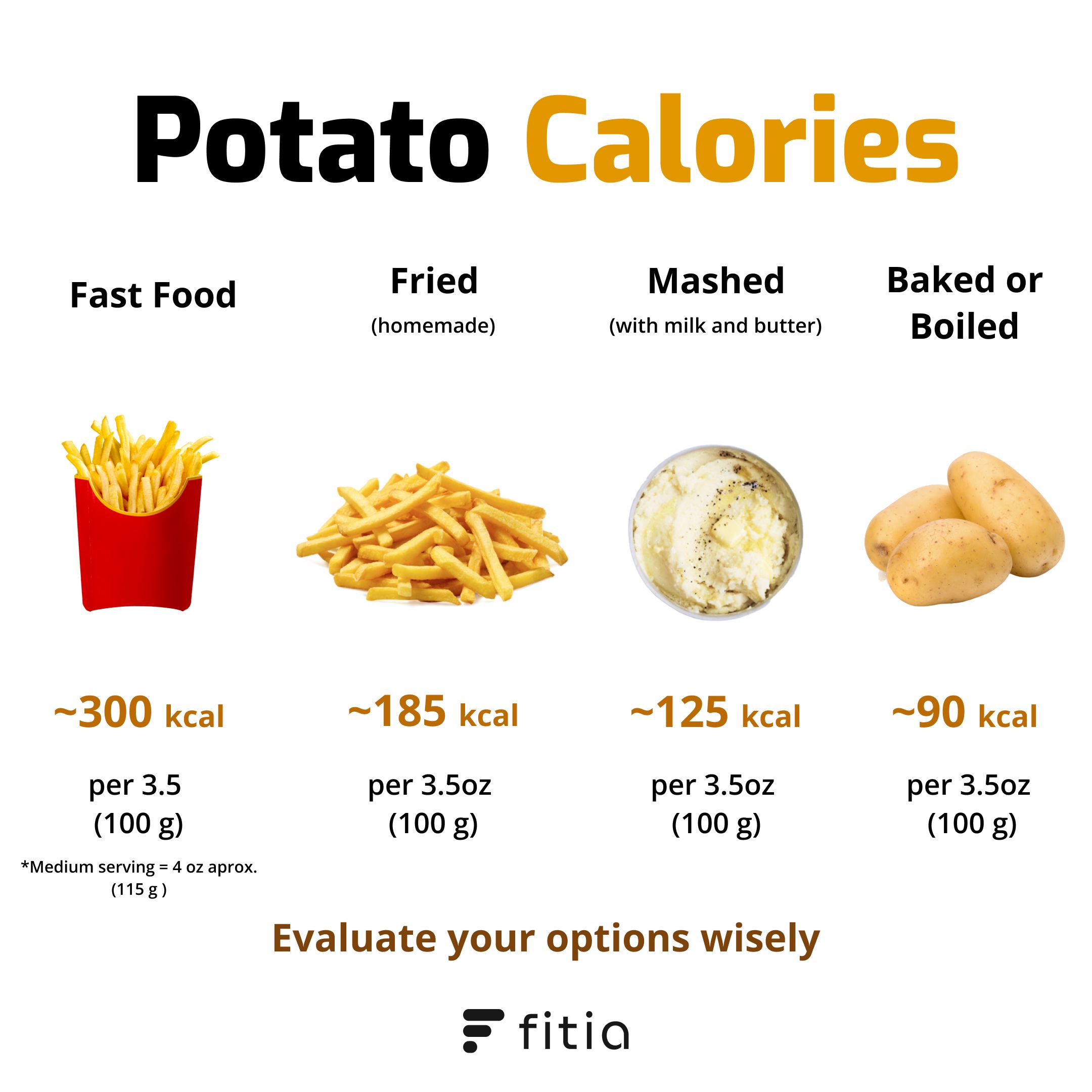
The way you prepare them matters. Boiled potatoes with the skin offer the most benefits by preserving fiber and nutrients.
7. Beans and Other Legumes
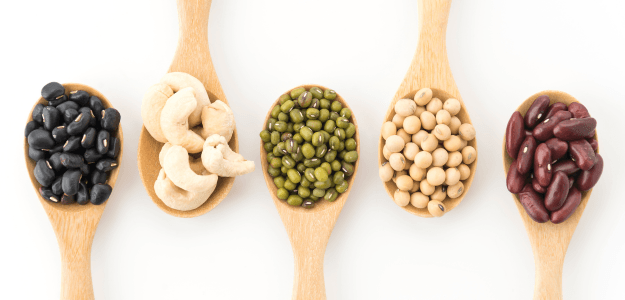
Legumes like chickpeas, lentils, and black beans are packed with both fiber and protein, making them perfect for promoting satiety.
They also help maintain muscle mass while in a caloric deficit.
8. Low-Fat, High-Protein Dairy
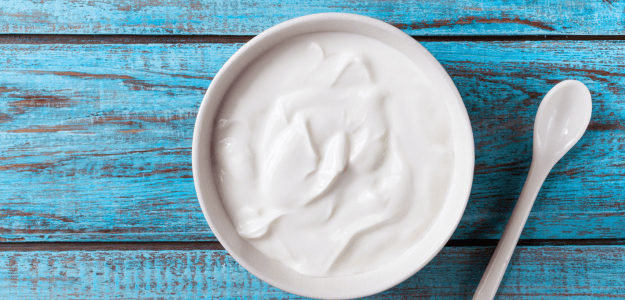
Choose dairy products that are low in fat but high in protein, like Greek yogurt, skyr, and cottage cheese. These options keep you full and are easy to incorporate into various meals—like smoothies or as toppings for toast.
With Fitia's database, you can find local brands of yogurt and check their nutritional value—calories, proteins, and more.
9. Oats and Whole Grains
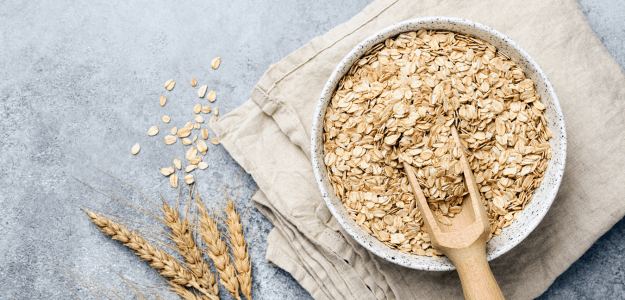
Oats and whole grains are not just convenient but also high in fiber and complex carbohydrates, helping you stay full for longer. They are ideal for breakfast, snacks, and meals when you want sustained energy without spikes in blood sugar.
0.4 oz (40 g) of oats (raw weight):
- Calories: 152 kcal
- Proteins: 5.3 g
- Carbohydrates: 27.1 g
- Fiber: 4 g
- Fats: 2.6 g
🤔 Worried that oats might affect your goals? Don't miss this article: Do Oats Make You Gain or Lose Weight? What Does the Science Say?
10. Vegetable Soups
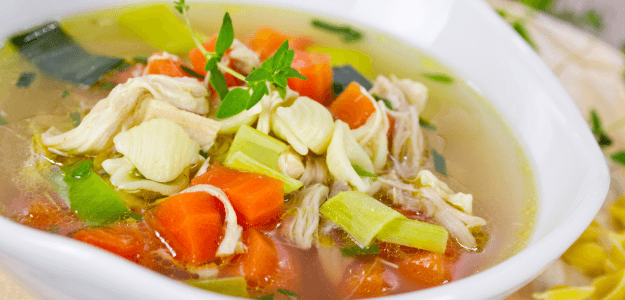
Soups are filling and hydrating while keeping calories low. Prepare your soups with vegetables and lean proteins to boost satiety without unnecessary calories from oils or creams.
Optimize Your Weight Loss Journey with Fitia
Fitia is more than just a calorie tracker—it’s an all-in-one app that offers personalized meal plans and helps you stay on top of your macros. With a country-specific food database, you can explore different local products, brands, and recipes with their complete nutritional information. Download the app today and start achieving your goals
References
References
- Hall KD, Heymsfield SB, Kemnitz JW, Klein S, Schoeller DA, Speakman JR. Energy balance and its components: implications for body weight regulation. Am J Clin Nutr. 2012 Apr;95(4):989-94. doi: 10.3945/ajcn.112.036350. Erratum in: Am J Clin Nutr. 2012 Aug;96(2):448. PMID: 22434603; PMCID: PMC3302369.
- Howell S, Kones R. "Calories in, calories out" and macronutrient intake: the hope, hype, and science of calories. Am J Physiol Endocrinol Metab. 2017 Nov 1;313(5):E608-E612. doi: 10.1152/ajpendo.00156.2017. Epub 2017 Aug 1. PMID: 28765272.
- Helms, Eric, Andrea Valdez, and Andy Morgan. "The Muscle and Strength Pyramid." Nutrition (2018).
- Morell, Pere, and Susana Fiszman. Revisiting the role of protein-induced satiation and satiety. Food Hydrocolloids 68 (2017): 199-210.
- Halton TL, Hu FB. The effects of high protein diets on thermogenesis, satiety and weight loss: a critical review. J Am Coll Nutr. 2004 Oct;23(5):373-85. doi: 10.1080/07315724.2004.10719381. PMID: 15466943.
- Matu J, Gonzalez JT, Ispoglou T, Duckworth L, Deighton K. The effects of hypoxia on hunger perceptions, appetite-related hormone concentrations and energy intake: A systematic review and meta-analysis. Appetite. 2018 Jun 1;125:98-108. doi: 10.1016/j.appet.2018.01.015. Epub 2018 Jan 31. PMID: 29374575.
- Afonso C, Costa S, Cardoso C, Oliveira R, Lourenço HM, Viula A, Batista I, Coelho I, Nunes ML. Benefits and risks associated with consumption of raw, cooked, and canned tuna (Thunnus spp.) based on the bioaccessibility of selenium and methylmercury. Environ Res. 2015 Nov;143(Pt B):130-7. doi: 10.1016/j.envres.2015.04.019. Epub 2015 May 8. PMID: 25962922.
- Gill SK, Rossi M, Bajka B, Whelan K. Dietary fibre in gastrointestinal health and disease. Nat Rev Gastroenterol Hepatol. 2021 Feb;18(2):101-116. doi: 10.1038/s41575-020-00375-4. Epub 2020 Nov 18. PMID: 33208922.
- Zare T, Rupasinghe TWT, Boughton BA, Roessner U. The changes in the release level of polyunsaturated fatty acids (ω-3 and ω-6) and lipids in the untreated and water-soaked chia seed. Food Res Int. 2019 Dec;126:108665. doi: 10.1016/j.foodres.2019.108665. Epub 2019 Sep 10. PMID: 31732052.
- Holt SH, Miller JC, Petocz P, Farmakalidis E. A satiety index of common foods. Eur J Clin Nutr. 1995 Sep;49(9):675-90. PMID: 7498104.
Fitia: Meal Plans & Calorie Counter
We use cookies to enhance your browsing experience, analyze site traffic, and personalize content. By clicking 'Accept', you consent to the use of these technologies in accordance with our Privacy Policy.