6 Foods to Reduce Muscle Pain
Sore after a workout? These foods will help you reduce soreness and speed up recovery
- Published
- Updated
- 6 min read
- 6 min read
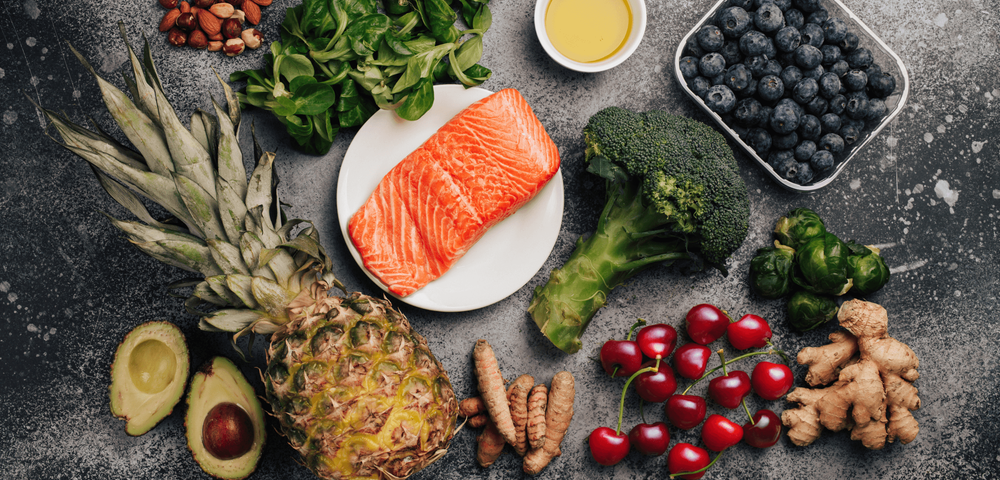
If you're experiencing muscle soreness after working out, also known as "DOMS" (Delayed Onset Muscle Soreness), these foods might help you out.
In fact, it's been proven that many components in foods are effective in reducing inflammation and speeding up muscle recovery.
Here are 6 foods backed by scientific evidence for their effectiveness.
Remember, meeting your nutritional needs is essential for ensuring good muscle recovery.
With the Fitia app, you can get a personalized meal plan that meets your requirements, whether you're aiming to lose fat or gain muscle. Download it for free here.
👉 You might be interested in: How to Gain Muscle?
Here are 10 ideal foods to help relieve muscle pain:
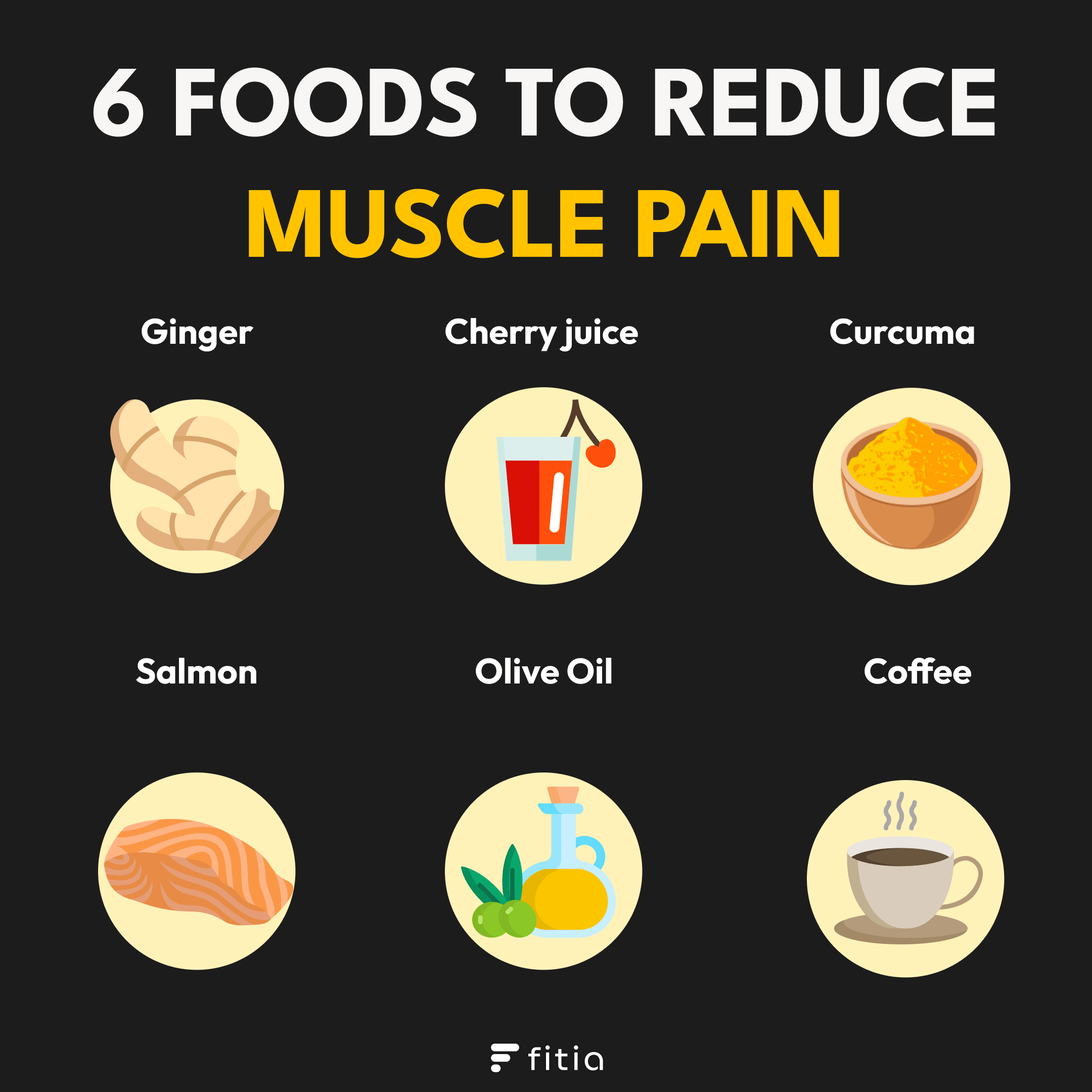
1. Ginger
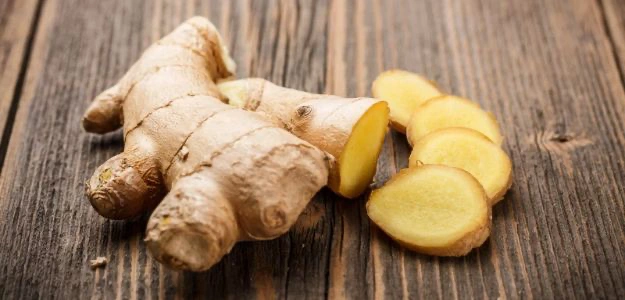
Ginger is an incredible food with numerous health benefits, including being a powerful natural anti-inflammatory and pain reliever.
The main component responsible for ginger's effects is gingerol, which also gives it its distinctive spicy flavor.
In addition, over 40 other antioxidants like shogaols and diarylheptanoids contribute to its anti-inflammatory function.
Various studies have confirmed its effectiveness in relieving muscle pain after exercise (1,2).
For instance, a review compiled results from 4 clinical trials involving a total of 194 subjects (1).
These studies suggest that consuming 2g of raw or cooked ginger daily is effective in reducing inflammation caused by muscle damage after exercise (1).
2. Salmon
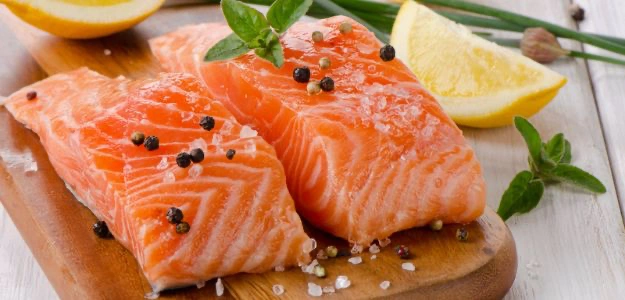
Salmon is one of the foods richest in omega-3s, especially EPA and DHA fatty acids .
How do omega-3s relate to muscle soreness? Various studies have highlighted the properties of omega-3 in reducing muscle pain due to their anti-inflammatory effects (3,4).
Additionally, omega-3 supplementation has been shown to have a beneficial effect on maintaining muscle mass.
Studies in animals and adults indicate that omega-3 supplementation of 200 to 400 mg can increase muscle protein synthesis when administered under anabolic conditions, such as high concentrations of amino acids in the blood (which also stimulate muscle protein synthesis) (5,6,7).
In 100 grams of salmon (in raw weight) you can find (8):
- ALA: between 50 - 150 mg
- EPA + DHA: between 500 - 2,000 mg (combined)
This totals between 550 - 2,150 mg of omega-3. This variation is largely due to the species of salmon.
The varieties with the highest fat content, and therefore the most omega-3, are Chinook and Atlantic salmon (8).
3. Olive oil
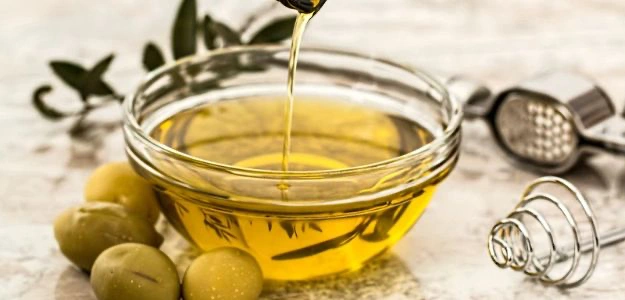
Olive oil contains a type of antioxidant called oleocanthal.
A study concluded that this component can help fight inflammation. The review even mentioned that its pain-reducing capacity can be comparable to ibuprofen (9).
To get the benefits of olive oil, it is important to:
- Consume the extra virgin version
- Keep and consume it cold (its antioxidants are very sensitive to heat)
- Store it in dark bottles to avoid exposure to light
- Keep it well-sealed to prevent oxidation from oxygen
👉 You might be interested in: 7 Foods Rich in Healthy Fats You Should Include in Your Diet
4. Cherry juice
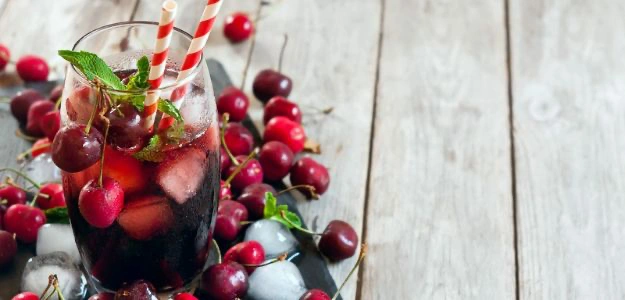
Cherries are rich in antioxidant and anti-inflammatory compounds like flavonoids and phenolic acids, which is why drinking concentrated cherry juice has been shown to be effective in reducing post-exercise muscle soreness.
For example, in a study of marathon runners, participants consumed either tart cherry juice or a placebo in the days leading up to and following a 42 km marathon. Additionally, they performed a quadriceps strength test before the event. (10).
The results showed that those who did consume the cherry juice experienced a greater reduction in post-exercise inflammation and recovered strength more quickly: 24 hours after the event, the group that consumed cherry juice had already recovered strength in the quadriceps by 90.9%, while the group that had not consumed cherry juice had only recovered it by 84.9% (10).
This is consistent with the results of other studies, which show that tart cherry juice reduces muscle pain and promotes faster muscle recovery (11,12).
The effective dose of cherry juice varies by study, but in general, effective doses have been shown to be between 240-480 ml of tart cherry juice before and after exercise.
5. Coffee
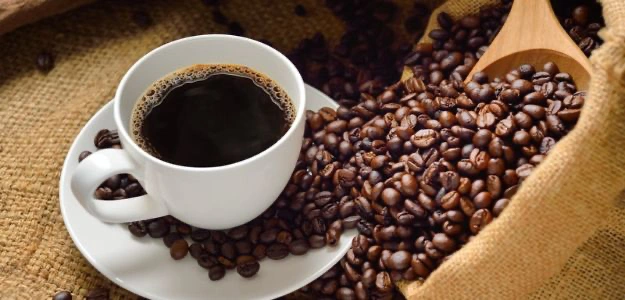
Coffee is a popular beverage worldwide, and to make you like it even more, it can be effective in reducing muscle soreness after exercise.
Like many of its effects, this is mainly due to caffeine and its antioxidants.
The synergy of these components gives coffee its analgesic and anti-inflammatory properties, which can help alleviate muscle pain (13).
As evidence of this, a recent systematic review of 14 human studies revealed that repeated administration of caffeine between 24 and 72 hours after muscle damage can attenuate pain perception by magnitudes ranging from 3.9% to 26% (13).
In fact, some studies have reported even stronger effects. For example, a study published in the Journal of Pain found that caffeine can reduce muscle soreness by 48% after intense physical exercise (14).
The effective dose of caffeine for reducing muscle pain is approximately 5 mg per kilogram of body weight.
For a person weighing 154 pounds, this would be around 398 mg of caffeine, which is equivalent to about 3 cups of coffee.
However, it's important to note that excessive caffeine intake can have negative consequences, such as anxiety, insomnia, and increased heart palpitations.
Therefore, it's important not to exceed the recommended dose and to consult with a healthcare professional if you have any concerns about your caffeine consumption.
👉 You might be interested in: 5 Benefits of Coffee Backed by Science
6. Turmeric
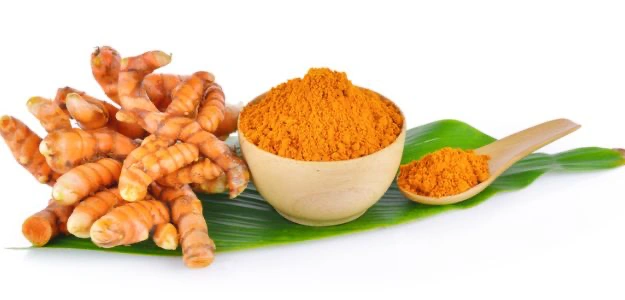
Turmeric is a spice that has been used for centuries in traditional Ayurvedic medicine. Nowadays, it is becoming increasingly known and consumed around the world for its significant health benefits.
Its main bioactive compound is curcumin, which has been shown to have a potent anti-inflammatory and antioxidant effect (15,16).
For this reason, turmeric can reduce muscle soreness, improve injury recovery, and promote better muscle performance (17,18,19,20).
For example, in one study 19 participants were randomly assigned to two groups: curcumin group (supplementation with 3 capsules per day for 28 days) or placebo group (17).
In addition, the participants were subjected to an exercise protocol that would generate muscle damage before starting supplementation and at day 25 (to see if differences were found).
The results showed that those who supplemented with curcumin showed significantly lower levels of creatine kinase (an enzyme that serves as an indicator of muscle damage) and less perceived muscle soreness compared to those who only consumed the placebo (17).
These results are consistent with those of other studies (18,19,20). In fact, a systematic review and meta-analysis of 9 studies involving 220 participants in total found that curcumin is effective in reducing markers of muscle damage and muscle soreness (18).
The effective dose of curcumin for reducing muscle soreness varies by study, but it is generally recommended to take between 400 and 1000 mg per day.
In addition, one way you can enhance the action of turmeric is by consuming it in conjunction with black pepper.
References
- Rondanelli M, Fossari F, Vecchio V, Gasparri C, Peroni G, Spadaccini D, Riva A, Petrangolini G, Iannello G, Nichetti M, Infantino V, Perna S. Clinical trials on pain lowering effect of ginger: A narrative review. Phytother Res. 2020 Nov;34(11):2843-2856. doi: 10.1002/ptr.6730. Epub 2020 May 20. PMID: 32436242; PMCID: PMC7754412.
- Wilson PB. A Randomized Double-Blind Trial of Ginger Root for Reducing Muscle Soreness and Improving Physical Performance Recovery Among Experienced Recreational Distance Runners. J Diet Suppl. 2020;17(2):121-132. doi: 10.1080/19390211.2018.1492484. Epub 2018 Oct 9. PMID: 30299178.
- Shahidi F, Ambigaipalan P. Omega-3 Polyunsaturated Fatty Acids and Their Health Benefits. Annu Rev Food Sci Technol. 2018 Mar 25;9:345-381. doi: 10.1146/annurev-food-111317-095850. PMID: 29350557.
- Kyriakidou Y, Wood C, Ferrier C, Dolci A, Elliott B. The effect of Omega-3 polyunsaturated fatty acid supplementation on exercise-induced muscle damage. J Int Soc Sports Nutr. 2021 Jan 13;18(1):9. doi: 10.1186/s12970-020-00405-1. PMID: 33441158; PMCID: PMC78075
- Smith GI, Atherton P, Reeds DN, Mohammed BS, Rankin D, Rennie MJ, Mittendorfer B. Omega-3 polyunsaturated fatty acids augment the muscle protein anabolic response to hyperinsulinaemia-hyperaminoacidaemia in healthy young and middle-aged men and women. Clin Sci (Lond). 2011 Sep;121(6):267-78. doi: 10.1042/CS20100597. PMID: 21501117; PMCID: PMC3499967.
- Smith GI, Atherton P, Reeds DN, Mohammed BS, Rankin D, Rennie MJ, Mittendorfer B. Dietary omega-3 fatty acid supplementation increases the rate of muscle protein synthesis in older adults: a randomized controlled trial. Am J Clin Nutr. 2011 Feb;93(2):402-12. doi: 10.3945/ajcn.110.005611. Epub 2010 Dec 15. PMID: 21159787; PMCID: PMC3021432.
- You JS, Park MN, Song W, Lee YS. Dietary fish oil alleviates soleus atrophy during immobilization in association with Akt signaling to p70s6k and E3 ubiquitin ligases in rats. Appl Physiol Nutr Metab. 2010 Jun;35(3):310-8. doi: 10.1139/H10-022. PMID: 20555375.
- U.S. Department of Agriculture, Agricultural Research Service. FoodData Central, 2019.
- Parkinson L, Keast R. Oleocanthal, a phenolic derived from virgin olive oil: a review of the beneficial effects on inflammatory disease. Int J Mol Sci. 2014 Jul 11;15(7):12323-34. doi: 10.3390/ijms150712323. PMID: 25019344; PMCID: PMC4139846.
- Bowtell JL, Sumners DP, Dyer A, Fox P, Mileva KN. Montmorency cherry juice reduces muscle damage caused by intensive strength exercise. Med Sci Sports Exerc. 2011 Aug;43(8):1544-51. doi: 10.1249/MSS.0b013e31820e5adc. PMID: 21233776.
- Levers K, Dalton R, Galvan E, O'Connor A, Goodenough C, Simbo S, Mertens-Talcott SU, Rasmussen C, Greenwood M, Riechman S, Crouse S, Kreider RB. Effects of powdered Montmorency tart cherry supplementation on acute endurance exercise performance in aerobically trained individuals. J Int Soc Sports Nutr. 2016 May 26;13:22. doi: 10.1186/s12970-016-0133-z. PMID: 27231439; PMCID: PMC4880859.
- Tanabe Y, Fujii N, Suzuki K. Dietary Supplementation for Attenuating Exercise-Induced Muscle Damage and Delayed-Onset Muscle Soreness in Humans. Nutrients. 2021 Dec 24;14(1):70. doi: 10.3390/nu14010070. PMID: 35010943; PMCID: PMC8746365.
- Caldas LC, Salgueiro RB, Clarke ND, Tallis J, Barauna VG, Guimaraes-Ferreira L. Effect of Caffeine Ingestion on Indirect Markers of Exercise-Induced Muscle Damage: A Systematic Review of Human Trials. Nutrients. 2022 Apr 23;14(9):1769. doi: 10.3390/nu14091769. PMID: 35565741; PMCID: PMC9099525.
- Maridakis V, O'Connor PJ, Dudley GA, McCully KK. Caffeine attenuates delayed-onset muscle pain and force loss following eccentric exercise. J Pain. 2007 Mar;8(3):237-43. doi: 10.1016/j.jpain.2006.08.006. Epub 2006 Dec 11. PMID: 17161977.
- Menon VP, Sudheer AR. Antioxidant and anti-inflammatory properties of curcumin. Adv Exp Med Biol. 2007;595:105-25. doi: 10.1007/978-0-387-46401-5_3. PMID: 17569207.
- He Y, Yue Y, Zheng X, Zhang K, Chen S, Du Z. Curcumin, inflammation, and chronic diseases: how are they linked? Molecules. 2015 May 20;20(5):9183-213. doi: 10.3390/molecules20059183. PMID: 26007179; PMCID: PMC6272784.
- Ms SAB, Waldman PhD HS, Krings PhD BM, Lamberth PhD J, Smith PhD JW, McAllister PhD MJ. Effect of Curcumin Supplementation on Exercise-Induced Oxidative Stress, Inflammation, Muscle Damage, and Muscle Soreness. J Diet Suppl. 2020;17(4):401-414. doi: 10.1080/19390211.2019.1604604. Epub 2019 Apr 26. PMID: 31025894.
- Fang W, Nasir Y. The effect of curcumin supplementation on recovery following exercise-induced muscle damage and delayed-onset muscle soreness: A systematic review and meta-analysis of randomized controlled trials. Phytother Res. 2021 Apr;35(4):1768-1781. doi: 10.1002/ptr.6912. Epub 2020 Nov 10. PMID: 33174301.
- Tanabe Y, Fujii N, Suzuki K. Dietary Supplementation for Attenuating Exercise-Induced Muscle Damage and Delayed-Onset Muscle Soreness in Humans. Nutrients. 2021 Dec 24;14(1):70. doi: 10.3390/nu14010070. PMID: 35010943; PMCID: PMC8746365.
- Campbell MS, Carlini NA, Fleenor BS. Influence of curcumin on performance and post-exercise recovery. Crit Rev Food Sci Nutr. 2021;61(7):1152-1162. doi: 10.1080/10408398.2020.1754754. Epub 2020 Apr 22. PMID: 32319320.
Related articles
 Muscle Gain
Best Nutrition App for Weight Gain in the US (2026): A Practical Comparison of Calorie Surplus & Macro Tracking Tools
Compare the best weight gain apps in the US for 2026. See which calorie surplus and macro tracking features actually help you bulk lean and stay consistent.
Read article Muscle Gain
The Best Calorie Counter Apps for Muscle Gain: What the Evidence Says You Actually Need
We compared the top calorie counter apps for muscle gain in 2026, with what the research says about protein, surplus, and tracking that actually works.
Read article Muscle Gain
Why Most Calorie Counter Apps Make Muscle Gain Harder Than It Needs To Be
Most calorie apps are built for fat loss. Learn why they fail for muscle gain and what to look for to actually build lean mass.
Read article