
Dec 19, 2024
6 Tips for Breaking Your Fast in a Healthy Way
What you choose to eat when breaking your fast can significantly impact your energy levels, digestion, and overall well-being.
To begin, let's clarify what we mean by "breakfast." The word originates from "break-fast," which literally means breaking the fast. It doesn’t necessarily have to be the meal you eat immediately upon waking up; rather, it refers to your first meal of the day—a chance to fuel your body with nutrients and energy.
The nutritional composition and quality of the foods you consume when breaking your fast can influence appetite control and enhance feelings of fullness, helping you make better food choices throughout the day (1).
Practicing Intermittent Fasting?
With Fitia, you can not only track your calories and macros with precision but also monitor your fasting hours easily and effectively with our new feature. Download it for free here!
Is Breakfast Really the Most Important Meal of the Day?
Traditionally, breakfast has been considered the most important meal of the day, but this claim can vary depending on individual needs and lifestyle.
Some people prefer to start their day with a nutritious breakfast, while others might not feel hungry upon waking and choose to eat later. The key is to listen to your body and ensure that your first meal is of high nutritional quality.
Breaking your fast in a healthy way is crucial to maximize the benefits of this habit. Starting your day with just a cup of coffee with sugar and a cookie isn’t the same as doing so with a balanced, nutrient-rich meal.
However, it’s essential to remember that the overall quality of your diet is what truly matters, not just one meal. Evaluating your breakfast in isolation doesn’t necessarily reflect the quality of your diet as a whole.
What Should I Avoid Eating to Break My Fast?
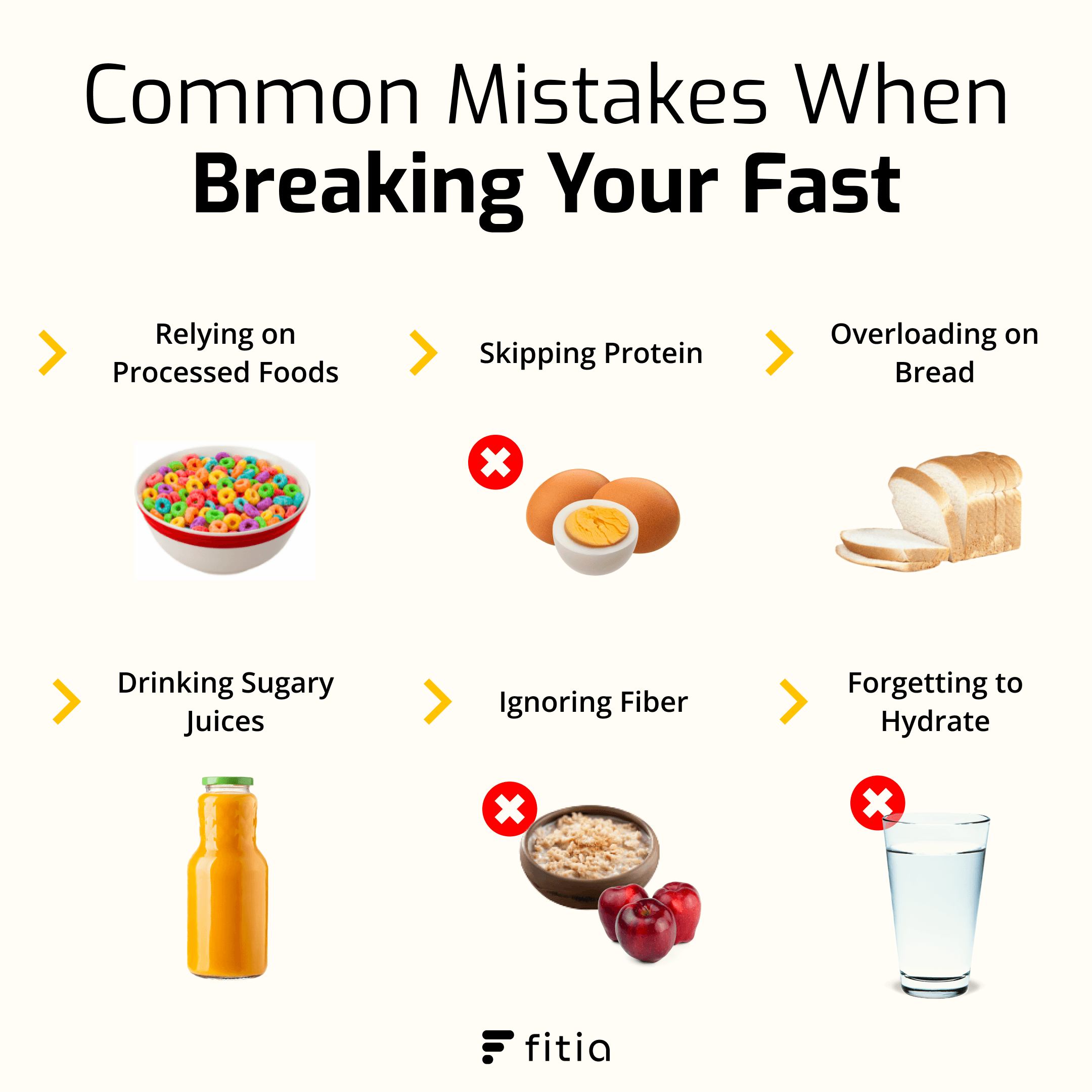
In this article, we’ll outline 6 key tips to help you break your fast and start your day the healthiest way possible.
1. Start Your Day by Drinking Water
Water makes up about 60% of an adult’s body weight. After hours of sleep, your body needs hydration.
Drinking water upon waking not only activates your internal organs but also rehydrates your body after losing fluids during the night through metabolism, breathing, and sweating. It also supports more efficient digestion as your day begins (2). As a zero-calorie drink, it’s the perfect way to quench your thirst and kickstart hydration.
How Much Water Should I Drink?
There’s no single recommendation for water intake since factors like sex, climate, physical activity, and individual needs can vary. However:
- Women: 2.7 liters per day
- Men: 3.5 liters per day
Alternatively, calculate your needs using 35 ml per kilogram of body weight. This includes all fluids, including water from foods, which accounts for about 20% of total hydration.
Avoid Waiting Until You’re Thirsty
We tend to drink water only when we feel thirsty, but this is a sign of dehydration. It’s better to avoid reaching that point, as dehydration can cause: Fatigue, dizziness, headaches, confusion, poor concentration, constipation, slower muscle recovery (3).
To stay hydrated throughout the day:
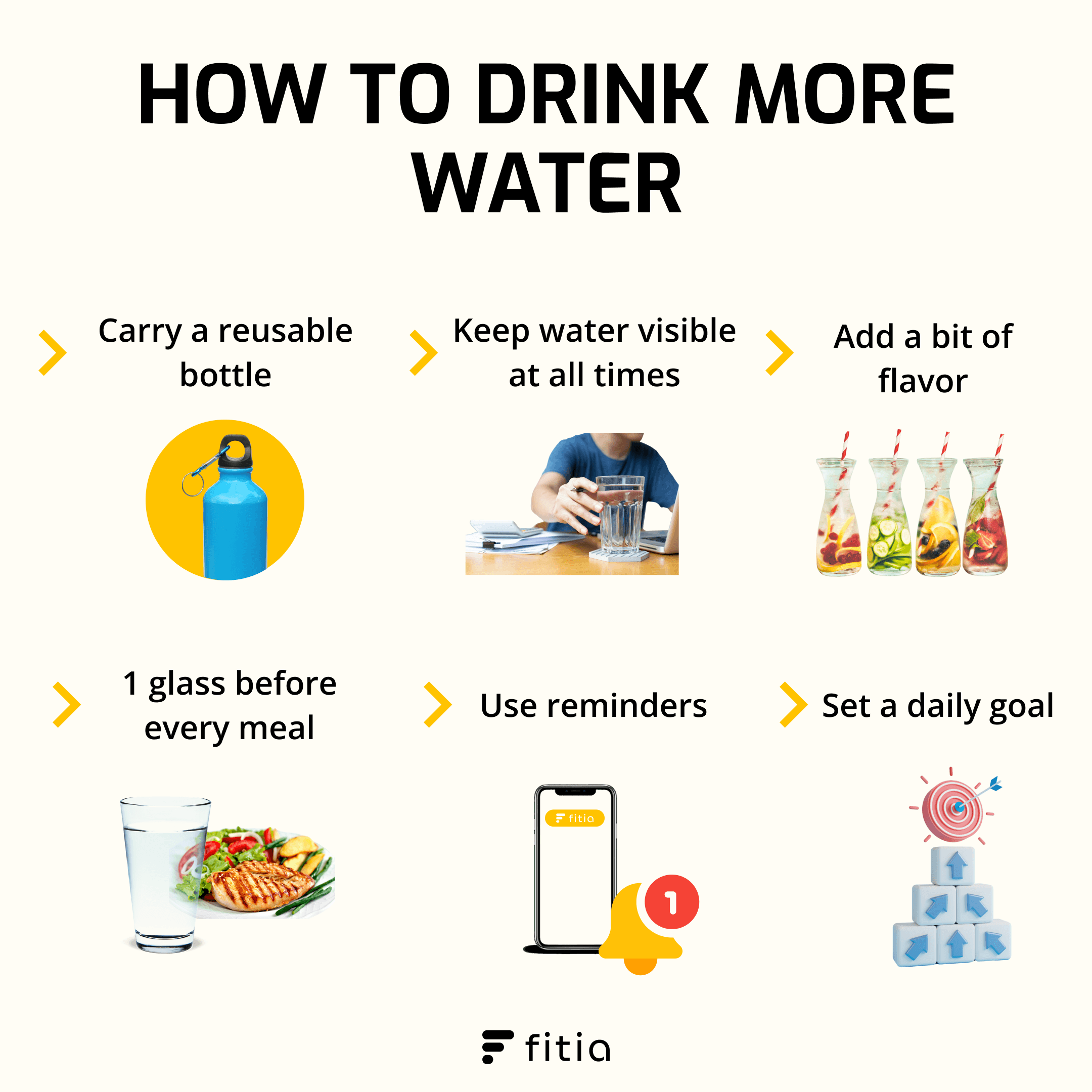
- Always carry a water bottle with you.
- Check your urine color: the darker it is, the more dehydrated you are.
💧 6 Strategies to Drink More Water
2. Add Protein to Your First Meal
Proteins are the most satiating macronutrient, helping to control appetite and reduce overall calorie intake. Increasing protein consumption can significantly curb cravings, especially in the evening. This happens due to two key factors:
What Are the Benefits of a Protein-Rich Meal?
- Hormonal Regulation:
A protein-rich meal promotes fullness by increasing the production of satiety hormones like peptide YY (PYY) and glucagon-like peptide-1 (GLP-1) while lowering levels of ghrelin, the “hunger hormone” (4). - High Thermic Effect:
Protein requires more energy to digest compared to carbs and fats. This process, known as the thermic effect of food (TEF), boosts calorie expenditure and contributes to a prolonged feeling of fullness (5).
How Much Protein Should I Eat?
It’s recommended to include a high-quality protein source in your first meal, aiming for 20 to 40 grams. This not only maximizes muscle protein synthesis—helping with muscle growth and maintenance—but also keeps you fuller for longer.
- Research by Morton et al. (2018) suggests consuming 20-30 grams of protein per meal to optimize muscle protein synthesis throughout the day (9).
- Additionally, Paddon-Jones et al. (2009) recommend approximately 0.4 g of protein per kg of body weight per meal to achieve these benefits (10).
For example, if you weigh 154 pounds (70 kg), consuming around 28 grams of protein in your first meal, based on the 0.18 g/lb recommendation, is an excellent strategy to kickstart your day effectively.
Protein-Rich Foods to Include
Start your day with protein-packed options like eggs, Greek yogurt, or protein smoothies to help meet your daily needs.
👉 Discover how to get 20 Grams Of Protein
Stay on Track
Meeting your total protein needs throughout the day is essential, especially if you’re an active individual looking to improve body composition and performance.
With Fitia, you can easily calculate and track your daily protein requirements to stay on top of your goals.
3. Add Fiber to Your Breakfast
Fiber is not only essential for healthy digestion but also helps promote a lasting feeling of fullness. When breaking your fast, including fiber-rich foods like fruits, vegetables, or whole grains can improve digestive health and help maintain stable energy levels throughout the morning.
Appetite Control
Soluble fiber, found in foods like oats and fruits, forms a gel in the intestine that slows gastric emptying and prolongs nutrient absorption, helping to control appetite (6).
How Much Fiber Should I Consume?
Daily fiber recommendations vary by age and sex:
- Men: 30–38 g/day
- Women: 21–25 g/day
- Pregnant & Breastfeeding Women: 28–29 g/day
Fiber-Rich Foods to Choose
Incorporate foods like: Oats, fresh fruits (e.g., apples, pears), vegetables, chia or flaxseed.
These options not only provide fiber but also deliver essential vitamins and minerals to support your overall well-being. Use this list of fiber-rich foods to easily boost your daily intake!
4. Avoid Refined Sugars
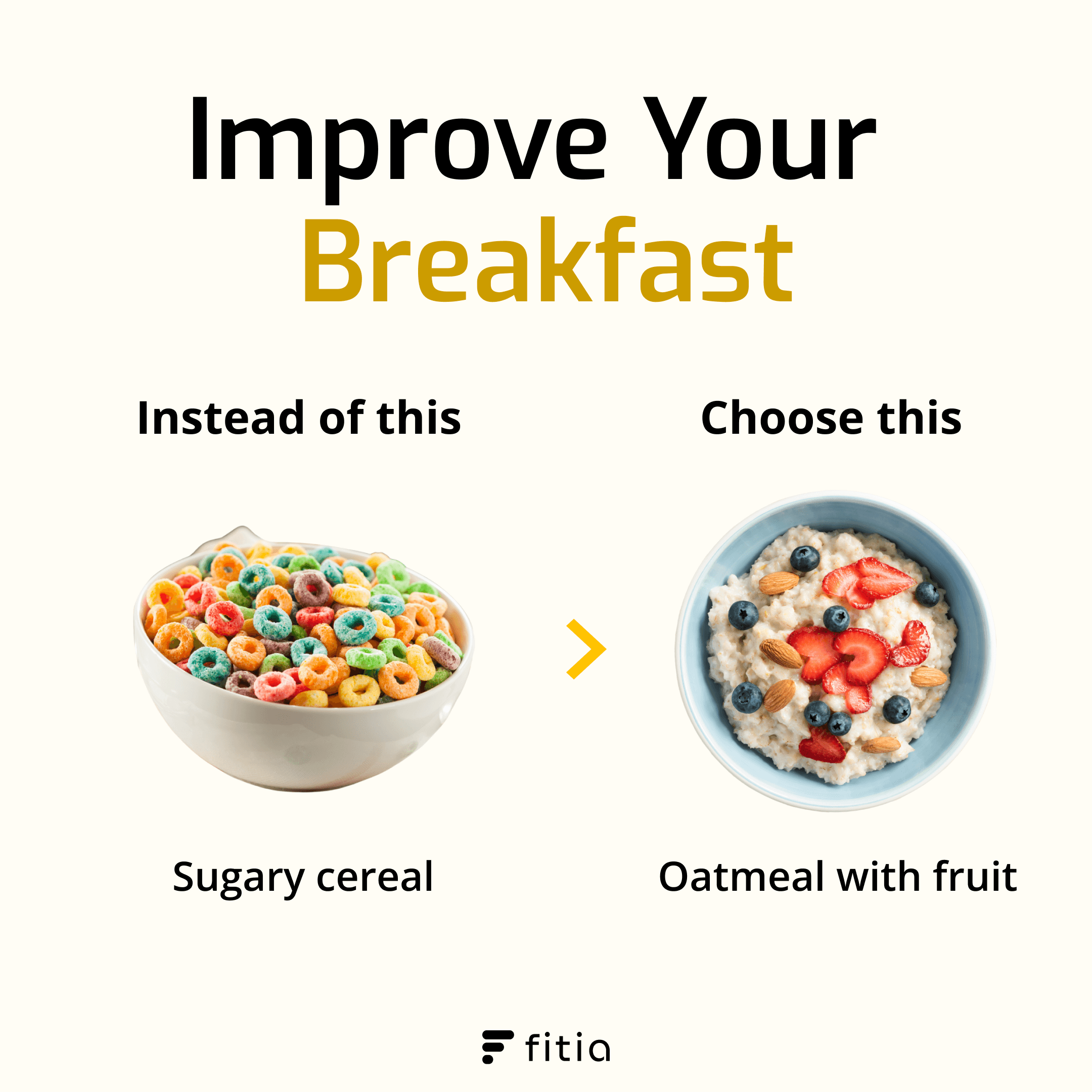
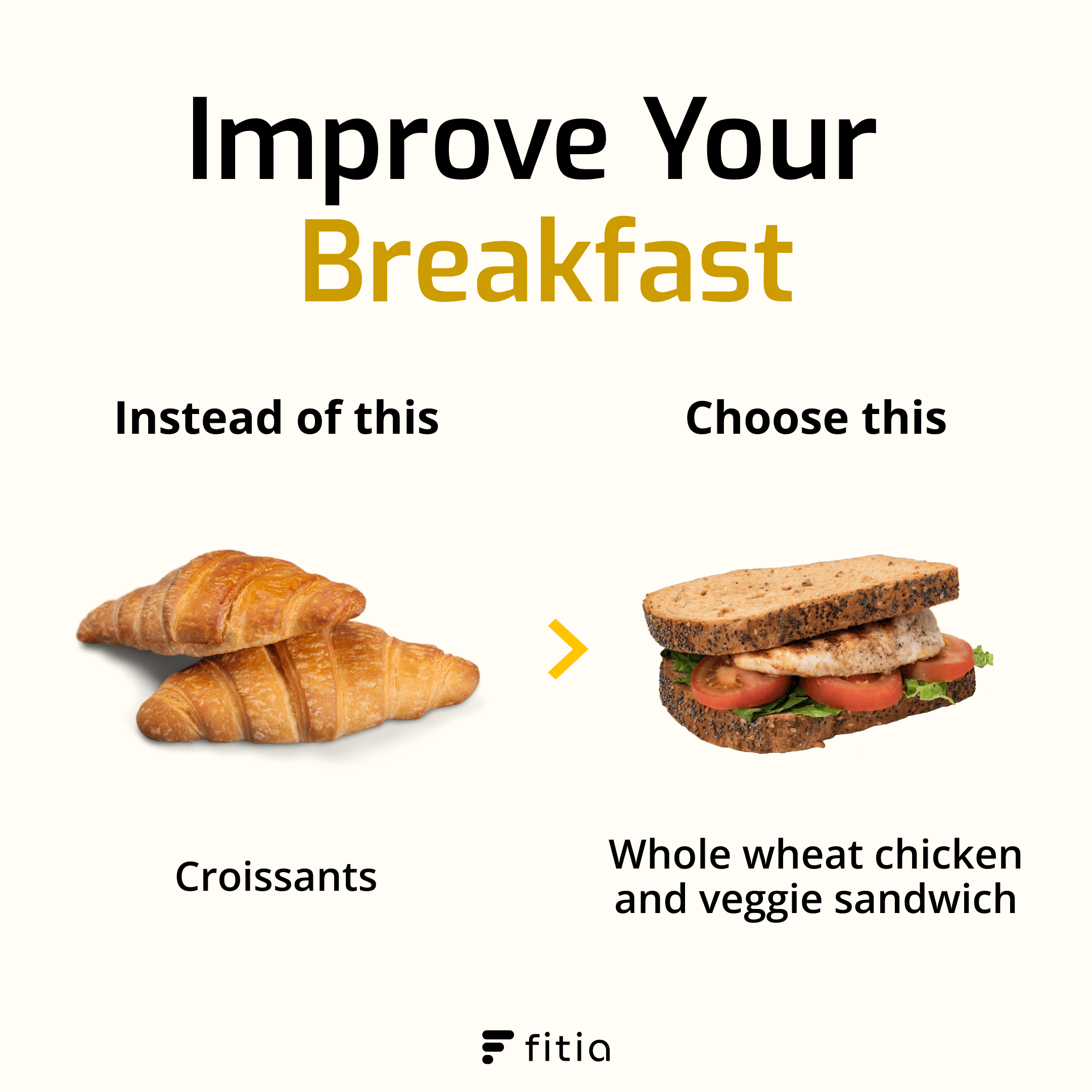
When breaking your fast, it’s important to steer clear of foods high in refined sugars, such as pastries, cookies, and sugary cereals. These can cause a rapid spike in blood sugar levels followed by a crash, leaving you feeling fatigued and hungry shortly after eating (7).
Healthy Alternatives to Sugar
Instead of refined sugars, choose natural options like whole fruits, which provide fiber and sustained energy. You can also try natural sweeteners like stevia if you’re looking for a sweet touch without the downsides of refined sugar.
Is Eating Fruit a Good Idea When Breaking Your Fast?
Unlike refined sugars, fruits contain natural sugars paired with fiber, water, vitamins, and minerals. The fiber in fruits slows down sugar absorption, helping to prevent blood sugar spikes and crashes.
Pairing fruits with other fiber-rich foods like yogurt or oats is a great way to ensure a balanced breakfast. This makes fruits an excellent choice for breaking your fast, offering sustained energy and essential nutrients without the negative effects of refined sugars.
👉 You Might Also Like: 8 Reasons Why Too Much Sugar Is Harmful – Learn why cutting back on sugar can make a big difference for your health!
5. Avoid Ultra-Processed Foods
When breaking your fast, it’s essential to choose fresh, natural foods over ultra-processed products. Foods like sugary cereals, commercial energy bars, and packaged snacks are often loaded with added sugars, trans fats, sodium, and additives, which can negatively impact your health. These options typically lack fiber and essential nutrients, contributing to weight gain and metabolic issues over time (8).
Healthy Alternatives to Ultra-Processed Foods
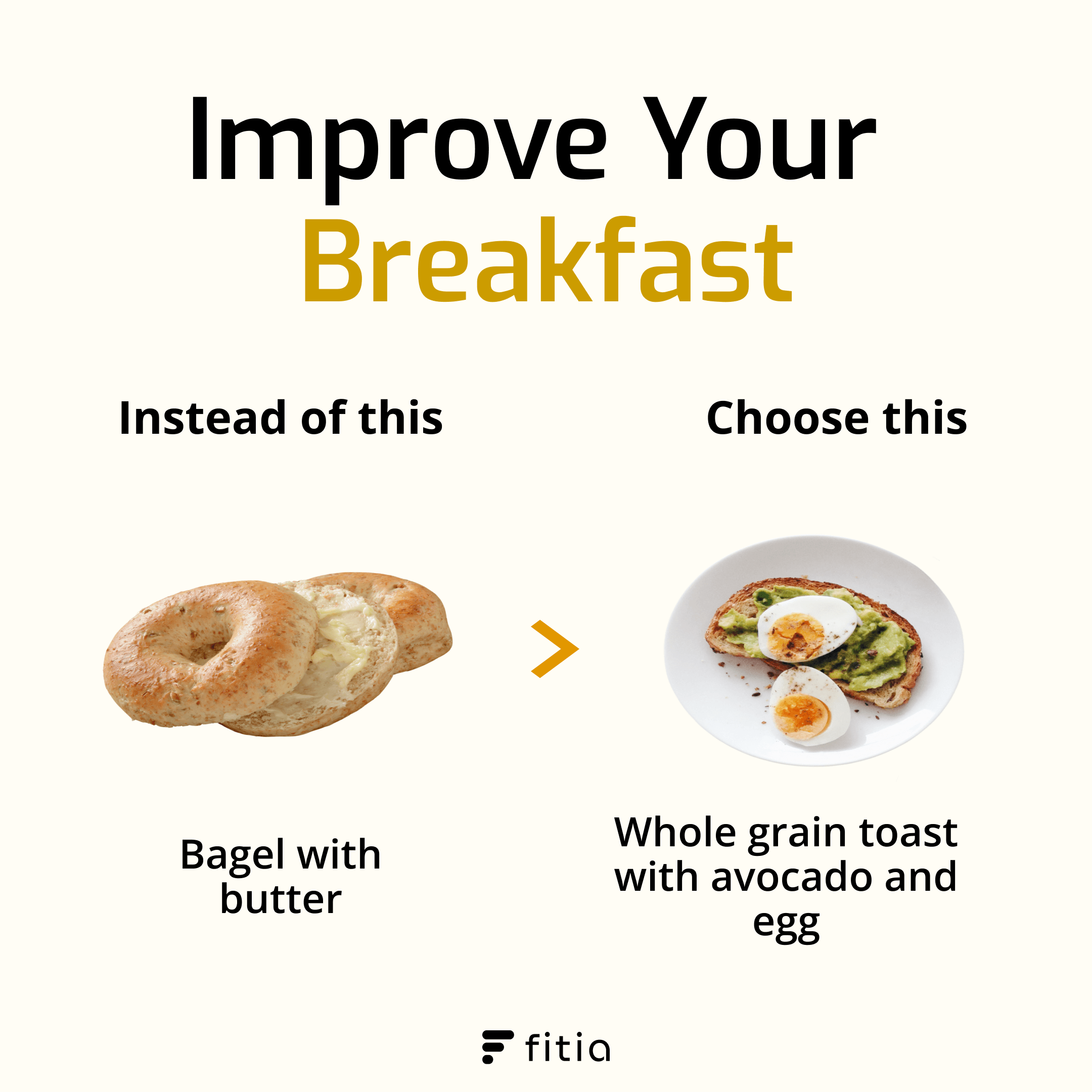
Instead of reaching for ultra-processed options, choose nutrient-dense foods such as: fresh fruits, nuts, eggs, natural yogurt, oats.
These choices provide essential nutrients, keep you energized, and promote longer-lasting satiety.
✨ Swap This for That
6. Include a Variety of Nutrients in Your First Meal
To maximize the benefits of breaking your fast, ensure your first meal includes a balanced mix of essential nutrients: proteins, quality carbohydrates, healthy fats, vitamins, minerals, and fiber. A well-rounded meal provides sustained energy, supports vital functions like digestion, immunity, and mental health, and helps you feel full for longer.
What Should Your Plate Include?
Build a balanced plate with:
- Proteins: Eggs, Greek yogurt, tofu, or legumes
- Complex Carbs: Oats, fresh fruits, whole-grain bread, or sweet potatoes
- Healthy Fats: Avocado, nuts, chia seeds, or extra virgin olive oil
- Fiber: Fruits, vegetables, or whole grains
- Vitamins and Minerals: A variety of colorful fruits and vegetables
👇Tap Here to Explore More Breakfast Ideas!
References
References
- Rakha A, Mehak F, Shabbir MA, Arslan M, Ranjha MMAN, Ahmed W, Socol CT, Rusu AV, Hassoun A, Aadil RM. Insights into the constellating drivers of satiety impacting dietary patterns and lifestyle. Front Nutr. 2022 Sep 20;9:1002619. doi: 10.3389/fnut.2022.1002619. PMID: 36225863; PMCID: PMC9549911.
- Armstrong LE, Johnson EC. Water Intake, Water Balance, and the Elusive Daily Water Requirement. Nutrients. 2018 Dec 5;10(12):1928. doi: 10.3390/nu10121928. PMID: 30563134; PMCID: PMC6315424.
- Carroll HA, James LJ. Hydration, Arginine Vasopressin, and Glucoregulatory Health in Humans: A Critical Perspective. Nutrients. 2019 May 28;11(6):1201. doi: 10.3390/nu11061201. PMID: 31141915; PMCID: PMC6627358.
- MORELL, Pere; FISZMAN, Susana. Revisiting the role of protein-induced satiation and satiety. Food Hydrocolloids, 2017, vol. 68, p. 199-210.
- Calcagno M, Kahleova H, Alwarith J, Burgess NN, Flores RA, Busta ML, Barnard ND. The Thermic Effect of Food: A Review. J Am Coll Nutr. 2019 Aug;38(6):547-551. doi: 10.1080/07315724.2018.1552544. Epub 2019 Apr 25. PMID: 31021710.
- Gill SK, Rossi M, Bajka B, Whelan K. Dietary fibre in gastrointestinal health and disease. Nat Rev Gastroenterol Hepatol. 2021 Feb;18(2):101-116. doi: 10.1038/s41575-020-00375-4. Epub 2020 Nov 18. PMID: 33208922.
- Benedict C, Hallschmid M, Schultes B, et al. Glycemic control and insulin action in healthy individuals: Effects of dietary glycemic load and sucrose intake. Am J Clin Nutr. 2012;95(4):819-826. doi:10.3945/ajcn.111.022848.
- Juul F, Martinez-Steele E, Parekh N, Monteiro CA, Chang VW. Ultra-processed food consumption and excess weight among US adults. Br J Nutr. 2018 Jul;120(1):90-100. doi: 10.1017/S0007114518001046. Epub 2018 May 6. PMID: 29729673.
- Morton RW, Murphy KT, McKellar SR, et al. A systematic review, meta-analysis and meta-regression of the effect of protein supplementation on resistance training-induced gains in muscle mass and strength in healthy adults. Br J Sports Med. 2018;52(6):376-384. doi:10.1136/bjsports-2017-097608.
- Paddon-Jones D, Rasmussen BB. Dietary protein recommendations and the prevention of sarcopenia: Protein, amino acid metabolism and therapy. Curr Opin Clin Nutr Metab Care. 2009;12(1):86-90. doi:10.1097/MCO.0b013e32831cef8b.
Fitia: Meal Plans & Calorie Counter
We use cookies to enhance your browsing experience, analyze site traffic, and personalize content. By clicking 'Accept', you consent to the use of these technologies in accordance with our Privacy Policy.