May 01, 2024
Can I Gain Muscle Mass and Lose Fat at the Same Time? How?
This is probably the most common question (and goal) when we want to start eating better or exercise. Until recently, it was thought that it simply wasn't possible and that to achieve it, we had to split it into two periods: one of muscle mass gain and another fof fat loss.
However, more and more evidence shows that achieving both goals at the same time is entirely feasible. That's when the term "body recomposition" or simply "recomp" starts to be used, which essentially means what we read in the title: gaining muscle mass and losing fat simultaneously.
Sounds great, right? However, there is a catch: not everyone can achieve it. That's why we're going to tell you who this goal is suitable for and how to apply it correctly.
Who Can Successfully Achieve Body Recomposition?
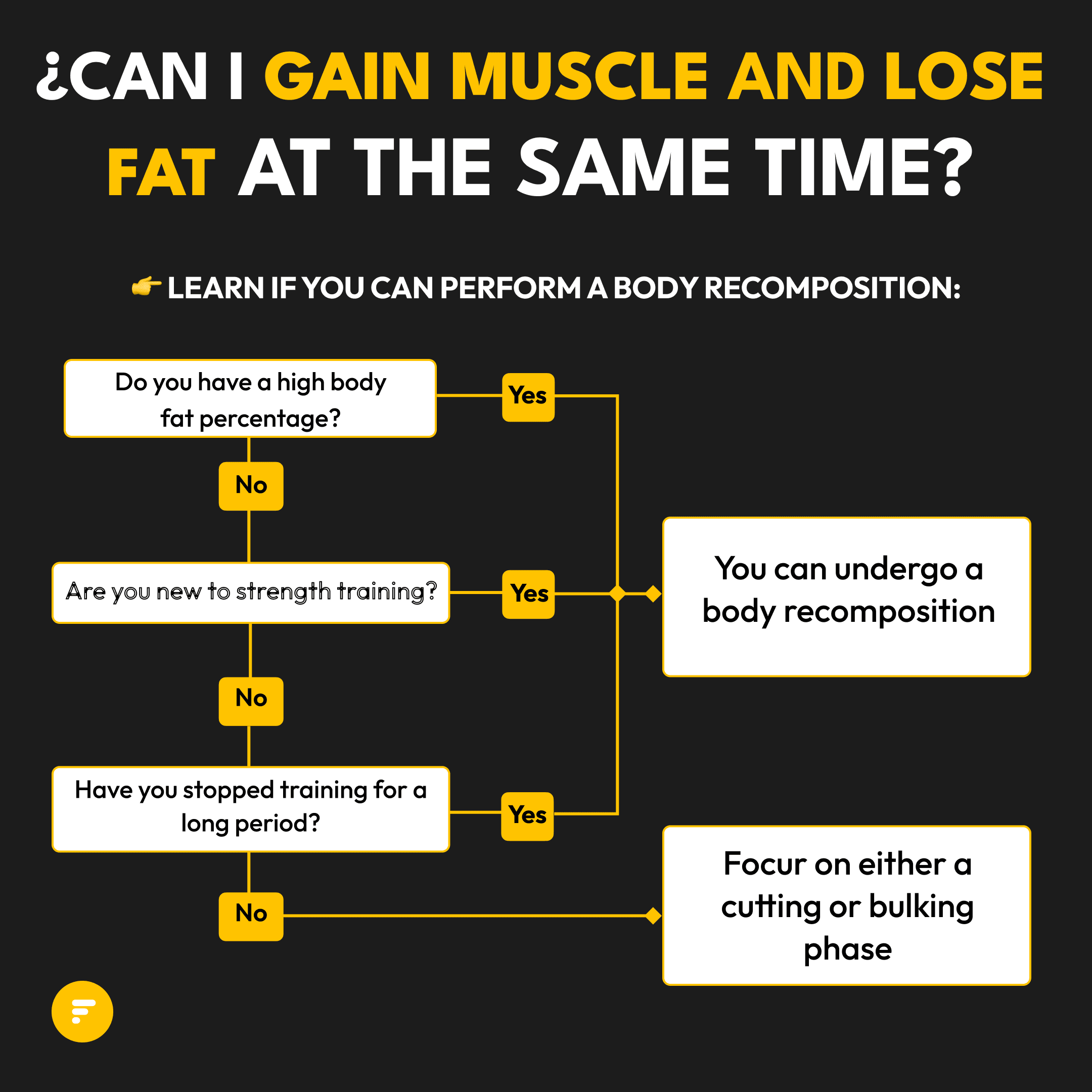
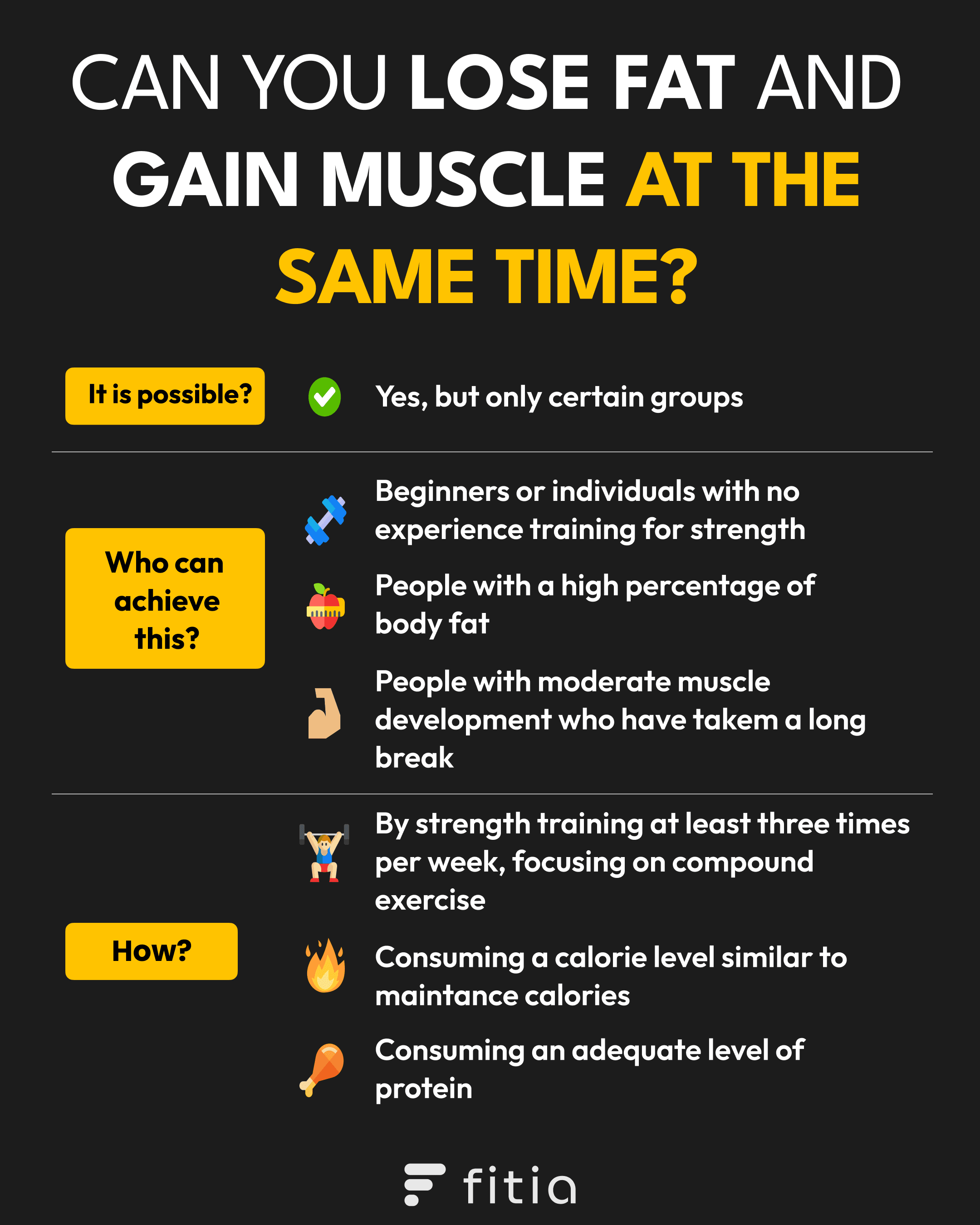
Below we will describe four categories. If you find yourself in one or more of them, then you can successfully undergo body recomposition.
Strength Training Beginners
This category includes individuals who have no experience in this type of training, even those who practice other sports like running, soccer, tennis, etc. Most of these activities do not provide sufficient stimulus to promote hypertrophy (growth) of muscles (1). For example, if this is your first time signing up for a gym or lifting weights, you would fall into this group.
Additionally, you also belong to this group if you have some experience with strength training, but have not pursued it seriously. For example, imagine you have been working out at a gym for a while, but have never followed a training program, never applied progressive overload, haven’t gained strength, or haven’t seen significant results.
People who are still new to this type of training have the highest potential for muscle gain. This is because the stimulus will be new, and therefore, the response will be greater and muscle gain easier. That is why beginners have a higher capacity to gain muscle mass compared to advanced athletes.
👉You might be interested in: How to Gain Muscle?
Individuals with High Body Fat Percentage
You can also achieve body recomposition if you are overweight, obese, or have a high body fat percentage. Around ~25% body fat in men and ~35% body fat in women are relatively high figures that can allow you to lose fat and gain muscle at the same time. This is possible because you will have sufficient energy reserves to support the muscle growth process, even when you are consuming less energy (to reduce body fat).
Individuals Who Previously Trained but Stopped for an Extended Period
If you previously gained considerable muscle mass and for some reason stopped training and lost it, you also fall into the group of people who can achieve body recomposition. This is because regaining lost muscle is much faster than starting from scratch. This phenomenon is referred to as "muscle memory."
When muscle is trained, there is an increase in the number of myonuclei. These are responsible for the production of proteins required for muscle growth and repair. According to existing evidence, these myonuclei are preserved even after muscle mass is lost. Their preservation helps us achieve faster growth when the muscles are retrained (2,3,4).
For example, in a study involving humans, a group of individuals underwent 7 weeks of training (which resulted in a 6.5% increase in lean mass), followed by 7 weeks of inactivity (with a 4.6% reduction in lean mass). When the subjects resumed training for another 7 weeks, the increase in lean mass was 12.4% (+5.9% above the initial stage) (4).
So, even though muscle atrophy can occur within a couple of weeks, someone who has previously worked on their muscles will likely find it easier to rebuild muscle compared to someone who has never trained them. Additionally, it will also be possible to lose fat if accompanied by proper nutrition (we will cover this in more detail later).
Individuals Using Anabolic Steroids
People who use anabolic steroids have a greater potential for muscle gain compared to those who do not use these substances. This potential for muscle gain even exists in scenarios of caloric deficit.
We strongly advise against the use of these substances, as the side effects they can cause are serious. These include an increased incidence of cardiovascular events and diseases (arrhythmias, anatomical changes in the heart, thrombosis, heart attacks, etc.), hormonal changes that can lead to infertility, liver damage, among others (5,6,7,8).
What If I Don't Fit Into Any of Those Groups?
If you don't fall into any of the categories mentioned, it's likely because you are an intermediate/advanced athlete and have already built a significant amount of muscle mass.
If this is your case and your goal is to continue increasing muscle mass while losing fat, then it would be more effective to carry out the phases separately. A bulking phase followed by a cutting phase (or vice versa). To decide which step to take first, you need to assess your current condition (body composition).
Here we tell you a little more about the most common mistakes in a volume phase.
How to Achieve Body Recomposition?
1. Strength training
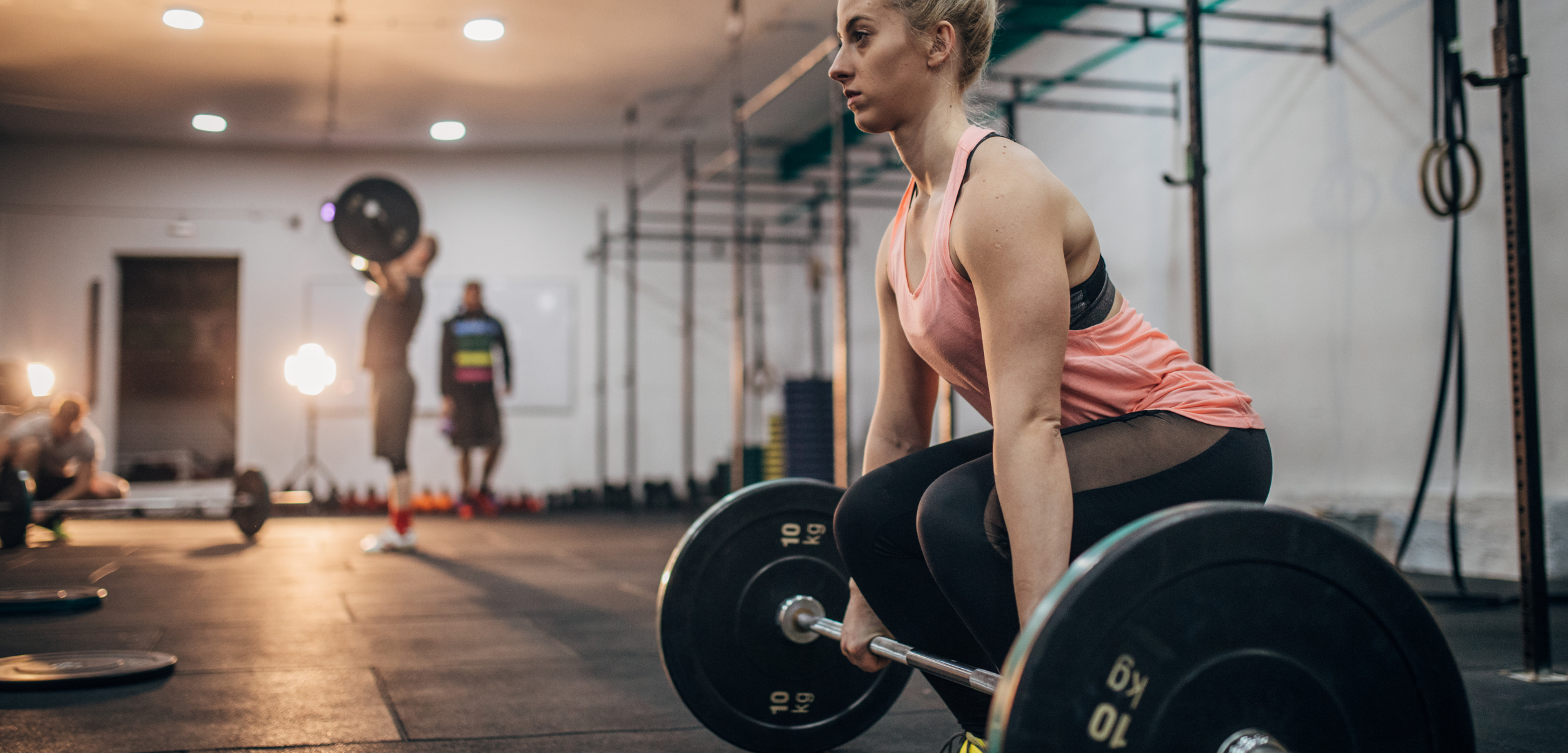
This is the indispensable and primary condition for achieving body recomposition. Without strength training, muscle mass creation is not possible. Strength training will be the "engine" driving the physical change you want to achieve, providing the necessary stimulus for your muscles to develop (8,9).
Moreover, it's crucial that you do it correctly, meaning applying progressive overload. This means that as you progress, you should make your workouts more challenging to continue creating the stimulus. This concept is also known as "progressive overload," and you can achieve it in the following ways:
- Increase the number of repetitions and sets you perform: This approach allows you to push your muscles to work harder and adapt by growing stronger.
- Increase the weight you lift. Progressively lifting heavier weights is a direct method of enhancing muscle growth and strength.
- Decrease the rest time between sets: Shortening rest periods increases the intensity of your workouts, forcing your muscles to recover faster and adapt to stressful conditions.
- Improve the technique of the exercises you perform: Focusing on controlled movements and a greater range of motion can significantly enhance the effectiveness of each exercise, leading to better muscle engagement and growth.
- Increase the difficulty of your workouts: This could include adding more complex movements, using different equipment, or integrating different training modalities.
Train strength at least three times a week, applying progressive overload and following a structured training plan to monitor your progress effectively.
👉 You might be interested in: What is the Anabolic Window?
2. Consume calories close to maintenance level or a very slight caloric deficit
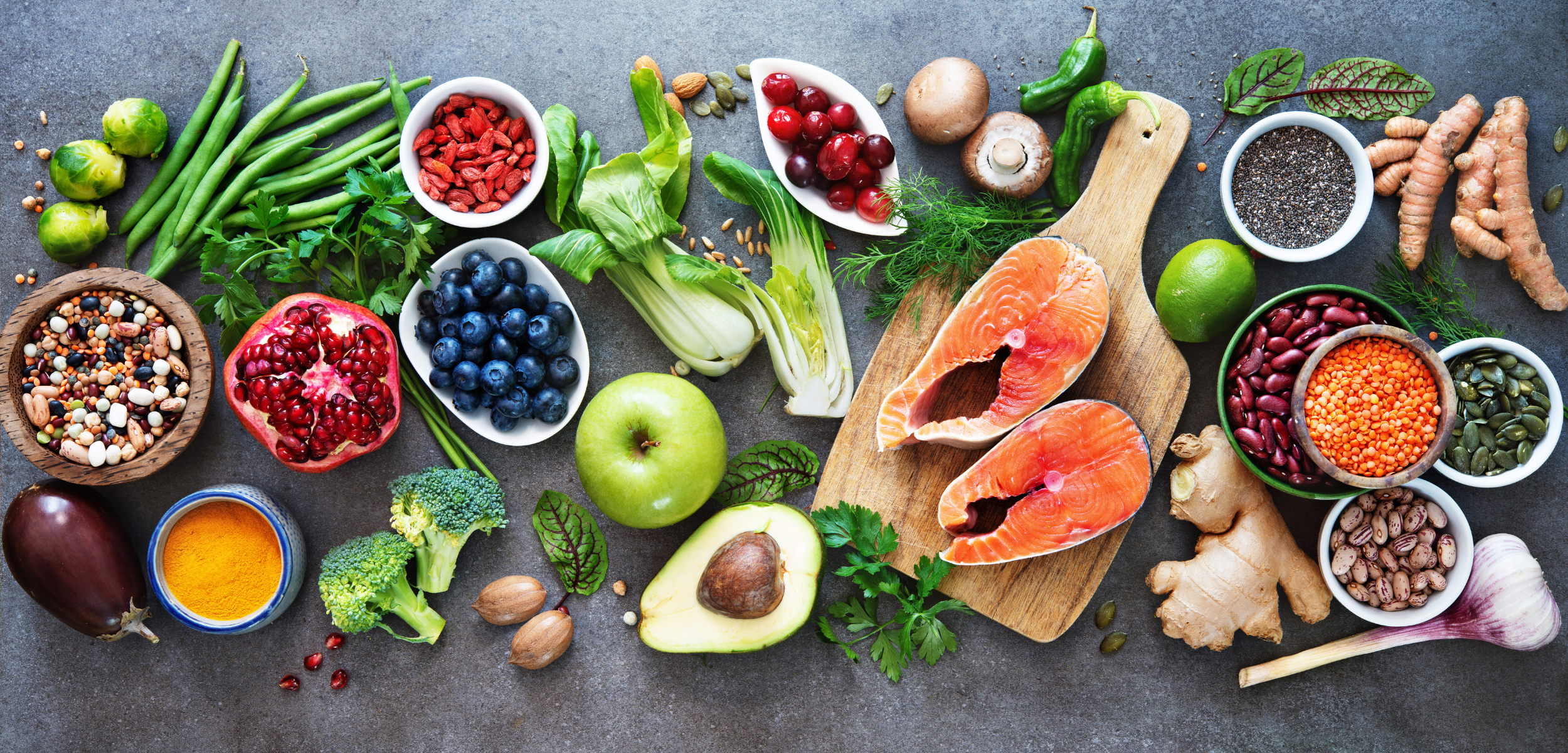
The second most important factor for body recomposition is nutrition, as it supports the muscle mass creation that you're stimulating with exercise.
Unlike a bulking period, which requires a caloric surplus (consuming more energy than you need), a recomposition phase does not necessitate increasing your calorie intake. This is because you also want to utilize the fat reserves you already have to achieve the second part of your goal: losing body fat. Therefore, for most people, it will be sufficient to consume maintenance-level calories (the level of calories at which your weight remains stable).
However, if your starting fat percentage is very high (>25% in men and >35% in women) and your main goal is to lose fat, you may be able to achieve body recomposition even if you are in a very slight calorie deficit.
In that case, you could set your requirement by subtracting 5% to 10% from your maintenance calories. For example, if your maintenance calories are 2,500 kcal, a 10% deficit would be achieved by consuming 2,250 kcal. We do not recommend decreasing it further, as you could affect the muscle gain process.
Set your energy intake around your maintenance calories or opt for a very slight deficit if you're starting with a high amount of fat. Remember, you can easily calculate your maintenance calories using the Fitia app by selecting the "maintain weight" option. Download it for free here.
👉 You might be interested in: The Keys To Fat Loss
3. Ensure your protein intake.
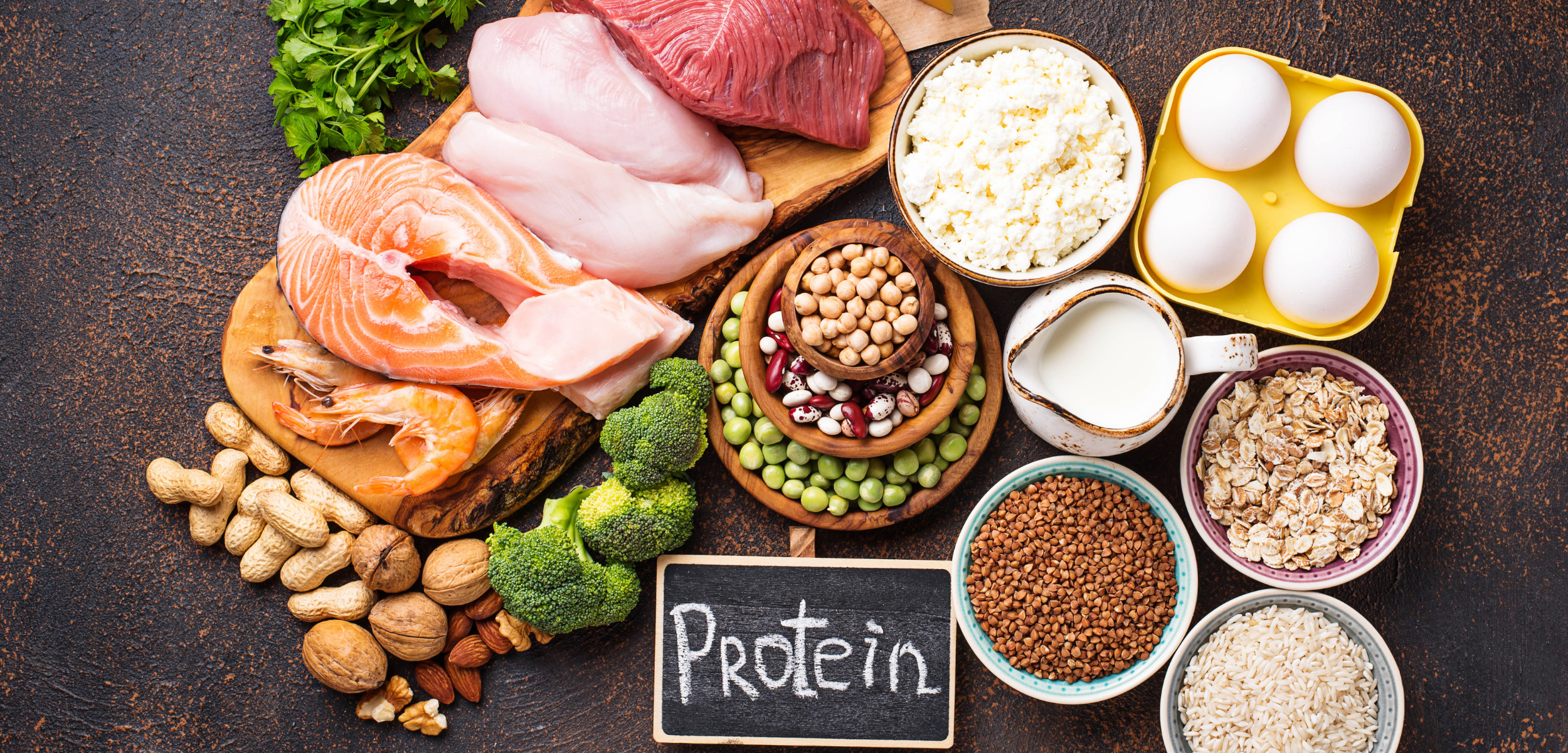
Protein is an essential nutrient for building muscle mass, as it is the primary component of muscle tissue, next to water.
Research indicates that to maximize muscle protein synthesis, your daily protein intake should range from 0-7 - 1 g/lb (1.6 to 2.2 grams per kilogram of body weight) (10,11,12). For instance, if you weigh 154 pounds (about 70 kg), you should aim to consume between 112 and 154 grams of protein per day.
Your protein intake should be around 0-7 -1 g/lb (1.6 to 2.2 g/kg body weight per day). Get your personal requirement in Fitia. Download it for free here.
👉 You might be interested in: 7 Benefits of Protein Backed by Science
4. Get enough rest

Sleep is probably the most underrated but one of the most important factors in losing fat and gaining muscle.
To understand the importance of sleep, let's consider a study published in 2018. The study involved 36 overweight or obese participants divided into two groups. Both groups underwent a moderate caloric deficit for 8 weeks. The difference was that one group slept an average of 1 hour less for 5 days a week (on the other two days, they slept 1 hour more). The results showed that both groups lost very similar amounts of weight relative to their initial weight. However, the group with restricted sleep lost a significant amount of muscle mass and little fat (of the total weight lost, 85% was muscle mass and 15% was body fat). In contrast, the group that got adequate sleep primarily lost fat (of the total weight lost, 83% was body fat) (13).
Achieving body recomposition is very challenging without sufficient rest since sleep significantly impacts fat loss and muscle retention. Aim to sleep between 7 to 9 hours each night.
👉You might be interested in: How Much Protein Should You Eat?
5. Manage Stress

Stress negatively impacts both fat loss and muscle gain. When an individual carries high levels of chronic stress, physiological and psychological changes occur, primarily associated with elevated blood cortisol levels (also known as the "stress hormone"). Under chronic stress, the following typically occurs:
- Hormones that control hunger and satiety become deregulated, leading to increased appetite.
- Individuals often seek "relief" from stress in ultra-processed foods (high in sugars, sodium, and saturated fats).
- There is a sensation of constant fatigue or tiredness, which can hinder or decrease training performance.
- The function of muscle cells is altered, making muscle gain more difficult.
In this article, we delve deeper into each of these points. Therefore, if you wish to optimize the body recomposition process, it is crucial to learn tactics to effectively manage stress.
Managing your stress levels is essential for optimizing the body recomposition process, as chronic stress can affect our caloric intake, athletic performance, and muscle gain.
References
References
- Garthe I, Raastad T, Refsnes PE, Sundgot-Borgen J. Effect of nutritional intervention on body composition and performance in elite athletes. Eur J Sport Sci. 2013;13(3):295-303. doi: 10.1080/17461391.2011.643923. Epub 2012 Mar 1. PMID: 23679146.
- Muscle memory and a new cellular model for muscle atrophy and hypertrophy (2016, Gundersen K1.)
- Myonuclei acquired by overload exercise precede hypertrophy and are not lost on detraining (2010, J. C. Bruusgaard, et al)
- Human Skeletal Muscle Possesses an Epigenetic Memory of Hypertrophy (2018, Robert A. Seaborne)
- Liu JD, Wu YQ. Anabolic-androgenic steroids and cardiovascular risk. Chin Med J (Engl). 2019 Sep 20;132(18):2229-2236. doi: 10.1097/CM9.0000000000000407. PMID: 31478927; PMCID: PMC6797160.
- Christou MA, Christou PA, Markozannes G, Tsatsoulis A, Mastorakos G, Tigas S. Effects of Anabolic Androgenic Steroids on the Reproductive System of Athletes and Recreational Users: A Systematic Review and Meta-Analysis. Sports Med. 2017 Sep;47(9):1869-1883. doi: 10.1007/s40279-017-0709-z. PMID: 28258581.
- Frati P, Busardò FP, Cipolloni L, Dominicis ED, Fineschi V. Anabolic Androgenic Steroid (AAS) related deaths: autoptic, histopathological and toxicological findings. Curr Neuropharmacol. 2015 Jan;13(1):146-59. doi: 10.2174/1570159X13666141210225414. PMID: 26074749; PMCID: PMC4462039.
- Vorona E, Nieschlag E. Adverse effects of doping with anabolic androgenic steroids in competitive athletics, recreational sports and bodybuilding. Minerva Endocrinol. 2018 Dec;43(4):476-488. doi: 10.23736/S0391-1977.18.02810-9. Epub 2018 Feb 19. PMID: 29463075.
- Schoenfeld, Brad J. Science and development of muscle hypertrophy. Human Kinetics, 2020.
- Helms, Eric, Andy Morgan, and Andrea Valdez. The Muscle & Strength Pyramid: Training. Muscle and Strength Pyramids, LLC., 2018.
- Helms, Eric, Andrea Valdez, and Andy Morgan. "The Muscle and Strength Pyramid." Nutrition (2018).
- Slater, Gary John et al. “Is an Energy Surplus Required to Maximize Skeletal Muscle Hypertrophy Associated With Resistance Training.” Frontiers in nutrition vol. 6 131. 20 Aug. 2019, doi:10.3389/fnut.2019.00131
- Wang X, Sparks JR, Bowyer KP, Youngstedt SD. Influence of sleep restriction on weight loss outcomes associated with caloric restriction. Sleep. 2018 May 1;41(5):10.1093/sleep/zsy027. doi: 10.1093/sleep/zsy027. PMID: 29438540; PMCID: PMC8591680.
Fitia: Meal Plans & Calorie Counter
We use cookies to enhance your browsing experience, analyze site traffic, and personalize content. By clicking 'Accept', you consent to the use of these technologies in accordance with our Privacy Policy.